


Abstract Ocean Canvas
Our Tableau Abstract Ocean collection immerses you in the fascinating world of the marine depths through contemporary art. Each creation captures the essence of the moving sea with abstract compositions in enchanting blue hues. Perfect for creating a soothing atmosphere, these abstract ocean wall decoration transform your interior into an artistic sanctuary. Be inspired by the stylized waves and fluid textures of our ocean-inspired abstract art to bring serenity and elegance to your living space.
 Ocean Dunes Blue Wall Art - textured abstract edition232,90 €
 Wild Silver Foam Artwork - Abstract Expressionist Edition232,90 €
 Sweetness of Twilight Wall Art - Abstract Seaside Edition233,90 €
 Amber Softness Wall Art - Abstract Seascape Edition233,90 €
 Golden Twilight Wall Art - Abstract Seaside Edition233,90 €
 Echoes of the Open Sea - Abstract Boat Painting Edition233,90 €
 Golden Crest and Foam Painting - Abstract Edition233,90 €
 Echo of the Winds Canvas - Abstract Edition233,90 €
 Twilight of Elements Wall Art - Abstract Edition233,90 €
Explore further
In Abstract Ocean Canvas
-
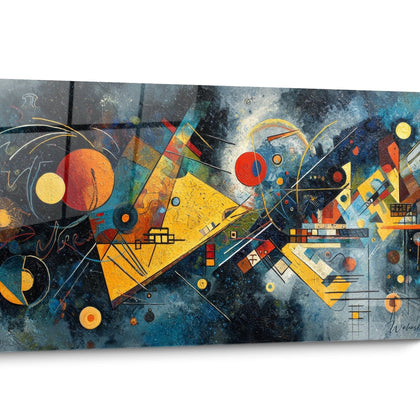 Abstract Wall Art4086
artworks
Abstract Wall Art4086
artworks
-
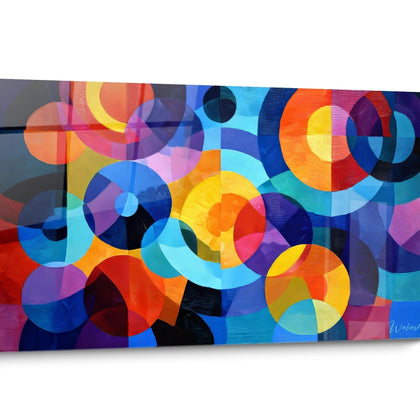 Abstract Geometric Wall Art24
artworks
Abstract Geometric Wall Art24
artworks
-
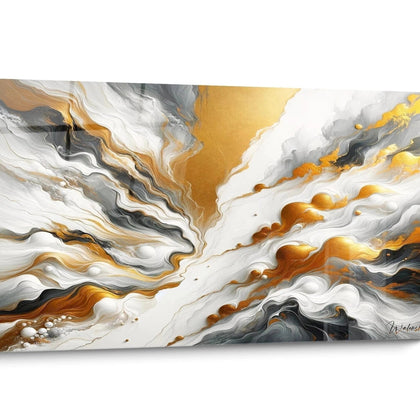 Fluid Abstract Wall Art19
artworks
Fluid Abstract Wall Art19
artworks
-
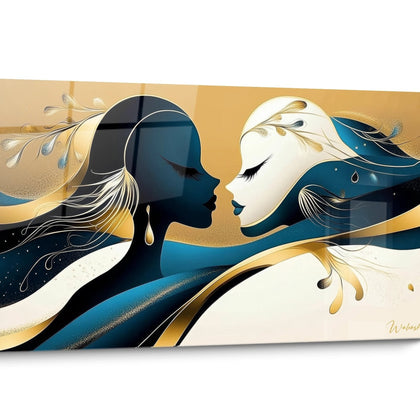 Golden Abstract Wall Art24
artworks
Golden Abstract Wall Art24
artworks
-
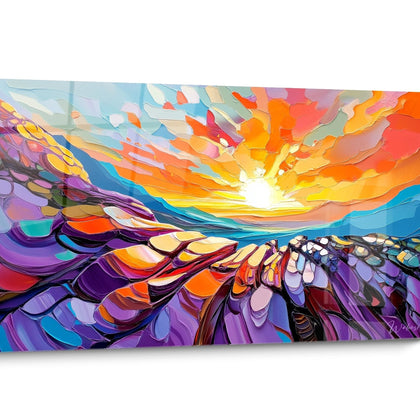 Abstract Expressionist Painting17
artworks
Abstract Expressionist Painting17
artworks
-
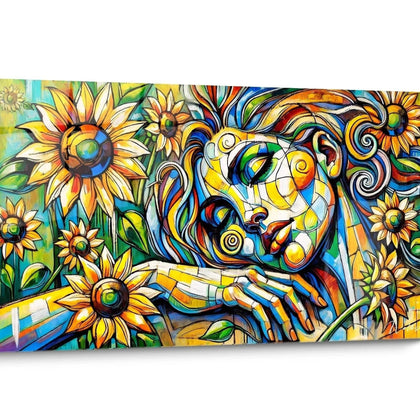 Abstract Face Wall Art15
artworks
Abstract Face Wall Art15
artworks
-
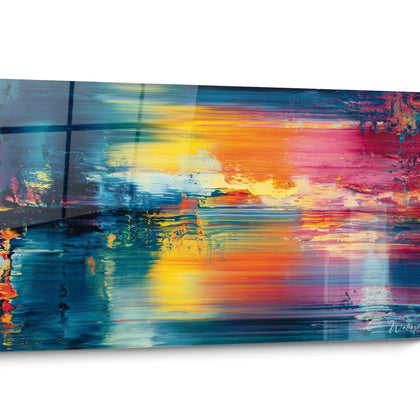 Colorful Abstract Painting24
artworks
Colorful Abstract Painting24
artworks
-
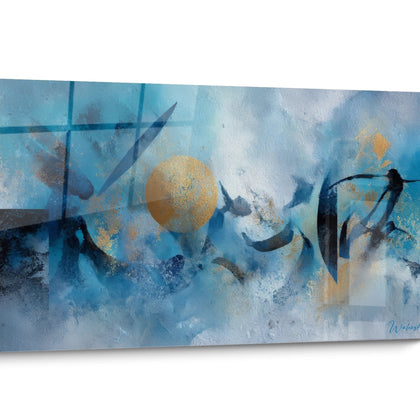 Abstract Calligraphy Wall Art17
artworks
Abstract Calligraphy Wall Art17
artworks
-
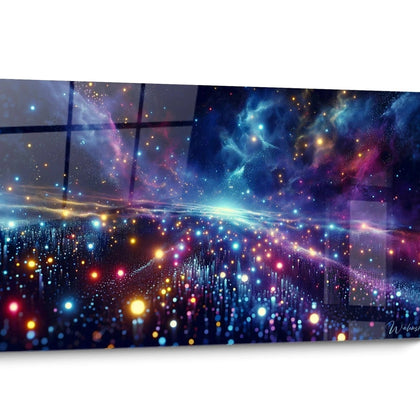 Blue Abstract Wall Art24
artworks
Blue Abstract Wall Art24
artworks
-
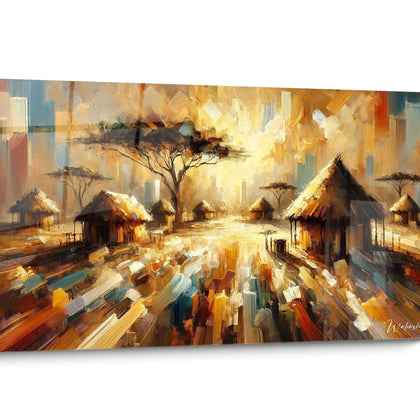 Abstract Orange Canvas23
artworks
Abstract Orange Canvas23
artworks
-
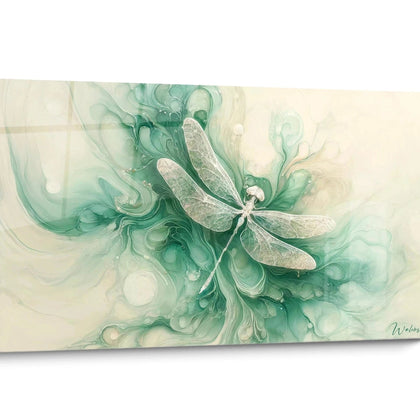 Abstract Spiral Wall Art7
artworks
Abstract Spiral Wall Art7
artworks
-
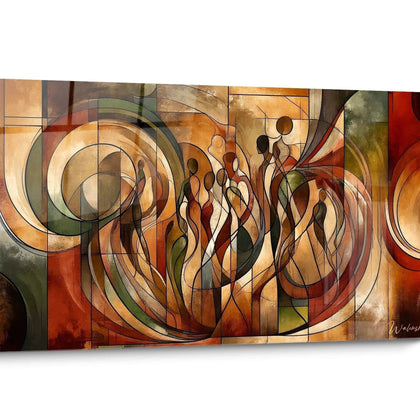 Abstract Dancer Wall Art9
artworks
Abstract Dancer Wall Art9
artworks
-
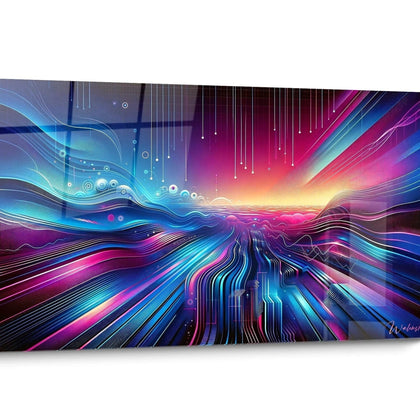 Futuristic Abstract Wall Art12
artworks
Futuristic Abstract Wall Art12
artworks
-
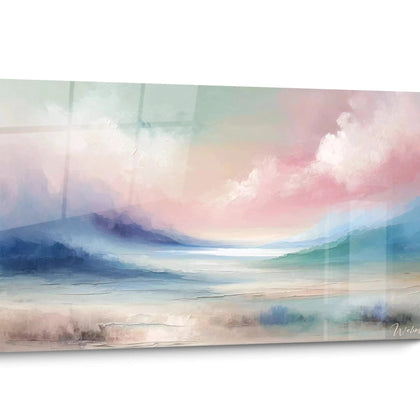 Abstract Landscape Painting7
artworks
Abstract Landscape Painting7
artworks
-
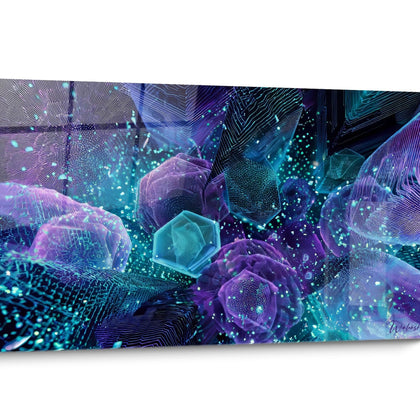 Abstract Cosmos Wall Art10
artworks
Abstract Cosmos Wall Art10
artworks
-
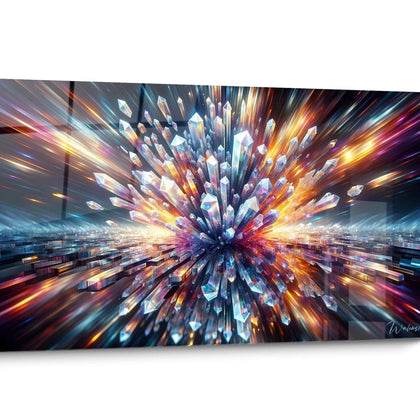 Abstract Crystal Wall Art7
artworks
Abstract Crystal Wall Art7
artworks
-
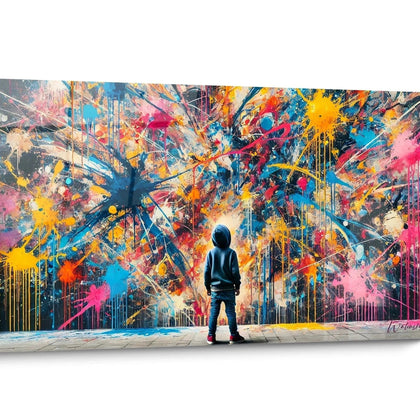 Abstract Painting Wall Art8
artworks
Abstract Painting Wall Art8
artworks
-
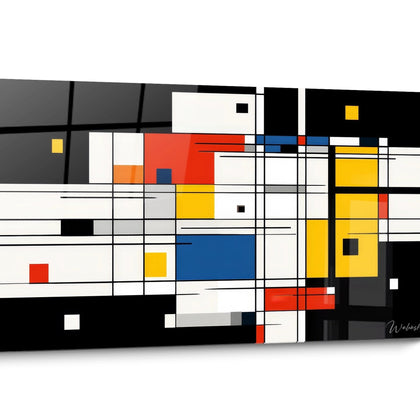 Abstract Mondrian Painting6
artworks
Abstract Mondrian Painting6
artworks
-
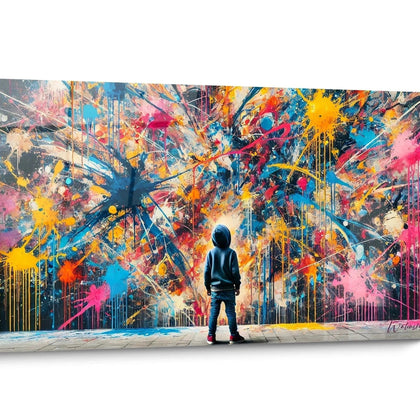 Abstract Pop Art Canvas5
artworks
Abstract Pop Art Canvas5
artworks
-
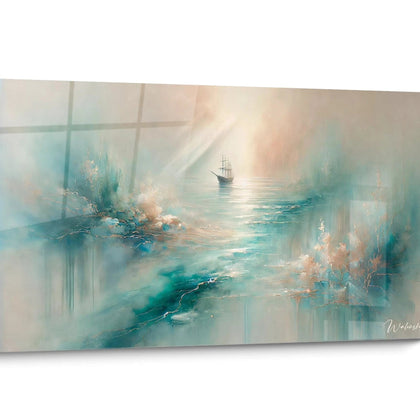 Abstract Boat Painting5
artworks
Abstract Boat Painting5
artworks
All about Abstract Ocean Canvas
- Abstract Ocean Painting Presentation
- Marine palette and depth
- Aquatic sensory immersion
- Modern coastal architecture
An abstract ocean painting transforms your interior into a permanent window to marine vastness. This type of wall art captures the essence of aquatic depths through a contemporary visual interpretation that evokes the fluidity of currents, water stratification, and the infinite nuances of the marine world. Unlike figurative representations, this artistic approach prioritizes the pure sensation of facing the ocean, creating a contemplative experience that invites mental journey. Large-format sizes will amplify this sense of total immersion, particularly sought after in coastal residential spaces or urban environments seeking maritime escape.
The Chromodynamics of Marine Depths in Interior Decoration
An abstract ocean painting relies on subtle chromatic stratification that reproduces different marine bathymetric zones. The translucent upper layers evoke the epipelagic zone where sunlight still penetrates, while deep indigo hues symbolize mysterious abysses. This chromatic verticality naturally creates a descending focal point that draws the eye downward, generating a sensation of aquatic weightlessness particularly effective in spaces with high ceilings.
How do textures evoke ocean movement?
Gestural reliefs and material superpositions visually translate marine currents, surface swirls, and variable salt water density. A large-scale abstract ocean painting exploits these tactile variations to suggest the invisible power of tides, creating a visual dynamism that evolves depending on the viewing angle. This three-dimensional approach is particularly suitable for minimalist spaces where the artwork becomes the unique source of visual complexity.
The tonal balance between energizing turquoise and calming blue
The proportion between invigorating turquoise hues and calming deep blues determines the overall ambiance of your room. An abstract ocean painting rich in turquoise nuances stimulates creativity and suits home offices or brainstorming spaces, while a dominant navy blue promotes relaxation in master bedrooms. Intermediate cyan variations create the fluid transition that characterizes sophisticated marine wall artworks.
For those who also appreciate maritime themes with a more narrative dimension, exploring abstract works depicting the naval universe can harmoniously complement coastal decoration.
Metallic accents and evoking underwater light
The subtle integration of silver or iridescent pigments simulates luminous reflections dancing beneath the water's surface. These metallic touches capture the changing natural light in your interior, creating a living effect that transforms the artwork throughout the day. This dynamic characteristic proves particularly valuable in east or west-facing spaces, where the glancing morning or evening light amplifies these light-play characteristics typical of ocean shimmer.
Spatial Psychology and Biophilic Effects of Oceanic Representations
Why does marine abstraction amplify the sensation of space?
A monumental abstract ocean painting creates visual openness that psychologically pushes back the boundaries of your room. The absence of defined horizon lines and indeterminate chromatic depth generate a perceptual expansion similar to that felt facing the real sea. This spatial illusion proves particularly valuable in urban apartments where connection with the outdoors remains limited, transforming a solid wall into a mental portal to maritime vastness.
The emotional resonance of abstract aquatic rhythms
Abstract oceanic compositions visually reproduce the repetitive yet never identical patterns of waves and currents. This organic rhythm unconsciously activates the same neurological relaxation mechanisms as actual ocean contemplation. An abstract ocean painting thus becomes a tool for passive emotional regulation, particularly effective in transitional spaces like hallways or entrance halls where you spend only a few seconds but where visual impact must be immediate.
Formats ranging from 120 to 200 centimeters create this peripheral immersion necessary to trigger these profound biophilic responses. At this scale, the artwork is no longer simply observed but experienced corporally, engaging your peripheral vision and creating environmental presence rather than a simple decorative element.
The perceptual thermal influence of ocean blues
The dominant cool tones of an abstract ocean painting generate a sensation of perceptual coolness that can reduce the perceived temperature of a space by 1 to 2 degrees. This psychoclimatic property proves strategic in south-facing rooms or warm regions, where the artwork passively contributes to thermal comfort without technical intervention. Deep blue-green nuances also visually absorb luminous heat, creating zones of visual rest in highly luminous interiors.
The suspended temporality of abstract marine compositions
Unlike figurative scenes that fix a specific moment, oceanic abstraction suggests infinite temporal continuity. This visual atemporality creates valuable counterpoint to daily urgency, transforming your living room or bedroom into a mental sanctuary where time seems to slow down. Large dimensions amplify this suspension-of-time effect by creating a visual field broad enough to mentally disconnect from the immediate environment.
Architectural Integration of Monumental Marine Artworks
What wall configuration optimizes the impact of an abstract ocean painting?
Clear load-bearing walls without openings or interruptions constitute the ideal location for a large-scale abstract ocean painting. Wall continuity allows the artwork to fully deploy its visual narrative without spatial competition. In contemporary open-plan architectures, positioning the artwork on the wall perpendicular to large glass doors creates a fascinating dialogue between the abstract aquatic work and changing natural light, each source enriching the other.
The aquatic accent wall strategy in open spaces
A monumental abstract ocean painting naturally becomes the visual anchor point that structures open-plan spaces. Positioned on the main wall visible from the entrance, it guides circulation and creates clear spatial hierarchy. This architectural function transcends simple decoration to become a visual zoning element, particularly effective in lofts or studios where space definition relies on visual reference points rather than physical partitions.
The association with streamlined furniture and natural materials such as driftwood or raw linen amplifies the coastal thematic coherence without falling into decorative cliché. This surrounding sobriety allows the abstract ocean painting to retain its expressive power while integrating into sophisticated decorative ensemble.
How to harmonize oceanic painting and mineral architecture?
In contemporary interiors dominated by concrete, stone, or metal, an abstract ocean painting introduces the organic fluidity necessary for sensory balance. This material opposition between architectural rigidity and the artwork's visual liquidity generates creative tension that energizes the space. Stretched horizontal formats accentuate this soothing horizontality that contrasts with urban structure verticality, creating welcome visual rest.
Indirect lighting and amplified oceanic depth
Lateral grazing lighting systems reveal the reliefs and textures of an abstract ocean painting, creating cast shadows that amplify the sensation of aquatic depth. This illumination technique transforms the artwork throughout the day, daytime natural light giving way to nocturnal artificial lighting that reveals other chromatic dimensions. This visual evolution maintains interest and prevents decorative fatigue even after years of daily contemplation.
Is an abstract ocean painting suitable for professional environments?
Absolutely. In offices, reception spaces, or waiting areas, a large-scale abstract ocean painting projects an image of professional serenity and long-term vision. Blue tones inspire trust and communication, qualities particularly valued in financial, legal, or medical sectors. Abstraction avoids overly personal interpretations while offering sufficient visual complexity to maintain attention during prolonged waits.
What is the visual durability of an abstract ocean painting over time?
The thematic timelessness of the ocean guarantees lasting decorative relevance that transcends fleeting trends. Unlike ephemeral graphic trends, maritime themes possess cultural universality and profound emotional resonance that resist time. A quality abstract ocean painting retains its capacity to inspire wonder even after years, its complexity progressively revealing new nuances as your perception refines.
How to integrate multiple ocean paintings without thematic overload?
To create a coherent multi-panel installation, prioritize subtle tonal variations rather than repetition. A central large abstract ocean painting accompanied by smaller satellite compositions exploring specific aspects (foam, depth, horizon) creates enriched visual narrative without redundancy. Maintain generous intervals between artworks to preserve the individual impact of each piece while building overall visual dialogue.
Further reading
Our articles on this topic
- Modern Blue Abstract Art: Between Tradition and Innovation
- The Influence of a Good Frame on Showcasing a Blue Abstract Artwork
- How to Integrate Modern Blue Abstract Art into a Contemporary Decor?
- Decoding the Beauty of Abstract Artworks: A Journey into the Heart of the Abstract Acrylic Painting
- How an Abstract Blue Canvas Can Transform Your Interior?


