


Abstract Crystal Wall Art
Our Painting Abstract Crystals captures the fascinating beauty of mineral formations through contemporary art. Each creation reveals geometric crystalline compositions with luminous reflections and vibrant colors. These abstract artworks inspired by minerals bring depth and sophistication to your interior. Perfect for modern spaces, they transform your walls into true art galleries. Explore this universe where geometry meets visual poetry.
 Geometric Crystals Painting - Fragmented Cosmos - Abstract Futurism Edition273,90 €
 Futuristic Crystal Painting - Digital Constellation - Abstract Futurism Edition273,90 €
 Iridescent Crystals Painting - Light Prism - abstract futurism edition242,90 €
 Cosmic crystalline cubes painting - Galaxy Mirror - abstract futurism edition228,90 €
 Polygonal Radiance Orange Wall Art - Abstract Geometric Edition242,90 €
 Aquatic Mineral Sparkles Artwork - Abstract Geometric Edition228,90 €
 Crystal Radiance Wall Art - Abstract Edition273,90 €
Explore further
In Abstract Crystal Wall Art
-
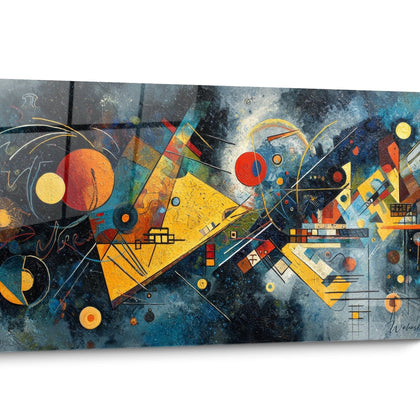 Abstract Wall Art4182
artworks
Abstract Wall Art4182
artworks
-
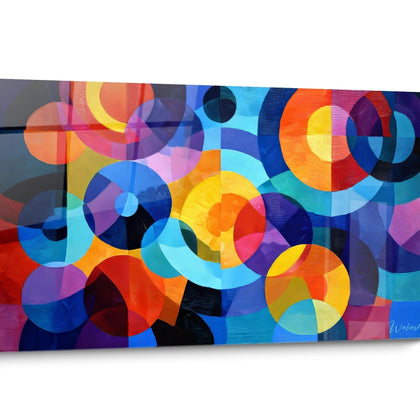 Abstract Geometric Wall Art24
artworks
Abstract Geometric Wall Art24
artworks
-
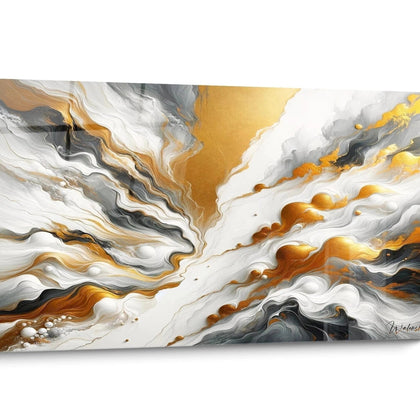 Fluid Abstract Wall Art19
artworks
Fluid Abstract Wall Art19
artworks
-
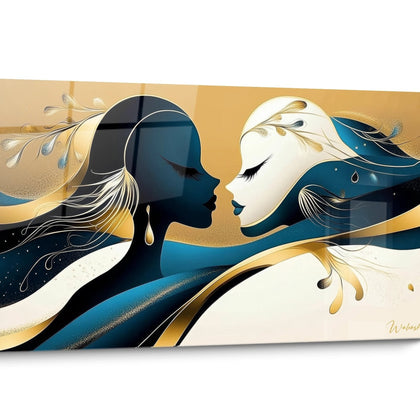 Golden Abstract Wall Art24
artworks
Golden Abstract Wall Art24
artworks
-
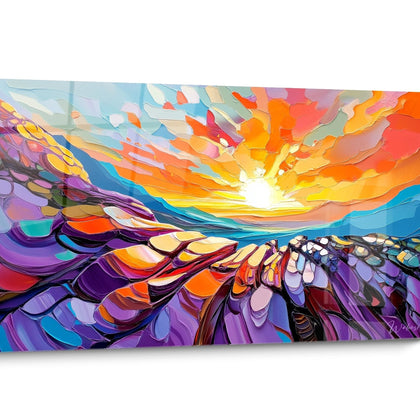 Abstract Expressionist Painting17
artworks
Abstract Expressionist Painting17
artworks
-
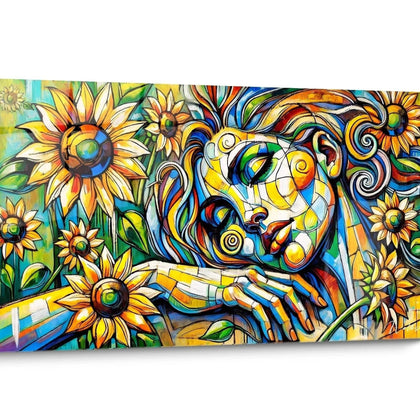 Abstract Face Wall Art15
artworks
Abstract Face Wall Art15
artworks
-
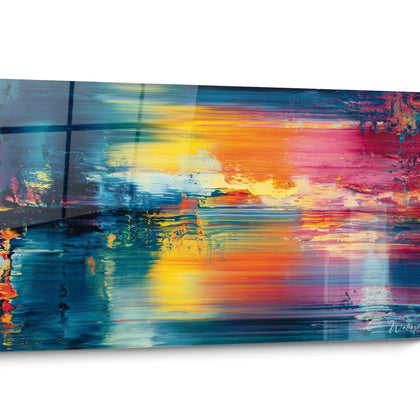 Colorful Abstract Painting24
artworks
Colorful Abstract Painting24
artworks
-
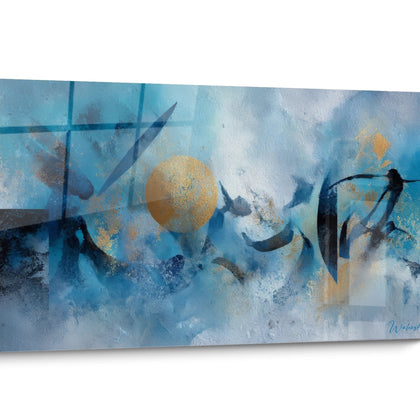 Abstract Calligraphy Wall Art17
artworks
Abstract Calligraphy Wall Art17
artworks
-
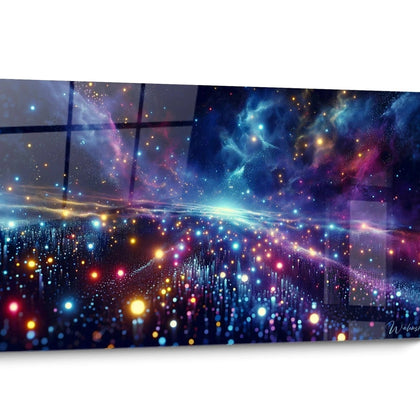 Blue Abstract Wall Art24
artworks
Blue Abstract Wall Art24
artworks
-
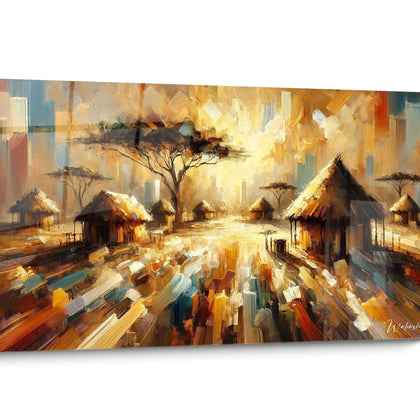 Abstract Orange Canvas23
artworks
Abstract Orange Canvas23
artworks
-
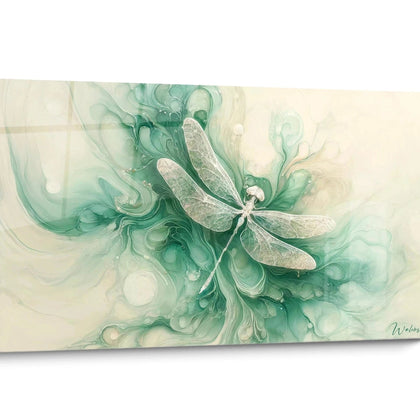 Abstract Spiral Wall Art7
artworks
Abstract Spiral Wall Art7
artworks
-
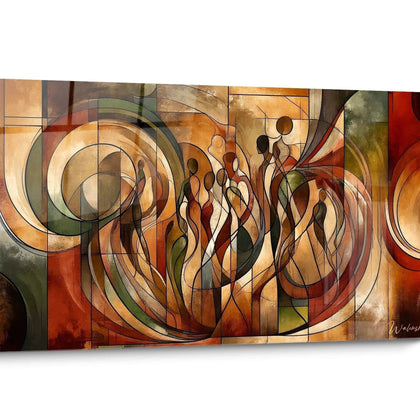 Abstract Dancer Wall Art9
artworks
Abstract Dancer Wall Art9
artworks
-
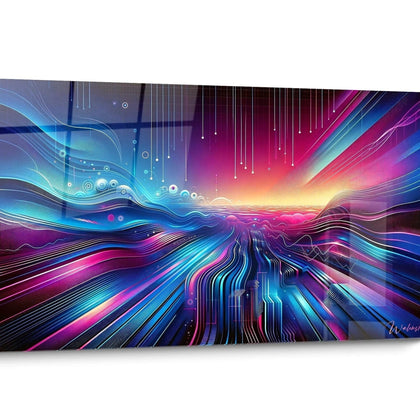 Futuristic Abstract Wall Art12
artworks
Futuristic Abstract Wall Art12
artworks
-
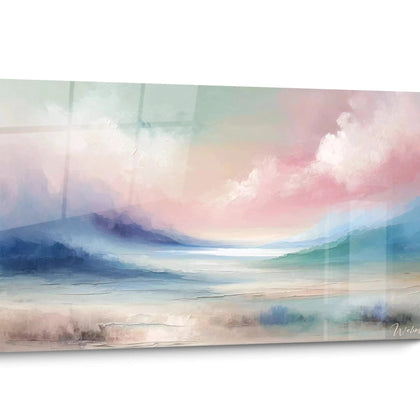 Abstract Landscape Painting7
artworks
Abstract Landscape Painting7
artworks
-
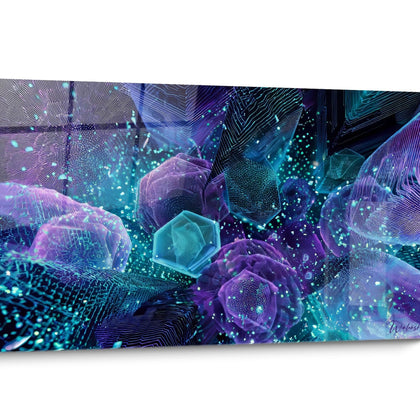 Abstract Cosmos Wall Art10
artworks
Abstract Cosmos Wall Art10
artworks
-
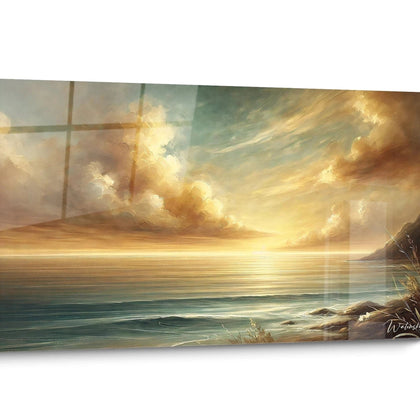 Abstract Ocean Canvas9
artworks
Abstract Ocean Canvas9
artworks
-
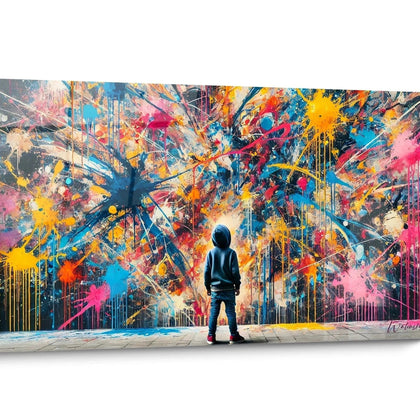 Abstract Painting Wall Art8
artworks
Abstract Painting Wall Art8
artworks
-
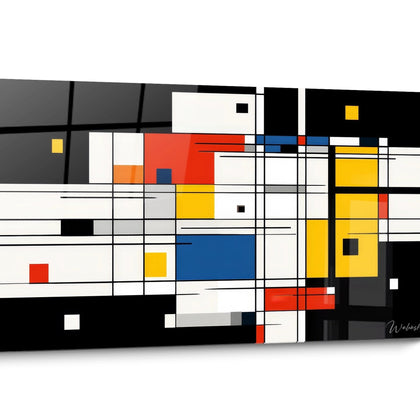 Abstract Mondrian Painting6
artworks
Abstract Mondrian Painting6
artworks
-
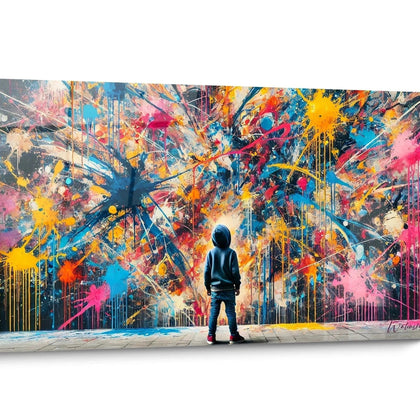 Abstract Pop Art Canvas5
artworks
Abstract Pop Art Canvas5
artworks
-
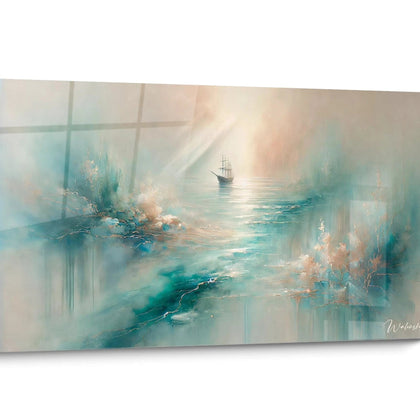 Abstract Boat Painting5
artworks
Abstract Boat Painting5
artworks
All about Abstract Crystal Wall Art
- Abstract Crystal Wall Art Presentation
- Contemporary Crystalline Compositions
- Luminous Environments and Refraction
- Monumental Formats and Visual Impact
An abstract crystal wall art radically transforms the atmosphere of a space by capturing the refractive properties and fascinating geometry of mineral structures. These mural creations exploit angular facets, stratified transparencies and light interference characteristic of crystalline formations to create visual compositions of exceptional depth. Unlike traditional figurative representations, these works convey the very essence of crystallized matter through an abstract approach that gradually reveals its multiple dimensions depending on viewing angle and ambient lighting conditions.
The Fractal Geometry of Mineral Structures in Wall Decoration
Acquiring an abstract crystal wall art responds to a sophisticated aesthetic search where the mathematical rigor of mineral formations meets contemporary artistic expression. Crystalline compositions are structured around repetitive geometric patterns that evoke atomic growth of mineral networks, creating progressive visual density from center to peripheries following natural fractal patterns.
How do multiple angles create unique perceptual depth?
Abstract crystal wall art exploits the multiplication of superimposed geometric planes to generate a three-dimensional impression on a flat surface. Angular intersections imitate natural crystallographic cleavages, those privileged separation lines that characterize each crystal system. This stratification creates zones of visual concentration alternating with breathing spaces, exactly as inclusions and purity zones coexist in authentic mineralogical specimens.
Molecular architecture transposed into abstract visual language
The prismatic patterns present in these mural compositions visually translate the atomic arrangement of crystalline structures. Geometric repetitions are never monotonous but evolve subtly, reflecting natural variations observed in mineral growth. A large-format abstract crystal wall art amplifies these phenomena to create an architectural presence that dialogues directly with the structural lines of the host space.
Which chromatic associations reinforce the desired mineral effect?
The color palette favors metallic transitions and variable saturations that characterize precious gems and minerals. Iridescent gradients recall optical interference phenomena observed in opals or labradorites, while sharp contrasts evoke clear demarcations between zones of different chemical compositions. This chromatic approach generates visual dynamism that transforms the wall art into a living element reacting to daily light variations, comparable to abstract boat wall art that also capture changing reflections.
Crystalline terminations as compositional principles
Directional points and pyramidal formations structure the entire composition by creating visual vectors that naturally guide the eye. These elements evoke crystalline habits – these characteristic external forms that minerals develop according to their formation conditions. A large-format abstract crystal wall art transforms these microscopic geological structures into visually perceptible manifestations at architectural scale, creating a fascinating bridge between infinitesimally small mineralogical details and human spatial experience.
Refractive Properties and Dynamic Light Interactions
A large-scale abstract crystal wall art functions as a passive optical device continuously transforming ambient light flows. This unique capacity stems directly from the visual translation of refractive properties characterizing natural crystalline formations, where each facet deflects and decomposes light according to specific angles.
Amplified chromatic dispersion phenomena
Abstract crystalline compositions incorporate zones of progressive color fractionation that imitate spectral separation observed when light passes through a crystalline prism. These gradients are not uniform but present chromatic accelerations and decelerations corresponding to variations in refractive indices in authentic minerals. This technical sophistication radically distinguishes these creations from conventional geometric abstractions.
How to optimize display to reveal all visual dimensions?
Installing a large-format abstract crystal wall art requires preliminary analysis of natural light trajectories crossing the space. Crystalline compositions react differently depending on light incidence angle, revealing variable compositional details throughout the day. Positioning perpendicular to main light sources creates maximum reverberation effects, while tangential placement favors emergence of accentuated contrasts between reflective and absorptive zones.
Constructive interference as a decorative principle
Certain compositions exploit overlapping transparent geometric patterns to generate zones of visual intensification, a phenomenon analogous to constructive interference in crystalline optics. These convergence points create spontaneous focal points that visually anchor the entire space. A large-format abstract crystal wall art can thus entirely structure the spatial perception of a room, transforming architectural volumes through its sole refractive presence.
Which artificial lighting conditions enhance crystalline compositions?
Directional light sources with high color temperature amplify prismatic effects and reveal compositional stratifications. Indirect peripheral lighting creates diffuse luminosity that softens contrasts while preserving geometric structure readability. Variable lighting installations allow adapting the visual character of the abstract crystal wall art to different temporal functions of the space – daytime concentration or soothing nighttime ambiance.
Monumental Dimensions and Architectural Presence of Crystalline Formations
The impact of a large-format abstract crystal wall art transcends simple decorative function to become a structuring element of interior architecture. These large-scale mural compositions exploit dimensional amplification to reveal compositional details imperceptible in reduced formats, creating an immersive experience comparable to discovering monumental geodes.
Geological scale transposed into residential space
Formats exceeding two linear meters allow full expression of the complexity of multidirectional crystal systems. At this scale, micrometric texture variations and subtle chromatic transitions become perceptible, creating visual richness that reveals itself progressively through repeated observations. This contemplative depth fundamentally distinguishes large crystalline compositions from conventional wall decorations with immediate impact but rapid visual exhaustion.
How to integrate strong visual presence without spatial saturation?
Paradoxically, a monumental abstract crystal wall art can visually lighten a space thanks to zones of compositional transparency and chromatic passages toward light tones. Abstract crystalline formations naturally integrate visual breathing spaces – structuring negative spaces – that prevent geometric density from becoming oppressive. This rhythmic alternation between visual concentration and dilution creates dynamic equilibrium particularly suited to generous contemporary architectural volumes.
Multipart panoramic compositions
Certain configurations exploit segmentation into adjacent panels to further amplify architectural dimension. These crystalline diptychs or triptychs create trans-panel geometric continuity where formations seem to extend beyond the physical limits of each element. This modular approach also offers installation flexibility adapted to specific structural constraints – door passages, wall obstacles, angular configurations.
Which spaces particularly benefit from monumental crystalline formats?
Double-height volumes and residential accent walls constitute ideal locations where the monumental scale of abstract crystal wall art can fully express itself. Professional reception halls and hospitality spaces benefit from the mineralogical monumentality effect to immediately establish distinctive visual identity. Minimalist environments with affirmed architectural lines create the optimal context where crystalline geometric complexity can effectively contrast without decorative competition.
FAQ - Frequently Asked Questions about Abstract Crystal Wall Art
What is the recommended minimum size for abstract crystal wall art in a spacious living room?
For a living room exceeding 35 square meters, prioritize minimum dimensions of 120x80 cm so that geometric details of crystalline structures remain perceptible from circulation areas. Formats larger than 150x100 cm create architectural presence that visually structures the entire space without requiring complementary decorative elements.
Is abstract crystal wall art suitable for demanding professional environments?
Absolutely, abstract crystalline compositions deliver visual sophistication particularly suited to corporate spaces seeking distinctive identity. Geometric rigor evokes professionalism and precision, while dynamic lighting effects maintain renewed visual interest, unlike conventional static decorations.
How to sustainably maintain large-format abstract crystal wall art?
Quality crystalline mural compositions require only periodic dusting with a dry microfiber cloth to preserve their refractive brilliance. Avoid liquid cleaning products that could alter subtle chromatic transition zones. Positioning avoiding prolonged direct sun exposure preserves pigment stability over several decades.
Further reading
Our articles on this topic
- Acrylic glass print of abstract architecture: contemporary decor that plays with light
- Marble Abstract Painting: Complete Guide to Choosing and Decorating with Style
- Decoding the Beauty of Abstract Artworks: A Journey into the Heart of the Abstract Acrylic Painting
- Why do colorful alluvial deposits inspire contemporary geological abstracts?
- Abstract flower painting for a romantic adult bedroom: creating a sensual atmosphere
- Best Tips for Decorating with an Abstract Artwork
L'art qui suscite l'envie
Maison belge d'art mural grand format
14 jourspour changer d'avis*
Protection Walenskyincluse
Fabriquéen Italie
FormatXXL
Kit de fixationtoujours fourni
* Hors tableaux personnalisés et tailles personnalisées


