


Abstract Face Wall Art
Our Abstract Face Wall Art collection captures the essence of human expression through contemporary art. Each masterpiece elevates the beauty of facial features through abstract compositions and expressive portraits with vibrant colors and fluid lines. These mural creations transform your space into a modern art gallery, offering a unique emotional dimension. Perfect for enhancing living rooms, offices, or bedrooms, these abstract face style wall paintings bring character and sophistication to your interior décor.
 Wall Art Close to the Skin - Abstract Face Edition233,90 €
 Unfinished Beauty Canvas - Abstract Face Edition233,90 €
 Vintage Brilliance Canvas - Abstract Pop Art Edition233,90 €
 Golden Buddha Painting with Closed Eyes - Golden Serenity - Abstract Face Edition233,90 €
 Inner Bloom Wall Art - Abstract Face Edition233,90 €
 Sunlit Glow Artwork - Abstract Face Edition233,90 €
 Faded Beauty Canvas - Abstract Face Edition233,90 €
 Graphic Soul Canvas - Abstract Face Edition233,90 €
 Two Faces Wall Art - Abstract Surrealism Edition233,90 €
 Soul Radiance Canvas - Contemporary Abstract Painting Edition233,90 €
 Woman with Sunflowers Painting - Abstract Fauvism Edition233,90 €
 Line Dance Wall Art - Abstract Dancer Edition233,90 €
 Beyond the Gaze Wall Art - Abstract Face Edition233,90 €
 Touch of Darkness Artwork - Abstract Face Edition233,90 €
 Linear Softness Painting - Abstract Face Edition233,90 €
Explore further
In Abstract Face Wall Art
-
 Abstract Wall Art2686
artworks
Abstract Wall Art2686
artworks
-
 Abstract Geometric Wall Art24
artworks
Abstract Geometric Wall Art24
artworks
-
 Fluid Abstract Wall Art19
artworks
Fluid Abstract Wall Art19
artworks
-
 Golden Abstract Wall Art24
artworks
Golden Abstract Wall Art24
artworks
-
 Abstract Expressionist Painting17
artworks
Abstract Expressionist Painting17
artworks
-
 Colorful Abstract Painting24
artworks
Colorful Abstract Painting24
artworks
-
 Abstract Calligraphy Wall Art17
artworks
Abstract Calligraphy Wall Art17
artworks
-
 Blue Abstract Wall Art24
artworks
Blue Abstract Wall Art24
artworks
-
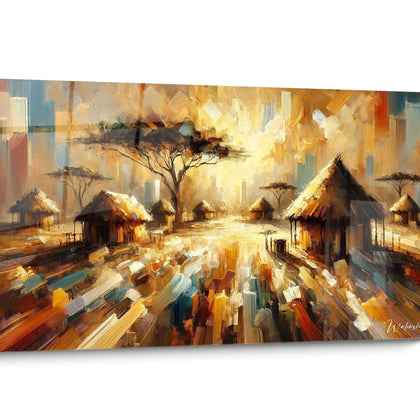 Abstract Orange Canvas23
artworks
Abstract Orange Canvas23
artworks
-
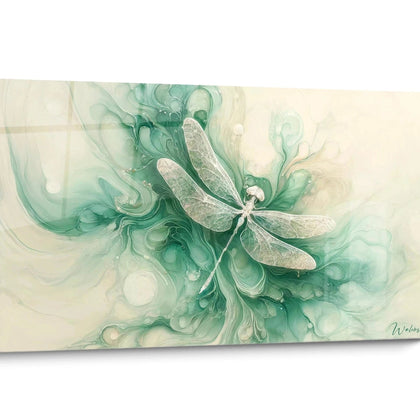 Abstract Spiral Wall Art7
artworks
Abstract Spiral Wall Art7
artworks
-
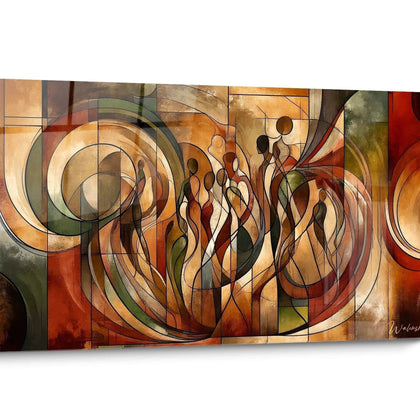 Abstract Dancer Wall Art9
artworks
Abstract Dancer Wall Art9
artworks
-
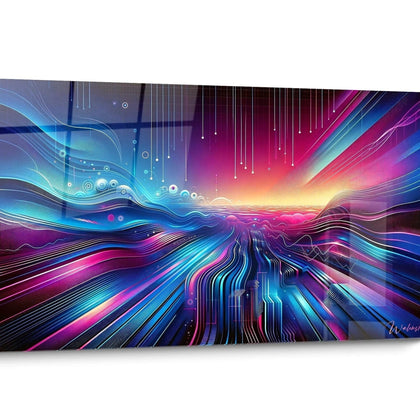 Futuristic Abstract Wall Art12
artworks
Futuristic Abstract Wall Art12
artworks
-
 Abstract Landscape Painting7
artworks
Abstract Landscape Painting7
artworks
-
 Abstract Cosmos Wall Art10
artworks
Abstract Cosmos Wall Art10
artworks
-
 Abstract Ocean Canvas9
artworks
Abstract Ocean Canvas9
artworks
-
 Abstract Crystal Wall Art7
artworks
Abstract Crystal Wall Art7
artworks
-
 Abstract Painting Wall Art8
artworks
Abstract Painting Wall Art8
artworks
-
 Abstract Mondrian Painting6
artworks
Abstract Mondrian Painting6
artworks
-
 Abstract Pop Art Canvas5
artworks
Abstract Pop Art Canvas5
artworks
-
 Abstract Boat Painting5
artworks
Abstract Boat Painting5
artworks
All about Abstract Face Wall Art
- Abstract Face Wall Art Presentation
- Abstract Facial Expression
- Psychology and Visual Emotions
- Composition and Interpretation
The abstract face wall art represents a captivating fusion between human figuration and non-representational interpretation, creating a visual dialogue between recognition and ambiguity. These large-scale mural compositions transform human appearance into plays of geometric forms, fragmented colors, and deconstructed lines that invite prolonged contemplation. The observer gradually discovers suggested rather than imposed features, allowing personalized emotional connection according to their own experience and artistic sensitivity.
The Deconstruction of Portraiture in Contemporary Abstraction
The approach of abstract face wall art disrupts traditional portrait conventions by decomposing facial features into autonomous chromatic and formal elements. Contemporary artists fragment the gaze, deconstruct anatomical proportions, and reinterpret human expression through superimposed color fields. This technique generates a fascinating tension between familiarity and strangeness, where the eye intuitively recognizes a human presence without being able to precisely define its contours.
How do geometric forms translate facial emotion?
Compositions using asymmetrical triangles, fragmented circles, and superimposed rectangles capture the emotional essence of a face without resorting to mimicry. An inverted triangle can suggest vulnerability, while thick horizontal lines evoke serenity. Large-scale wall formats amplify this dynamic, transforming these geometric symbols into architectural presences that dialogue with the surrounding space. This geometric abstraction of the human face is comparable to approaches explored in other themes such as abstract boat wall art, where recognition of the familiar form emerges progressively from the abstract composition.
Chromatic Palette in Service of Identity
Color choices in an abstract face wall mural determine the perceived personality of the representation. Ochre and terracotta tones impart organic warmth recalling skin tone, while deep blues and violets convey an introspective dimension. Accentuated contrasts between light and dark zones sculptually shape facial volumes without traditional modeling, creating perceptual depth through chromatic interaction alone.
The Psychological Impact of Distorted Proportions
Deliberate distortion of facial proportions generates unique psychological resonance. An disproportionately enlarged eye becomes a window to the soul, a mouth reduced to a simple horizontal line suggests contemplative silence. These dimensional manipulations, particularly striking at large scales, invite the observer to question their own perception of identity and appearance. Variations in scale between different facial elements create visual hierarchies that guide the gaze along a non-linear narrative path.
Emotional Interaction with Abstract Facial Representations
The abstract face wall art activates specific neurological mechanisms linked to facial recognition, while deliberately frustrating these processes through formal ambiguity. This cognitive tension generates prolonged observer engagement, who unconsciously projects their own emotional states onto the abstract composition. Neuroscience confirms that our brains instinctively seek facial patterns even in non-figurative configurations, explaining the lasting fascination these works exert.
Why does our brain project emotions onto abstract forms?
Facial pareidolia, this innate tendency to perceive faces in random configurations, manifests intensely when confronted with compositions suggesting human presence. A large-scale wall artwork exploiting this psychological tendency becomes an emotional mirror for the observer. Curved lines evoking a smile, shadowed zones suggesting a melancholic gaze, these semi-figurative elements enable personalized emotional reading that evolves according to the viewer's psychological state.
Visual Memory and Abstraction of the Familiar
Abstract facial representations simultaneously activate visual memory and creative imagination. The observer confronts the abstract image with their mental repertoire of familiar faces, generating unique personal associations. This dynamic transforms each viewing into a singular experience, where personal memories color the composition's interpretation. Imposing formats amplify this immersive quality, physically enveloping the spectator in an intimate visual dialogue.
Universal Archetypes in Facial Fragmentation
Certain abstract configurations evoke universal emotional archetypes: the serenity of a simplified profile, the intensity of a stylized gaze, the vulnerability of a fragmented silhouette. These abstract representations of the human face transcend individual particularities to touch collective psychological resonances. Abstraction eliminates specific cultural markers, enabling transcultural emotional identification. Fluid versus angular lines, compact versus fragmented masses communicate emotionally states comprehensible intuitively.
Compositional Strategies for Monumental Abstract Faces
Designing a large-scale abstract face wall art requires specific compositional choices to maintain emotional readability despite imposing scale. Artists employ rhythmic repetition of stylized facial elements, juxtaposition of multiple profiles, or fragmented explosion of a single face across the mural surface. These strategies transform the composition into an emotional landscape where individual identity dissolves into immersive visual presence.
How to structure an abstract facial composition on large format?
Imposing wall formats require strong visual hierarchy to prevent perceptual dispersion. Anchoring a recognizable facial element — a stylized eye, a curve evoking a jawline — serves as an entry point before the gaze explores more abstract peripheral zones. Three-part division of the surface recalling classical facial structure (forehead-eyes, nose-cheeks, mouth-chin) functions even in total abstraction, creating intuitive balance. Tonal contrasts concentrated in the central zone naturally attract attention toward the emotional focus of the composition.
Profile Superposition and Identity Multiplicity
Certain compositions exploit the superposition of multiple abstract faces, creating visual narrative on multiple and changing identity. Transparent overlapping profiles suggest psychological complexity, emotional metamorphoses, or multiple facets of personality. This approach generates stratified visual depth particularly effective on large wall surfaces, where viewing distance permits overall apprehension of multiplicity while revealing details upon close examination.
Expressive Asymmetry and Dynamic Balance
Deliberate asymmetry in abstract face construction — a detailed eye facing a blank zone, a chromatically saturated half against a monochromatic area — generates captivating visual tension. This controlled imbalance visually translates emotional contradictions, psychological duality, or identity transitions. Asymmetrical compositions maintain visual interest during prolonged contemplation, progressively revealing their subtle balances and hidden formal correspondences.
Which styles of abstract face artworks suit professional spaces?
Compositions using reduced palettes and refined geometric forms integrate harmoniously into corporate environments, bringing human dimension without decorative overload. Monochromatic or bi-chromatic abstract faces offer visual sophistication suited to reception areas and meeting rooms.
How does abstract face wall art influence a room's atmosphere?
The presence of a facial representation, even abstract, instantly humanizes a space by creating visual companionship sensation. Compositions with serene expressions calm the atmosphere, while dynamic fragmented faces stimulate creative energy. Monumental scale amplifies this emotional impact, transforming the wall into quasi-architectural presence.
Can multiple abstract face artworks be combined in the same space?
Creating a mural gallery of abstract faces generates a fascinating visual dialogue, particularly effective when compositions share stylistic coherence while varying emotional expressions. Alternation between profiles and frontal faces, directed versus averted gazes, creates a captivating narrative rhythm along an extended wall.


