


Abstract Calligraphy Wall Art
The Abstract Calligraphy Wall Art embodies the perfect meeting of Oriental gestural art and contemporary abstraction. Each artwork captures the energy of the calligraphic stroke in visually refined and sophisticated compositions. These creations transform your walls into private art galleries where modern abstract calligraphy dialogues with your interior decoration. Ideal for refined spaces, this style brings character and depth to any environment. Discover how abstract calligraphic art enhances your interiors with elegance and modernity.
 Abstract composition painting - Dance of ink - calligraphy edition233,90 €
 Abstract Calligraphy Painting - Black Ink Splattered - Calligraphy Edition233,90 €
 Golden Calligraphy Painting - Abstract Elegance - Calligraphy Edition233,90 €
 Abstract Calligraphy Painting - Fluid Energy - Calligraphy Edition232,90 €
 Abstract Composition Painting - Explosive Golden Fusion - Calligraphy Edition233,90 €
 Abstract Calligraphy Painting - Oriental Symphony - Calligraphy Edition232,90 €
 Modern Arabic Calligraphy Painting - Golden and Blue Symphony - Calligraphy Edition233,90 €
 Abstract Calligraphy Painting - Black Movement - Calligraphy Edition232,90 €
 Abstract Composition Painting - Aquatic Symphony - Calligraphy Edition232,90 €
 Arabic Calligraphy Painting - Urban Fusion - Calligraphy Edition232,90 €
 Modern Arabic Calligraphy Painting - East Fusion - Calligraphy Edition233,90 €
 Abstract Golden Circle Painting - Celestial Journey - Calligraphy Edition233,90 €
 Abstract Red and Black Wall Art - Gestural Emotion - Calligraphy Edition232,90 €
 Expressive Abstract Wall Art - Red and Black Emotion - Calligraphy Edition233,90 €
 Abstract Blue and Gold Wall Art - Oceanic Symphony - Calligraphy Edition233,90 €
 Arabic Calligraphy Wall Art - Creative Explosion - Calligraphy Edition232,90 €
 Abstract Calligraphy Painting - Golden Movement - Calligraphy Edition213,90 €
Explore further
In Abstract Calligraphy Wall Art
-
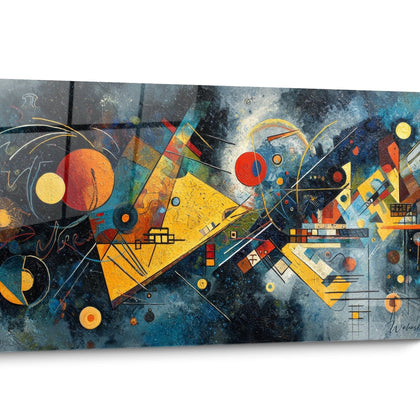 Abstract Wall Art2686
artworks
Abstract Wall Art2686
artworks
-
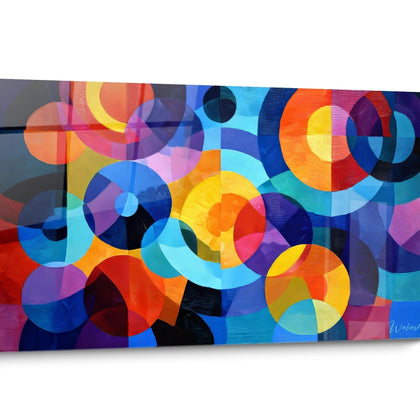 Abstract Geometric Wall Art24
artworks
Abstract Geometric Wall Art24
artworks
-
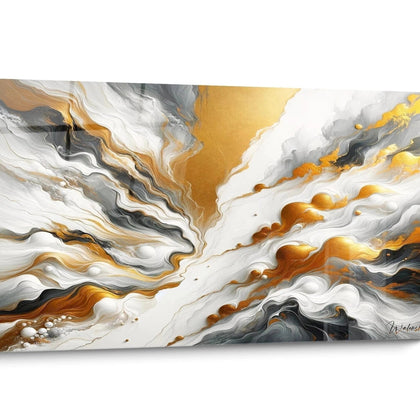 Fluid Abstract Wall Art19
artworks
Fluid Abstract Wall Art19
artworks
-
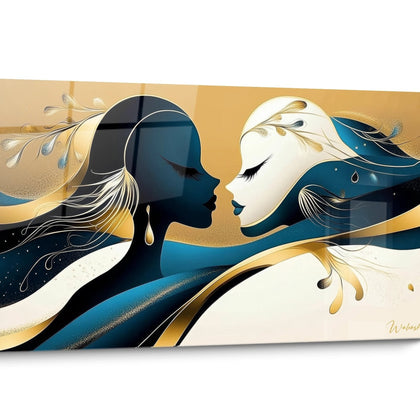 Golden Abstract Wall Art24
artworks
Golden Abstract Wall Art24
artworks
-
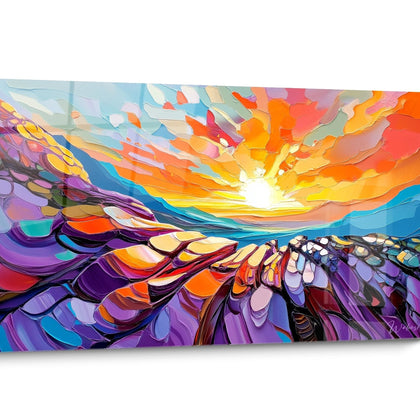 Abstract Expressionist Painting17
artworks
Abstract Expressionist Painting17
artworks
-
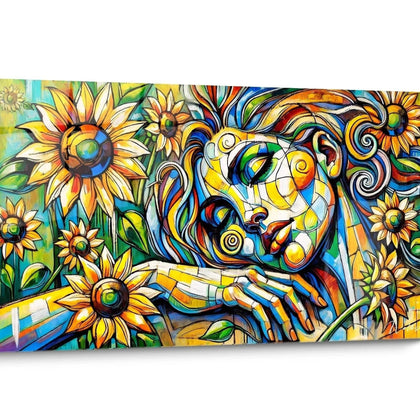 Abstract Face Wall Art15
artworks
Abstract Face Wall Art15
artworks
-
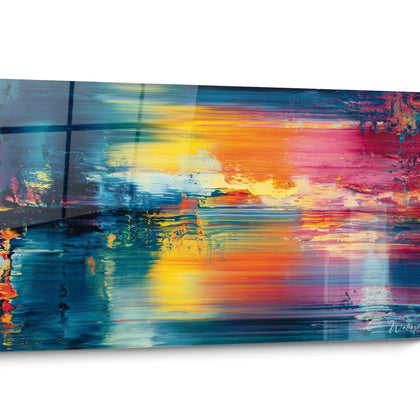 Colorful Abstract Painting24
artworks
Colorful Abstract Painting24
artworks
-
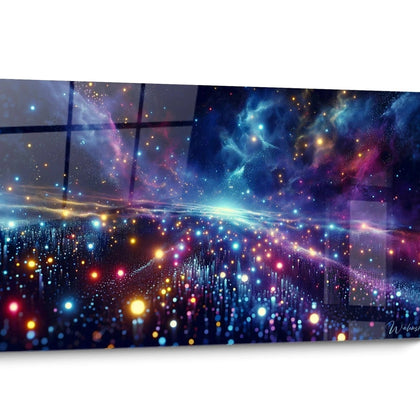 Blue Abstract Wall Art24
artworks
Blue Abstract Wall Art24
artworks
-
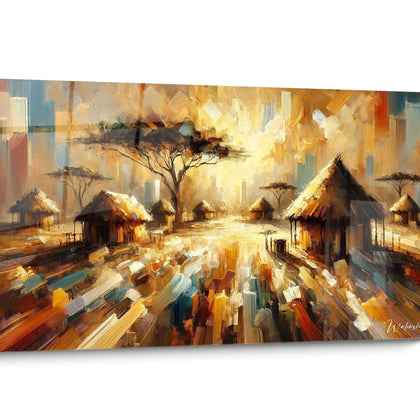 Abstract Orange Canvas23
artworks
Abstract Orange Canvas23
artworks
-
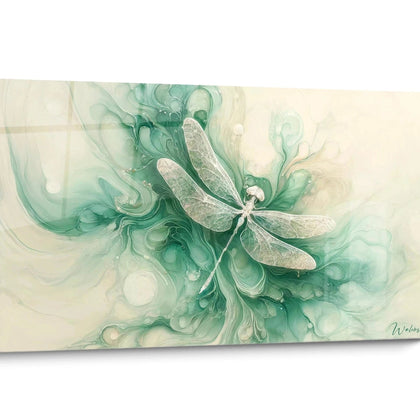 Abstract Spiral Wall Art7
artworks
Abstract Spiral Wall Art7
artworks
-
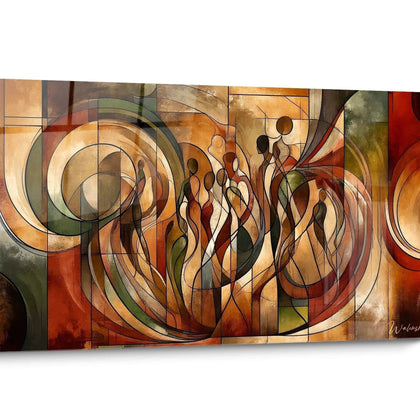 Abstract Dancer Wall Art9
artworks
Abstract Dancer Wall Art9
artworks
-
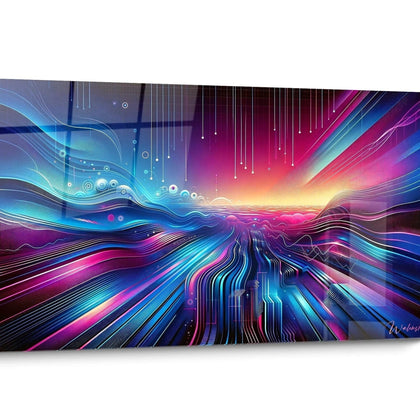 Futuristic Abstract Wall Art12
artworks
Futuristic Abstract Wall Art12
artworks
-
 Abstract Landscape Painting7
artworks
Abstract Landscape Painting7
artworks
-
 Abstract Cosmos Wall Art10
artworks
Abstract Cosmos Wall Art10
artworks
-
 Abstract Ocean Canvas9
artworks
Abstract Ocean Canvas9
artworks
-
 Abstract Crystal Wall Art7
artworks
Abstract Crystal Wall Art7
artworks
-
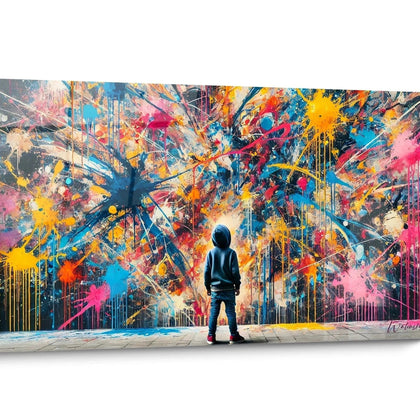 Abstract Painting Wall Art8
artworks
Abstract Painting Wall Art8
artworks
-
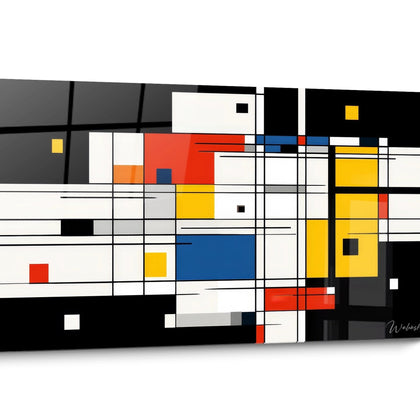 Abstract Mondrian Painting6
artworks
Abstract Mondrian Painting6
artworks
-
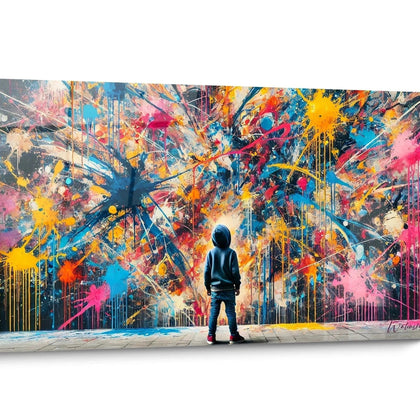 Abstract Pop Art Canvas5
artworks
Abstract Pop Art Canvas5
artworks
-
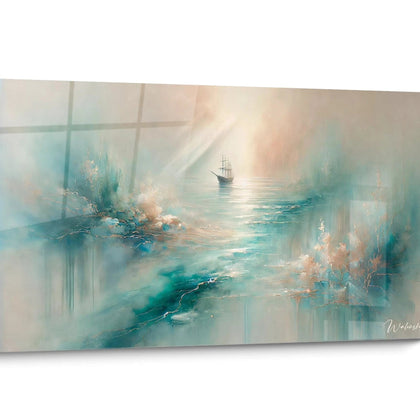 Abstract Boat Painting5
artworks
Abstract Boat Painting5
artworks
All about Abstract Calligraphy Wall Art
- Abstract Calligraphy Wall Art Presentation
- Artistic Gesture
- Scriptural Symbolism
- Space Integration
An abstract calligraphy wall art transcends the boundaries between ancestral scriptural art and contemporary expression. These monumental compositions transform the calligraphic gesture into a visual explosion where strokes emancipate themselves from their linguistic function to create powerful graphic architectures. Each movement captured on these generous formats reveals raw energy, a frozen choreography that dialogues with the surrounding architectural space. Acquiring such an artwork represents far more than a simple decorative addition: it is the introduction of a meditative and dynamic presence that redefines the proportions of a living or professional space.
The Power of Monumental Calligraphic Gesture
The abstract calligraphy wall art captures the very essence of scriptural movement in imposing dimensions that magnify every gestural nuance. On these extended surfaces, the trace becomes spatial architecture, creating visual tensions comparable to compositions found in a abstract boat wall art where lines evoke rigging and cordage. Large-format abstract calligraphy reveals the breath of gesture, variations in pressure and accelerations of the stroke that remain invisible on traditional supports.
How does calligraphic spontaneity transform an architectural space?
The impact of monumental abstract calligraphy rests on its gestural authenticity. Unlike mechanical reproductions, these creations preserve the organic irregularities of the trace: controlled splatters, opacity variations, accidental superimpositions that generate narrative depth. These calculated imperfections create a visual rhythm that naturally guides the eye along non-linear paths, similar to traditional Oriental compositions but freed from any semantic constraint.
The influence of Oriental calligraphic schools on contemporary abstraction
Generous formats allow exploration of the heritage of Japanese Shodō and Chinese calligraphy where black ink interacts with white void according to principles of asymmetrical balance. A contemporary abstract calligraphy wall art transposes these spatial philosophies into modern Western contexts, creating sophisticated cultural bridges. Compositions can integrate references to cursive styles such as Japanese Sōsho, with its fluid and interconnected strokes, or Chinese Caoshu style recognizable by its quasi-illegible forms privileging pure emotion.
Energetic dynamics and visual circulation
The disposition of calligraphic elements on a large format generates directional vectors that subtly influence the spatial perception of a room. Ascending strokes create a sensation of elevation particularly suited to spaces with high ceilings, while horizontal compositions visually widen hallways or restricted spaces. This gestural directionality functions as an emotional cartography that can soothe or energize depending on compositional intent, offering aesthetic solutions for demanding professional environments such as law offices or corporate management suites.
Symbolism and Cultural Resonance of Abstract Calligraphy
Beyond its immediate visual impact, the abstract calligraphy wall art conveys a symbolic depth that considerably enriches its decorative potential. These abstract scriptural compositions function as cultural palimpsests where historical references and contemporary formal innovations overlap. The absence of literal readability paradoxically liberates a universal semantic dimension, accessible intuitively without requiring specific linguistic knowledge.
What universal visual codes do abstract calligraphic compositions transmit?
Recurring elements such as vertical strokes universally evoke stability and grounding, while fluid curves suggest movement and transformation. A modern abstract calligraphy wall art precisely plays on these visual archetypes to create non-verbal narratives. The contrasts between densely saturated zones and blank spaces reproduce the fundamental principle of Japanese Ma, that notion of meaningful interval that structures Oriental aesthetic experience.
Writing as pure graphic matter
Freed from its communicational function, calligraphy becomes visual tactile texture. Large formats amplify this transformation by revealing the materiality of the gesture itself: medium absorption by the support, saturation variations, transitions between stroke and dispersal. This material approach finds remarkable applications in contemporary minimalist interiors where each element must justify its presence through maximum expressive density. Collectors particularly seek these pieces for their ability to introduce visual complexity without formal clutter.
Temporal stratification and multiple readings
A quality abstract calligraphy wall art progressively reveals its subtleties according to observation duration. First impressions give way to successive discoveries: discrete chromatic relationships, formal echoes between distant sections, constructive tensions between stability and imbalance. This interpretive richness transforms the artwork into an evolving companion whose perception renews itself according to lighting conditions, viewing angles and the observer's frame of mind, fully justifying the investment in these monumental formats.
Is an abstract calligraphy wall art suitable for demanding professional spaces?
Absolutely. The cultural sophistication and non-aggressive presence of these compositions make them privileged choices for high-end corporate environments, specialized medical offices or reception spaces requiring an atmosphere simultaneously soothing and intellectually stimulating.
Spatial Integration and Architectural Dialogue
Installing a monumental abstract calligraphy wall art constitutes an architectural decision as much as a decorative one. These large-format works redefine the proportions of a space and create visual anchoring points that structure spatial experience. Their presence subtly modifies perceived acoustics and the circulation of views in a room, functioning as permeable visual partitions that delimit without enclosing.
What spatial configurations maximize the value of monumental abstract calligraphy?
Long continuous walls offer the ideal context for fully deploying the compositional dynamics of these artworks. Double-height spaces particularly benefit from vertical compositions that establish dialogue with the architecture itself. In industrial lofts, the contrast between the organic fluidity of the calligraphic gesture and the rigidity of metal or concrete structures generates a particularly sought-after aesthetic tension. Professional entry halls use these pieces as immediate declarations of cultural intention.
Chromatic and contextual material associations
An abstract calligraphy wall art in black and white finds its natural place in contemporary monochromatic environments, but also reveals its power in colorful contexts where it functions as a graphic counterpoint. Variations including touches of vermillion red, gold or indigo blue allow sophisticated harmonies with furnishings in precious wood, patinated leathers or natural textiles. Association with mineral elements such as marble or slate creates material dialogues that reinforce the monumental presence of the artwork.
How does an abstract calligraphy wall art influence volume perception?
The directionality of calligraphic strokes acts as a system of vectors that can visually enlarge, reduce or recenter a space. Horizontal compositions widen lateral perspectives, particularly effective in hallways or narrow rooms. Vertical arrangements draw the eye upward, ideal for compensating for low ceilings or showcasing exceptional ceiling heights. Circular or spiral compositions create convergence points that centralize attention, functioning remarkably in meditation spaces or waiting areas requiring a soothing atmosphere.
Specific lighting considerations for abstract calligraphies
Contrary to popular belief, these works do not require dramatic directional lighting but benefit from diffuse light that reveals the subtle nuances of the gesture without creating reflections. Environments with indirect natural light offer ideal conditions where the artwork transforms throughout the day. For windowless spaces, ambient general lighting supplemented by soft accent lighting at 30° allows preservation of tonal variation readability while avoiding visual fatigue.
Can multiple abstract calligraphy wall artworks be associated in the same space?
Yes, but with caution. Monumental formats already possess strong individual presence. A successful association requires either a series designed as coherent triptych, or an asymmetrical disposition respecting generous intervals allowing each piece to breathe visually without competition.
What optimal viewing distance for a large-format abstract calligraphy wall art?
The ideal distance corresponds approximately to 1.5 times the diagonal of the artwork. This distance allows simultaneous apprehension of overall composition and gestural details. Formats exceeding 150 cm require a minimum of 3 meters of clearance for complete visual experience, a determining criterion when selecting.
Do abstract calligraphy wall artworks retain their impact in colorful interiors?
Their effectiveness rests precisely on contrast. In a colorful environment, the monochromatic graphics of abstract calligraphy create a sophisticated visual resting point that structures the entire chromatic ensemble rather than blending into it, offering a stable visual anchor amid chromatic diversity.


