


Fluid Abstract Wall Art
The Abstract Fluid Painting captures the essence of organic movement and artistic fluidity. This collection celebrates abstract forms in motion where colors blend in a harmonious and captivating dance. Perfect for enhancing your living room, bedroom, or office, each creation evokes the visual poetry of natural flows. The fluid abstract compositions bring sophistication and serenity to your living spaces, creating a unique contemporary atmosphere.
 Precious Halos Artwork - Signature Edition273,90 €
 Echoes of Ancient Rocks Wall Art - Abstract Edition273,90 €
 Fluid Golden Trees Abstract Painting - Abstract Edition273,90 €
 Enchanted Cosmos Abstract Wall Art - Exclusive Edition273,90 €
 Golden Liquid Flow Painting - Abstract Fusion - Modern Abstract Edition228,90 €
 Ocean Dunes Blue Wall Art - textured abstract edition242,90 €
 Warm Currents Orange Painting - Textured Abstract Edition242,90 €
 Vaporous Caress Rose Painting - Abstract Textured Edition242,90 €
 Stellar Current Canvas - Modern Abstract Edition228,90 €
 Emerald Currents Canvas - Modern Abstract Edition228,90 €
 Sensual Magenta Mist Canvas - Modern Abstract Edition242,90 €
 Atlas of the Depths Canvas - Abstract Relief Edition273,90 €
 Golden Crest and Foam Painting - Abstract Edition273,90 €
 Colorful Currents Wall Art - Abstract Edition273,90 €
 Water Ballet Nuances Abstract Wall Art - Limited Edition273,90 €
 Cosmic Viscosity Wall Art - Multicolor Abstract Edition273,90 €
 Golden Crests Artwork - Abstract Edition273,90 €
 Marbled Radiance Canvas - Abstract Edition273,90 €
 Golden Splendor on Silk Abstract Wall Art - Premium Edition273,90 €
Explore further
In Fluid Abstract Wall Art
-
 Abstract Wall Art4182
artworks
Abstract Wall Art4182
artworks
-
 Abstract Geometric Wall Art24
artworks
Abstract Geometric Wall Art24
artworks
-
 Golden Abstract Wall Art24
artworks
Golden Abstract Wall Art24
artworks
-
 Abstract Expressionist Painting17
artworks
Abstract Expressionist Painting17
artworks
-
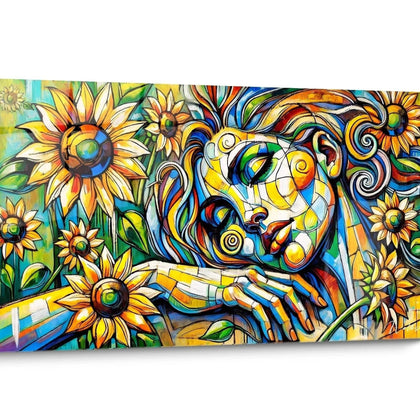 Abstract Face Wall Art15
artworks
Abstract Face Wall Art15
artworks
-
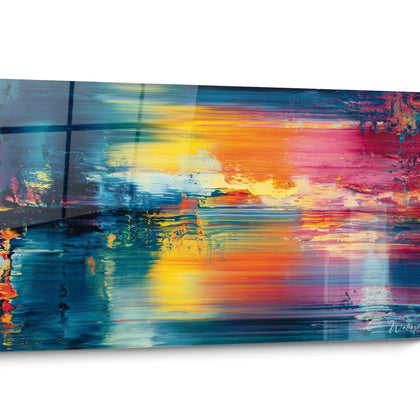 Colorful Abstract Painting24
artworks
Colorful Abstract Painting24
artworks
-
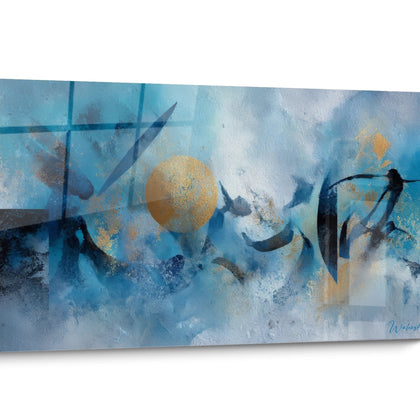 Abstract Calligraphy Wall Art17
artworks
Abstract Calligraphy Wall Art17
artworks
-
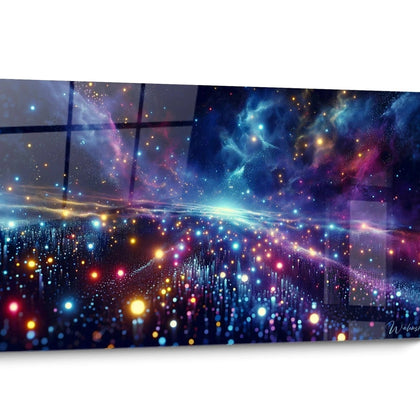 Blue Abstract Wall Art24
artworks
Blue Abstract Wall Art24
artworks
-
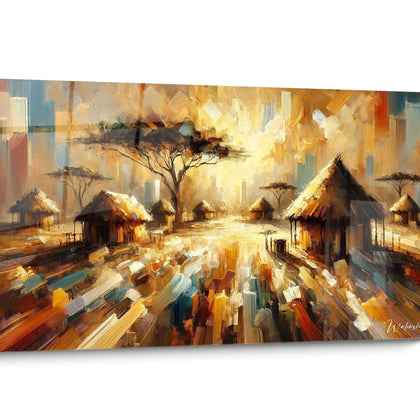 Abstract Orange Canvas23
artworks
Abstract Orange Canvas23
artworks
-
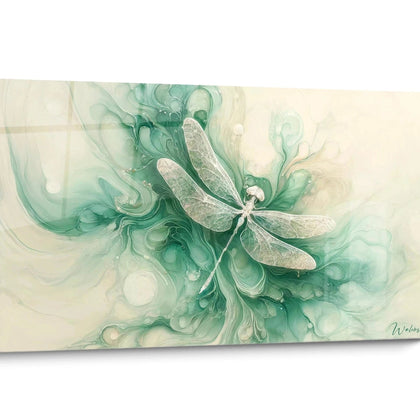 Abstract Spiral Wall Art7
artworks
Abstract Spiral Wall Art7
artworks
-
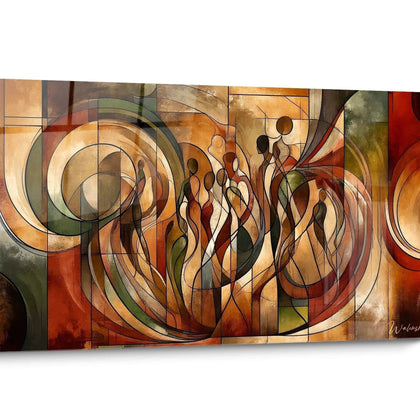 Abstract Dancer Wall Art9
artworks
Abstract Dancer Wall Art9
artworks
-
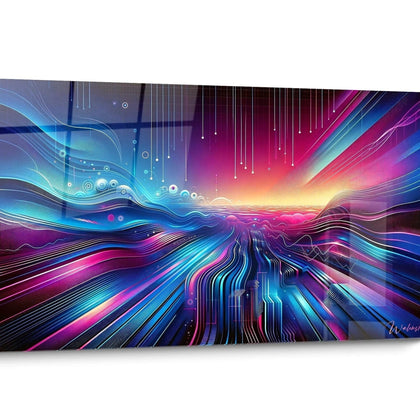 Futuristic Abstract Wall Art12
artworks
Futuristic Abstract Wall Art12
artworks
-
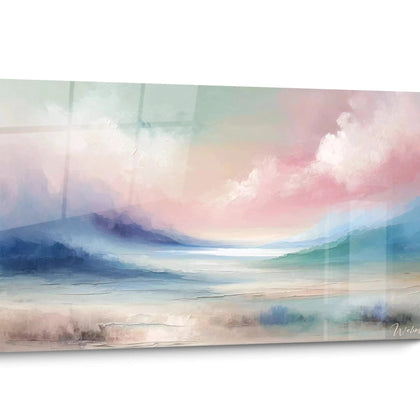 Abstract Landscape Painting7
artworks
Abstract Landscape Painting7
artworks
-
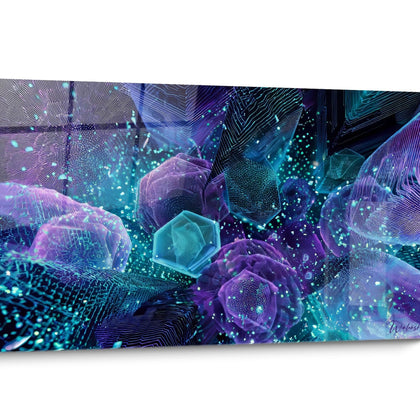 Abstract Cosmos Wall Art10
artworks
Abstract Cosmos Wall Art10
artworks
-
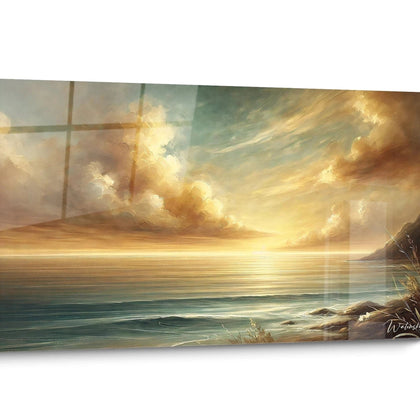 Abstract Ocean Canvas9
artworks
Abstract Ocean Canvas9
artworks
-
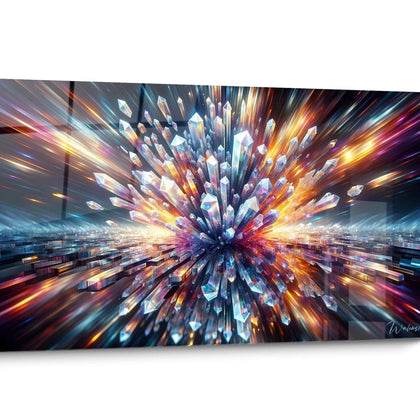 Abstract Crystal Wall Art7
artworks
Abstract Crystal Wall Art7
artworks
-
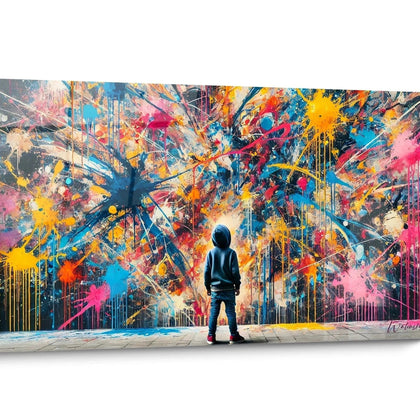 Abstract Painting Wall Art8
artworks
Abstract Painting Wall Art8
artworks
-
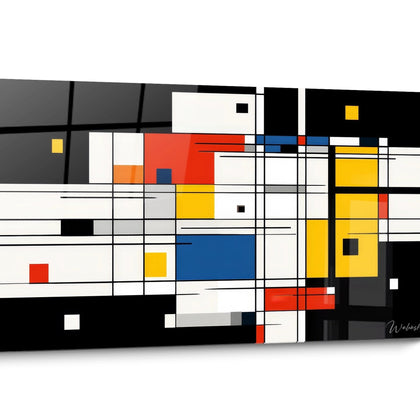 Abstract Mondrian Painting6
artworks
Abstract Mondrian Painting6
artworks
-
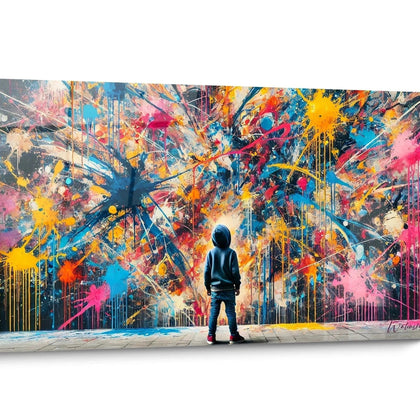 Abstract Pop Art Canvas5
artworks
Abstract Pop Art Canvas5
artworks
-
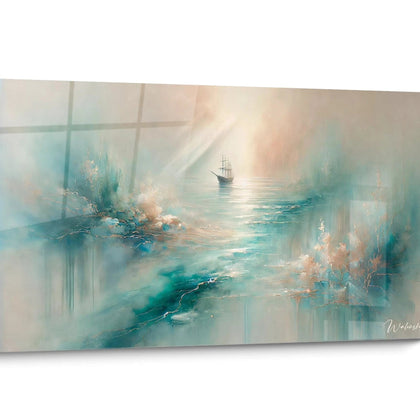 Abstract Boat Painting5
artworks
Abstract Boat Painting5
artworks
All about Fluid Abstract Wall Art
- Fluid Abstract Wall Art Presentation
- Visual Dynamics
- Spatial Perception
- Architectural Integration
The fluid abstract wall art embodies an aesthetic revolution in contemporary mural art, capturing the very essence of perpetual motion through organic and hypnotic compositions. These monumental creations radically transform the spatial perception of residential and professional environments, offering a continuously renewed visual experience according to viewing angle and ambient light intensity. Investing in a fluid abstract artwork responds to a quest for decorative authenticity for discerning collectors wishing to mark their interior with a distinctive and evolving visual signature.
The Chromatic Kinetics of Fluid Compositions
The visual architecture of a fluid abstract wall art rests on gradual chromatic transitions that generate a sensation of organic movement instantly capturing the eye. Color flows, gradients and pigmentary overlays create visual corridors where the eye travels without interruption, exploring every corner of the pictorial surface with renewed fascination. This perceptual dynamic transforms a static wall into a living interface, particularly valuable in reception spaces where immediate visual impact conditions the overall atmosphere.
How do chromatic flows modify the temporal perception of a space?
Fluid compositions generate a fascinating temporal distortion: the complexity of colored interlacing cognitively slows perceived passage of time. In a contemporary living room or professional waiting area, this characteristic transforms waiting into active contemplation. Large dimensions amplify this hypnotic effect, creating zones of visual absorption where the eye willingly loses itself in pigmentary meanders. Discerning collectors specifically seek this ability to subjectively dilate spatial experience without resorting to costly architectural modifications.
Decorative synergies with curved architectural elements
The integration of an abstract fluid artwork reaches its apex when it dialogues with architectural curves: helical staircases, vaults, rounded alcoves or organic furniture. This formal resonance amplifies the effect of spatial continuity, as if the pictorial flows overflowed the frame to irrigate the entire inhabited volume. Interior architects favor these associations to create fluid visual journeys between different functional zones. In upscale commercial spaces, this compositional strategy transforms a simple corridor into a memorable experiential gallery, significantly reinforcing brand identity.
Perceptual evolution according to natural light cycles
A distinctive advantage of the large-scale fluid abstract artwork lies in its chromatic metamorphosis under the influence of diurnal and seasonal light variations. Translucent glazes and stratified impastos react differently to glancing morning rays versus zenith midday light. This visual volatility guarantees constant renewal of the decorative experience, fully justifying the investment for collectors seeking an evolving artwork rather than a fixed image. Spaces benefiting from multiple natural light sources progressively reveal the unsuspected depths of these stratified compositions.
Volumetric Redefinition through Organic Abstraction
The strategic installation of a fluid abstract wall art literally reprograms the perceived geometry of an environment, particularly in constrained or disproportionate volumes. The directional flows contained in these compositions act as visual vectors mentally restructuring space: an ascending color cascade optically elevates a low ceiling, while a pigmentary fall vertically anchors an overly horizontal volume. This perceptual engineering proves particularly valuable in renovations where structural constraints limit heavy architectural interventions.
Which spatial configurations benefit most from fluid abstract panoramic formats?
Long spaces – widened corridors, mezzanines, segmented open-plans – find in the panoramic abstract fluid artwork an exceptional structuring ally. The horizontal deployment of chromatic flows naturally accompanies circulation, transforming functional passage into immersive experience. Industrial lofts with their oversized blind walls masterfully exploit these extended formats to humanize initially inhospitable volumes. The amplifying effect also works in compact spaces where a panoramic fluid format generates illusory depth, visually pushing back constraining physical limits.
Visual counterpoints in rigorous minimalist environments
In spare interiors dominated by orthogonal lines and uniform surfaces, the introduction of a fluid abstract artwork functions as an essential emotional catalyst. This controlled injection of organicity prevents clinical coldness while preserving overall compositional rigor. Architects specializing in minimalist design systematically integrate these works as the sole authorized expressive elements, concentrating all emotional charge on this unique focal point. For buyers of new apartments with standardized finishes, this strategy offers radical personalization without compromising overall aesthetic coherence, particularly combined with abstract marine artworks in adjacent zones.
Functional zoning through chromatic differentiation
Large fluid compositions facilitate subtle zoning of multifunctional spaces without resorting to physical separations. An artwork featuring warm, dynamic tones naturally delimits a convivial zone, while a cool, soothing palette signals a concentration space. This intuitive color semiotics unconsciously guides behaviors without explicit directives. In collaborative offices or multigenerational residences, this approach preserves spatial fluidity while clearly structuring distinct uses, meeting contemporary requirements for maximum functional flexibility.
Harmonization with Contemporary Materialities
The fluid abstract wall art establishes particularly fruitful material dialogues with the reflective and textured surfaces characteristic of contemporary architecture. Facing brushed metal, polished concrete or epoxy resin surfaces, organic flows bring visual suppleness compensating for the intrinsic hardness of these industrial materials. This tactile complementarity – even purely visual – considerably humanizes technical or mineral environments, creating a sophisticated sensory balance appreciated in upscale interiors seeking authenticity and refinement simultaneously.
Which professional environments derive the greatest benefit from monumental fluid abstractions?
Creative, technological and strategic consulting sectors massively adopt large-scale fluid abstract artworks for their reception spaces and meeting rooms. These works instantly communicate values of dynamism, adaptability and unconventional thinking – crucial attributes in innovative sectors. The investment is justified doubly: memorable impact on visitors and clients, cognitive stimulation for internal teams daily exposed to these energizing compositions. Architecture and design firms particularly exploit these installations as visual manifestos of their creative philosophy, transforming their premises into immersive three-dimensional portfolios.
Chromatic resistance in spaces with strong light exposure
Contrary to common assumptions, museum-quality abstract fluid compositions resist intense light conditions remarkably well thanks to contemporary photostable pigments. This chromatic durability proves decisive for generous bay windows, sunrooms or tropical spaces where sustained sunlight would rapidly degrade conventional artworks. Buyers of premium real estate with monumental glazing can thus invest confidently in these masterpieces without fearing premature aesthetic obsolescence, guaranteeing the longevity of their decorative investment over time.
Complementarity with structured plant installations
The association of fluid abstract artwork and structured interior vegetation generates exceptional visual synergies. Organic pictorial flows naturally dialogue with ascending lines of architectural plants – cylindrical Sansevierias, Ficus lyrata, Strelitzias – creating organic continuity between the plant kingdom and artistic expression. This amplified biophilic strategy responds to contemporary aspirations for natural reconnection while maintaining affirmed urban sophistication. Eco-responsible commercial spaces masterfully exploit this alliance to materially visualize their environmental commitments without resorting to intrusive didactic communication.
Is a fluid abstract artwork suitable for renovated classic interiors?
Absolutely, inserting a fluid abstract artwork into a renovated classic architectural setting creates a fascinating temporal contrast simultaneously valorizing heritage and modernity. This audacious juxtaposition avoids the static museum effect while respecting the historical integrity of volumes. Period moldings, antique flooring and fireplaces gain presence when dialoguing with contemporary organic abstraction, generating a sophisticated creative tension prized by collectors of characterful properties wishing to actually inhabit their heritage rather than sanctify it.
What minimum depth does installing a monumental fluid abstract artwork require?
Large-scale fluid compositions ideally require a minimum viewing distance of 2.5 to 3.5 meters to fully appreciate their chromatic choreography. This distance allows retinal integration of complex flows into a coherent experience rather than isolated visual fragments. Generous spaces – double heights, cathedral living rooms, monumental entrance halls – thus constitute optimal ecosystems for these expansive works requiring spatial breathing proportionate to their compositional ambitions.
How does a fluid abstract artwork influence the perceived acoustics of a space?
Though visual, these compositions paradoxically generate an impression of acoustic softening through their rounded organic flows, contrasting with the sonic dryness of minimalist volumes. This subtle synesthesia improves perceived psychoacoustic comfort, particularly valuable in reverberant interiors with predominant hard surfaces. Premium tertiary space designers strategically combine discreet technical acoustic treatments and abstract fluid artworks to simultaneously optimize objective performance and subjective perception of ambient sound comfort.


