


Abstract Expressionist Painting
Our Abstract Expressionist Painting collection captures the raw essence of emotion and artistic movement. These works embody the power of current abstract expressionism, blending spontaneous gestures, bold colors, and dynamic compositions. Each creation reveals a unique visual intensity, ideal for transforming your interiors into true contemporary art galleries. Explore our selection of abstract expressionist modern art and be carried away by the evocative force of these paintings that dialogue with the soul.
 Vivid abstract colors painting - Chromatic explosion - abstract painting style edition273,90 €
 Sunset Painting - Color Explosion - Abstract Paint Style Edition273,90 €
 Cyclone Melancholy Amber Wall Art - Abstract Expressionist Edition228,90 €
 Intense Upheaval Red Canvas - Abstract Expressionist Edition228,90 €
 Copper Grain Cyclone Painting - abstract expressionist edition228,90 €
 Red Marine Apocalypse Canvas - Abstract Expressionist Edition228,90 €
 Tumultuous Dawn Amber Wall Art - Abstract Expressionist Edition273,90 €
 Moving Skies Turquoise Wall Art - Abstract Expressionist Edition273,90 €
 Contemplative Ivory Dunes Canvas - Abstract Expressionist Edition242,90 €
 Wild Ardent Unleashed Wall Art - Abstract Expressionist Edition242,90 €
 Wild Silver Foam Artwork - Abstract Expressionist Edition242,90 €
 Structured Disorder Abstract Painting - Abstract Edition273,90 €
 Organized Chaos Wall Art - Abstract Expressionism Edition273,90 €
 Mists in the Storm Wall Art - Abstract Expressionism Edition273,90 €
 Echo of the Winds Canvas - Abstract Edition273,90 €
 Convergence Astrale Painting - Abstract Expressionism Edition273,90 €
 Clarity at the Horizon Wall Art - Abstract Expressionism Edition273,90 €
Explore further
In Abstract Expressionist Painting
-
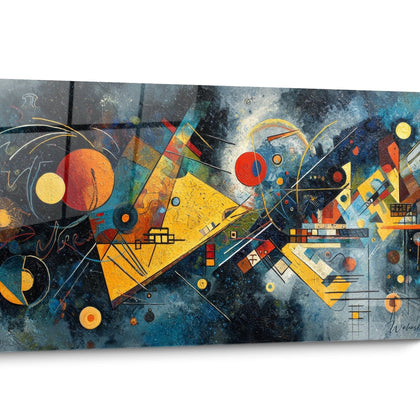 Abstract Wall Art4182
artworks
Abstract Wall Art4182
artworks
-
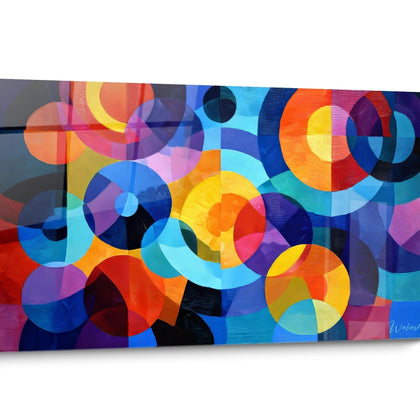 Abstract Geometric Wall Art24
artworks
Abstract Geometric Wall Art24
artworks
-
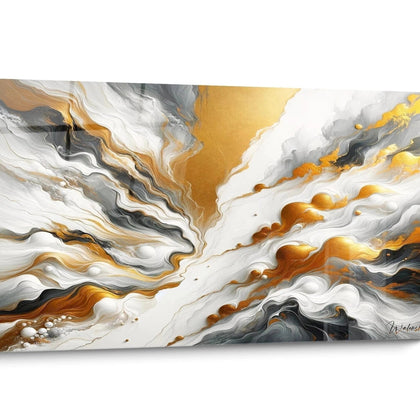 Fluid Abstract Wall Art19
artworks
Fluid Abstract Wall Art19
artworks
-
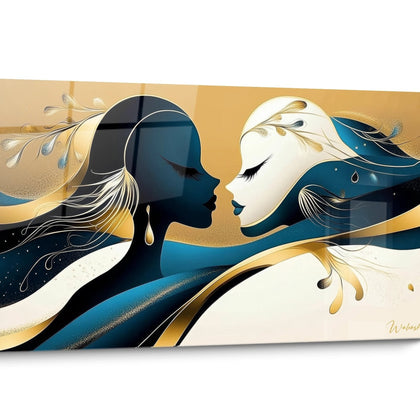 Golden Abstract Wall Art24
artworks
Golden Abstract Wall Art24
artworks
-
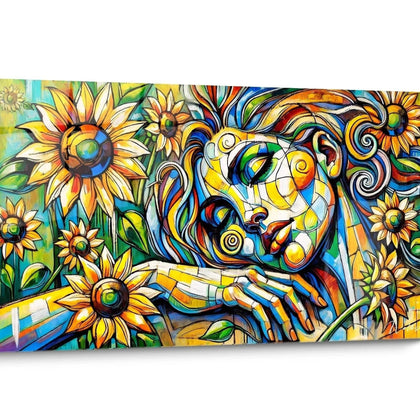 Abstract Face Wall Art15
artworks
Abstract Face Wall Art15
artworks
-
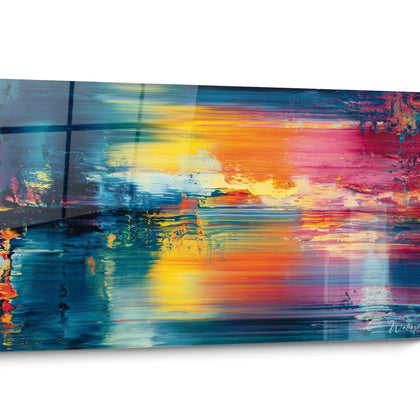 Colorful Abstract Painting24
artworks
Colorful Abstract Painting24
artworks
-
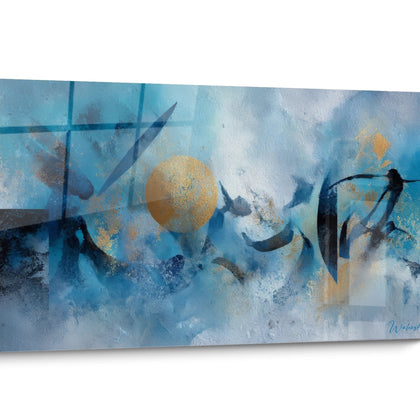 Abstract Calligraphy Wall Art17
artworks
Abstract Calligraphy Wall Art17
artworks
-
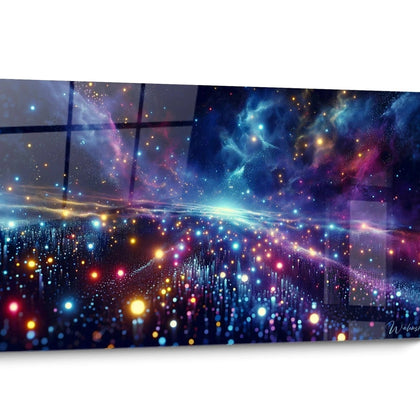 Blue Abstract Wall Art24
artworks
Blue Abstract Wall Art24
artworks
-
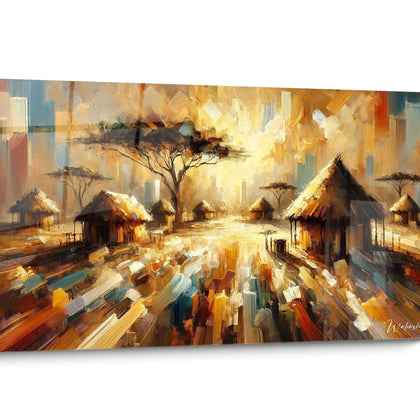 Abstract Orange Canvas23
artworks
Abstract Orange Canvas23
artworks
-
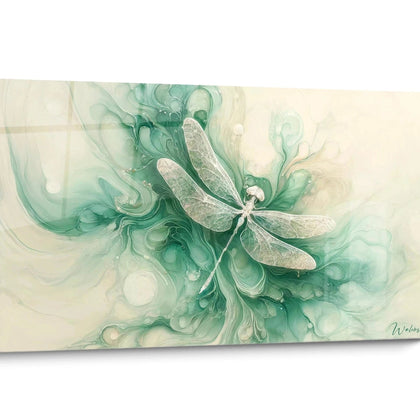 Abstract Spiral Wall Art7
artworks
Abstract Spiral Wall Art7
artworks
-
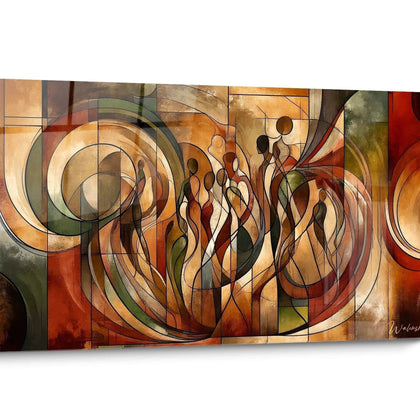 Abstract Dancer Wall Art9
artworks
Abstract Dancer Wall Art9
artworks
-
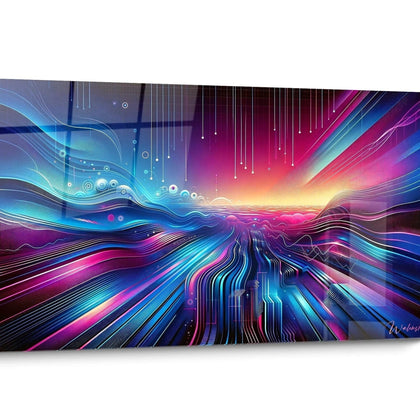 Futuristic Abstract Wall Art12
artworks
Futuristic Abstract Wall Art12
artworks
-
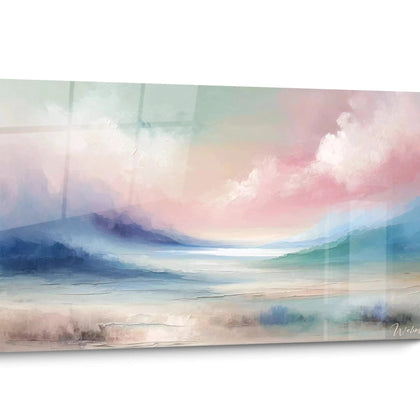 Abstract Landscape Painting7
artworks
Abstract Landscape Painting7
artworks
-
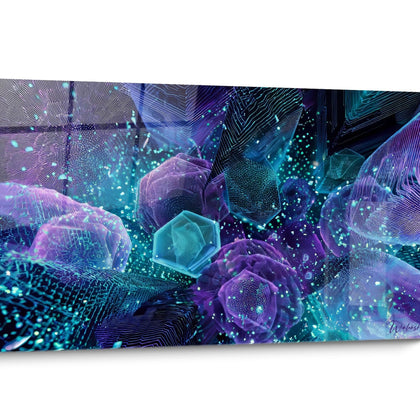 Abstract Cosmos Wall Art10
artworks
Abstract Cosmos Wall Art10
artworks
-
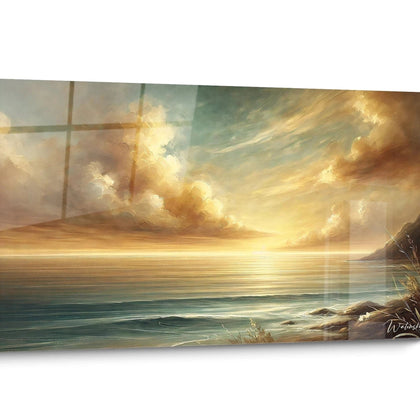 Abstract Ocean Canvas9
artworks
Abstract Ocean Canvas9
artworks
-
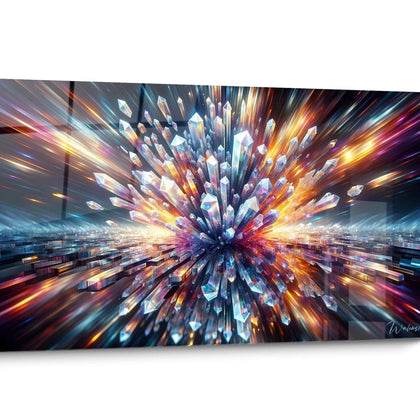 Abstract Crystal Wall Art7
artworks
Abstract Crystal Wall Art7
artworks
-
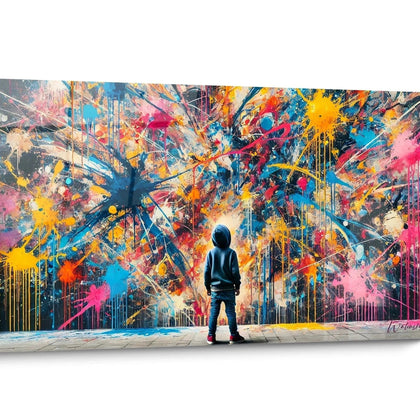 Abstract Painting Wall Art8
artworks
Abstract Painting Wall Art8
artworks
-
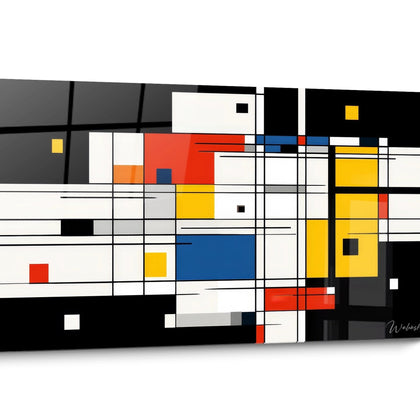 Abstract Mondrian Painting6
artworks
Abstract Mondrian Painting6
artworks
-
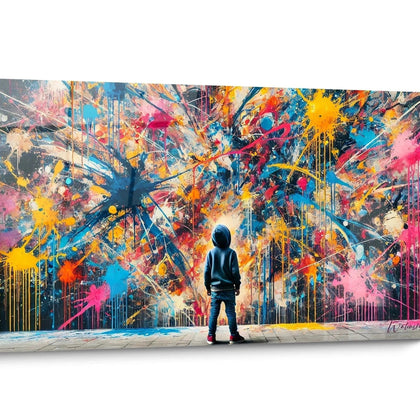 Abstract Pop Art Canvas5
artworks
Abstract Pop Art Canvas5
artworks
-
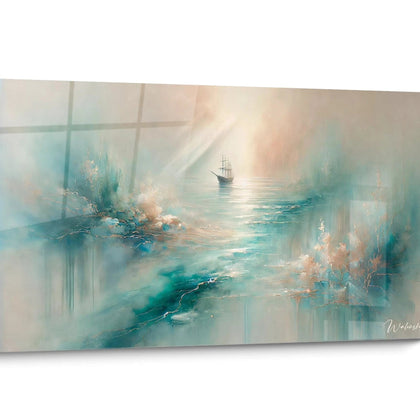 Abstract Boat Painting5
artworks
Abstract Boat Painting5
artworks
All about Abstract Expressionist Painting
- Presentation Abstract Expressionist Painting
- Emotional Power and Painterly Gestures
- Raw Color and Visual Impact
- Integration into Contemporary Space
An abstract expressionist painting radically transforms the atmosphere of an interior by bringing a unique visceral and energetic dimension. This form of wall art draws on the revolutionary movement born in New York in the mid-20th century, where artists like Jackson Pollock and Willem de Kooning freed painting from all figurative constraints to express pure emotions through spontaneous gestures and bold compositions. Today, these monumental works seduce lovers of contemporary art who seek a visual presence capable of captivating the eye and stimulating reflection in modern living spaces.
The Expressive Power of Spontaneous Painterly Gesture
The very essence of an abstract expressionist painting lies in the trace of the artistic gesture captured on the surface. Unlike rigid geometric compositions, these creations reveal the intensity of the artist's bodily movement, where each projection, each flow of material translates an immediate emotional impulse. This gestural authenticity gives the work an organic presence that dialogues with the observer on an instinctive rather than intellectual level.
How to recognize the authenticity of an abstract expressionist composition?
True abstract expressionist creations are distinguished by a complex stratification where layers of pigments reveal exceptional tactile depth. Dynamic projections, scraping marks, and contrasting saturation zones testify to a creative process where controlled chance plays an essential role. Generous formats amplify this feeling of total immersion in the artist's emotional universe, creating a visual field that overflows the usual perceptual frame.
The psychological impact of unresolved visual tensions
These contemporary wall artworks generate a particular cognitive stimulation by keeping the eye in a state of permanent searching without a single focal point. This fundamental characteristic of the abstract expressionist painting creates a renewed contemplative experience with each observation, where chromatic tension zones and gestural contrasts reveal new readings progressively. For discerning collectors, this interpretative richness justifies the investment in imposing formats that strategically occupy the main walls of residential or professional spaces.
The relationship between monumental scale and energetic presence
Generous dimensions constitute a determining criterion for the effectiveness of an abstract expressionist painting. Large-format works reproduce the immersive experience originally sought by the pioneers of the movement, where the spectator does not contemplate the work from a distance but is literally enveloped by its energetic field. This spatial immersion transforms the act of looking into a physical experience where gestural projections seem to transcend the flat surface to invest the three-dimensional space.
Chromatic Saturation and Pigment Explosions
The palette of an abstract expressionist painting is characterized by bold color choices that reject all conventional harmonies in favor of color clashes that generate visual energy. Juxtapositions of saturated hues against neutral or dark zones create optical vibrations that keep the eye in constant motion, refusing any passive contemplative rest. This color strategy radically distinguishes these creations from geometric or minimalist abstract compositions.
Why do brutal contrasts amplify the emotional charge?
Violent chromatic contrasts in an abstract expressionist painting act as direct emotional catalysts, short-circuiting rational cognitive processes to achieve immediate affective resonance. Intense splashes of primary colors against tormented backgrounds evoke complex psychological states: anxiety, exuberance, melancholy, or revolt. This non-verbal communication explains why these works find their ideal place in environments where constant intellectual and sensory stimulation is sought.
The areas of superposition and their material depth
The construction by successive accumulation of pigment layers creates a unique visual topography where some areas seem to advance while others recede into an ambiguous space. This illusory depth without traditional perspective characterizes high-quality abstract expressionist paintings. Discerning collectors carefully examine these variations in material density which testify to an authentic creative process rather than a mechanical reproduction.
Perceptual evolution according to lighting conditions
A fascinating element of these wall compositions lies in their metamorphosis according to ambient lighting. Textured surfaces capture and reflect light differently throughout the day, revealing details invisible under certain conditions. This changing dimension transforms the abstract expressionist painting into a living work whose appearance evolves, justifying its placement in spaces benefiting from varied light sources that continually enrich the visual experience.
Anchoring in Contemporary Architectural Environments
Integrating an abstract expressionist painting into a modern interior requires a sophisticated spatial reflection that recognizes the visual power of these creations. Unlike conventional wall decorations that complement an arrangement, these works assert their presence as a structuring architectural element around which the rest of the space is organized. The open volumes of industrial lofts, raw concrete walls, or the vast white surfaces of residential galleries constitute ideal screens to fully deploy their impact.
Which spaces best enhance these expressive compositions?
Environments with clean lines and raw materials offer the optimal contrast for an abstract expressionist painting. Minimalist living rooms with designer furniture gain emotional warmth thanks to these gestural explosions, while executive offices adopt a stimulating creative dimension. Professional reception areas such as the halls of innovative companies use these monumental works to instantly communicate their culture of boldness and innovation. Generous ceiling height allows for respecting the necessary proportions for the full appreciation of these imposing formats.
Dialogue with other abstract artistic expressions
For collectors developing an artistic coherence in their spaces, an abstract expressionist painting can dialogue with other abstract forms with different registers. For example, the association with an abstract boat painting creates a fascinating conversation between pure gestural spontaneity and figurative stylization, enriching the overall visual experience. This juxtaposition allows to explore the multiple facets of contemporary abstraction while maintaining a strong aesthetic identity.
The heritage valuation of expressionist creations
Beyond their immediate decorative function, these artworks represent a significant cultural investment. The abstract expressionist movement has profoundly marked the history of modern art, and contemporary creations that perpetuate its spirit benefit from this historical legitimacy. Monumental formats particularly retain their value thanks to their irreplaceable visual impact and relative scarcity in the accessible wall art market.
Would an abstract expressionist painting suit intimate residential spaces?
Although traditionally associated with vast spaces, these paintings can perfectly integrate into medium-sized residential environments provided that adapted proportions are adopted. A generous but calculated format creates a dramatic focal point in a living room or master bedroom, transforming the space into a personal gallery without overwhelming it. The essential element is to respect a sufficient visual clearance allowing appreciation at different distances.
How to maintain the vividness of the colors in an abstract expressionist painting?
Optimal preservation requires vigilance regarding exposure to direct ultraviolet rays, which can gradually alter intense pigments. Strategic positioning avoiding direct sunlight in the middle of the day, combined with occasional delicate dusting, is generally sufficient to maintain the original brilliance. High-quality artworks use stable pigments that remarkably resist aging when these basic precautions are respected.
Can several abstract expressionist paintings be integrated into the same space?
The accumulation of several expressionist artworks requires advanced curatorial expertise to avoid visual saturation. An effective approach is to prioritize a monumental masterpiece complemented by satellite compositions of more modest dimensions in adjacent spaces, thus creating a coherent artistic journey. This strategy allows to develop a significant collection while preserving the individual impact of each creation.
Further reading
Our articles on this topic
- Museums and Exhibitions Dedicated to Red Abstract Art: A Journey into the Heart of Passion and Emotion
- Secrets of a Modern Abstract Painting on Large Canvas
- Dive into the World of Abstract Art: An Emotional Exploration
- Abstract painting gift idea: which art movement to choose based on the art lover's personality
- Abstract Art: Get Inspired with These Innovative Ideas
- Abstract Art and the Unconscious: The Secret Language of Non-Figurative Paintings
L'art qui suscite l'envie
Maison belge d'art mural grand format
14 jourspour changer d'avis*
Protection Walenskyincluse
Fabriquéen Italie
FormatXXL
Kit de fixationtoujours fourni
* Hors tableaux personnalisés et tailles personnalisées


