





Floral Wall Art for Medical Clinics
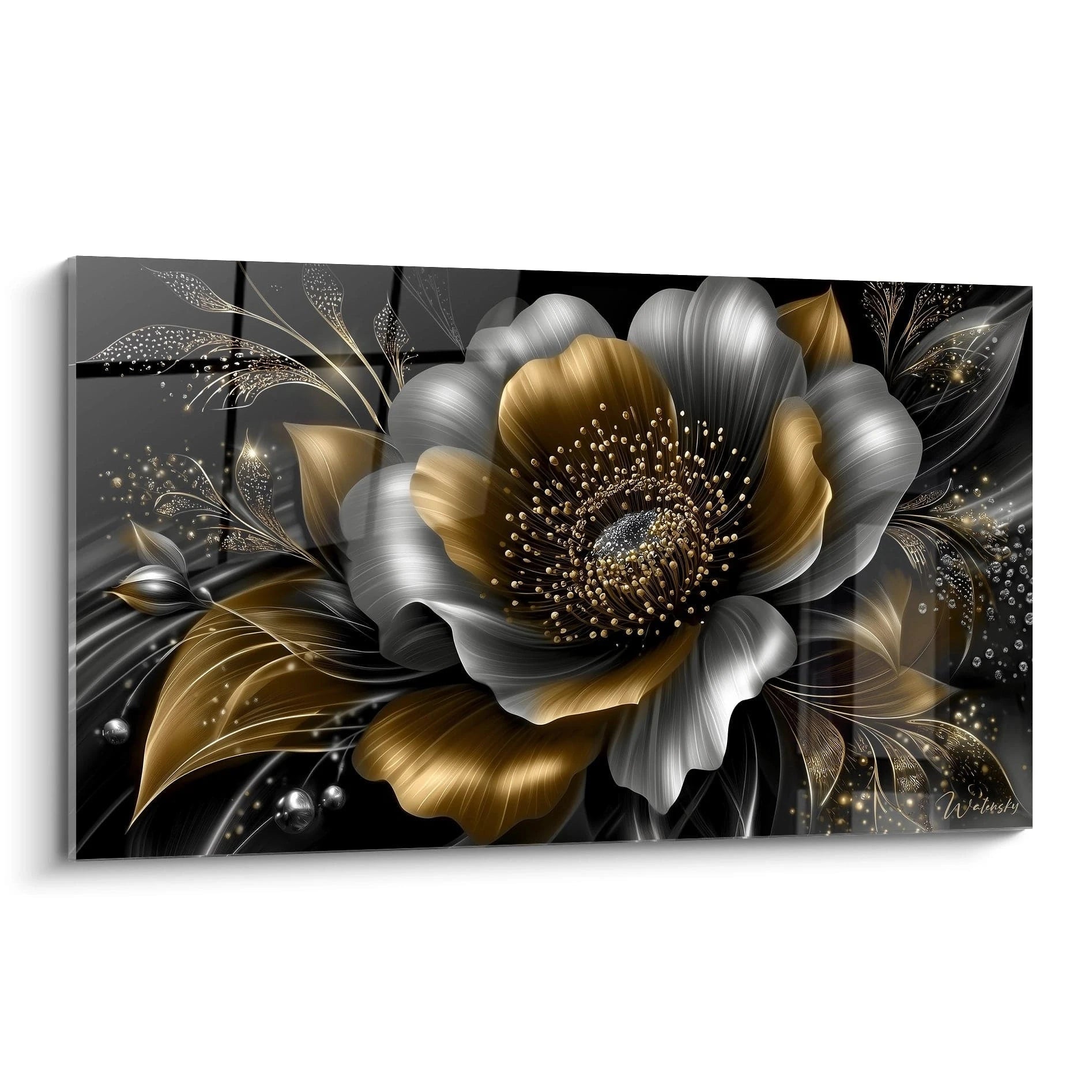
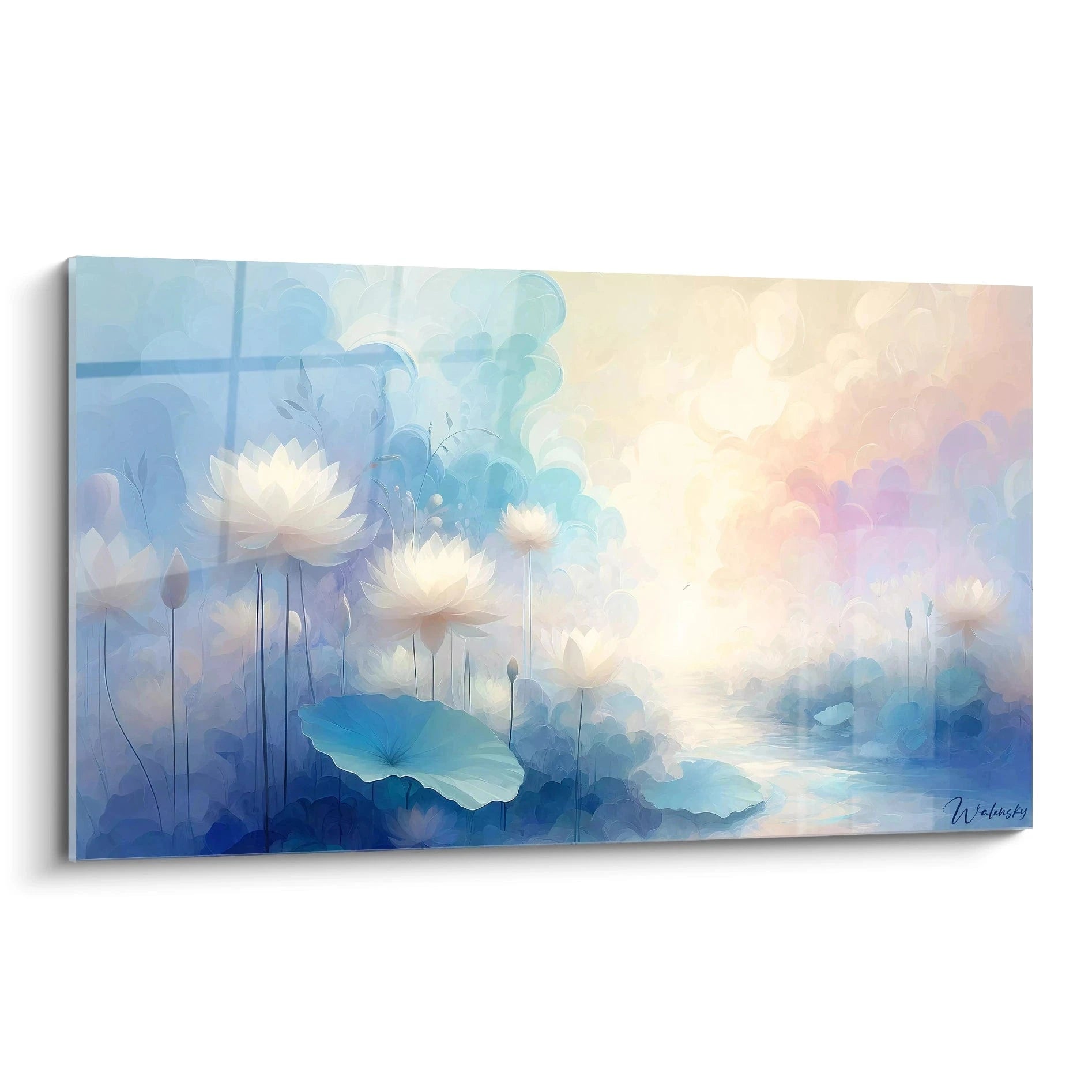
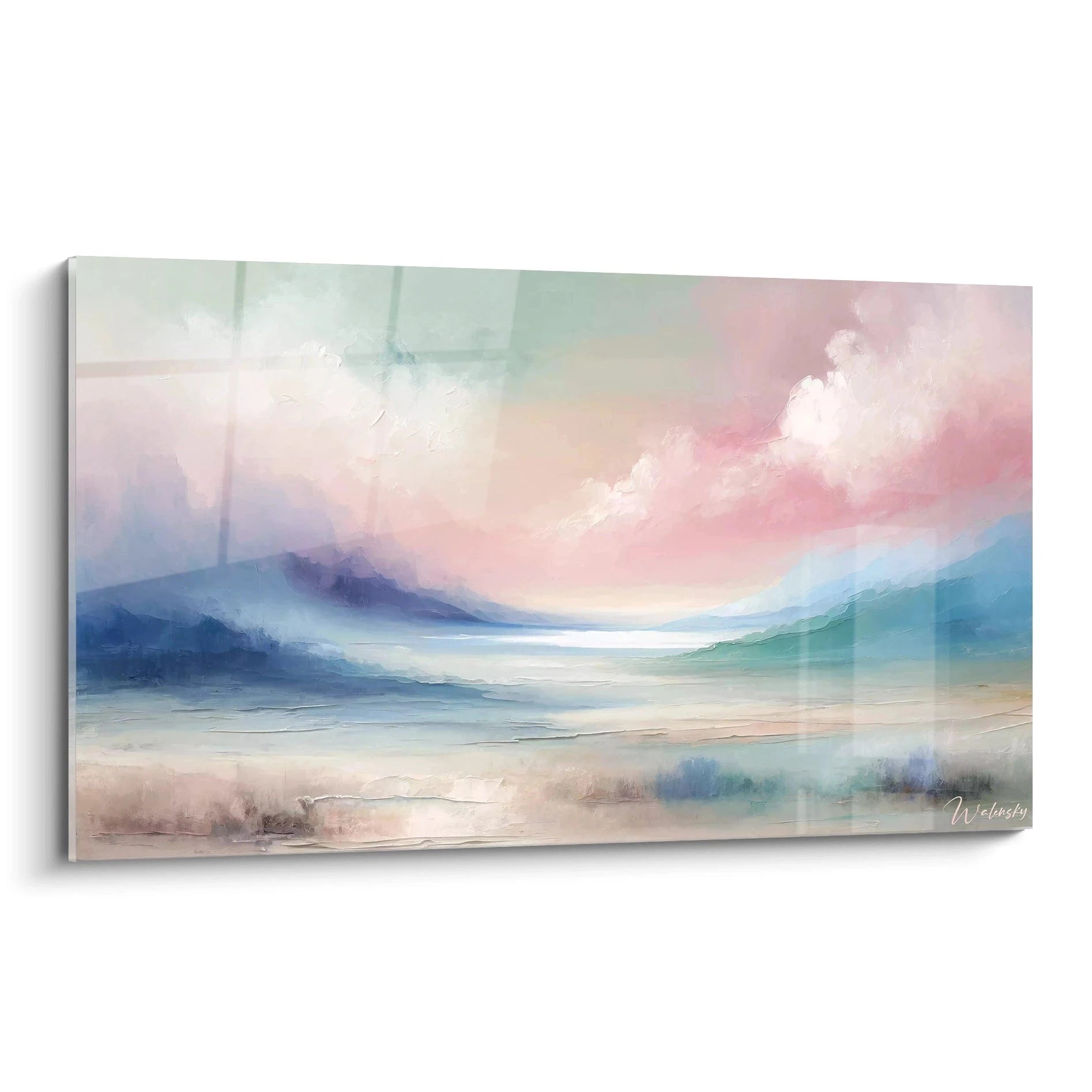
Our Painting for clinic Floral collection transforms your medical spaces into havens of serenity. These artistic creations with soothing floral compositions diffuse a soft and comforting atmosphere, ideal for reassuring patients and visitors. Each work celebrates the beauty of nature with delicate botanical motifs and harmonious palettes. Perfectly suited to health environments and medical offices, these floral paintings create a warm and professional atmosphere.
 White Rose Painting No.5 - Nature Edition273,90 €
 Narcissus Wall Art No. 4 - Nature Edition273,90 €
 Iris Painting No.10 - Nature Edition273,90 €
 Iris Wall Art No. 9 - Nature Edition273,90 €
 Iris Wall Art N°1 - Nature Edition273,90 €
 Lily Wall Art N°2 - Nature Edition273,90 €
 Wisteria Painting No. 2 - Nature Edition273,90 €
 Wisteria Wall Art No. 1 - Nature Edition273,90 €
 Cherry Blossom Wall Art No. 2 - Nature Edition273,90 €
 Arum Painting N°2 - Nature Edition273,90 €
 Arum Painting N°1 - Nature Edition273,90 €
 Sacred Purity Wall Art - Zen Lotus Flower Edition273,90 €
 Stones and Petals Wall Art - Feng Shui Zen Edition273,90 €
 Midnight Blue Painting - Abstract Flower Edition273,90 €
 Petals on Water Canvas - Abstract Flower Edition273,90 €
 Silk Glow Wall Art - Abstract Flower Edition273,90 €
 Porcelain Garden Wall Art - Abstract Flower Edition273,90 €
 Brilliance of Purity Wall Art - Abstract Flower Edition273,90 €
 Flowers and Lanterns Canvas - Zen Edition273,90 €
 Moon Flower Painting - Zen Edition273,90 €
 Blue Poetry Wall Art - Zen Edition273,90 €
 Petals Poetry Wall Art - Asia Edition273,90 €
 Flower Garden Wall Art - Asia Edition273,90 €
 Flower of Light Canvas - Zen Edition273,90 €
Explore further
In Floral Wall Art for Medical Clinics
-
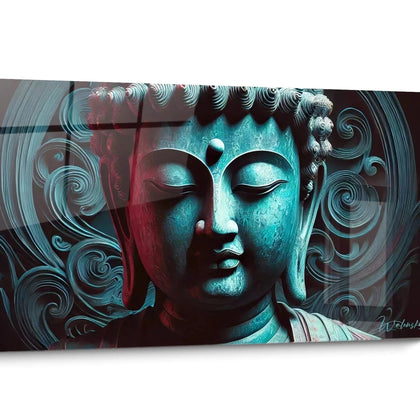 Artwork for Clinic100
artworks
Artwork for Clinic100
artworks
-
 Watercolor Wall Art for Medical Clinic6
artworks
Watercolor Wall Art for Medical Clinic6
artworks
-
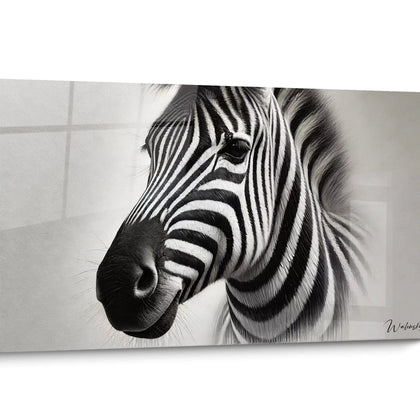 Black and White Medical Clinic Wall Art4
artworks
Black and White Medical Clinic Wall Art4
artworks
-
 Abstract Art for Medical Clinics15
artworks
Abstract Art for Medical Clinics15
artworks
-
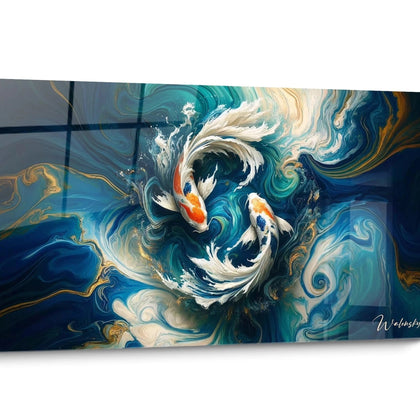 Golden Clinic Wall Art18
artworks
Golden Clinic Wall Art18
artworks
-
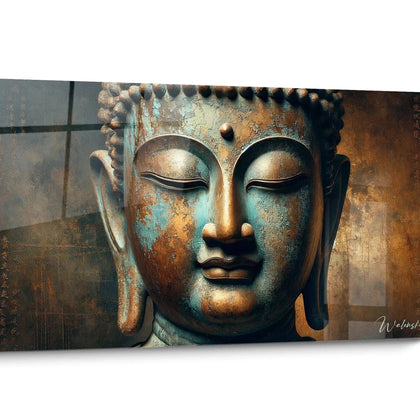 Turquoise Wall Art for Medical Clinic9
artworks
Turquoise Wall Art for Medical Clinic9
artworks
-
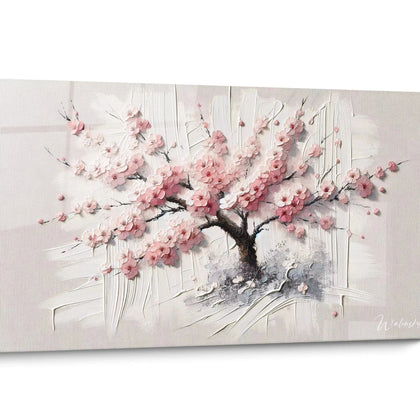 Japanese Wall Art for Medical Clinic18
artworks
Japanese Wall Art for Medical Clinic18
artworks
-
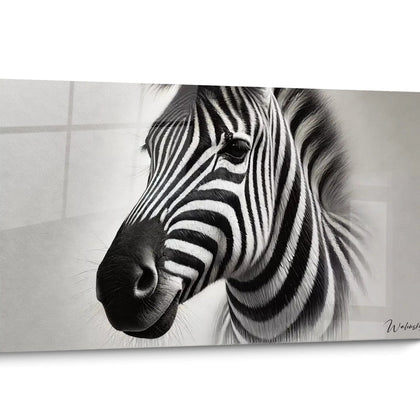 Minimalist Wall Art for Medical Clinics22
artworks
Minimalist Wall Art for Medical Clinics22
artworks
-
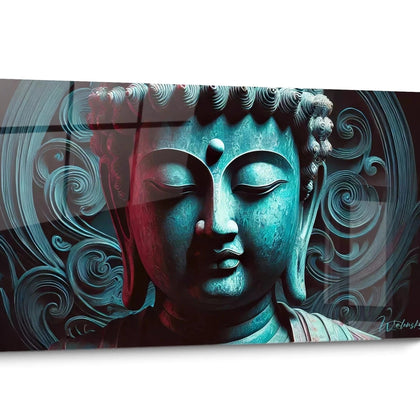 Wall Art for Meditation Clinic21
artworks
Wall Art for Meditation Clinic21
artworks
-
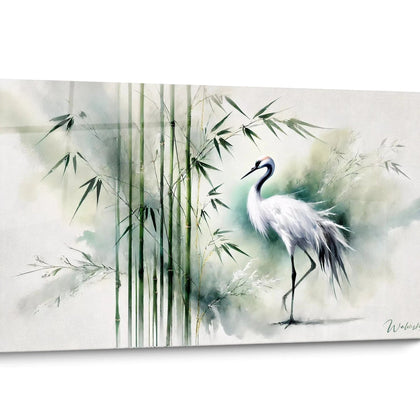 Bamboo Wall Art for Medical Clinic8
artworks
Bamboo Wall Art for Medical Clinic8
artworks

All about Floral Wall Art for Medical Clinics
- Clinical Floral Wall Art Presentation
- Calming Atmosphere
- Therapeutic Benefits
- Professional Environment
Discover our collection of clinical floral wall art in large formats, specially designed to transform medical environments into spaces of well-being. Each floral artwork brings an essential therapeutic dimension to healthcare spaces, promoting the reduction of preoperative anxiety and creating an atmosphere conducive to healing. These wall creations meet the strict requirements of medical environments while integrating the psychological power of natural botanical patterns.
The Psychological Impact of Floral Motifs in Healthcare Spaces
The clinical floral wall art exerts a measurable influence on patients' perception of time in waiting rooms. Large-scale botanical compositions significantly reduce pre-consultation anxiety by diverting attention from anxiety-inducing medical stimuli. Environmental psychology research demonstrates that visual exposure to floral elements decreases systolic blood pressure and stabilizes heart rate before procedures.
How do floral representations modify the perception of medical wait time?
In consultation rooms, an imposing floral artwork transforms the notion of waiting into a contemplative moment. Patients exposed to detailed botanical compositions estimate their wait time reduced by 30% compared to neutral environments. Petals, pistils and stamens represented in large format create visual fixation points that interrupt the anxious ruminations characteristic of medical environments.
The chromatic influence of floral compositions on emotional state
The soft tones of botanical representations – pale pinks, delicate lavenders, luminous whites – activate brain areas associated with calm and security. A large-scale clinical floral artwork diffuses a chromatic palette that counterbalances the instrumental coldness typical of healthcare facilities. Pastel vegetation hues stimulate serotonin production, promoting a state of relaxation conducive to care.
For more geometric compositions, explore our abstract clinical wall art collection which offers a complementary approach to therapeutic design.
Biophilia applied to medical environments
The integration of monumental floral motifs responds to the innate human need for connection with nature, particularly crucial in healthcare spaces disconnected from the outdoors. Patients confined to treatment rooms without windows benefit psychologically from these botanical visual substitutes. Large-format floral representations compensate for the absence of real greenery by activating the same soothing neurological responses.
The Therapeutic Properties of Botanical Visuals in Clinical Settings
What measurable benefits do floral artworks bring to patients undergoing treatment?
Studies in environmental medicine reveal that clinical floral wall art accelerates postoperative recovery phases. Patients whose room contains botanical representations require fewer analgesics and demonstrate a 15% improvement in their overall condition. Large-dimension floral compositions create positive distraction that modulates pain perception by reorienting cognitive attention toward soothing aesthetic stimuli.
In oncology departments, blooming floral motifs symbolize vitality and renewal, offering essential psychological counterpoint to invasive treatments. Representations of flowers in full bloom convey subconscious messages of growth and regeneration that support the morale of chemotherapy patients. These wall artworks actively participate in integrative care protocols that consider the environment as a therapeutic factor.
Optimizing the medical sensory environment
An imposing floral artwork transforms the perceived acoustics of a clinical space by visually absorbing attention usually captured by anxiety-inducing noises – alarms, equipment, medical conversations. This attentional redirection creates a perceptual bubble that psychologically isolates the patient from stressful stimuli. Detailed botanical compositions offer sufficient visual complexity to maintain cognitive engagement without causing sensory overload.
Specific floral associations for different medical specialties
In pediatrics, colorful and accessible floral representations reduce separation anxiety and facilitate cooperation with care. Peonies, sunflowers and daisies in large format create reassuring visual references that children can identify and name. In geriatrics, floral compositions evoking gardens of yesteryear stimulate positive autobiographical memory and reduce behavioral agitation in patients with cognitive disorders.
Dermatology offices favor floral representations with soft textures that contrast with patients' skin concerns. Compositions of roses, peonies or camellias with velvety petals create a visual association with softness and skin health. In cardiology, rhythmic floral arrangements with organic curves visually soothe by evoking natural cycles of growth rather than irregular heartbeats.
The Architectural Integration of Floral Compositions in Healthcare Facilities
How should floral artworks be strategically positioned to maximize their therapeutic impact?
The placement of a clinical floral wall art obeys psychospatial considerations specific to patient pathways. In waiting rooms, positioning facing main seating creates an immediate focal point that intercepts anxious gazes before they turn toward consultation doors. Monumental floral compositions installed behind reception desks humanize administrative interaction by creating a soothing background that tempers the bureaucratic dimension.
Circulation corridors, generally anxiety-inducing, particularly benefit from rhythmic floral sequences that transform passage into contemplative strolling. These botanical visual markers reduce spatial disorientation and anxiety related to medical movements. In examination cubicles, a floral artwork positioned in the natural visual field of a reclining patient provides essential distraction during uncomfortable procedures.
Material requirements specific to healthcare environments
Large formats intended for clinical settings require surfaces resistant to intensive disinfection protocols. Protective coatings allow daily cleaning with hydroalcoholic solutions without chromatic alteration. Reinforced fixings ensure safety in high-traffic areas where collisions are frequent. The absence of protruding frames prevents accidental snagging of IV lines or mobile equipment.
Visual coherence in multidisciplinary care pathways
Facilities developing a therapeutic visual identity select complementary floral ranges according to departments. Outpatient spaces favor energizing compositions with bright hues that support mobilization. Hospitalization units opt for soothing floral palettes with soft tones that promote rest. This floral chromatic differentiation unconsciously guides patients through different phases of their medical pathway.
Large formats allow optimal visibility even in vast entrance halls and multi-use spaces where viewing distance varies considerably. Botanical details remain perceptible at several meters, maintaining the visual interest of ambulatory patients. The monumentality of floral artworks creates memorable spatial landmarks that facilitate orientation in often labyrinthine medical buildings.
Why choose imposing dimensions for floral wall art in medical settings?
Generous formats create visual immersion powerful enough to effectively compete with surrounding anxiety-inducing stimuli. A monumental floral composition establishes a dominant aesthetic presence that redefines the identity of the medical space, transforming it from a technical environment into a humanized care facility.
Are floral artworks suitable for emergency and intensive care units?
In high-intensity medical areas, soothing floral representations offer crucial psychological counterpoint for conscious patients and families. Compositions with soft tones create islands of visual calm without interfering with medical functionality, strategically installed outside direct intervention zones.
How do floral motifs influence the perception of cleanliness and hygiene?
Bright floral representations with light backgrounds visually reinforce the impression of cleanliness and freshness. Refined botanical compositions evoke natural purity and complement medical hygiene standards by creating a psychological association between a blooming environment and a healthy space, particularly valued in healthcare settings.


