


Wall Art for Meditation Clinic
Our wall art collection for meditation clinics offers artworks specifically designed for care and wellness spaces. Each creation invites contemplation and promotes patient relaxation. These zen paintings for medical offices diffuse a soothing energy thanks to their harmonious compositions and soft color palettes. Perfect for decorating a therapeutic meditation space, they transform your clinic into a haven of peace conducive to healing and serenity.
 Marbled Peace Wall Art - Zen Edition273,90 €
 Sacred Purity Wall Art - Zen Lotus Flower Edition273,90 €
 Inner Journey Painting - Feng Shui Zen Edition273,90 €
 Stones and Petals Wall Art - Feng Shui Zen Edition273,90 €
 Ephemeral Stability Wall Art - Zen Feng Shui Edition273,90 €
 Spiritual Harmony Artwork - Zen Buddha Edition273,90 €
 Eternal Roots Wall Art - Zen Tree of Life Edition273,90 €
 The Path of Awakening Wall Art - Diverse Zen Edition273,90 €
 Zen Moment Wall Art - Giant Panda Animals Edition273,90 €
 Morning Silence Wall Art - Zen Edition273,90 €
 Indigo Wisdom Wall Art - Zen Edition273,90 €
 Vertiginous Quietude Wall Art - Zen Edition273,90 €
 Deep Peace Wall Art - Zen Edition273,90 €
 Fluid Peace Painting - Zen Edition273,90 €
 Peaceful Meditation Painting - Zen Edition273,90 €
 Starry Night Wall Art - Zen Edition273,90 €
 Forest Balance Canvas - Zen Edition273,90 €
 Minimalist Harmony Wall Art - Zen Edition273,90 €
 Serenity in the Forest Wall Art - Zen Edition273,90 €
 Inner Awakening Wall Art - Zen Edition273,90 €
 Calm Turquoise Wall Art - Zen Edition273,90 €
Explore further
In Wall Art for Meditation Clinic
-
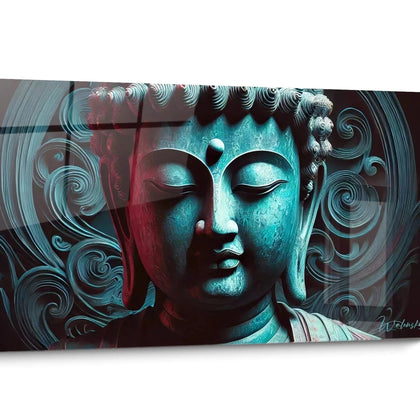 Artwork for Clinic100
artworks
Artwork for Clinic100
artworks
-
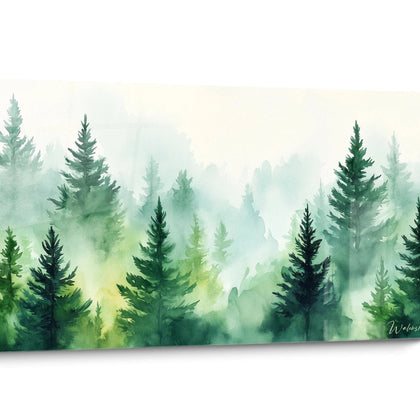 Watercolor Wall Art for Medical Clinic6
artworks
Watercolor Wall Art for Medical Clinic6
artworks
-
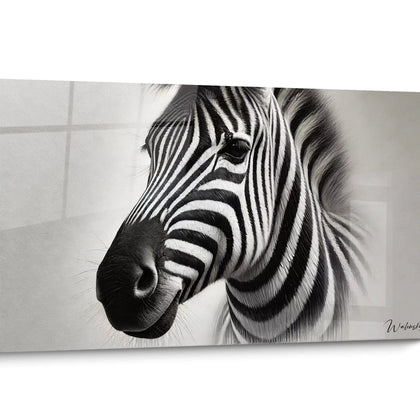 Black and White Medical Clinic Wall Art4
artworks
Black and White Medical Clinic Wall Art4
artworks
-
 Abstract Art for Medical Clinics15
artworks
Abstract Art for Medical Clinics15
artworks
-
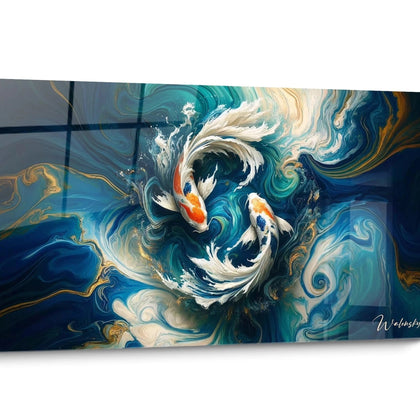 Golden Clinic Wall Art18
artworks
Golden Clinic Wall Art18
artworks
-
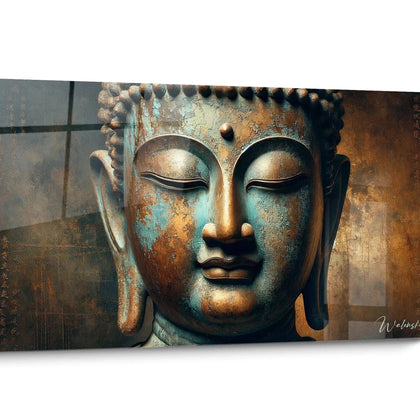 Turquoise Wall Art for Medical Clinic9
artworks
Turquoise Wall Art for Medical Clinic9
artworks
-
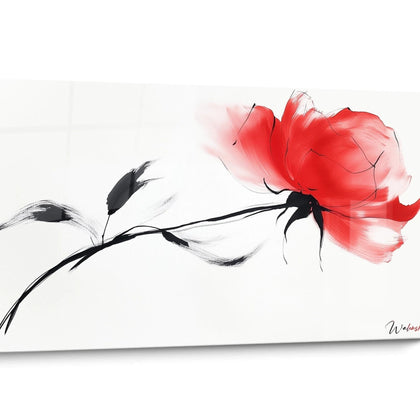 Floral Wall Art for Medical Clinics24
artworks
Floral Wall Art for Medical Clinics24
artworks
-
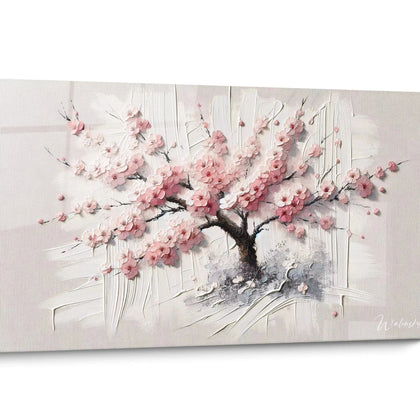 Japanese Wall Art for Medical Clinic18
artworks
Japanese Wall Art for Medical Clinic18
artworks
-
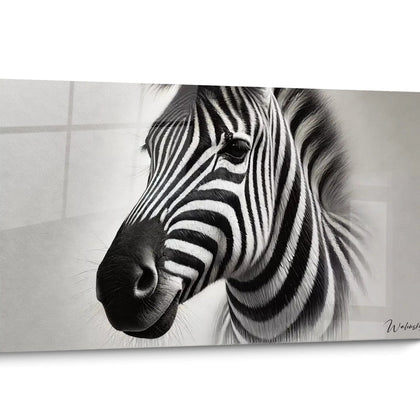 Minimalist Wall Art for Medical Clinics22
artworks
Minimalist Wall Art for Medical Clinics22
artworks
-
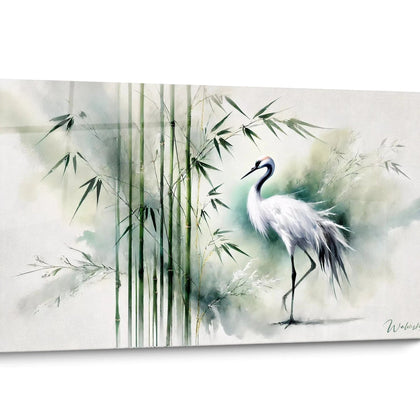 Bamboo Wall Art for Medical Clinic8
artworks
Bamboo Wall Art for Medical Clinic8
artworks

All about Wall Art for Meditation Clinic
- Presentation Clinical Painting Meditation
- Visual Soothing in Medical Settings
- Patient Anxiety Reduction Before Surgery
- Therapeutic Design for Care Spaces
These paintings for meditation clinics radically transform the atmosphere of healthcare facilities by integrating visual compositions specifically designed to facilitate cognitive and physiological relaxation in patients. These large-scale murals respond to the neuropsychological requirements of medical environments where stress reaches critical levels, offering a visual focal point that promotes conscious breathing and reduces heart rate. Unlike standardized decorations, these artistic supports utilize color palettes validated by clinical studies on reducing blood pressure and improving heart rate variability. Their imposing format creates sufficient visual immersion to divert attention from the anxiety-inducing stimuli inherent in hospital structures, transforming pre-surgical waiting rooms, palliative care units, and radiotherapy centers into true sanctuaries of mental tranquility.
Neurosensory Optimization of Pre-Medical Preparation Spaces
Integrating a painting for a meditation clinic into pre-operative consultation areas directly responds to anxiety anticipation management protocols documented in contemporary medical literature. Visual compositions using horizontal gradients mimicking natural horizons activate the parasympathetic nervous system, inducing a measurable physiological response characterized by a decrease in salivary cortisol within 12 to 15 minutes of visual exposure. These large-format wall installations exploit the phenomenon of peripheral vision to create an enveloping environment that counteracts the hypervigilance typical of patients awaiting invasive procedures.
What color palette promotes cardiac coherence in a clinical setting?
Research in psychophysiology demonstrates that blue-green hues within wavelengths between 480 and 520 nanometers significantly reduce amygdala activation responsible for conditioned fear reactions. A painting for a meditation clinic utilizing these chromatic spectra creates an environment conducive to guided breathing exercises practiced by anesthesiologists before surgical interventions. The absence of harsh contrasts and angular shapes minimizes visual startles that disrupt meditative concentration, allowing patients to maintain a state of deep relaxation even in highly stimulating medical environments.
Visual devices to prevent pre-surgical mental rumination
Anesthesia preparation rooms particularly benefit from fluid abstract compositions that discourage excessive cognitive analysis. Unlike figurative representations that engage the prefrontal cortex, these murals primarily engage brain areas associated with primary sensory processing, short-circuiting the catastrophic thought loops that are common before surgery. The generous dimension of these installations allows for complete visual immersion even when lying on a gurney, maintaining the soothing effect during critical phases of medical preparation. To complement this holistic approach, some facilities combine these visual elements with abstract compositions for clinics in adjacent hallways, creating a consistent atmospheric continuity.
Ambulatory chemotherapy units that have adopted this approach report a 34% reduction in requests for pre-medication anxiolytics, demonstrating the measurable effectiveness of these visual therapeutic interventions. The orientation of compositions towards soothing repetitive patterns also facilitates guided meditation protocols now offered by many integrative oncology services.
Documented Reduction in Perceived Stress in Interventional Radiology
Medical imaging services represent a privileged area of application for wall paintings for meditation clinics, these environments combining potential claustrophobia, unsettling mechanical noises, and diagnostic apprehension. The installation of soothing visual compositions in MRI preparation areas radically transforms the patient experience by offering an alternative focus point to intimidating medical equipment. Large-scale panoramic formats create a virtual visual window particularly valuable in these spaces often lacking natural openings, compensating for the feeling of confinement with illusory depth of field.
How do contemplative compositions improve compliance with long exams?
Imaging procedures requiring prolonged immobility benefit substantially from the integration of meditative visual supports into the patient's field of vision. During 45-minute scans or bone scans, the ability to maintain a soft visual focus on soothing elements reduces involuntary movements related to anxiety, improving image acquisition quality and decreasing exam repetition rates. This technical optimization translates into reduced operational costs and decreased radiation exposure for patients.
Visual strategies for post-exam waiting areas
Areas recovering following invasive diagnostic procedures provide an ideal context for large-scale contemplative installations. Following a liver biopsy or a lumbar puncture, patients under horizontal monitoring benefit from a meditation artwork for clinics positioned on the ceiling or the opposite wall, transforming mandatory rest time into an opportunity for active psychological recovery. Compositions using natural fractal structures mimicking plant ramifications or cloud formations engage attentional restoration mechanisms described by the stress recovery theory through exposure to nature.
Nuclear medicine centers that have integrated these elements into their radiotracer injection rooms observe a significant improvement in patient satisfaction scores, these periods of isolated post-injection waiting traditionally representing the most anxiogenic moments of the diagnostic journey. The emotional neutrality of abstract compositions avoids potentially disturbing symbolic associations that figurative representations could provoke in these emotionally charged medical contexts.
Therapeutic Architecture of Psychosomatic Care Units
Specialized hospital services for stress-dependent pathologies strategically utilize wall paintings for meditation clinics as integral components of multimodal therapeutic protocols. In chronic pain management units, these visual installations support stress-reduction programs based on mindfulness by creating architectural environments that physically embody therapeutic goals. The consistency between the visual environment and psychological interventions reinforces the perceived effectiveness of treatment, a phenomenon documented in studies on environmental placebo effects in behavioral medicine.
Integration into cardiac biofeedback protocols
Rooms dedicated to heart rate coherence training sessions particularly benefit from wall compositions synchronized with therapeutic breathing rhythms. Creations using horizontal waves or subtle chromatic pulsations provide a visual support for breathing at 6 cycles per minute, the optimal frequency to maximize heart rate variability. This synergy between visual stimulus and physiological exercise accelerates the acquisition of emotional self-regulation skills, a central objective in the treatment of generalized anxiety disorders and panic disorders.
What dimensional criteria optimize therapeutic immersion in liaison psychiatry?
Psycho-oncology consultations and diagnostic announcement interviews require visually soothing spaces without being clinically aseptic. A wall painting for a meditation clinic occupying 40 to 60% of the main wall surface creates a presence substantial enough to modulate the room's atmosphere without visually dominating the therapeutic interaction. This proportion allows the gaze to naturally find a resting point during emotionally charged silences, facilitating the process of emotional regulation without being a disruptive distraction from doctor-patient communication.
Addiction treatment centers also integrate these elements into their group therapy spaces, non-figurative compositions avoiding any potentially triggering associations while creating an atmosphere conducive to collective introspection. The absence of explicit symbolism allows each participant to project their own internal processes without external narrative imposition.
Is a wall painting for a meditation clinic suitable for psychiatric emergency services?
Absolutely, acute crisis reception units substantially benefit from the installation of soothing visual compositions in initial assessment boxes and calming rooms. These high-emotion environments require visual elements capable of quickly facilitating behavioral de-escalation, imposing formats creating an immersive effect that supports verbal de-escalation interventions.
What durability for a wall painting for a meditation clinic in an intensive hospital environment?
Installations for healthcare facilities use materials resistant to intensive cleaning protocols including quaternary disinfectants and alcohol solutions, guaranteeing a lifespan of 8 to 12 years even in high-traffic areas. Antimicrobial treated surfaces meet the requirements of nosocomial infection control while preserving the chromatic integrity essential to the therapeutic effect.
How to strategically position a wall painting for a meditation clinic in a dialysis room?
Hemodialysis sessions lasting 4 to 5 hours require a positioning that allows for comfortable viewing in a semi-reclined position, typically on the wall opposite 30-40 degrees from the central field of vision. This angle avoids eye fatigue while maintaining sufficient visual presence to support the therapeutic visualization techniques practiced by many chronic dialysis patients to manage procedural discomfort.
L'art qui suscite l'envie
Maison belge d'art mural grand format
14 jourspour changer d'avis*
Protection Walenskyincluse
Fabriquéen Italie
FormatXXL
Kit de fixationtoujours fourni
* Hors tableaux personnalisés et tailles personnalisées


