



Minimalist Wall Art for Medical Clinics
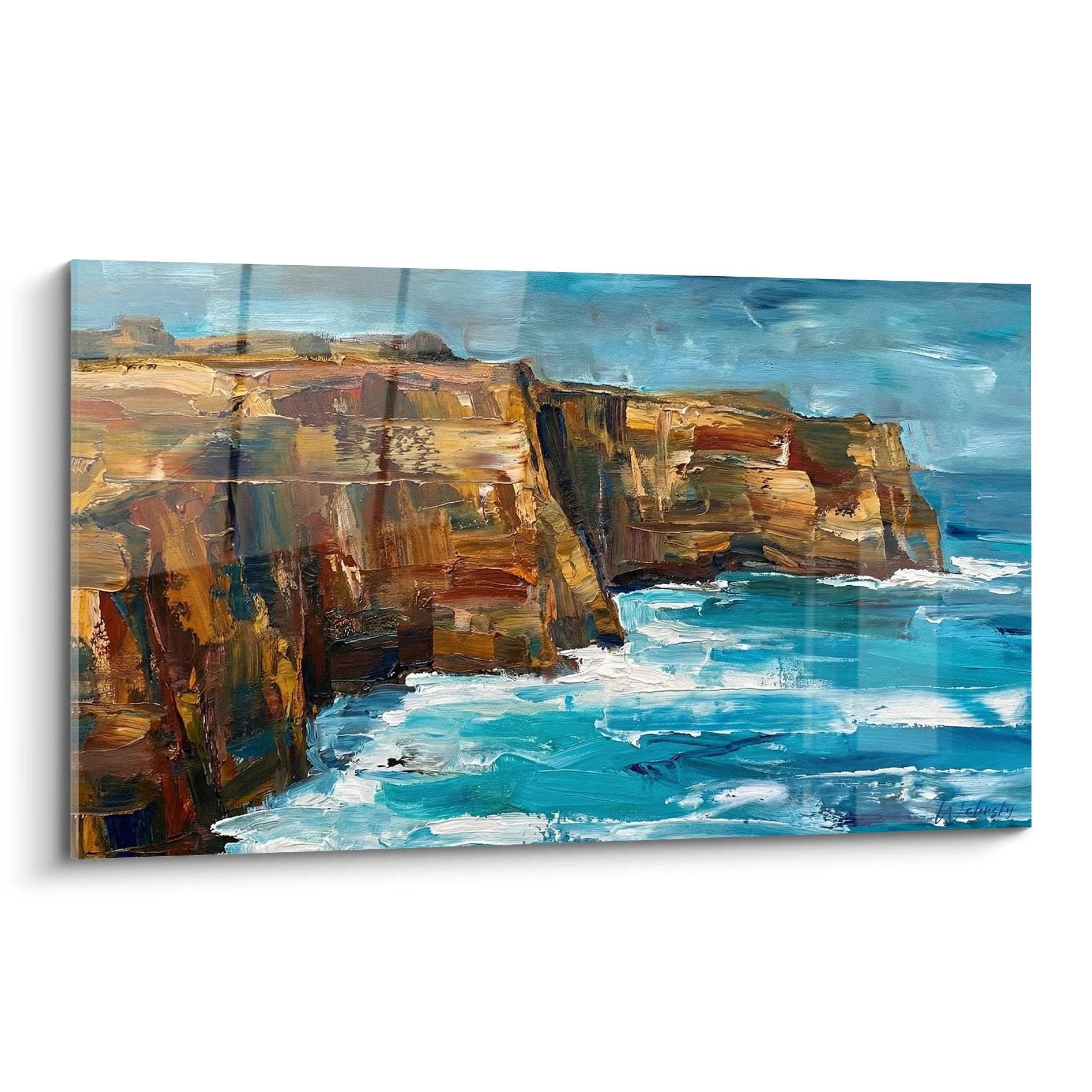
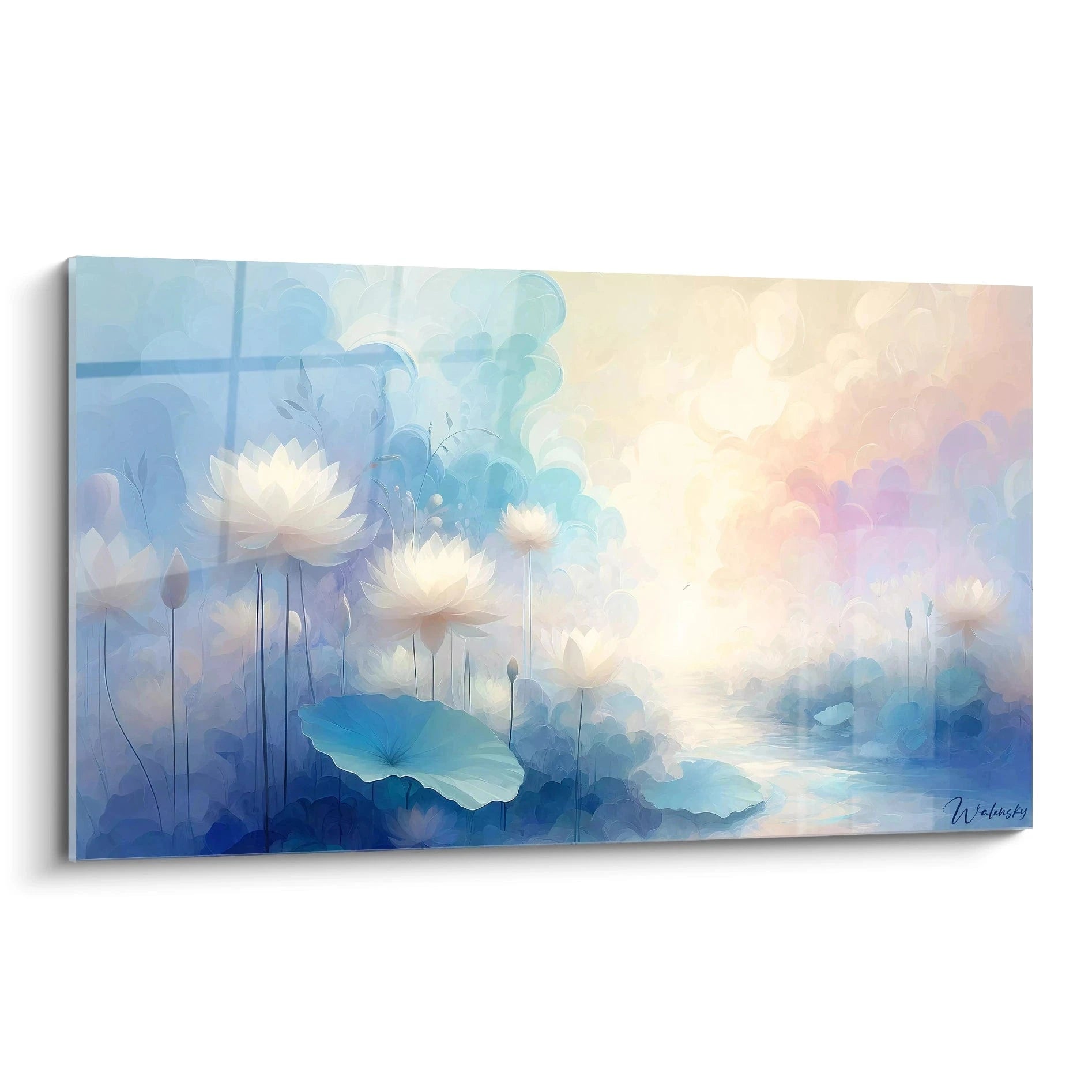
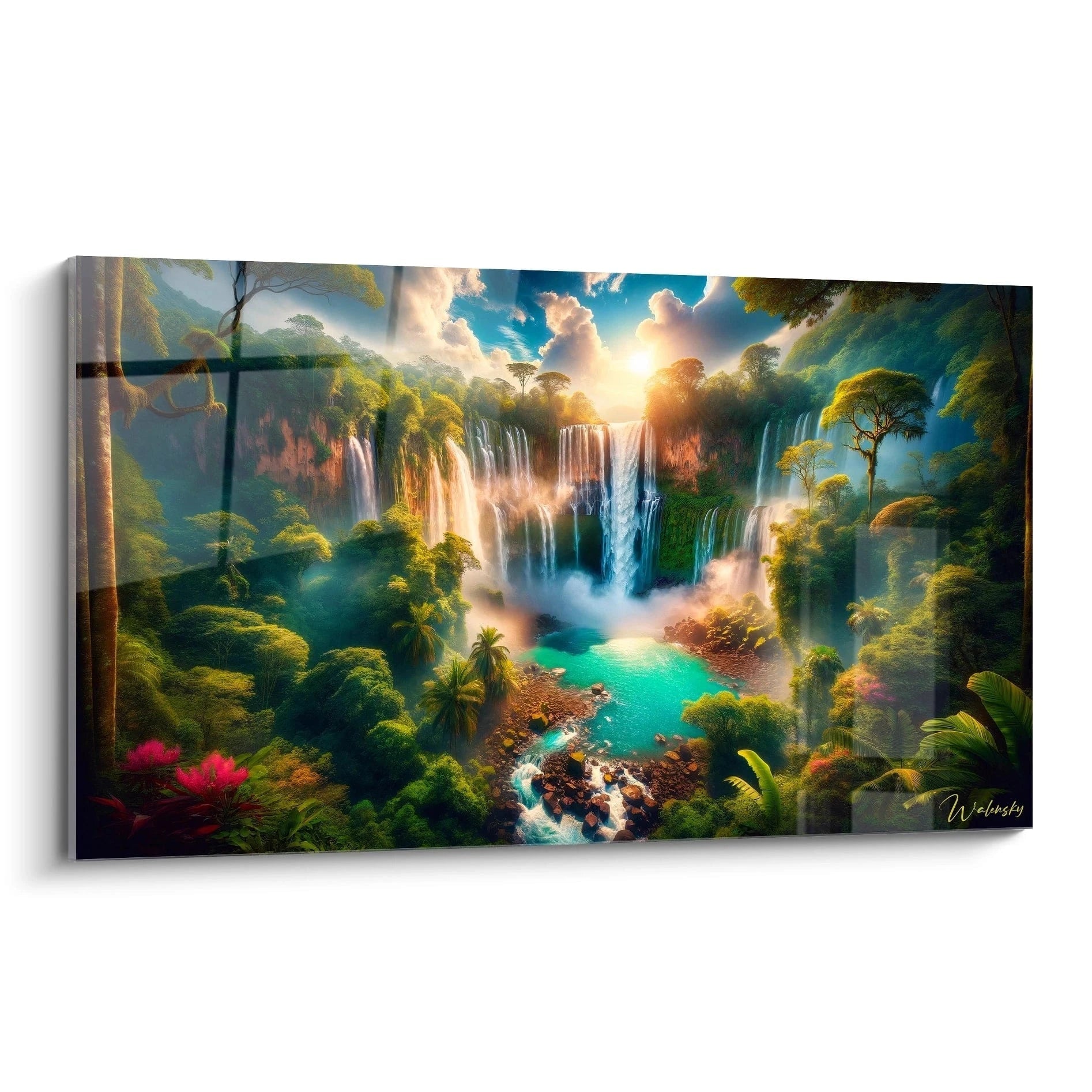
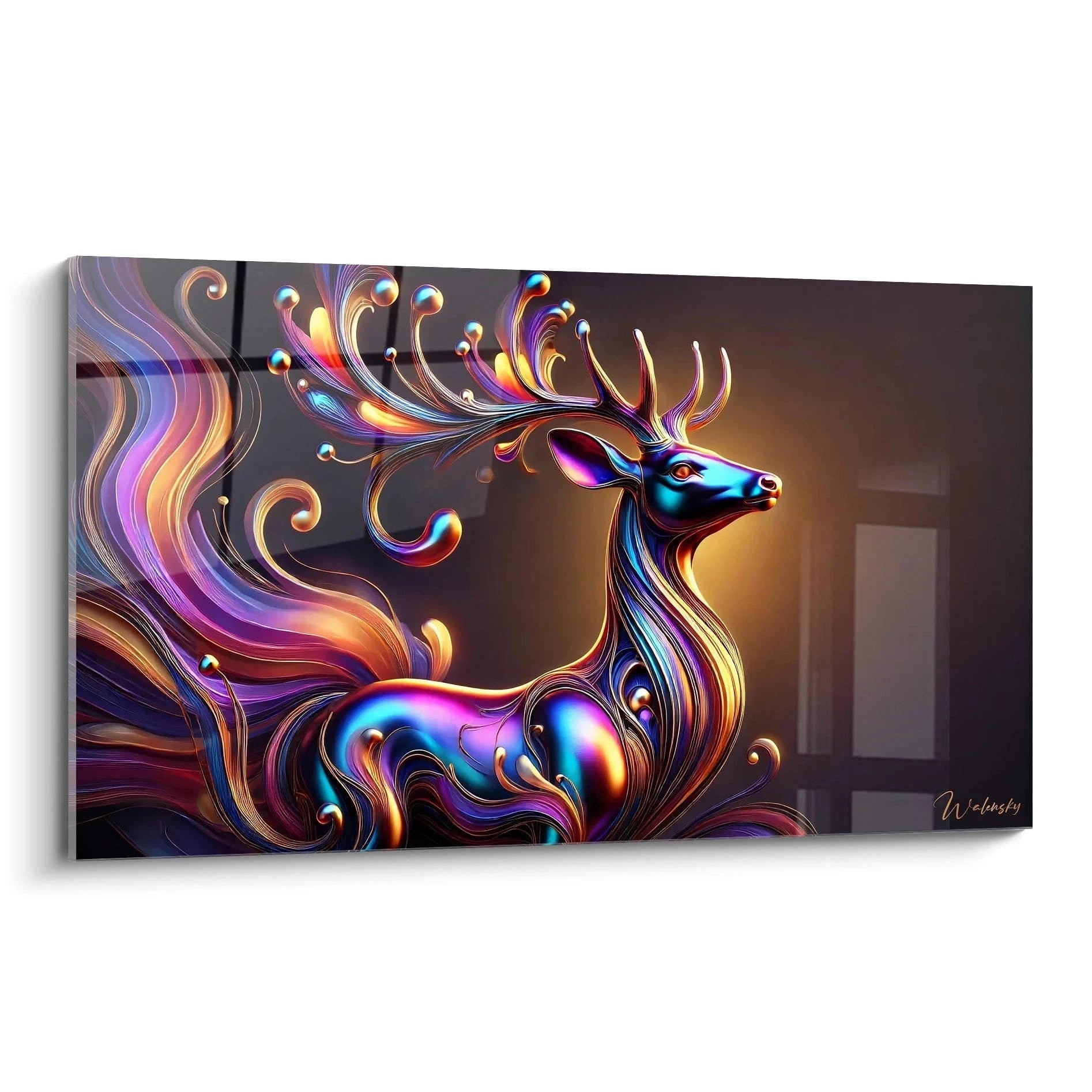
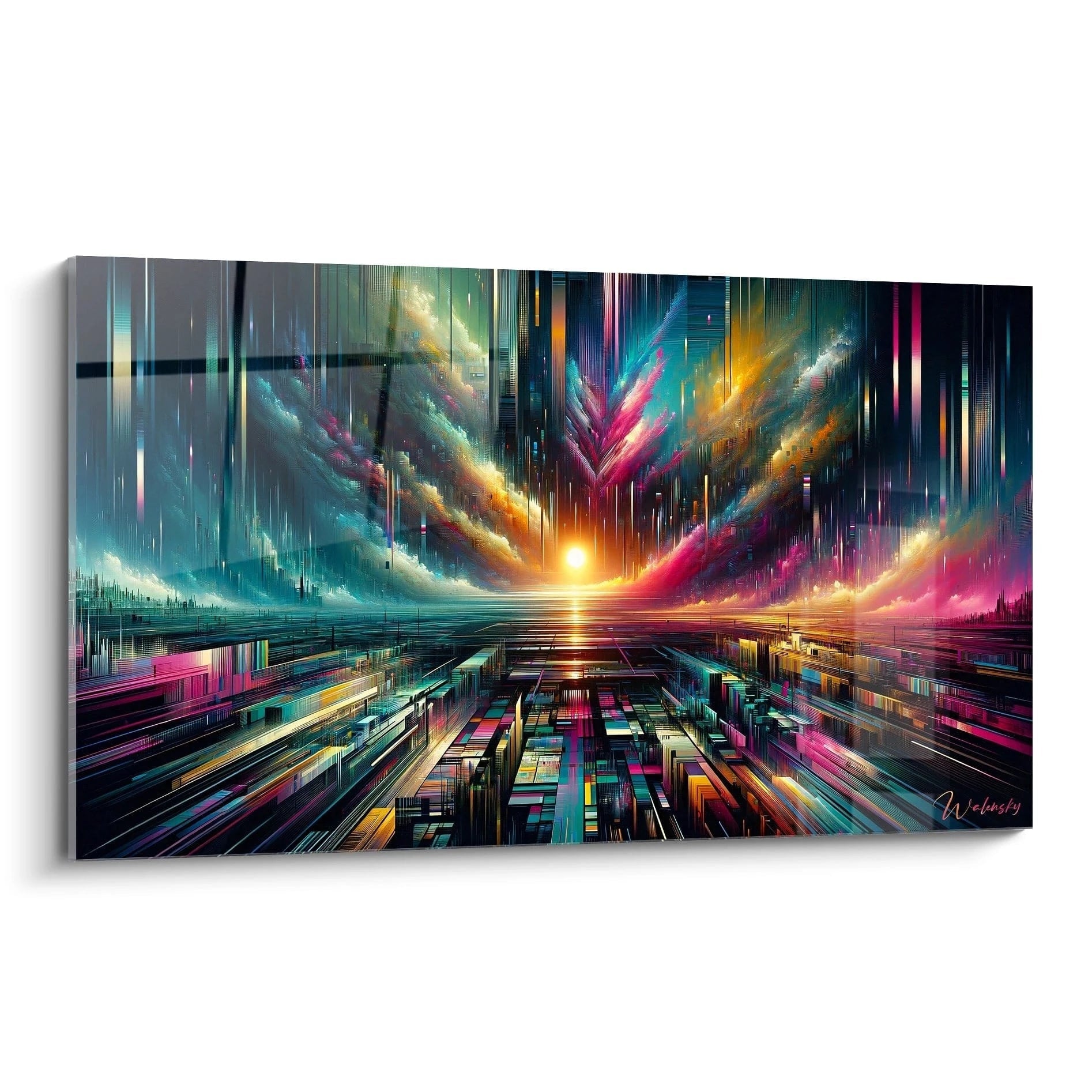
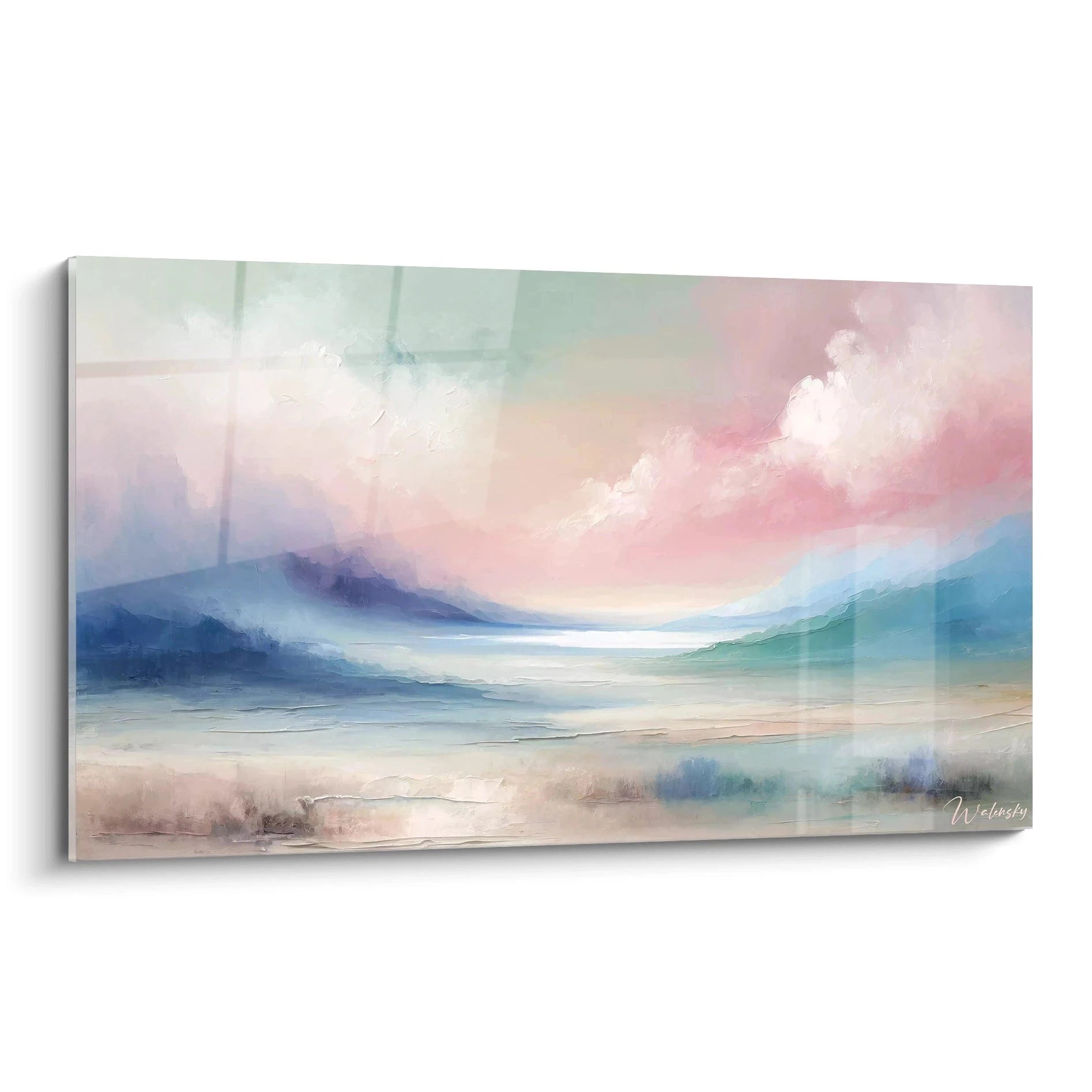
Our Painting for clinic Minimalist collection transforms your medical spaces into soothing and professional environments. Each artwork combines visual purity and chromatic softness, creating a serene atmosphere ideal for reassuring patients and practitioners. These minimalist paintings for medical offices prioritize soft lines and harmonious compositions. Perfect for waiting rooms, dental offices, or care centers, our contemporary medical artwork combines refined aesthetics and therapeutic function.
 Painting Inspired by Wanderer Above the Sea of Fog by Caspar David Friedrich No.3 – Tribute to Famous Artist273,90 €
 Terracotta Painting No. 6 - Nature Edition273,90 €
 White Rose Painting No.5 - Nature Edition273,90 €
 Narcissus Wall Art No. 4 - Nature Edition273,90 €
 Weeping Willow Painting No. 1 - Nature Edition273,90 €
 Ginkgo Leaf Wall Art No. 3 - Nature Edition273,90 €
 Ginkgo Leaf Wall Art No.1 - Nature Edition273,90 €
 Eucalyptus Wall Art No. 1 - Nature Edition273,90 €
 Arum Painting N°2 - Nature Edition273,90 €
 Arum Painting N°1 - Nature Edition273,90 €
 Sacred Purity Wall Art - Zen Lotus Flower Edition273,90 €
 Inner Journey Painting - Feng Shui Zen Edition273,90 €
 Ephemeral Stability Wall Art - Zen Feng Shui Edition273,90 €
 The Path of Awakening Wall Art - Diverse Zen Edition273,90 €
 Natural Harmony Canvas - Diverse Zen Edition273,90 €
 Simplicity Striped Canvas - Zebra Animals Edition273,90 €
 Brilliance of Purity Wall Art - Abstract Flower Edition273,90 €
 Geometric Balance Painting - Abstract Cubism Edition273,90 €
 Traced Botanic Wall Art - Nature Edition273,90 €
 Vertiginous Quietude Wall Art - Zen Edition273,90 €
 Balance Pastel Wall Art - Zen Edition273,90 €
 Minimalist Harmony Wall Art - Zen Edition273,90 €
Explore further
In Minimalist Wall Art for Medical Clinics
-
 Artwork for Clinic100
artworks
Artwork for Clinic100
artworks
-
 Watercolor Wall Art for Medical Clinic6
artworks
Watercolor Wall Art for Medical Clinic6
artworks
-
 Black and White Medical Clinic Wall Art4
artworks
Black and White Medical Clinic Wall Art4
artworks
-
 Abstract Art for Medical Clinics15
artworks
Abstract Art for Medical Clinics15
artworks
-
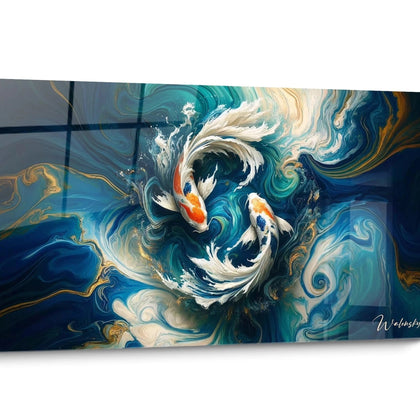 Golden Clinic Wall Art18
artworks
Golden Clinic Wall Art18
artworks
-
 Turquoise Wall Art for Medical Clinic9
artworks
Turquoise Wall Art for Medical Clinic9
artworks
-
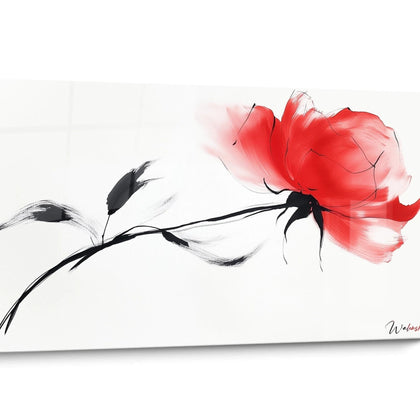 Floral Wall Art for Medical Clinics24
artworks
Floral Wall Art for Medical Clinics24
artworks
-
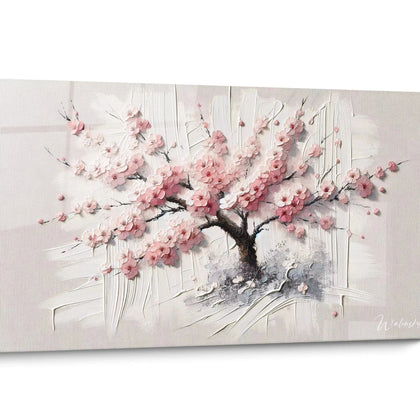 Japanese Wall Art for Medical Clinic18
artworks
Japanese Wall Art for Medical Clinic18
artworks
-
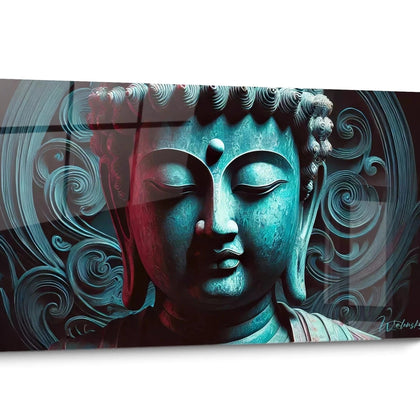 Wall Art for Meditation Clinic21
artworks
Wall Art for Meditation Clinic21
artworks
-
 Bamboo Wall Art for Medical Clinic8
artworks
Bamboo Wall Art for Medical Clinic8
artworks

All about Minimalist Wall Art for Medical Clinics
- Minimalist Clinical Wall Art Presentation
- Streamlined Medical Design
- Soothing Therapeutic Atmosphere
- Professional Installation
A minimalist clinical wall art radically transforms the medical environment by creating an atmosphere of professional serenity. In contemporary care spaces, refined aesthetics meet visual and psychological hygiene requirements, reducing patient anxiety from arrival. These large-format wall compositions prioritize clean lines, neutral color palettes, and soothing geometric forms that facilitate therapeutic focus. The minimalist approach eliminates all unnecessary distraction, enabling practitioners to maintain a reassuring professional setting while humanizing waiting rooms, consultation offices, and rehabilitation spaces.
Creating a Calming Medical Environment with Streamlined Compositions
Designing a minimalist clinical wall art requires a deep understanding of the psychological needs of vulnerable patients. Monochromatic or two-tone large-format compositions promote cortisol reduction, the stress hormone, particularly in pre-operative zones or oncology departments. Soft circular forms and subtle gradients create a visual envelopment effect that counterbalances the perceived coldness of medical equipment.
Which visual characteristics should be prioritized for a care space?
Extended horizontal visual structures generate spatial expansion sensations especially beneficial in narrow specialist consultation corridors. A large-scale minimalist clinical wall art captures peripheral attention without overloading the central visual field, allowing patients to focus on medical instructions. Greige, off-white, and pearl gray tones reflect natural light while maintaining neutrality compatible with regular disinfection protocols.
Optimizing patient journeys through cohesive visual identity
Aesthetic uniformity across different departments reinforces spatial orientation for anxious visitors. A coordinated series of minimalist clinical wall art pieces establishes discrete yet effective visual markers between radiology, cardiology, and administrative services. Subtle texture variations—matte versus slightly satin finishes—create visual hierarchy without resorting to aggressive contrasts. This systematic approach transforms the patient experience into a fluid journey, reducing disorientation common in complex medical facilities.
For complementary atmospheres, professionals also explore abstract clinical wall art compositions that introduce organic elements while preserving necessary sobriety. Strategic association between geometric minimalism and soft abstraction allows visual differentiation between public spaces and technical zones.
Psychology of Therapeutic Spaces and Intentional Color Theory
How do minimalist compositions influence the healing process?
Neuroesthetics research demonstrates that exposure to minimalist clinical wall art activates brain circuits associated with meditation and parasympathetic rest. In post-intervention recovery rooms, panoramic formats with refined horizons facilitate guided breathing exercises and reduce pain perception. Vertical ascending compositions in pediatric waiting areas naturally channel gaze upward, diverting attention from anxiety sources.
Desaturated sand and taupe palettes create visual continuity with contemporary medical textiles, reinforcing cleanliness and modernity impressions. Large-scale minimalist clinical wall art advantageously replaces overloaded informational messages, freeing patient mental space for active listening during consultations. This visual economy proves particularly valuable in psychiatry and anxiety disorder treatment units.
Functional zoning through subtle visual gradations
Strategic use of minimalist compositions subtly differentiates spaces according to their therapeutic function. Reception areas benefit from open-form artworks suggesting accessibility, while consultation offices favor centered compositions promoting concentration. Monumental square formats in physiotherapy rooms establish stable fixation points for balance and proprioception exercises.
Maternity services adopt minimalist clinical wall art with soft curves evoking protection and gentleness, without resorting to infantilizing imagery. Geriatric departments favor moderate contrast between background and form to compensate for age-related visual deficits. This discreet personalization humanizes each care journey without compromising overall aesthetic coherence of the facility.
Material durability and simplified maintenance
High-resistance supports to hospital disinfectants constitute a decisive criterion for equipping high-traffic zones. Anti-glare finishes prevent glare under intense medical LED lighting, preserving visual comfort for care staff during long shifts. The absence of prominent decorative elements facilitates rigorous cleaning protocols, a determining advantage in sterile environments like adjacent operating rooms.
Architectural Integration Strategies in Healthcare Facilities
Installing minimalist clinical wall art requires technical planning adapted to medical regulatory constraints. Anti-vibration fastening systems preserve perfect alignment despite frequent passages of carts and mobile equipment. Monumental formats necessitate reinforced anchor points compatible with light partition walls typical of contemporary modular medical buildings.
Which locations maximize therapeutic visual impact?
Main circulation axes between departments benefit from sequential compositions creating a soothing visual rhythm during movement. Installation facing reception desks transforms administrative waiting into a recentering moment rather than frustration. In blood draw rooms, eye-level positioning when seated effectively diverts attention during anxiety-inducing technical procedures.
Telehealth spaces integrate minimalist clinical wall art as neutral professional backgrounds, improving perceived consultation quality for remote sessions. Medical staff rest areas adopt contemplative compositions favoring cognitive recovery between stressful interventions. This holistic approach acknowledges that caregiver well-being directly influences care quality.
Regulatory compliance and environmental certifications
HQE-certified facilities prioritize wall art manufactured through respectful processes, with minimal VOC emissions guaranteeing indoor air quality. Large-scale formats optimize visual impact-to-unit-installed ratio, reducing overall logistical footprint. Durable finishes extend replacement cycles, a major economic criterion for constrained hospital budgets.
Is minimalist clinical wall art suitable for pediatric departments?
Absolutely, minimalist compositions with soft organic forms create a reassuring environment without excessive infantilization. Desaturated pastel palettes maintain cheerfulness while preserving necessary calm for care. Large formats capture anxious children's attention during examinations, facilitating practitioner work.
How to adapt minimalism to established visual identities?
Monochromatic compositions naturally harmonize with any existing graphic charter through their fundamental neutrality. Progressive introduction by pilot zones allows evaluation of patient reception before general rollout. Subtle textural variations personalize each department while maintaining overall aesthetic consistency.
What longevity should be expected from professional minimalist clinical wall art?
Medical-grade materials easily withstand 10-15 years of intensive use with appropriate maintenance. Protective finishes prevent fading under continuous artificial lighting typical of hospital environments. This durability makes it a cost-effective investment compared to temporary decorative solutions requiring frequent replacement.


