


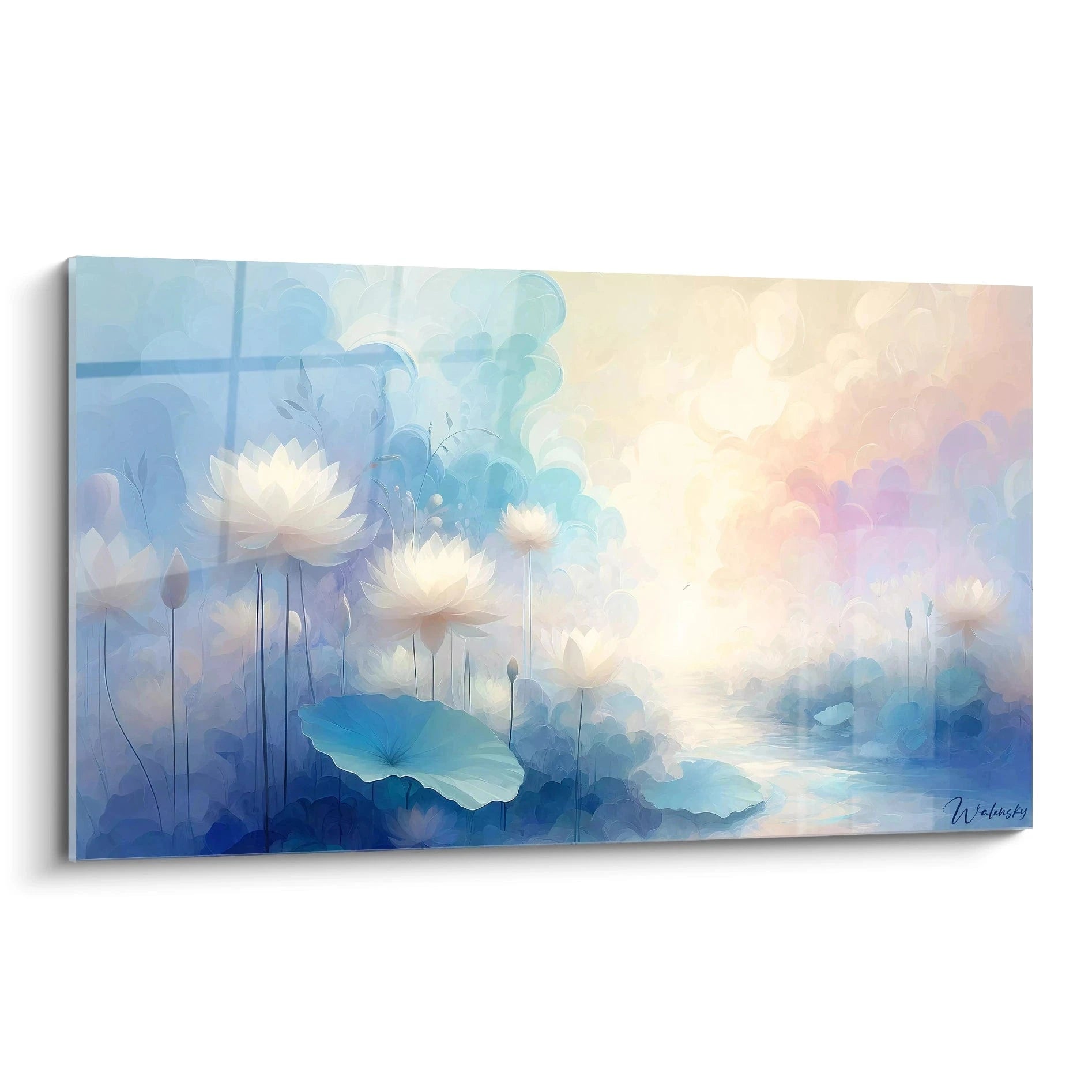






Black and White Medical Clinic Wall Art
The Painting for clinic Black and White brings a touch of timeless elegance to your medical practice. This collection offers monochrome artworks for care spaces designed to create a soothing and professional atmosphere. Each creation combines artistic refinement and sobriety, perfectly suited to medical environments. The black and white paintings for medical offices enhance your walls while respecting the serenity required in healthcare settings. Discover our carefully curated selection to enhance your professional space.
 Painting Inspired by Wanderer Above the Sea of Fog by Caspar David Friedrich No.3 – Tribute to Famous Artist273,90 €
 White Rose Painting No.5 - Nature Edition273,90 €
 Simplicity Striped Canvas - Zebra Animals Edition273,90 €
 Serenity Walk Painting - Black & White Edition273,90 €
Explore further
In Black and White Medical Clinic Wall Art
-
 Artwork for Clinic100
artworks
Artwork for Clinic100
artworks
-
 Watercolor Wall Art for Medical Clinic6
artworks
Watercolor Wall Art for Medical Clinic6
artworks
-
 Abstract Art for Medical Clinics15
artworks
Abstract Art for Medical Clinics15
artworks
-
 Golden Clinic Wall Art18
artworks
Golden Clinic Wall Art18
artworks
-
 Turquoise Wall Art for Medical Clinic9
artworks
Turquoise Wall Art for Medical Clinic9
artworks
-
 Floral Wall Art for Medical Clinics24
artworks
Floral Wall Art for Medical Clinics24
artworks
-
 Japanese Wall Art for Medical Clinic18
artworks
Japanese Wall Art for Medical Clinic18
artworks
-
 Minimalist Wall Art for Medical Clinics22
artworks
Minimalist Wall Art for Medical Clinics22
artworks
-
 Wall Art for Meditation Clinic21
artworks
Wall Art for Meditation Clinic21
artworks
-
 Bamboo Wall Art for Medical Clinic8
artworks
Bamboo Wall Art for Medical Clinic8
artworks

All about Black and White Medical Clinic Wall Art
- Presentation Clinical Painting Black and White
- Medical Monochrome Aesthetics
- Psychological Impact in Care Settings
- Integration with Healthcare Architecture
A black and white painting for a clinic represents much more than a simple decorative element in a medical environment. This refined visual solution meets the strict requirements of healthcare facilities regarding chromatic neutrality, perceptual hygiene, and compliance with mental sanitization protocols for care spaces. The choice of monochrome in a clinical setting is part of a thoughtful approach aimed at creating a soothing atmosphere without excessive stimulation for patients often in vulnerable situations. Large-scale formats help to humanize spaces often perceived as cold and impersonal, while respecting the regulatory constraints specific to healthcare facilities open to the public.
The Excellence of Monochrome in Contemporary Care Spaces
The black and white painting for a clinic has become an essential reference in the design of modern medical facilities. This minimalist aesthetic responds to specific functional criteria rarely addressed in the hospital decoration sector. Chromatic neutrality eliminates any visual interference that could impair the concentration of medical staff during delicate procedures, particularly in examination rooms where the perception of skin tones must remain objective.
Why prioritize black and white in a medical office?
The monochrome palette presents decisive advantages for healthcare professionals. It facilitates the management of therapeutic lighting by creating no color reflections that could distort clinical observation. Large-format compositions amplify this quality by offering a stable and predictable visual surface, essential in environments where perceptual reliability is a medical issue. This minimalist approach aligns perfectly with intensive disinfection protocols, the binary contrast masking fewer traces of cleaning than saturated colors.
Sensory Neutrality and Reduction of Pre-operative Stress
Research in environmental psychology demonstrates that large-scale monochrome visuals reduce anticipatory anxiety in patients awaiting intervention. Unlike colored compositions that can evoke unpredictable emotional associations, black and white maintains a state of contemplative calm. Geometric or organic motifs in grayscale offer a visual focal point that diverts attention from intimidating medical equipment, without creating excessive distraction detrimental to the necessary introspection before an important consultation.
Compatibility with Medical Equipment and Technical Furniture
Integrating a black and white painting for a clinic into spaces saturated with sophisticated equipment represents a resolved aesthetic challenge thanks to this restricted palette. Neutral tones harmonize with brushed metal surfaces, LED screens, and stainless steel structures omnipresent in specialized clinics. For those seeking a more dynamic alternative while maintaining aesthetic consistency, an abstract painting for a clinic can complement this monochrome approach by introducing subtle organic forms. This chromatic complementarity avoids brutal visual breaks that often characterize clumsy attempts to humanize medical spaces with unsuitable decorative elements.
Therapeutic Impact of Monochrome Compositions in Hospital Settings
The psychological influence of a black and white painting for a clinic goes far beyond its initial decorative function. Cognitive neuroscience reveals that streamlined visual environments facilitate post-traumatic recovery processes by limiting the cognitive load imposed on vulnerable patients. In intensive care units or oncology departments, where mental fatigue adds to physical exhaustion, this visual simplicity becomes a little-known but measurable therapeutic ally on subjective well-being indicators.
How does monochrome promote cognitive recovery?
Neuropsychological clinical studies establish a direct link between the chromatic complexity of the environment and the speed of recovery of executive functions after an acute episode. A monochrome visual with imposing dimensions creates a reassuring presence without excessively soliciting the visual cortex already mobilized by pain management and treatments. This attentional economy allows the brain to devote more resources to healing mechanisms rather than processing superfluous visual information. Abstract compositions in shades of gray offer a contemplative depth ideal for periods of prolonged immobility.
Emotional regulation in oncology waiting rooms
Waiting areas in oncology present specific emotional challenges that a black and white painting for a clinic addresses with remarkable effectiveness. The restricted palette avoids involuntary symbolic associations that certain colors can provoke in contexts of serious illness. Black evokes depth and introspective reflection, while white suggests purity and renewal, creating a reassuring semantic balance. Monumental formats transform anxious waiting into a visual breathing moment, offering a temporary mental refuge from medical uncertainty.
Adaptation to sensory disorders and hypersensitivities
Patients suffering from chronic migraines, autism spectrum disorders, or post-chemotherapy hypersensitivities react favorably to monochrome environments. Controlled contrasts eliminate visual overstimulation responsible for crises or sensory discomfort. This consideration becomes crucial in neurology departments and centers for the treatment of sensory pathologies, where visual design directly participates in the therapeutic protocol. The absence of chromatic saturation also prevents visual aversion phenomena frequently reported in medical publications dealing with the hospital environment.
Architectural Compliance and Health Standards for Monochrome Decorations
The integration of a painting for a clinic black and white into contemporary healthcare architecture obeys regulatory imperatives often unknown to the general public. Healthcare facilities must comply with strict standards regarding materials, coatings, and even visual elements displayed in circulation and care areas. The choice of monochrome considerably facilitates this compliance by eliminating risks associated with potentially allergenic pigments or volatile organic compounds present in some low-quality color prints.
What certifications for decorations in sterile environments?
Areas with controlled atmospheres, such as operating rooms or septic isolation chambers, impose strict restrictions on all non-essential elements. A large-scale monochrome wall art piece designed with inert materials and washable surfaces meets biocompatibility requirements without compromising aesthetics. Minimalist black and white compositions naturally fit within the graphic charters of ISO-certified healthcare facilities for quality management, avoiding visual discrepancies that could be perceived as a lack of institutional rigor.
Resistance to intensive decontamination protocols
Durability against broad-spectrum hospital disinfectants is a determining selection criterion rarely mentioned in traditional purchasing guides. Solutions based on hydrogen peroxide, quaternary ammoniums, or hypochlorite used daily in care services quickly degrade standard-quality prints. A monochrome clinical wall art piece professionally manufactured incorporates surface treatments resistant to these repeated chemical attacks, thus preserving the aesthetic investment in the long term. This material resilience is essential in environments with a high turnover of infectious patients where disinfection cycles follow at close intervals.
Integration into anti-infective circulation circuits
Hospital architects now design movement flows according to strict sanitary zoning principles, separating clean circuits from contaminated circuits. The strategic positioning of large-scale monochrome visuals participates in this spatial signage by creating distinctive visual landmarks without resorting to intrusive signage. Black and white contrast facilitates the orientation of disoriented patients or anxious visitors, reducing potentially dangerous navigation errors in complex facilities. This architectural functionality transforms the decorative element into an active component of the environmental safety system.
Is a black and white wall art piece suitable for pediatric services?
Contrary to popular belief, monochrome works remarkably well in pediatrics when it features playful motifs or abstract compositions evoking natural forms. Hospitalized children appreciate the visual stability that contrasts with medical agitation, and parents find a welcome soothing in emotionally charged moments.
What dimension should be prioritized for a black and white wall art piece in a waiting room?
Monumental formats are essential in communal spaces to create sufficient visual impact despite the distance of observation and the presence of medical furniture. A minimum dimension of 120x80 cm guarantees a consistent architectural presence, while compositions exceeding 180 cm truly transform the spatial atmosphere by creating a dominant focal point.
Is black and white compatible with the lighting requirements of dental offices?
Absolutely, because monochrome contrasts generate no interference with scialytic lamps or precision lighting used in dentistry. The restricted palette avoids parasitic color reflections that could alter the perception of tooth shades during aesthetic procedures, making monochrome a particularly judicious choice for these demanding technical environments.
Further reading


