


Watercolor Wall Art for Medical Clinic
Our Painting for clinic Watercolor collection transforms your medical environment into a soothing space. These works with delicate hues create a reassuring atmosphere for your patients. Perfect for medical offices, waiting rooms, and care areas, these watercolor paintings for medical office combine visual softness and therapeutic elegance. Each creation offers soothing nuances that promote relaxation. Discover our selection of watercolor clinic wall decoration to humanize your medical practice.
 Wall Art In the Silence of the Reeds - Japanese Asia Edition273,90 €
 Fir Tree Painting No. 1 - Nature Edition273,90 €
 Spiritual Harmony Artwork - Zen Buddha Edition273,90 €
 Flowers and Lanterns Canvas - Zen Edition273,90 €
 River of Dreams Wall Art - Asia Edition273,90 €
 Mist and Cherry Blossoms Wall Art - Asia Edition273,90 €
Explore further
In Watercolor Wall Art for Medical Clinic
-
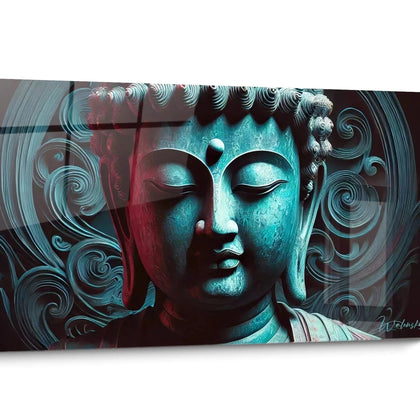 Artwork for Clinic100
artworks
Artwork for Clinic100
artworks
-
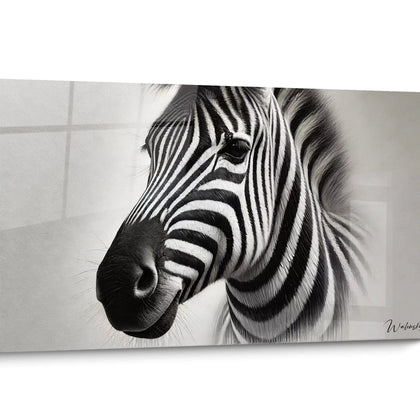 Black and White Medical Clinic Wall Art4
artworks
Black and White Medical Clinic Wall Art4
artworks
-
 Abstract Art for Medical Clinics15
artworks
Abstract Art for Medical Clinics15
artworks
-
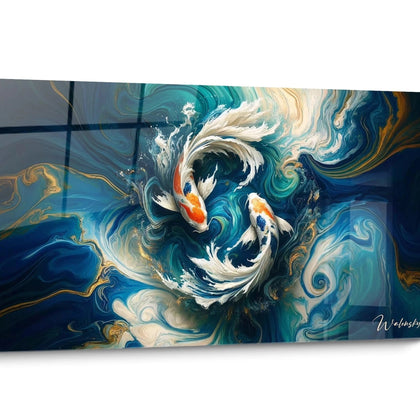 Golden Clinic Wall Art18
artworks
Golden Clinic Wall Art18
artworks
-
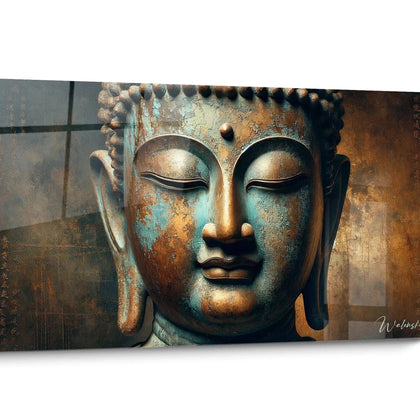 Turquoise Wall Art for Medical Clinic9
artworks
Turquoise Wall Art for Medical Clinic9
artworks
-
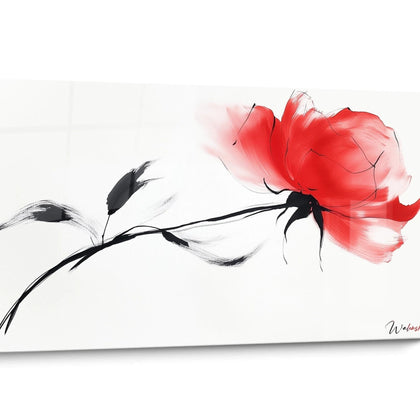 Floral Wall Art for Medical Clinics24
artworks
Floral Wall Art for Medical Clinics24
artworks
-
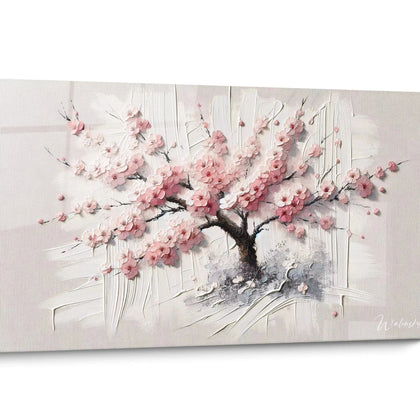 Japanese Wall Art for Medical Clinic18
artworks
Japanese Wall Art for Medical Clinic18
artworks
-
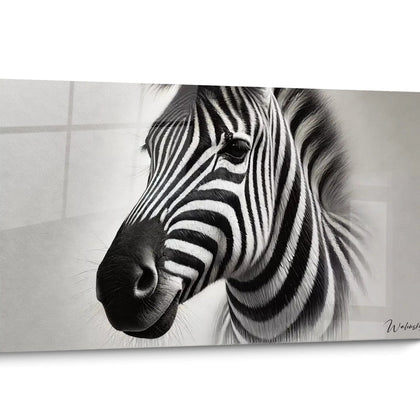 Minimalist Wall Art for Medical Clinics22
artworks
Minimalist Wall Art for Medical Clinics22
artworks
-
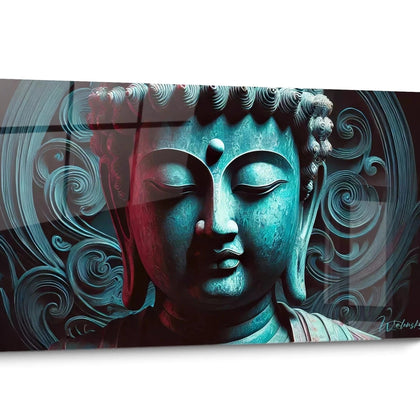 Wall Art for Meditation Clinic21
artworks
Wall Art for Meditation Clinic21
artworks
-
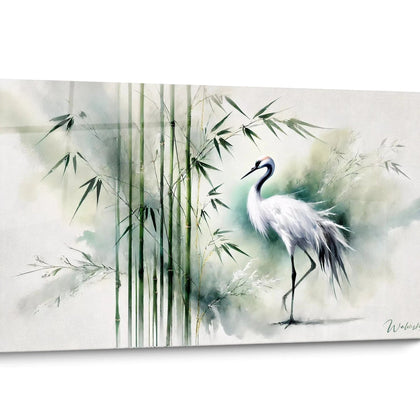 Bamboo Wall Art for Medical Clinic8
artworks
Bamboo Wall Art for Medical Clinic8
artworks

All about Watercolor Wall Art for Medical Clinic
- Watercolor Clinic Art Presentation
- Patient Well-being in Medical Environments
- Clinical Regulations and Healthcare Settings
- Professional Selection and Installation
The watercolor clinic artwork fundamentally transforms the atmosphere of medical spaces by replacing institutional coldness with therapeutic visual softness. These artistic compositions specifically designed for healthcare facilities harness the calming properties of chromatic gradations and the fluidity of diluted pigments to reduce preoperative anxiety and promote patient psychological well-being throughout their care journey. Integration of large-format visuals with pastel tones in waiting areas, consultation rooms, and hospital corridors aligns with modern human-centered healthcare architecture environmental recommendations.
The Psychological Impact of Watercolors in Medical Environments
The watercolor clinic artwork acts as a natural emotional regulator in spaces where medical apprehension reaches its peak. Environmental psychology research demonstrates that compositions using transparent washes and soft chromatic transitions reduce blood pressure by 8 to 12% in patients awaiting procedures. This measurable physiological reduction is explained by parasympathetic nervous system activation when facing organic patterns and soothing hues characteristic of watercolor creations.
Why does watercolor outperform other styles in clinical settings?
Unlike geometric abstract clinic compositions which can generate excessive cognitive stimulation, watercolor renderings present a benevolent formal ambiguity allowing each viewer personalized non-threatening interpretation. Blurred contours and translucent overlays avoid direct visual confrontation, particularly beneficial for patients suffering from sensory hypersensitivity or acute anxiety episodes related to medical procedures.
Color palettes adapted to specific medical conditions
Selection of dominant colors in watercolor clinic artwork must correspond to medical specialties practiced. Cardiology departments favor cerulean blues and emerald greens promoting cardiac regulation, while pediatric units opt for lemon yellows and dusty pinks stimulating without overstimulation. Oncology departments seek lavender and salmon tones for their documented ability to mitigate psychological side effects of intensive treatments, creating visual sanctuaries during extended sessions.
Monumental scale in service of therapeutic immersion
Generous formats exceeding 120 centimeters generate a visual enveloping effect transforming clinical walls into contemplative windows. This dimensional strategy creates illusory depth in often confined spaces, where large-format watercolor becomes an active architectural element rather than simple decoration. Vaporous aquatic landscapes or diffuse botanical gardens offer meditation focal points particularly effective during stress-generating waiting periods.
Sanitary Compliance and Durability in Healthcare Facilities
Regulatory requirements for medical wall coverings
Watercolor clinic artwork intended for hospital environments must comply with strict nosocomial infection prevention standards. Surfaces must be non-porous and washable to resist daily disinfection protocols using hydroalcoholic solutions and biocidal agents. Inks and fixatives require M1 certification regarding fire reaction, guaranteeing absence of toxic emissions in case of fire according to fire safety directives for ERP type U establishments.
How do antimicrobial protective treatments preserve artworks?
Surface treatments incorporating ionic silver particles or copper compounds prevent bacterial colonization on exposed areas, a critical issue in immunocompromised departments. These transparent protection technologies maintain characteristic watercolor luminosity while creating a hostile barrier to airborne pathogens. The operational longevity of properly treated watercolor clinic artwork reaches 8 to 12 years despite rigorous hygiene constraints, representing a sustainable investment for hospital renovation budgets.
Fade resistance under intensive medical lighting
Surgical illumination systems and high-intensity fluorescents present in healthcare facilities accelerate photochemical degradation of standard pigments. Prints intended for clinical environments use mineral-based inks stable against UV-A and UV-B spectra, preserving delicate hues typical of watercolor renderings. Filtering varnishes applied in final phase block 99% of harmful radiation without altering perception of subtle chromatic transitions essential to desired calming effect.
Simplified maintenance adapted to operational constraints
Hospital cleaning protocols tolerating no dust reservoirs benefit the watercolor clinic artwork with perfectly flat surfaces without reliefs or particle-trapping textures. Simple microfiber wipes dampened with neutral detergents suffice for daily hygiene, unlike sculpted frames or textured supports requiring time-consuming interventions. This maintenance ease guarantees compliance with quality audits conducted by regional health agencies during accreditation evaluations.
Deployment Strategies and Spatial Optimization
Strategic positioning according to patient flow
Installation of watercolor clinic artwork follows precise mapping of prolonged waiting zones and anxiety-generating corridors. Placements facing reception seating and pre-consultation alcoves maximize visual exposure during critical stress escalation moments. Eye trajectory studies reveal patients naturally focus on watercolor compositions during 40% of waiting time when occupying central visual field at seated eye height, approximately 110-130 centimeters from floor.
Which formats to prioritize for different hospital departments?
Chemotherapy rooms with extended sessions advantageously accommodate 180-centimeter panoramic formats creating immersive virtual windows, while individual consultation offices opt for 100-120 centimeter dimensions preserving conversational intimacy. Circulation corridors require coordinated series of watercolor clinic artworks spaced 2 meters apart, creating visual rhythm accompanying movement without disturbing stroboscopic effects.
Accent lighting in medical environments
Unlike art galleries, clinics cannot install energy-consuming directional projectors. LED lighting solutions integrated into ceilings with 4000K color temperature preserve watercolor chromatic subtleties while respecting 500 lux functional lighting requirements imposed in medical spaces. Dimmable systems allow evening attenuation, transforming watercolor clinic artwork into calming focal points during night shifts.
Coordination with facility visual identity
Hospital management seeks coherence between institutional brand guidelines and artistic acquisitions. Watercolor collections can be personalized according to facility corporate colors, reinforcing brand image while preserving therapeutic benefits of fluid renderings. This integrated approach transforms artistic development into identity recognition vector for recurring patients, creating reassuring visual landmarks in often disorienting care pathways.
What installation timeframes should be planned for watercolor clinic artwork?
Healthcare facilities require interventions without patient presence, typically scheduled during evening or weekly closures. Anti-vandalism and seismic-resistant fastening systems require 45-60 minutes installation per unit, including wall anchor verification conforming to current PS-MI seismic standards. Specialized companies provide compliance certificates essential during safety audits.
How to refresh visuals without fatiguing chronic patient populations?
Services welcoming long-term treatment patients benefit from seasonal rotations, with spring palettes of tender greens succeeding winter blues. This renewal strategy maintains psychologically stimulating novelty effect while conserving soothing watercolor coherence. Discreet rail systems facilitate these permutations without heavy technical interventions or wall support degradation.
Are watercolor clinic artworks suitable for pediatric zones?
Pediatric departments adopt watercolor compositions representing soft imaginative worlds - benevolent fantasy creatures, dreamlike pastel landscapes - stimulating cognitive distraction in anxious children without infantilization. Interactive formats where young patients identify different elements transform passive waiting into playful exploration, reducing preoperative stress behavioral manifestations by 35% according to pediatric psychological preparation protocols.
Further reading


