


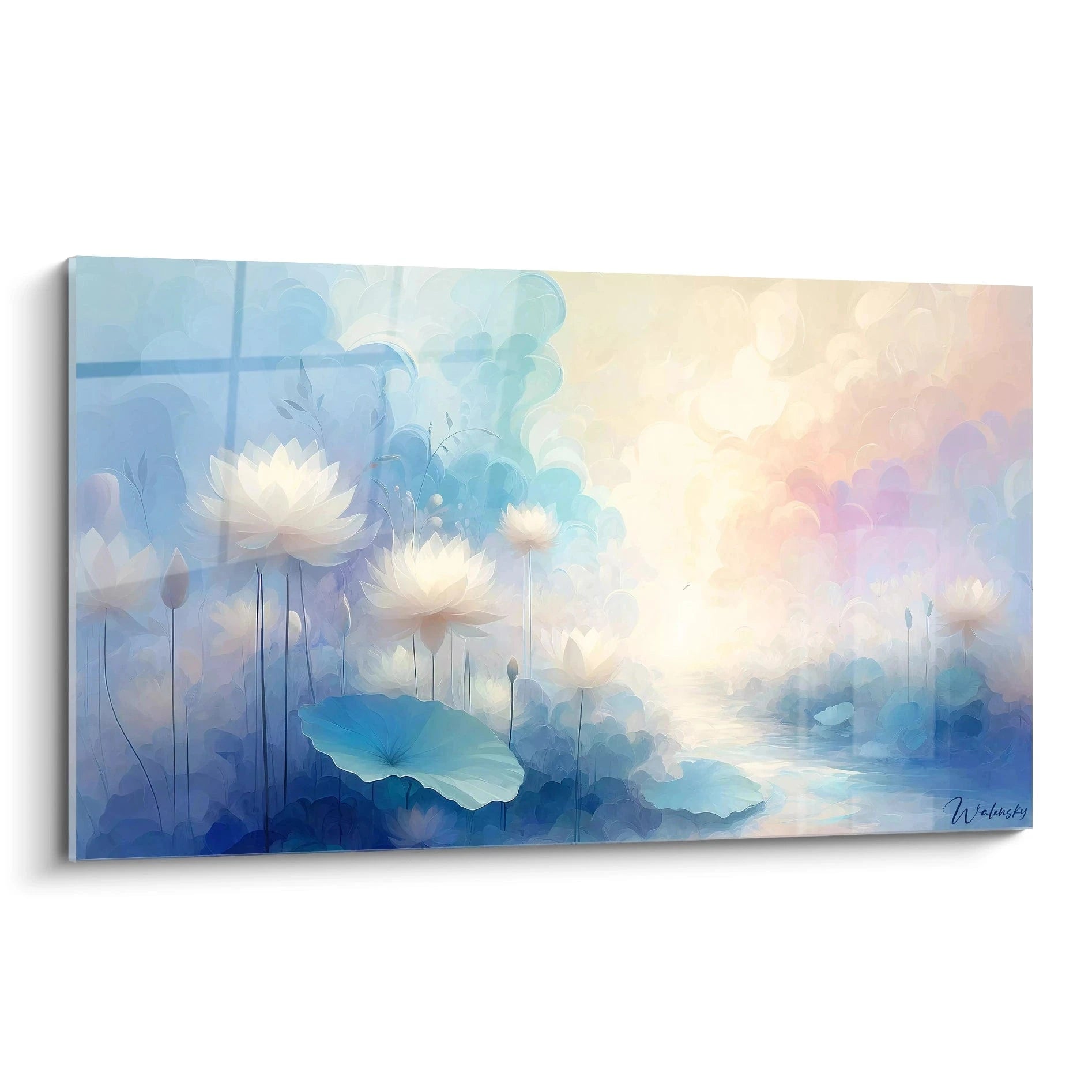
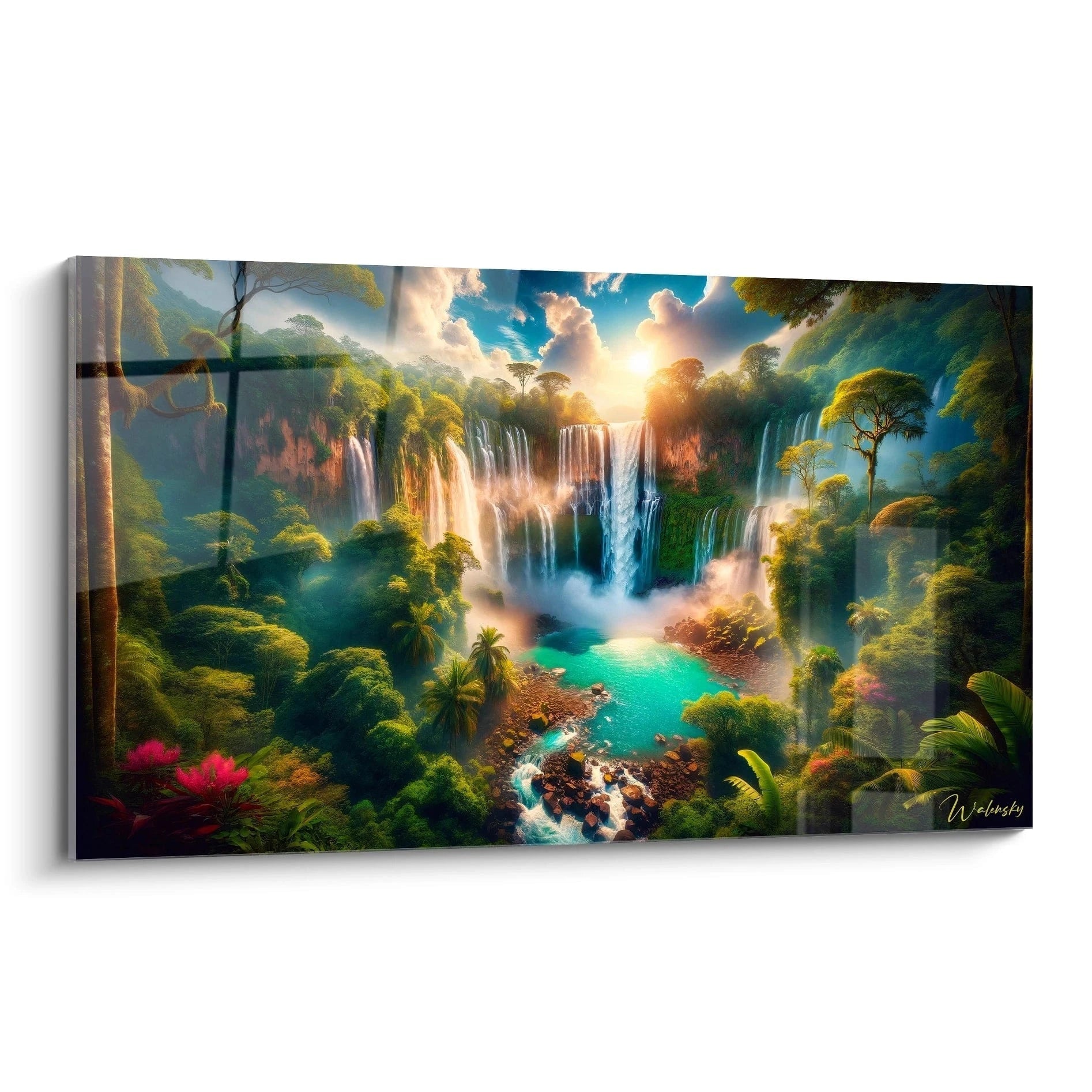
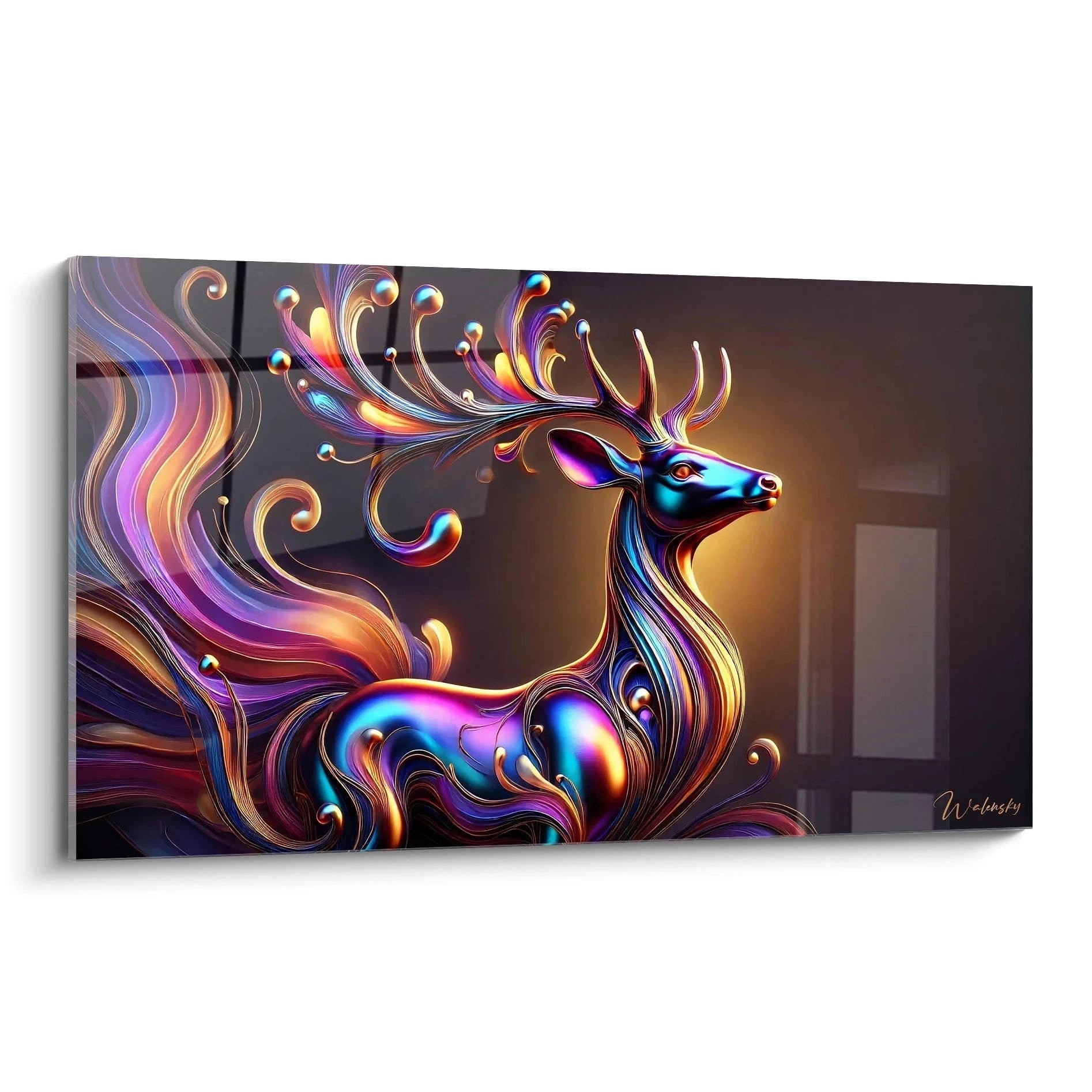
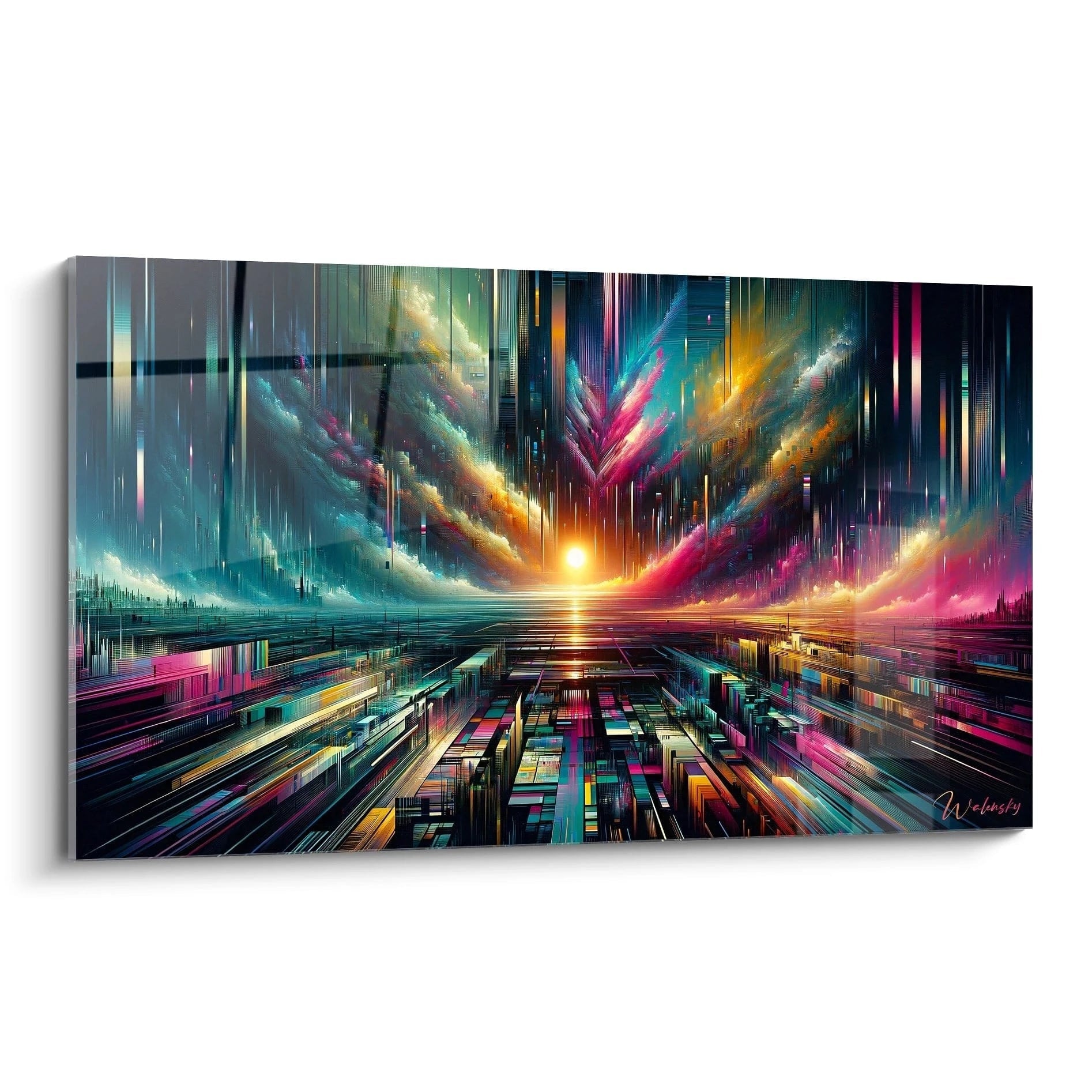
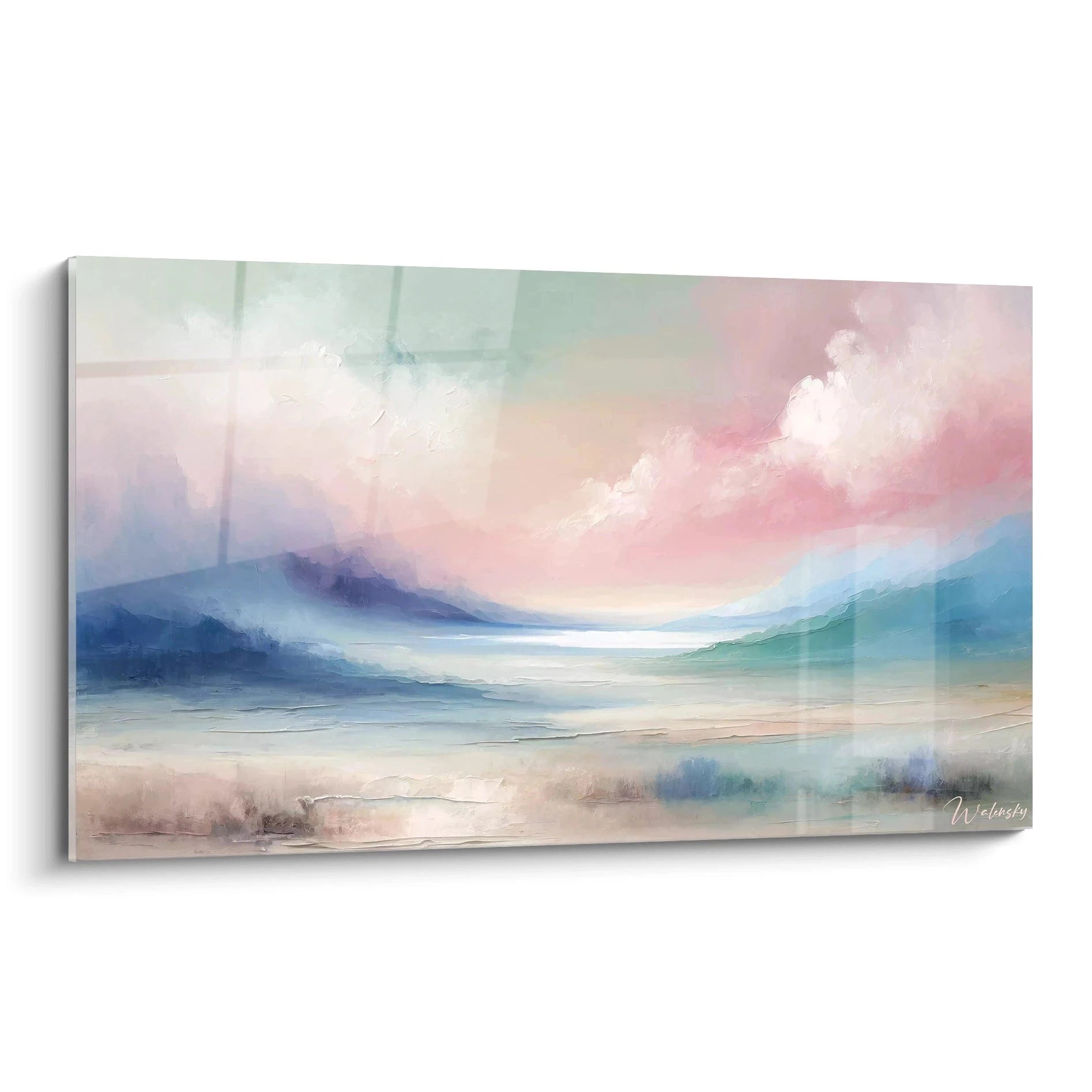


Japanese Wall Art for Medical Clinic
Our Painting for Japanese clinic collection transforms your medical spaces into havens of peace. Inspired by traditional Japanese aesthetics, each work evokes the serenity of Zen gardens, the delicacy of cherry blossoms, and Japanese minimalist harmony. These artistic creations bring a décoration murale apaisante pour cabinet médical and promote patient relaxation. Art japonais pour salle d'attente creates an atmosphere conducive to well-being and healing, while enhancing your professional space.
 Wall Art In the Silence of the Reeds - Japanese Asia Edition273,90 €
 Canvas Flower Painting - Asia Edition273,90 €
 High Perch Wall Art - Asia Edition273,90 €
 Cherry Blossom Wall Art No. 2 - Nature Edition273,90 €
 Under the Leaves Canvas, a Poetry - Zen Koi Edition273,90 €
 Eternal Roots Wall Art - Zen Tree of Life Edition273,90 €
 Mountain Soul Canvas - Mount Fuji Asia Edition273,90 €
 Asian wall art No. 1 - Asia Edition273,90 €
 Serenity Walk Painting - Black & White Edition273,90 €
 Flowers and Lanterns Canvas - Zen Edition273,90 €
 Floral Softness Artwork - Zen Edition273,90 €
 Moon Flower Painting - Zen Edition273,90 €
 River of Dreams Wall Art - Asia Edition273,90 €
 Petals Poetry Wall Art - Asia Edition273,90 €
 Flower Garden Wall Art - Asia Edition273,90 €
 Perfect Balance Artwork - Asia Edition273,90 €
 Spring Softness Wall Art - Asia Edition273,90 €
 Mist and Cherry Blossoms Wall Art - Asia Edition273,90 €
Explore further
In Japanese Wall Art for Medical Clinic
-
 Artwork for Clinic100
artworks
Artwork for Clinic100
artworks
-
 Watercolor Wall Art for Medical Clinic6
artworks
Watercolor Wall Art for Medical Clinic6
artworks
-
 Black and White Medical Clinic Wall Art4
artworks
Black and White Medical Clinic Wall Art4
artworks
-
 Abstract Art for Medical Clinics15
artworks
Abstract Art for Medical Clinics15
artworks
-
 Golden Clinic Wall Art18
artworks
Golden Clinic Wall Art18
artworks
-
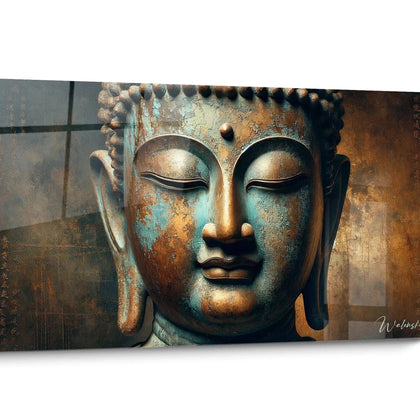 Turquoise Wall Art for Medical Clinic9
artworks
Turquoise Wall Art for Medical Clinic9
artworks
-
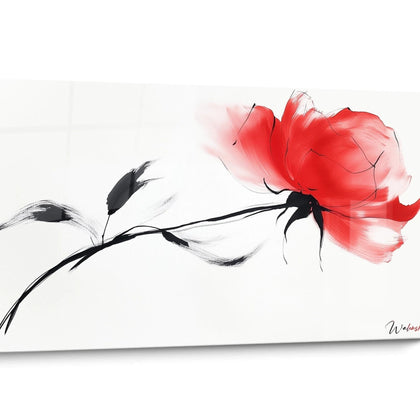 Floral Wall Art for Medical Clinics24
artworks
Floral Wall Art for Medical Clinics24
artworks
-
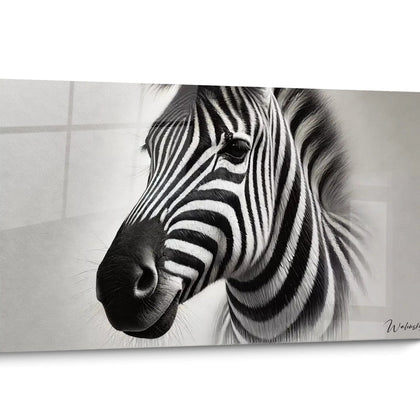 Minimalist Wall Art for Medical Clinics22
artworks
Minimalist Wall Art for Medical Clinics22
artworks
-
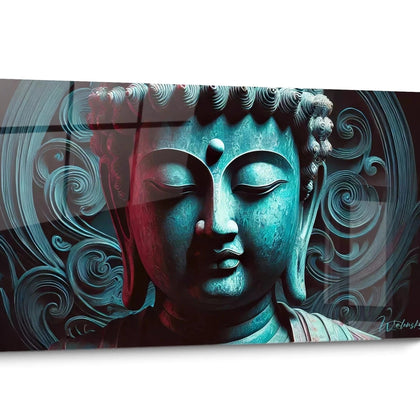 Wall Art for Meditation Clinic21
artworks
Wall Art for Meditation Clinic21
artworks
-
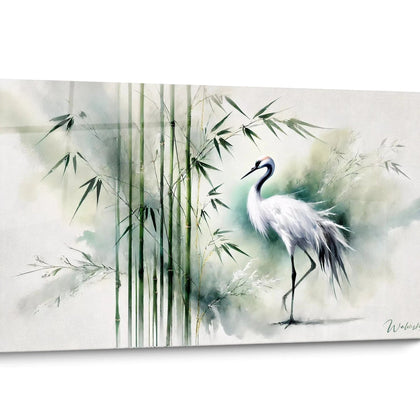 Bamboo Wall Art for Medical Clinic8
artworks
Bamboo Wall Art for Medical Clinic8
artworks

All about Japanese Wall Art for Medical Clinic
- Presentation Clinical Painting Japanese
- Japanese Aesthetics in Medical Settings
- Patient Soothing and Japanese Design
- Selection and Integration
The Japanese clinical paintings transform the medical environment into a serene space where Japanese aesthetics meets healthcare requirements. These large-scale wall decorations combine the zen principles of Japanese minimalism with the specific needs of healthcare facilities, creating an atmosphere conducive to the well-being of patients and caregivers. The integration of visual elements inspired by Japanese culture into clinical spaces significantly reduces preoperative anxiety and promotes an optimized therapeutic environment.
Medical Aesthetics Inspired by Japan
Incorporating a Japanese clinical painting into care spaces responds to a specific philosophy where beauty directly contributes to the healing process. Traditional representations such as cherry blossoms, stylized wave patterns, or Mount Fuji landscapes offer soothing focal points during anxious waiting periods. These visual compositions exploit the Japanese concept of ma, this intentional negative space that allows the eye to rest and the mind to find balance.
How do Japanese symbols influence patient perception?
The traditional Japanese motifs integrated into these wall paintings act as subtle psychological triggers. Japanese cranes evoke longevity and the hope of recovery, while bamboo symbolizes resilience in the face of medical adversity. Patients exposed to these Japanese iconography during their care journey demonstrate a measurable reduction in salivary cortisol, particularly in oncology and palliative care services where the psychological dimension is of paramount importance.
Adapting wabi-sabi principles to clinical constraints
Wabi-sabi, this Japanese aesthetic valuing imperfection and impermanence, finds a particular resonance in medical environments. A Japanese clinical painting integrating these principles presents textures evoking aged washi paper or natural patinas, creating an emotional connection with the cycles of bodily transformation experienced by patients. These visual representations subtly normalize processes of change and healing, reducing distress associated with temporary physical alterations. To diversify the atmosphere, some establishments combine these works with abstract paintings for clinics in complementary spaces.
Chromotherapy and traditional Japanese color palette
Japanese paintings for clinics exploit a specific color range derived from traditional Japanese pictorial art. Indigo blues reminiscent of natural aizome dyes reduce blood pressure and slow heart rate in preoperative areas. Pale pinks inspired by sakura stimulate serotonin production during long hospitalizations, while moss greens evoking zen gardens promote the concentration of medical staff during extended consultations. This calibrated color selection transforms examination rooms into visual refuges.
The Therapeutic Contribution of Japanese Imagery
Integrating a painting for a Japanese clinic into care pathways constitutes a documented non-pharmacological environmental intervention. Studies conducted in hospitals equipped with these wall compositions reveal a 23% reduction in preoperative anxiolytic requests when surgical waiting rooms feature scenes of Japanese gardens or floating torii gates. These images trigger measurable parasympathetic responses, physiologically preparing patients for invasive procedures.
Positive cognitive distraction during treatments
Large-scale Japanese wall compositions offer sufficiently rich visual landscapes to generate effective cognitive distraction during painful protocols. A painting depicting a winding path through a bamboo forest allows patients to mentally visualize progression, a particularly effective technique during chemotherapy or dialysis sessions. The depth of field created by traditional Japanese perspectives actively engages selective attention, diverting cognitive resources from nociceptive perception.
Which Japanese motifs are suitable for different medical departments?
The thematic selection of a painting for a Japanese clinic should be adapted to departmental specifics. Pediatric services benefit from representations of colorful koi carp evoking courage and perseverance, captivating the attention of young patients during anxiety-provoking procedures. Geriatric units prefer nostalgic scenes of traditional Japanese villages, stimulating positive reminiscence and reducing evening agitation. Fertility centers opt for spring floral motifs symbolizing renewal and fertility, subtly reinforcing hope during assisted reproduction journeys.
Visual architecture and patient circulation
The strategic positioning of Japanese paintings in clinical pathways creates visual landmarks facilitating spatial orientation for stressed patients. A sequence of wall compositions illustrating the four Japanese seasons along a hospital corridor generates a visual narrative naturally guiding movement while reducing the perception of distance. These large-scale installations transform functional trajectories into contemplative experiences, diminishing the apprehension associated with movement towards intimidating treatment areas.
Selection Criteria for Healthcare Environments
The choice of a painting for a Japanese clinic requires the evaluation of specific technical criteria for medical environments. Monumental formats are essential in reception halls and collective consultation areas where multiple long-distance visibility optimizes the soothing impact. Compositions measuring beyond 120 centimeters create sufficient visual immersion to generate an emotional response even in preoccupied patients, unlike reduced formats easily ignored in stressful situations.
Resistance to intensive hospital hygiene protocols
Paintings intended for clinics must withstand repeated disinfection with alcohol-based solutions and hospital detergents without chromatic alteration. Perfectly smooth surfaces without relief or absorbent texture prevent bacterial colonization and facilitate regulatory bio-cleaning protocols. This chemical resistance guarantees the durability of delicate Japanese representations without degradation of the subtle nuances characteristic of this aesthetic, maintaining visual integrity during intensive disinfection cycles imposed by DASRI standards.
What location optimizes the therapeutic effect of Japanese visuals?
The installation of a wall art piece for a Japanese clinic adheres to precise ergonomic principles. In consultation rooms, positioning facing the patient's seat allows for natural visual focus during difficult diagnostic announcements, offering a non-verbal attentional refuge. Collection rooms benefit from left-side placement, exploiting the peripheral visual field to maintain a soothing presence without diverting attention from the technical gesture. Medical imaging areas prioritize ceiling installations with zenithal views of Japanese gardens, combating claustrophobia during prolonged MRI exams.
Harmonization with contemporary medical equipment
The integration of traditional Japanese aesthetics into technological clinical environments creates an intentional contrasting humanizing effect. A painting evoking Zen simplicity visually counterbalances the intimidating complexity of medical devices, restoring psychological balance in environments otherwise dominated by surgical steel and digital screens. This visual duality subconsciously reassures the complementarity between technological advancements and a human approach to care, particularly valued in robotic surgery or radiotherapy departments.
Can a wall art piece for a Japanese clinic really influence clinical outcomes?
Evidence demonstrates that the visual environment measurably impacts physiological stress markers and patient satisfaction. Healthcare facilities that have integrated Japanese compositions into their care spaces report improved hospital experience scores and reduced postoperative stay durations, suggesting a facilitating effect on recovery processes. Investing in these visual arrangements aligns with patient experience optimization strategies now central to the qualitative evaluation of healthcare facilities.
Do traditional Japanese motifs remain relevant for a multicultural patient base?
The universality of Japanese natural themes transcends cultural barriers. Representations of natural phenomena such as waves, mountains, or seasons communicate emotionally regardless of the cultural background of patients. This immediate visual accessibility makes a wall art piece for a Japanese clinic an inclusive choice for facilities serving diverse populations, avoiding overly specific cultural references while offering a distinctive and memorable aesthetic identity.
How to sustainably maintain these compositions in a demanding medical context?
The maintenance of Japanese paintings in clinical environments is limited to a bi-weekly wiping with standard hospital disinfectant wipes. The absence of protruding frames or complex structures eliminates problematic dust-retention areas in aseptic spaces. This ease of maintenance allows installation in all clinical sectors without additional logistical constraints, including high-risk infectious areas where every decorative element must justify its benefit-risk ratio for sanitary constraints.
L'art qui suscite l'envie
Maison belge d'art mural grand format
14 jourspour changer d'avis*
Protection Walenskyincluse
Fabriquéen Italie
FormatXXL
Kit de fixationtoujours fourni
* Hors tableaux personnalisés et tailles personnalisées


