

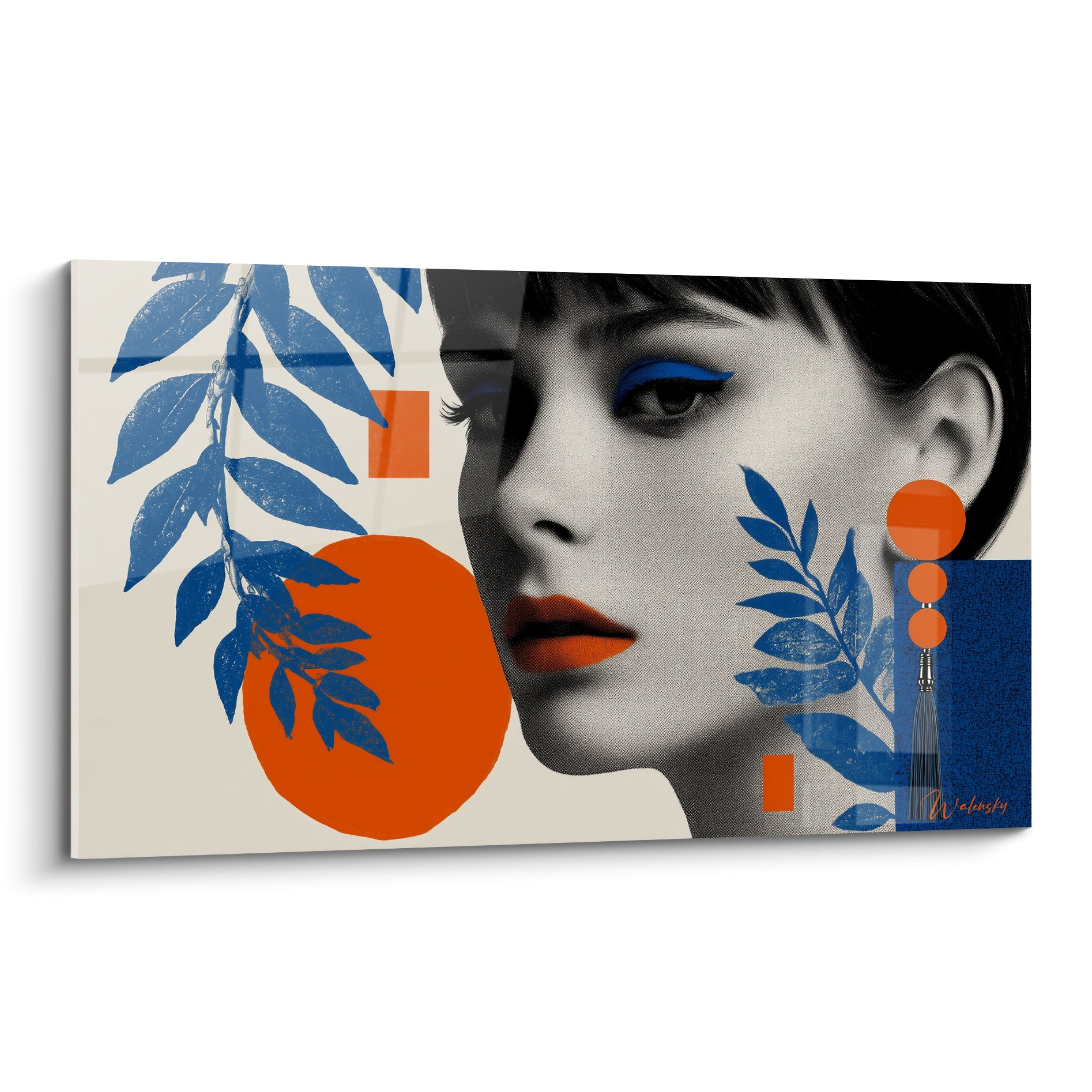







Turquoise Wall Art for Medical Clinic
Our Painting for clinic Turquoise collection transforms your medical spaces into havens of peace. These works with soothing turquoise nuances create a relaxing atmosphere ideal for medical office wall decoration. Perfectly suited for waiting rooms, dental clinics and healthcare facilities, these creations combine contemporary aesthetics and soothing virtues. Turquoise tones promote patient relaxation and art for healthcare space professional. Explore our selection to enhance your medical environment.
 Ginkgo Leaf Wall Art No. 3 - Nature Edition273,90 €
 Painting Inspired by Claude Monet's Water Lilies No. 2 – Tribute to a Renowned Artist273,90 €
 Azure Mist Wall Art - Abstract Seascape Edition273,90 €
 Indigo Wisdom Wall Art - Zen Edition273,90 €
 Deep Peace Wall Art - Zen Edition273,90 €
 Floral Softness Artwork - Zen Edition273,90 €
 Balance Wall Art - Zen Edition273,90 €
 Calm Turquoise Wall Art - Zen Edition273,90 €
 Flower Garden Wall Art - Asia Edition273,90 €
Explore further
In Turquoise Wall Art for Medical Clinic
-
 Artwork for Clinic100
artworks
Artwork for Clinic100
artworks
-
 Watercolor Wall Art for Medical Clinic6
artworks
Watercolor Wall Art for Medical Clinic6
artworks
-
 Black and White Medical Clinic Wall Art4
artworks
Black and White Medical Clinic Wall Art4
artworks
-
 Abstract Art for Medical Clinics15
artworks
Abstract Art for Medical Clinics15
artworks
-
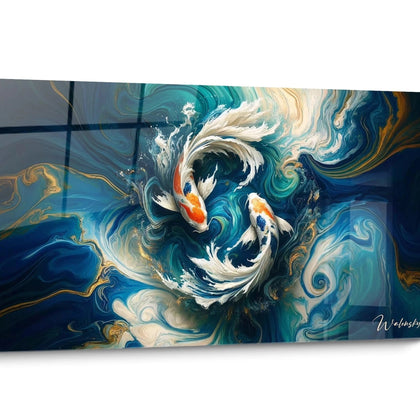 Golden Clinic Wall Art18
artworks
Golden Clinic Wall Art18
artworks
-
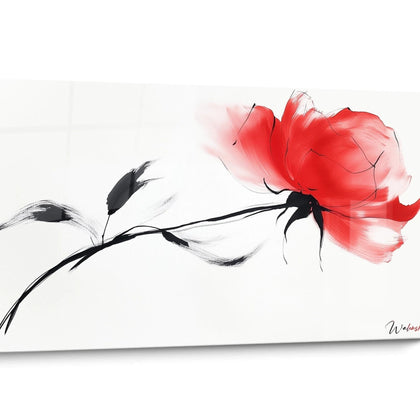 Floral Wall Art for Medical Clinics24
artworks
Floral Wall Art for Medical Clinics24
artworks
-
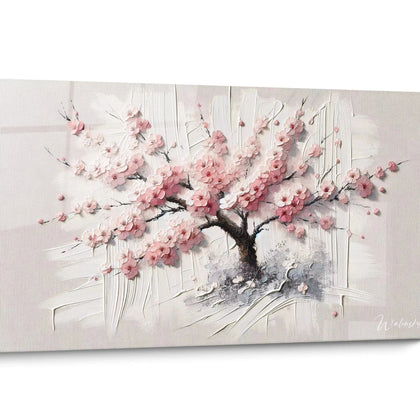 Japanese Wall Art for Medical Clinic18
artworks
Japanese Wall Art for Medical Clinic18
artworks
-
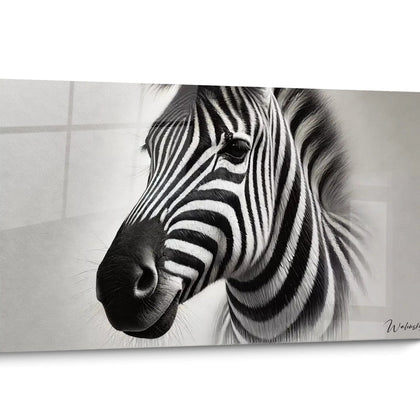 Minimalist Wall Art for Medical Clinics22
artworks
Minimalist Wall Art for Medical Clinics22
artworks
-
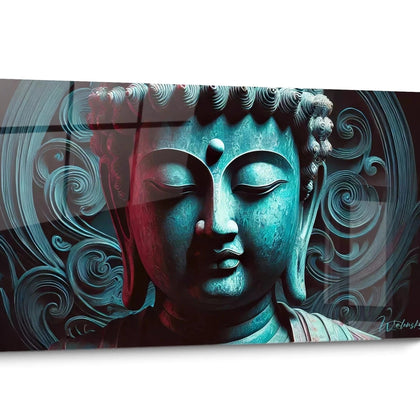 Wall Art for Meditation Clinic21
artworks
Wall Art for Meditation Clinic21
artworks
-
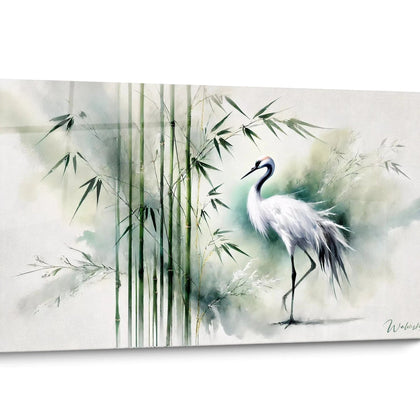 Bamboo Wall Art for Medical Clinic8
artworks
Bamboo Wall Art for Medical Clinic8
artworks

All about Turquoise Wall Art for Medical Clinic
- Turquoise Clinical Wall Art Presentation
- Therapeutic Effects
- Medical Environment Adaptation
- Selection Criteria
Wall art for turquoise clinics radically transforms the atmosphere of medical spaces by diffusing a shade recognized for its soothing and reassuring properties. This specific color meets the rigorous requirements of care environments where patient stress management is an absolute priority. Our large-format designs provide sufficient visual presence to divert attention from preoperative concerns or apprehensions related to specialized consultations. The use of turquoise in healthcare facilities is based on behavioral studies demonstrating measurable anxiety reduction in patients exposed to this particular shade. These wall creations naturally integrate into cardiology waiting areas, surgical preparation zones, and oncology services where psychological well-being directly influences therapeutic cooperation.
The Psychophysiological Impact of Turquoise in Medical Environments
Why does turquoise wall art for clinics influence patient heart rate?
The turquoise clinical wall art exploits a fascinating neurological characteristic: this specific wavelength stimulates visual receptors in a way that naturally slows cardiovascular parameters. In day hospitalization services, this property allows physiological preparation of patients for invasive procedures without systematically resorting to anxiolytics. Interventional cardiologists observe a notable decrease in pre-examination tachycardia episodes when their preparation rooms integrate these decorative elements within their direct visual field.
Interventional radiology centers adopt these wall compositions in their transition zones where patients wait before stressful medical imaging examinations. The perception of waiting time is modified by the calming effect of this shade, transforming a potentially distressing experience into a moment of mental refocusing. This environmental approach complements therapeutic communication protocols by acting on unconscious mechanisms of emotional regulation.
Regulation of preoperative anxiety states
In ambulatory surgical circuits, turquoise clinical wall art plays a strategic role in managing critical phases preceding anesthesia. Anesthesiologists note that exposure to this specific coloration during the fifteen minutes before the procedure helps stabilize vital parameters, thereby facilitating anesthetic induction. This prior stabilization reduces the doses of sedatives needed and accelerates postoperative awakening phases.
Ophthalmologic surgery services particularly benefit from these visual installations. For interventions where conscious patient cooperation remains essential, maintaining a state of vigilant relaxation constitutes a permanent challenge. The turquoise chromatic environment creates this ideal compromise between calming and maintaining consciousness, allowing high-precision technical gestures without major psychological discomfort for the patient.
How does this color optimize postoperative recovery?
Continuous monitoring units now integrate these decorative elements into their architectural design after observing their influence on restorative sleep cycles. Turquoise promotes natural melatonin secretion even in the presence of continuous artificial lighting, a recurring problem in services operating 24 hours a day. Patients exposed to this chromatic ambiance present longer REM sleep phases, essential for tissue healing and cellular regeneration. To discover other complementary visual approaches, explore our abstract clinical wall art collection which offers stimulating alternatives for different therapeutic spaces.
Renal dialysis centers, where patients spend several hours immobile, exploit this property to improve tolerance of prolonged sessions. The decreased pain perception associated with the turquoise environment allows reduction of requests for supplementary analgesics, thereby limiting medication side effects on organisms already weakened by chronic renal insufficiency.
Adaptation to Specific Sanitary Requirements
Resistance to intensive decontamination protocols
The turquoise clinical wall art must imperatively resist hospital cleaning protocols using aggressive disinfectant solutions based on chlorine or quaternary ammoniums. Our large-format designs withstand up to fifteen daily decontamination cycles without visible chromatic saturation alteration, a crucial requirement in operating rooms or intensive care services where asepsis remains non-negotiable. This exceptional durability results from specific surface treatment preventing the penetration of oxidizing agents into deep pigment layers.
Infectiology services, confronted with multidrug-resistant pathogens, impose even more rigorous decontamination standards. These high biological risk zones require decorative elements capable of undergoing hydrogen peroxide vapor or ultraviolet radiation treatments without structural degradation. The dimensional stability of our wall creations guarantees the absence of deformation even after repeated exposure to these environmental sterilization processes.
What are the applicable fire safety standards?
Healthcare facilities must comply with particularly strict fire reaction classifications, namely the M1 standard or its European equivalent Euroclasse B-s2-d0. Turquoise clinical wall art meets these essential regulatory requirements for installations in evacuation corridors, hospital rooms, and common areas. This certified compliance avoids costly subsequent standard updates during safety commission visits.
Private cosmetic surgery facilities, although subject to the same legal constraints, pay particular attention to the overall aesthetics of their installations. These structures seek to reconcile maximum safety and visual refinement, an objective perfectly achieved by our turquoise compositions that mask their technical nature behind a resolutely contemporary and luxurious appearance.
Compatibility with sensitive medical equipment
Magnetic resonance imaging services impose absolute magnetic constraints, excluding any ferromagnetic component within a defined safety radius. Our mounting systems use exclusively non-magnetic materials compatible with the intense magnetic fields generated by 3 Tesla MRI. This technical compatibility allows humanizing naturally anxiety-inducing spaces through their confinement and high noise level.
Interventional radiology operating rooms, equipped with image intensifiers and digital flat-panel detectors, require total absence of parasitic reflections that could disturb image quality. The anti-glare surface treatment of our turquoise clinical wall art eliminates secondary glare even under the intense surgical lighting of operating rooms, thereby preserving the diagnostic and procedural precision of practitioners.
Optimal Selection for Each Medical Service
Adaptation to high-emotional-charge specialties
Medical oncology services require a particularly studied chromatic approach, where turquoise clinical wall art finds its most obvious justification. This specialty confronts patients daily with devastating diagnoses and heavy treatments generating existential anxiety and major psychological distress. The turquoise visual environment attenuates the emotional impact of difficult announcements by creating a soothing perceptual bubble, thereby facilitating acceptance of complex therapeutic protocols.
Level III maternity units, welcoming pathological pregnancies and premature newborns, also benefit from this stabilizing chromatic atmosphere. Parents confronted with neonatal hospitalization experience a period of extreme emotional vulnerability where every environmental element influences their capacity for adaptation. Nursing rooms and family spaces adjacent to neonatal intensive care units systematically integrate these wall compositions into recent architectural design.
Sizing according to architectural volumes
Reception halls of university hospital centers, characterized by ceiling heights exceeding four meters, require monumental formats to maintain significant visual presence. Our large-format creations establish a harmonious scale ratio with these imposing volumes, avoiding the effect of anecdotal decoration that would dilute the desired therapeutic impact. Strategic positioning facing circulation flows transforms these transitional spaces into psychological decompression zones.
Specialized consultation offices, with more contained dimensions, favor formats allowing immediate visual focus from the patient's seated position. This perceptual proximity reinforces the anxiolytic effect by occupying peripheral visual field sufficiently to trigger neurological relaxation mechanisms. The optimal observation distance is between two and three meters, a determining parameter for precise wall placement.
What criteria determine ideal chromatic saturation?
The intensity of the turquoise shade must be calibrated according to the natural light exposure of each space. Services benefiting from abundant solar input tolerate high saturations which, under these conditions, reveal their depth and tonal complexity. Conversely, zones with permanent artificial lighting require slightly desaturated shades to avoid excessive cold dominance that could generate perceived thermal discomfort feelings.
Hospital psychiatry units apply even more rigorous chromatic protocols, favoring moderately saturated turquoises avoiding any excessive visual stimulation in patients presenting emotional regulation disorders. This chromatic moderation participates in non-coercive environmental containment strategies, a contemporary therapeutic approach privileging spatial arrangement over physical restrictions.
How to choose turquoise clinical wall art suitable for pediatric waiting rooms?
Spaces dedicated to children require turquoise compositions integrating subtle tonal variations maintaining visual interest without shifting into excessive stimulation. The large format allows integrating shades ranging from deep turquoise to aquamarine variations creating captivating perceptual depth for young patients while preserving the desired calming effect.
What durability should you expect from turquoise clinical wall art in a hospital environment?
Under intensive use conditions with twice-daily decontamination, our creations maintain their chromatic and structural integrity for a minimum of eight to ten years. This exceptional longevity results from manufacturing processes specifically developed to resist the chemical and mechanical constraints of healthcare facilities, guaranteeing a lasting investment.
Is turquoise clinical wall art suitable for geriatric services?
Absolutely, this shade presents even specific advantages for elderly patients by facilitating visual discrimination despite perceptual alterations linked to ocular aging. Turquoise remains perceptible even in cases of beginning cataract or early macular degeneration, thereby maintaining its beneficial effect on this population particularly sensitive to hospital anxiety.
Further reading


