


Minimalist Bedroom Wall Art
Our Wall Art for Bedroom Minimalist collection celebrates the elegance of simplicity and the beauty of austerity. Each artwork embodies the essence of minimalist design for bedroom with clean lines, soft palettes, and harmonious compositions. These creations invite serenity and calm, transforming your intimate space into a haven of peace. Perfect for creating a zen and contemporary atmosphere, our minimalist decorative paintings subtly integrate into all interior styles.
 Waterfall Painting No.1 - Landscape Edition273,90 €
 Fjord Painting No. 1 - Landscape Edition273,90 €
 Poppy Painting No.7 - Nature Edition273,90 €
 Poppy Painting No. 4 - Nature Edition273,90 €
 Poppy Flower Wall Art No. 3 - Nature Edition273,90 €
 Poppy Painting No. 1 - Nature Edition273,90 €
 Ginkgo Leaf Wall Art No. 3 - Nature Edition273,90 €
 Ginkgo Leaf Wall Art No.2 - Nature Edition273,90 €
 Ginkgo Leaf Wall Art No.1 - Nature Edition273,90 €
 Eucalyptus Wall Art No. 1 - Nature Edition273,90 €
 Dahlia N°5 Wall Art - Nature Edition273,90 €
 Arum Wall Art N°4 - Nature Edition273,90 €
 Arum Wall Art No. 3 - Nature Edition273,90 €
 Arum Painting N°2 - Nature Edition273,90 €
 Arum Painting N°1 - Nature Edition273,90 €
 Ephemeral Stability Wall Art - Zen Feng Shui Edition273,90 €
 Airy Softness Wall Art - Feather Nature Edition273,90 €
 Resilient Beauty Painting - Cactus Nature Edition273,90 €
 Essence of Earth Painting - Tree Nature Edition273,90 €
 Natural Softness Wall Art - Flower Nature Edition273,90 €
 Nocturnal Fern Wall Art - Nature Edition273,90 €
 Enchanted Forest Wall Art - Nature Edition273,90 €
 Balance Pastel Wall Art - Zen Edition273,90 €
 Calm Abstract Painting - Zen Edition273,90 €
Explore further
In Minimalist Bedroom Wall Art
-
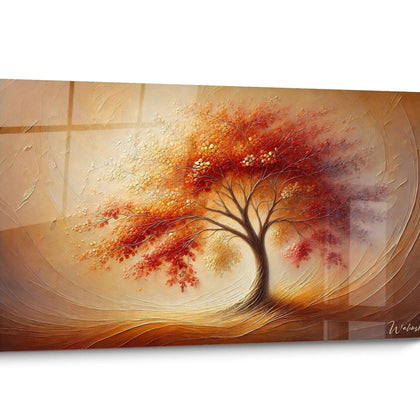 Bedroom Wall Art433
artworks
Bedroom Wall Art433
artworks
-
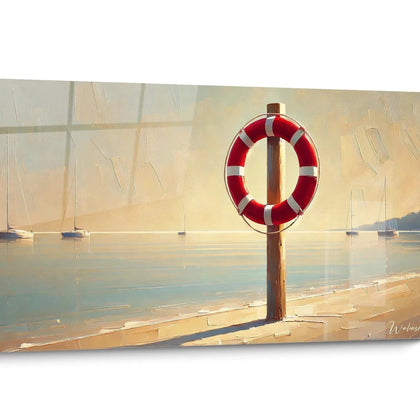 Zen Bedroom Wall Art24
artworks
Zen Bedroom Wall Art24
artworks
-
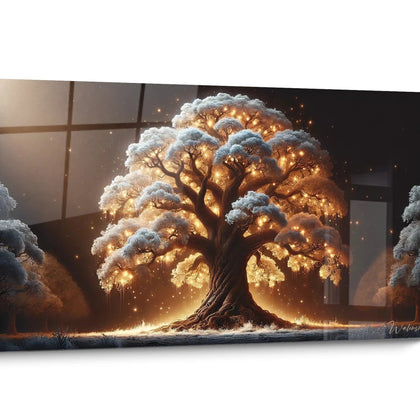 Golden Bedroom Wall Art24
artworks
Golden Bedroom Wall Art24
artworks
-
 Tropical Bedroom Wall Art23
artworks
Tropical Bedroom Wall Art23
artworks
-
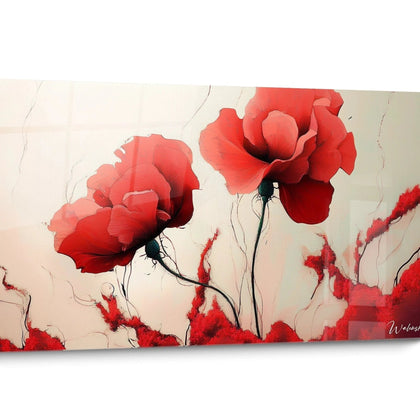 Floral Bedroom Wall Art24
artworks
Floral Bedroom Wall Art24
artworks
-
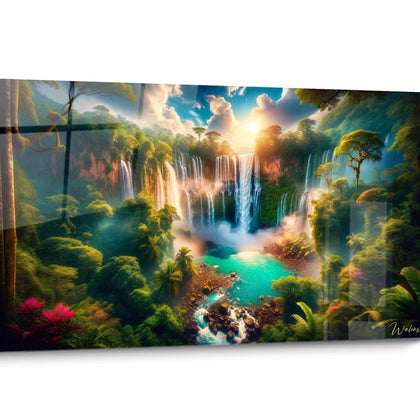 Landscape Wall Art for Bedroom24
artworks
Landscape Wall Art for Bedroom24
artworks
-
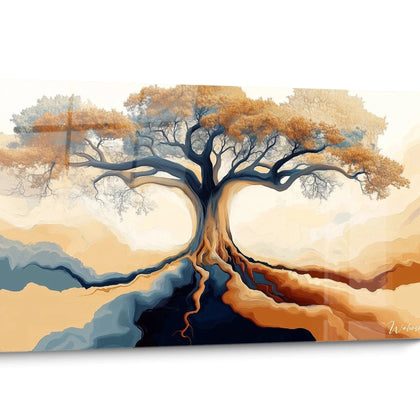 Modern Bedroom Wall Art24
artworks
Modern Bedroom Wall Art24
artworks
-
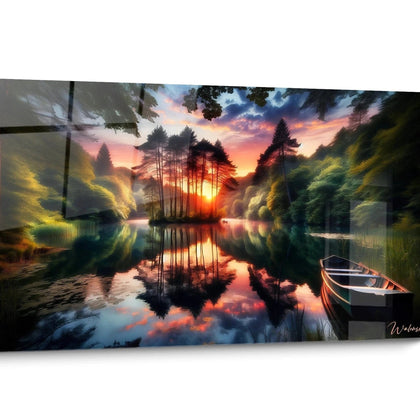 Romantic Bedroom Wall Art13
artworks
Romantic Bedroom Wall Art13
artworks
-
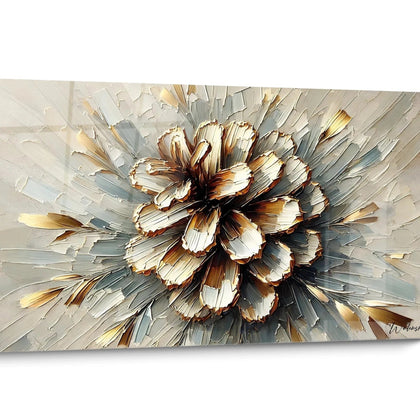 Abstract Bedroom Wall Art12
artworks
Abstract Bedroom Wall Art12
artworks
-
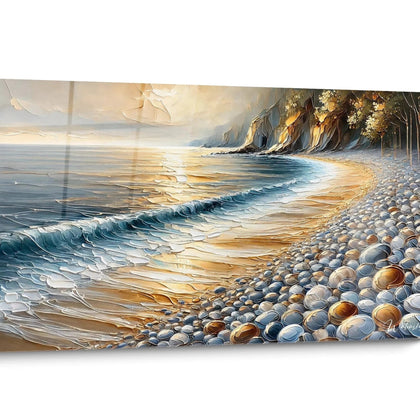 Ocean Bedroom Wall Art10
artworks
Ocean Bedroom Wall Art10
artworks
-
 Sunset Bedroom Wall Art9
artworks
Sunset Bedroom Wall Art9
artworks
-
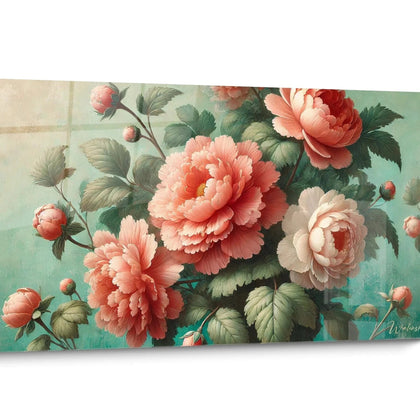 Vintage Bedroom Wall Art7
artworks
Vintage Bedroom Wall Art7
artworks
-
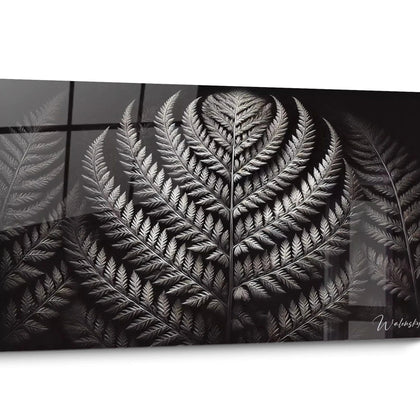 Monochrome Bedroom Wall Art9
artworks
Monochrome Bedroom Wall Art9
artworks
-
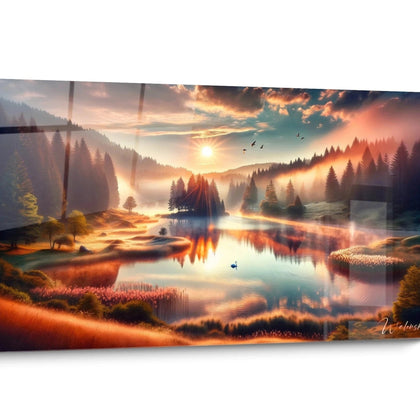 Mountain Bedroom Wall Art5
artworks
Mountain Bedroom Wall Art5
artworks
All about Minimalist Bedroom Wall Art
- Minimalist Painting Presentation for Bedroom
- Streamlining the Relaxation Space
- Geometry and Sobriety
- Soothing Large Formats
A painting for minimalist bedroom embodies the very essence of intentional simplicity, transforming your relaxation space into a visual sanctuary where every element counts. This decorative approach favors voluntary reduction, spatial balance, and visual breathing to create an atmosphere conducive to relaxation and restorative sleep. Unlike cluttered compositions, these wall artworks breathe through their ability to exist without overwhelming, offering imposing formats that enhance your room's architecture while preserving its natural calm.
The Art of Visual Reduction for the Contemporary Bedroom
The painting for minimalist bedroom is based on a fundamental principle: subtracting rather than adding. This decorative philosophy fits perfectly into modern bedrooms where visual clutter disrupts the quality of rest. The large dimensions of these wall creations allow you to structure the space without multiplying attachment points, creating an immediate coherence that soothes the eye upon entering the room.
How does positive space influence the perception of the nocturnal space?
The strategic use of void in these compositions radically transforms the sensory experience of your bedroom. Neutral and clean areas create essential visual breathing, particularly appreciated in confined spaces where every square centimeter counts. A generous format skillfully exploiting off-white or stone tones allows you to visually enlarge the surface area while maintaining a defined decorative presence. This approach contrasts favorably with fragmented decorative solutions that scatter attention.
Purified geometry as a soothing visual language
Simplified geometric shapes constitute the privileged vocabulary of wall minimalism. Horizontal lines extending the horizon, perfect circles evoking fullness, vertical rectangles structuring elevation: each geometric configuration subtly influences your mental state before sleep. For those who like more abstract compositions while maintaining this sobriety, exploring an abstract painting for bedroom allows you to introduce an additional contemplative dimension without sacrificing visual purification.
Nuanced monochromes versus reduced palettes
The chromatic approach distinguishes two trends in the minimalist universe: integral monochrome exploiting the nuances of a single hue, and the restricted palette combining a maximum of two to three colors. Large formats monochromed in pearl gray, sand beige or navy blue create total immersion particularly recommended for bedrooms exposed to fluctuating natural light. Reduced palettes combining, for example, graphite black and pure white generate a dynamic contrast without visual aggression, ideal for personalities seeking measured intellectual stimulation even in the relaxation space.
Wall Architecture and Minimalist Spatial Balance
Why prioritize a single large format over several small pieces?
The minimalist bedroom painting of large size emerges as the optimal architectural solution for several objective reasons. An imposing format radically simplifies the wall composition by eliminating multiple arrangement decisions, a frequent source of visual inconsistency. This unification instantly creates a controlled focal point that dialogues with the furniture without visual competition. In a bedroom respecting minimalist principles, this unique piece becomes the natural conversational element without ever dominating the space through saturation.
Correspondences between wall proportions and bed dimensions
The proportional harmony between your wall art and the main furniture determines the perceptual balance of the room. For a king-size bed, a horizontal format of 150 to 200 centimeters establishes a visually coherent correspondence, anchoring the decorative composition without imbalance. Bedrooms with more modest beds benefit more from square or slightly vertical formats that enhance ceiling height while respecting human proportions. This dimensional reflection avoids the common mistake of undersizing, which visually fragments the wall architecture.
Discreet materiality and invisible finishes
The minimalist philosophy extends to technical aspects often overlooked. Fixing systems must completely disappear, creating the illusion of a floating artwork that reinforces visual lightness. Matte surfaces absorb ambient light rather than reflecting it, eliminating harmful light disturbances to sleep. Neutral or painted edges, in line with the composition, maintain visual continuity, a crucial detail in an approach where every technical element must fade before the artistic intention.
Clean lines and strategic negative spaces
The mastery of negative spaces deeply differentiates authentic minimalism from mere simplicity. These intentionally empty areas create essential visual pauses, naturally guiding the gaze according to a soothing rhythm. A minimalist painting exploits these breaths to suggest rather than impose, leaving the imagination to complete the composition. This compositional restraint is perfectly suited to nighttime disconnection routines, offering visual support for the progressive transition to rest.
Visual Intimacy and Serenity through Monumental Simplicity
The psychological impact of large-scale calming surfaces
Neuroscience confirms the direct influence of clean visual environments on sleep quality. A minimalist bedroom wall art of generous dimensions creates a unified visual field that reduces attentional fragmentation, a particularly beneficial phenomenon during the sleep ritual. These vast contemplative surfaces act as a meditative visual anchor, facilitating the progressive disconnection from daily stimuli. Unlike complex compositions requiring active visual analysis, purification allows for a diffuse and relaxing gaze.
Which minimalist motifs favor the transition to sleep?
Certain visual configurations prove particularly conducive to pre-sleep relaxation. Soft horizontal lines naturally evoke the horizon and stability, triggering restful mental associations. Subtle gradients of a single hue create a hypnotic visual progression without abrupt variation. Centered compositions exploiting symmetry provide a reassuring sense of order, while balanced asymmetries slightly stimulate interest without activating cognitive analysis. The choice fundamentally depends on your personal sensitivity and sleeper profile.
Stylistic coherence with minimalist furniture
The successful integration of a minimalist painting into a contemporary bedroom requires a global reflection on the decorative ecosystem. Bed frames with rectilinear lines, floating bedside tables, integrated storage without visible handles create the ideal context for these purified works. This stylistic continuity amplifies the visual impact of each element through mutual reinforcement, where heterogeneity would dilute the decorative message. Natural materials such as light wood or lacquered neutral surfaces harmonize with minimalist compositions.
What is the evolution of light throughout the day?
An often underestimated advantage of large minimalist surfaces lies in their transformation according to lighting conditions. Morning light reveals textural subtleties and chromatic nuances imperceptible under artificial light. Zenithal light accentuates geometric contrasts, dynamizing the composition in the middle of the day. Crepuscular twilight gradually unifies distinct areas, creating a natural transition towards nocturnal tranquility. This diurnal variation transforms the artwork into a living element that accompanies your natural biological rhythms.
Is a painting for a minimalist bedroom suitable for small spaces?
Paradoxically, large minimalist formats adapt remarkably well to small bedrooms. Their visual purification and limited palette avoid perceptual saturation, while their unique dimension structures the space without fragmenting it. An imposing format cleverly exploiting the void even creates an illusion of enlargement superior to several small pieces.
How to maintain the visual sobriety of a painting for a minimalist bedroom over time?
The permanence of the minimalist effect requires constant decorative discipline. Avoid the progressive accumulation of secondary elements that would gradually dilute the initial impact. Strictly limit adjacent wall additions, preserve surrounding empty spaces, and resist the temptation to complete the composition. Minimalism constitutes a continuous aesthetic commitment rather than a simple punctual choice.
Are paintings for a minimalist bedroom suitable for all personality types?
This decorative approach particularly appeals to profiles seeking mental clarity, environmental control, and reduction of visual noise. Analytical personalities appreciate formal coherence, while contemplative temperaments value visual breathing space. Nevertheless, individuals stimulated by visual complexity or chromatic profusion may find this sobriety insufficiently engaging for their intimate space.
L'art qui suscite l'envie
Maison belge d'art mural grand format
14 jourspour changer d'avis*
Protection Walenskyincluse
Fabriquéen Italie
FormatXXL
Kit de fixationtoujours fourni
* Hors tableaux personnalisés et tailles personnalisées


