


Modern Bedroom Wall Art
Our Modern Bedroom Artwork collection transforms your intimate space into a sanctuary of contemporary style. Each piece has been selected to bring a touch of minimalist elegance to your decor. With clean compositions and trendy color palettes, these decorative artworks for adult bedrooms create a soothing and sophisticated atmosphere. Perfect for enhancing a contemporary design interior, they harmonize with any modern style and bring character and refinement to your room.
 Joy Tree Wall Art - Nature Tree Edition273,90 €
 Poppy Wall Art No.8 - Nature Edition273,90 €
 Poppy Painting No.7 - Nature Edition273,90 €
 Poppy Painting No.6 - Nature Edition273,90 €
 Poppy Painting No. 5 - Nature Edition273,90 €
 Poppy Painting No. 4 - Nature Edition273,90 €
 Poppy Flower Wall Art No. 3 - Nature Edition273,90 €
 Red Poppy Painting No. 2 - Nature Edition273,90 €
 Poppy Painting No. 1 - Nature Edition273,90 €
 Dahlia Wall Art No. 6 - Nature Edition273,90 €
 Dahlia N°5 Wall Art - Nature Edition273,90 €
 Dahlia Wall Art No. 4 - Nature Edition273,90 €
 Dahlia Painting No.3 - Nature Edition273,90 €
 Dahlia Painting No.2 - Nature Edition273,90 €
 Dahlia Wall Art No. 1 - Nature Edition273,90 €
 Canna Wall Art No. 2 - Nature Edition273,90 €
 Canna Wall Art No. 1 - Nature Edition 2273,90 €
 Birch Wall Art No. 2 - Nature Edition273,90 €
 Birch Painting No. 1 - Nature Edition 2273,90 €
 Baobab Painting No. 1 - Nature Edition273,90 €
 Eternal Tree of Life Wall Art - Zen Tree of Life Edition273,90 €
 Resilient Beauty Painting - Cactus Nature Edition273,90 €
 Calm Turquoise Wall Art - Zen Edition273,90 €
 Dawn Over Eternal Dunes - Signature Edition273,90 €
Explore further
In Modern Bedroom Wall Art
-
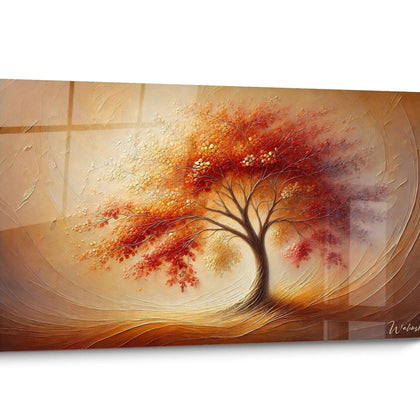 Bedroom Wall Art433
artworks
Bedroom Wall Art433
artworks
-
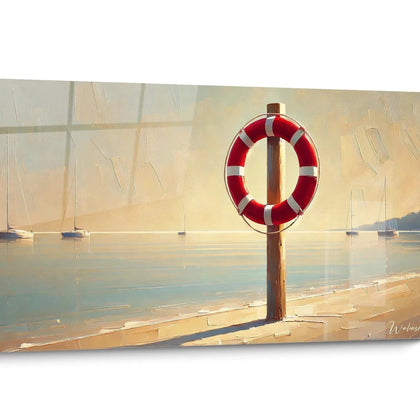 Zen Bedroom Wall Art24
artworks
Zen Bedroom Wall Art24
artworks
-
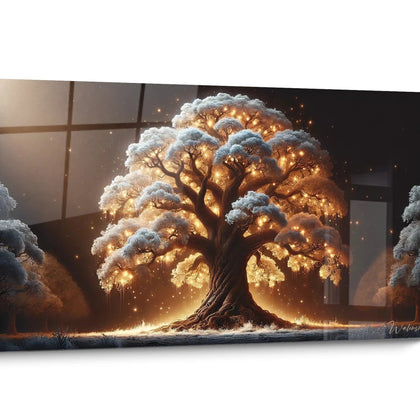 Golden Bedroom Wall Art24
artworks
Golden Bedroom Wall Art24
artworks
-
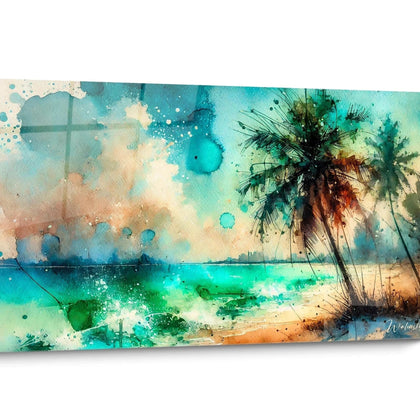 Tropical Bedroom Wall Art23
artworks
Tropical Bedroom Wall Art23
artworks
-
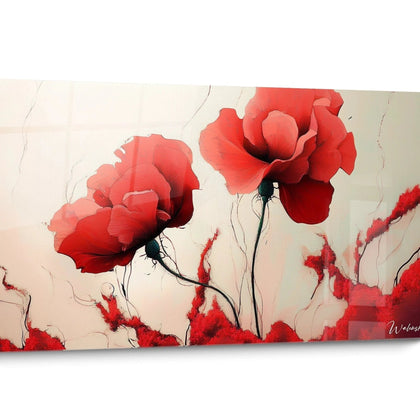 Floral Bedroom Wall Art24
artworks
Floral Bedroom Wall Art24
artworks
-
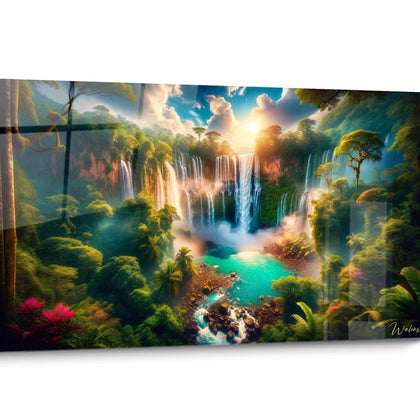 Landscape Wall Art for Bedroom24
artworks
Landscape Wall Art for Bedroom24
artworks
-
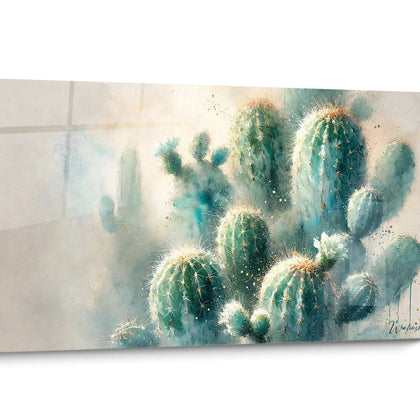 Minimalist Bedroom Wall Art24
artworks
Minimalist Bedroom Wall Art24
artworks
-
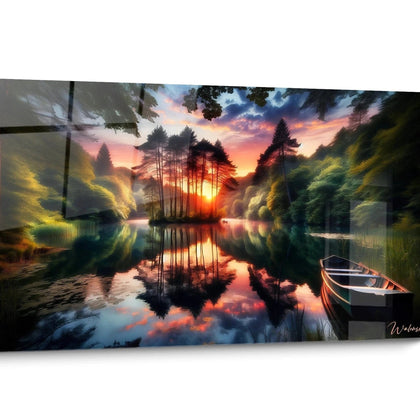 Romantic Bedroom Wall Art13
artworks
Romantic Bedroom Wall Art13
artworks
-
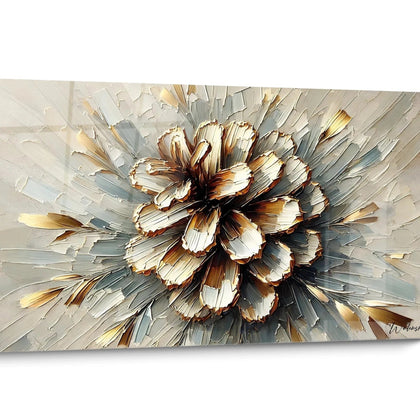 Abstract Bedroom Wall Art12
artworks
Abstract Bedroom Wall Art12
artworks
-
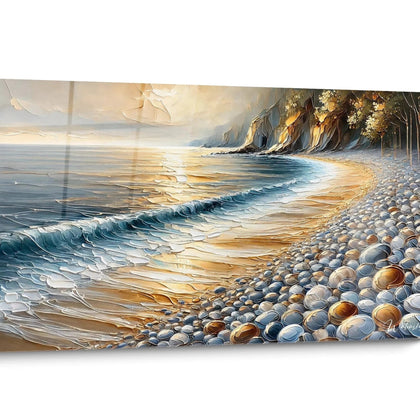 Ocean Bedroom Wall Art10
artworks
Ocean Bedroom Wall Art10
artworks
-
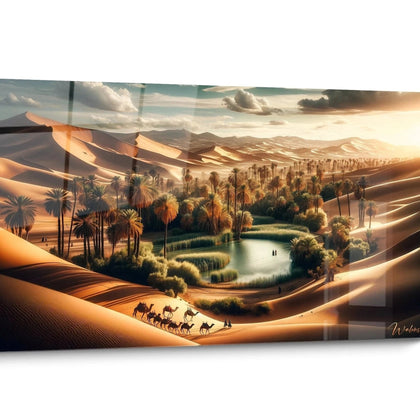 Sunset Bedroom Wall Art9
artworks
Sunset Bedroom Wall Art9
artworks
-
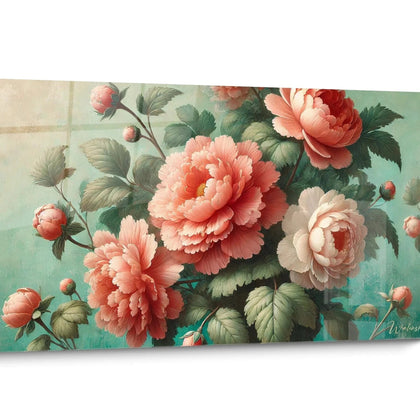 Vintage Bedroom Wall Art7
artworks
Vintage Bedroom Wall Art7
artworks
-
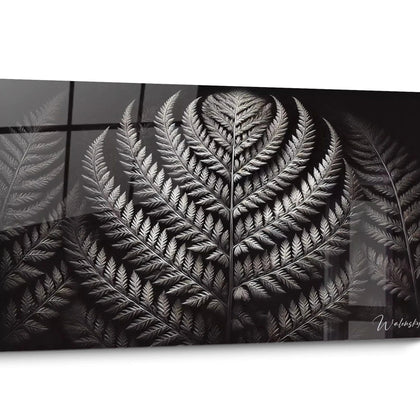 Monochrome Bedroom Wall Art9
artworks
Monochrome Bedroom Wall Art9
artworks
-
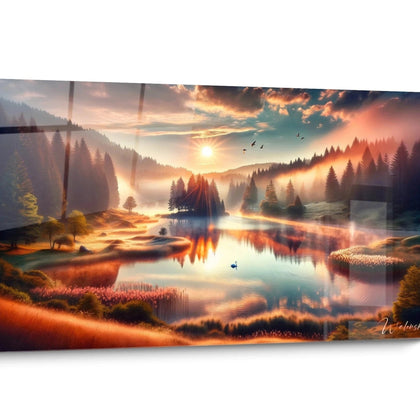 Mountain Bedroom Wall Art5
artworks
Mountain Bedroom Wall Art5
artworks
All about Modern Bedroom Wall Art
- Modern Bedroom Wall Art Presentation
- Contemporary Aesthetics
- Atmosphere & Serenity
- Spatial Integration
The modern bedroom wall art transforms your rest space into a contemporary sanctuary where refined design and tranquility converge. These large-format mural creations embody the minimalist spirit of the 21st century, privileging geometric lines, balanced compositions, and a sophisticated color palette that promotes peaceful sleep. Unlike traditional ornaments, these architectural works dialogue with the rational layout of the modern bedroom, integrating Scandinavian design codes, Japanese influences, and refined industrial aesthetics to create an environment conducive to rejuvenation.
The Visual Expression of Contemporary Minimalism in the Night Space
The modern bedroom wall art distinguishes itself through a reductionist approach where each visual element serves a precise function in the composition. The large dimensions characteristic of these mural creations allow establishing an architectural focal point that structures the space without overwhelming the room visually. This controlled monumentality creates a soothing presence, particularly suited to bedrooms with generous volumes where the artwork becomes a structuring element of interior design.
Which color palettes to favor for a minimalist-style bedroom?
Sophisticated neutral hues dominate the world of contemporary wall decorations intended for sleeping spaces. Anthracite gray, sand beige, off-white, and deep black compose a chromatic base that harmonizes beautifully with furniture featuring geometric lines. Color accents, when present, express themselves sparingly: soothing midnight blue, subtle sage green, or muted terracotta bring a touch of personality without compromising the visual serenity sought in a high-end modern bedroom.
Geometric compositions and nocturnal visual balance
Architectural patterns strongly characterize this decorative category: simplified organic forms, linear intersections, subtle monochromatic gradients, or abstract bedroom wall art with refined compositions create visual dynamics that stimulate without agitating. This formal approach responds to ergonomic rest principles: the eye finds structuring reference points that facilitate mental disconnection before sleep, unlike complex compositions that maintain cognitive activity.
The psychological impact of large formats in intimate spaces
The imposing dimensions of contemporary artworks alter the spatial perception of the bedroom. A panoramic horizontal format above the headboard creates a visual extension that optically enlarges the space, particularly beneficial in urban bedrooms with limited square footage. This wall presence also asserts a strong decorative identity, transforming the bedroom into a genuine sophisticated living space rather than a simple functional rest area.
Creating an Atmosphere Conducive to Rest with Contemporary Visual Codes
Acquiring a modern bedroom wall art responds to a search for a specific atmosphere where aesthetics serve well-being. Refined visual compositions promote melatonin production by avoiding excessive nervous system stimulation from chaotic graphic elements. This functional dimension of contemporary design transforms wall decoration into a genuine sleep optimization tool, particularly appreciated by those sensitive to their nocturnal environment.
How does wall art influence rest quality?
Neuroesthetics research demonstrates that ordered visual environments facilitate the transition into deep relaxation states. A large format with horizontal lines naturally evokes maritime or desert horizons, unconsciously triggering soothing mental associations. Vertical compositions, rarer in this context, suit high ceilings by creating visual elevation that compensates for architectural proportions. This spatial psychology makes the decorative choice a strategic decision for arranging urban rest spaces.
Stylistic coherence with refined furniture
Contemporary wall art integrates into a coherent decorative ecosystem: furniture with tapered legs, raw materials like bleached oak or brushed metal, natural textiles in muted tones. This material and chromatic harmony avoids visual disruptions that disturb sought-after serenity. Modern bedrooms privilege trichomatic associations where the wall artwork subtly echoes a hue present in bedding or seating, thus creating fluid visual circulation that guides the eye without capturing it.
Adapt visual themes to nocturnal rituals
For spaces dedicated to meditation or digital disconnection routines, minimalist zen patterns—concentric circles, subtle undulations, uniform chromatic fields—effectively accompany these practices. More dynamic compositions, presenting discrete diagonals or geometric overlays, suit those who read or work in their bedroom, offering light visual stimulus that maintains mental presence without cognitive strain. This functional personalization distinguishes thoughtful purchasing from mere decorative acquisition.
Spatial Optimization and Strategic Placement of Large-Scale Mural Creations
Installing a large-format modern bedroom wall art requires precise architectural consideration to maximize visual impact. Positioning above the headboard remains classic, but other locations reveal untapped potential: the wall facing the bed creates a focal point for waking, while lateral positioning can balance an asymmetrical window or compensate for architectural imbalance. This spatial flexibility allows adapting the artwork to the real constraints of contemporary bedrooms rarely standardized.
Mural proportions and sizing of imposing artworks
For walls measuring between 3 and 4 meters in length, a horizontal format of 120 to 150 centimeters establishes a strong presence without visual saturation. Monumental square compositions, less common, suit cubic spaces or headboard alcoves framed by architectural structures. Breathing space around the artwork—minimum 30 centimeters on each side—avoids a cluttered effect and allows the gaze to circulate freely, a fundamental principle of modern minimalist design.
What relationship to establish between interior architecture and wall decoration?
Bedrooms with exposed beams, typical of rehabilitated industrial lofts, benefit from rigid geometric compositions that create an assumed contrast with building's structural lines. Conversely, spaces with smooth partitions and perfect angles favorably welcome artworks with organic contours or soft chromatic transitions that humanize architectural rigor. This dialectic between wall support and artistic creation transforms each installation into a unique spatial composition, simultaneously valorizing both architecture and artwork.
Hanging strategies for monumental creations
Reinforced mounting systems become essential for formats exceeding 100 centimeters, ensuring stability and nocturnal safety. The optimal height positions the visual center of the artwork between 145 and 155 centimeters from the floor, slightly lower than in circulation spaces to adapt to the lying position from which the artwork will primarily be contemplated. This eye ergonomics, rarely considered, differentiates professional design from approximate intuitive installation.
What are the advantages of modern bedroom wall art compared to traditional styles?
Contemporary creations offer superior decorative versatility thanks to their refined aesthetics that transcend trends without becoming outdated. Their neutral color palette facilitates bedding and accessory evolution without requiring replacement, unlike figurative works with saturated colors. Finally, their capacity to optically enlarge space constitutes a major asset in urban bedrooms with limited square footage.
How to choose between a horizontal and vertical composition for my bedroom?
Horizontal formats optically widen the space and naturally harmonize with the headboard line, creating a soothing continuity. Vertical compositions suit narrow walls between window and corner, or under-eave spaces where they visually compensate for ceiling slope. The decision depends more on existing architectural proportions than on abstract aesthetic preference.
Can multiple artworks be combined in a modern bedroom without compromising visual refinement?
Multiplying artworks in a contemporary bedroom requires strict compositional discipline: identical formats in diptych or triptych regularly spaced, or a collection of small creations organized according to a rigorous geometric grid. Beyond three mural elements, the risk of visual saturation increases significantly, compromising the serenity sought in this privileged rest space.
L'art qui suscite l'envie
Maison belge d'art mural grand format
14 jourspour changer d'avis*
Protection Walenskyincluse
Fabriquéen Italie
FormatXXL
Kit de fixationtoujours fourni
* Hors tableaux personnalisés et tailles personnalisées


