


Abstract Bedroom Wall Art
Our Painting for bedroom Abstract collection transforms your intimate space into a contemporary art gallery. These modern creations combine geometric shapes, subtle nuances, and clean compositions to create a soothing and sophisticated atmosphere. Perfect for your abstract wall decoration for bedroom, these paintings harmonize with any interior style. Explore our selection of abstract art for bedroom and let yourself be seduced by works that stimulate the imagination while promoting relaxation.
 Tree of Life Zen Dance of Seasons Wall Art273,90 €
 Joy Tree Wall Art - Nature Tree Edition273,90 €
 Dahlia Wall Art No. 6 - Nature Edition273,90 €
 Tree and Wind Fusion Wall Art - Tree of Life Zen Edition273,90 €
 Tree of Dreams Wall Art - Zen Tree of Life Edition273,90 €
 Starlit Sky Landscape - Dawn Over Infinity Edition273,90 €
 Abstract Forest Painting - Autumn Edition Landscape273,90 €
 Blossoming Abstract Art - Autumn Landscape Edition273,90 €
 Essence of Earth Painting - Tree Nature Edition273,90 €
 Painting Embraced by the Sea - Beach Landscape Edition273,90 €
 Desert Twilight Canvas - Sunset Landscape Edition273,90 €
 Seasonal Sparkle Canvas - Forest Landscape Edition273,90 €
Explore further
In Abstract Bedroom Wall Art
-
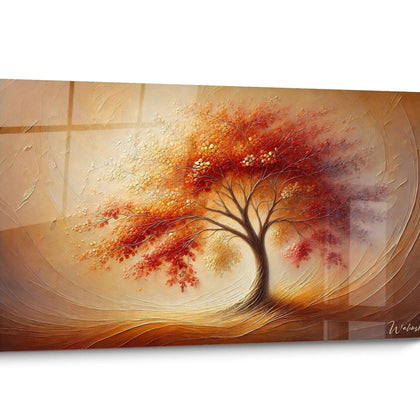 Bedroom Wall Art433
artworks
Bedroom Wall Art433
artworks
-
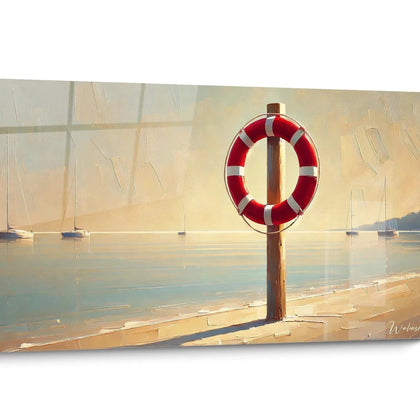 Zen Bedroom Wall Art24
artworks
Zen Bedroom Wall Art24
artworks
-
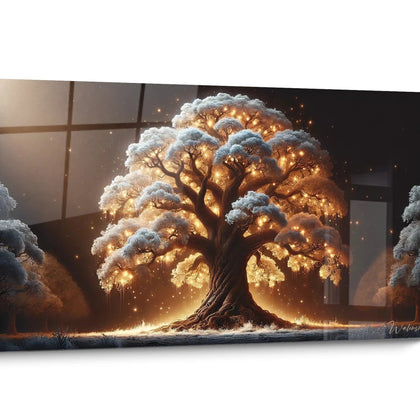 Golden Bedroom Wall Art24
artworks
Golden Bedroom Wall Art24
artworks
-
 Tropical Bedroom Wall Art23
artworks
Tropical Bedroom Wall Art23
artworks
-
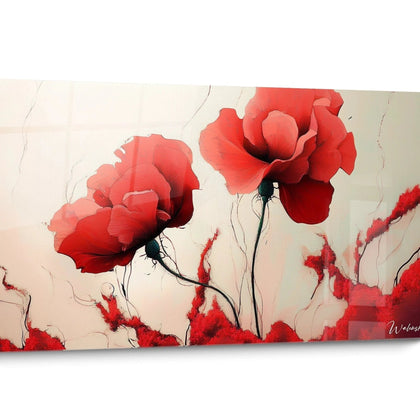 Floral Bedroom Wall Art24
artworks
Floral Bedroom Wall Art24
artworks
-
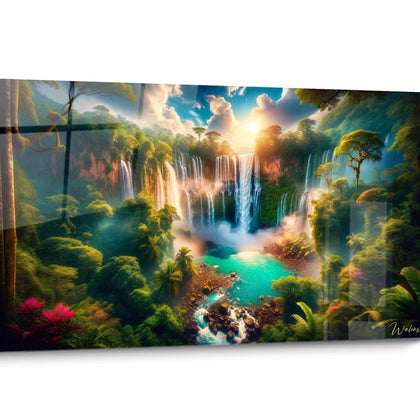 Landscape Wall Art for Bedroom24
artworks
Landscape Wall Art for Bedroom24
artworks
-
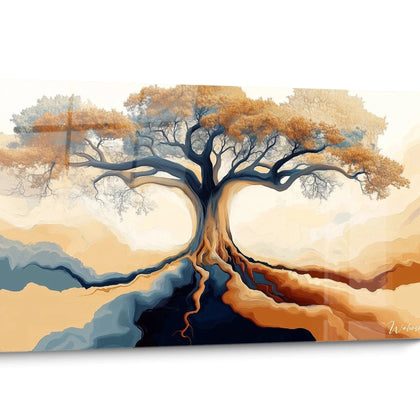 Modern Bedroom Wall Art24
artworks
Modern Bedroom Wall Art24
artworks
-
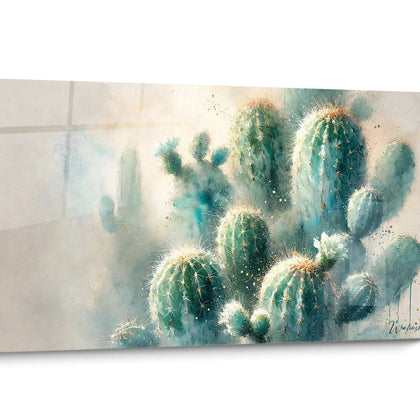 Minimalist Bedroom Wall Art24
artworks
Minimalist Bedroom Wall Art24
artworks
-
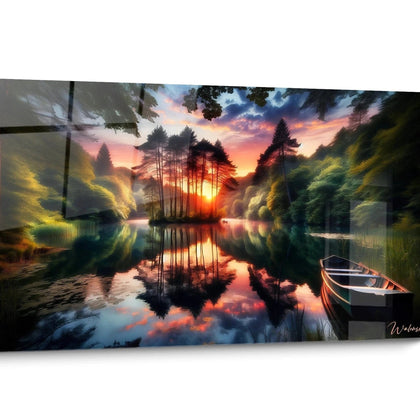 Romantic Bedroom Wall Art13
artworks
Romantic Bedroom Wall Art13
artworks
-
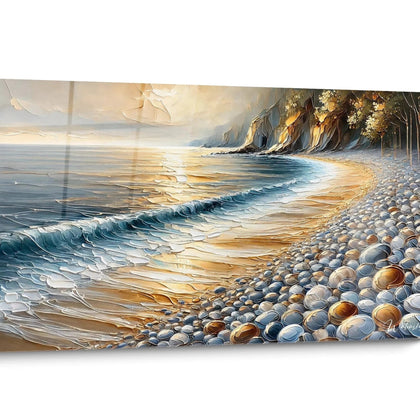 Ocean Bedroom Wall Art10
artworks
Ocean Bedroom Wall Art10
artworks
-
 Sunset Bedroom Wall Art9
artworks
Sunset Bedroom Wall Art9
artworks
-
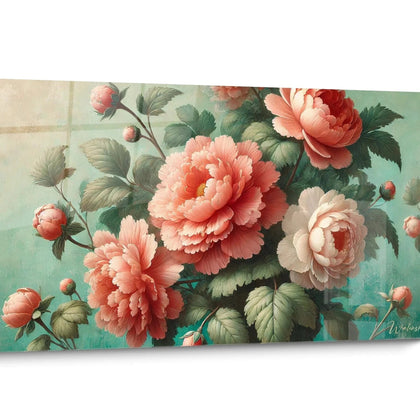 Vintage Bedroom Wall Art7
artworks
Vintage Bedroom Wall Art7
artworks
-
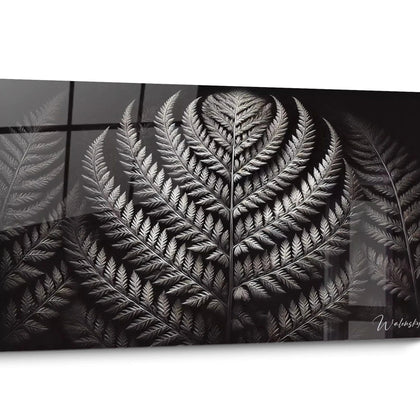 Monochrome Bedroom Wall Art9
artworks
Monochrome Bedroom Wall Art9
artworks
-
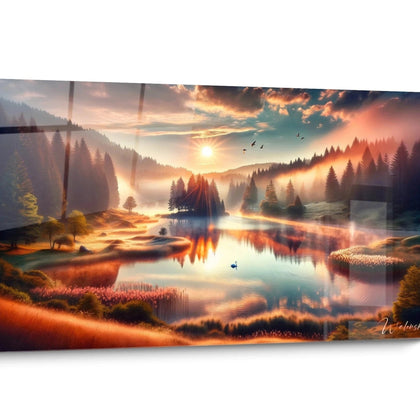 Mountain Bedroom Wall Art5
artworks
Mountain Bedroom Wall Art5
artworks
All about Abstract Bedroom Wall Art
- Painting Presentation Abstract Room
- Atmosphere & Visual Perception
- Psychology of Abstract Shapes
- Composition & Spatial Energy
An abstract painting for the bedroom instantly transforms your relaxation space into a visual sanctuary where free forms and non-figurative compositions create an atmosphere conducive to mental relaxation. Unlike realistic representations that engage the intellect through their narrative, abstract art engages an intuitive contemplation particularly suited to the moments of transition between wakefulness and sleep. Large-scale wall compositions in abstract form exploit gestural dynamics and chromatic games to generate enveloping atmospheres that naturally accompany rest cycles.
The Impact of Non-Figurative Compositions on the Nocturnal Environment
The absence of literal representation in an abstract painting for the bedroom allows the brain to more easily switch to alpha mode, this state of relaxation preceding sleep. Fluid organic shapes or streamlined geometric structures impose no narrative reading, thus avoiding excessive cognitive stimulation at the end of the day. This semantic neutrality is a major asset for spaces dedicated to recovery, unlike figurative scenes which keep the mind in analytical mode.
How do pictorial gestures influence nocturnal spatial perception?
The large gestural movements captured in abstract compositions generate visual flows that modify the volumetric perception of the room. An ascending diagonal trace creates a visual expansion towards the ceiling, while concentric curves install a cocoon effect particularly sought after in bedrooms with reduced dimensions. Superimposed translucent glazes add atmospheric depth that evolves according to the ambient light intensity, transforming the work into a living surface throughout the day.
Chromatic Vibrations and Biological Rhythms
The non-representative color harmonies of a painting for the abstract bedroom interact directly with the limbic system without passing through the interpretative filter. Harmonies of deep blues and slate grays naturally slow the heart rate, preparing the body for rest. Conversely, touches of terracotta or ochre maintain a reassuring visual warmth during morning awakenings. This dual functionality makes the abstract format a biological mood regulator adapted to circadian cycles.
Visual Textures and Psychological Comfort
The apparent materiality of impasto, drips or satin surfaces creates a tactile dialogue at a distance that enriches the sensory experience of the bedroom. These variations in relief capture light differently according to the hours, generating a subtle animation without aggression. Large formats allow for peripheral immersion where the gaze does not seek a single focal point but navigates freely in a soothing visual landscape, similar to observing clouds or aquatic reflections.
Psychology of Free Forms in the Intimate Space
Why does abstraction favor personal emotional projection?
An abstract painting for the bedroom acts as an emotional mirror whose interpretation varies according to the observer's inner state. This semantic flexibility avoids the visual fatigue caused by overly defined images, consulted daily. Each contemplation reveals new formal associations, maintaining visual interest over the long term without creating cognitive saturation. This ability to evolve perception transforms acquisition into a lasting emotional investment, particularly valuable in a personal space consulted for several years.
Asymmetrical Balance and Mental Rest
Abstract compositions frequently exploit asymmetrical balances that stimulate visual interest without creating tension. A chromatic weight positioned in the lower third psychologically anchors the composition, generating a reassuring feeling of stability for sleep. Deliberately preserved negative spaces offer zones of visual breathing where the eye can rest, unlike saturated compositions that keep attention constantly alert.
Gestural versus geometric abstraction in a nocturnal context
Gestural abstraction with fluid movements is particularly suitable for temperaments seeking an organic visual continuity, while geometric abstraction structures space through its calculated rhythms. For a master bedroom, the gestural approach favors harmony through its lack of assertive angles. In an introspective personal space, geometric compositions bring mental clarity through their deliberate structures. The choice between these two visual languages depends on one's personal relationship to order and controlled chaos.
Large-scale abstract works also allow for fragmented readings from different points in the bedroom. From the bed, one perceives an enveloping global composition, while from the entrance, specific gestural details emerge. This multiplicity of visual experiences enriches the daily appropriation of the artwork. To complement this contemplative approach, some combine their abstract composition with a painting for a sunset bedroom which brings a warm chromatic dimension to moments of rest.
Compositional Dynamics and Bedroom Architecture
How to position a large-scale abstract work facing low furniture?
The horizontal furniture typical of bedrooms (bed, dresser) creates dominant low lines that call for vertical compensation. An abstract painting for a bedroom in portrait or square elevated format generates an architectural counterpoint that visually raises the ceiling. Compositions with ascending vertical development accentuate this elevation effect, particularly beneficial in bedrooms with standard ceilings. The artwork then becomes a structuring element that redefines the perceived proportions of the space.
Interactions between wall abstraction and nocturnal circulation
The arrangement of a large-scale abstract composition subtly influences nocturnal movements through its chromatic masses. A dark zone positioned strategically intuitively guides the gaze and therefore movement towards the exit, while a concentration of light creates a reassuring visual anchor during disoriented awakenings. These subtle navigational functions go beyond simple decoration to integrate a practical visual ergonomics into daily life.
What abstract formats for which architectural configurations?
Long bedrooms benefit from panoramic horizontal compositions that accompany the existing geometry without contradicting it. Conversely, square spaces find their balance with square or slightly vertical formats that centralize attention. Alcoves or walls interrupted by openings call for modular compositions where several abstract panels create a coherent ensemble while respecting architectural constraints. The XXL format becomes here a tool for reconciliation between art and architecture.
Light evolution and rendering of abstract pigments
The pigments applied in broad blocks or translucent layers react differently to daily variations in light. Side morning light reveals invisible reliefs and textures in zenithal lighting, creating a different artwork depending on the time of day. This perceptual variability transforms static acquisition into a dynamic experience that accompanies the rhythms of life. Matte finishes absorb light for soothing nighttime contemplation, while semi-gloss surfaces capture ambient reflections for a more assertive daytime presence.
Would an abstract painting be suitable for a bedroom in minimalist spaces?
Absolutely, refined abstraction with a restricted palette integrates perfectly into minimalist environments by adding visual depth without semantic clutter. Monochrome or bichrome compositions create a silent sophistication that respects the visual economy of minimalism while avoiding excessive coldness.
How to choose between warm and cold abstraction for a north-facing bedroom?
A north-facing orientation generates constant but cold light that benefits from abstract compositions with warm hues (earth tones, muted reds, desaturated oranges) to thermally compensate the atmosphere. These tones add a missing psychological warmth in natural light, creating a sensory balance conducive to nighttime comfort.
Do large-format abstract artworks require a minimum viewing distance?
Unlike detailed figurative works, large-format abstract compositions also work in close-up vision where textures and nuances become the main subject. This perceptual versatility makes them suitable even for compact bedrooms where limited physical distance is compensated by the richness of material details visible up close.
Further reading
Our articles on this topic
- Do abstract paintings suit better than a realistic landscape in a bedroom?
- Buying a Square Abstract Painting for an Adult Bedroom: The Complete Buying Guide
- Abstract khaki camouflage painting: how to style it in a man's bedroom
- Acrylic print painting stacked books for a modern adult bedroom
- Which painting for a young adult's bedroom when leaving the family home?
- Abstract painting and art movement: what atmosphere for your adult bedroom?
L'art qui suscite l'envie
Maison belge d'art mural grand format
14 jourspour changer d'avis*
Protection Walenskyincluse
Fabriquéen Italie
FormatXXL
Kit de fixationtoujours fourni
* Hors tableaux personnalisés et tailles personnalisées


