


Monochrome Bedroom Wall Art
Our Painting for Monochrome Bedroom collection celebrates the beauty of minimalism and the timeless elegance of monochromatic shades. These artistic creations in black and white bring sophistication and serenity to your resting space. Perfect for a clean bedroom wall decoration, these works harmonize with any interior style. Explore our selection of design monochrome paintings that will transform your bedroom into a refined and contemporary haven of peace.
 In the Shadow of Giants Painting - Mountain Landscape Edition273,90 €
 Fog Wall Art No. 1 - Landscape Edition273,90 €
 Poppy Painting No. 1 - Nature Edition273,90 €
 Arum Wall Art N°4 - Nature Edition273,90 €
 The Buddha's Dream Wall Art - Zen Buddha Edition273,90 €
 The Legacy of Souls Wall Art - Zen Tree of Life Edition273,90 €
 Preserved Nature Painting No.1 - Landscape Edition273,90 €
 Nocturnal Fern Wall Art - Nature Edition273,90 €
 Nature Wall Art in Shadow - Nature Edition273,90 €
Explore further
In Monochrome Bedroom Wall Art
-
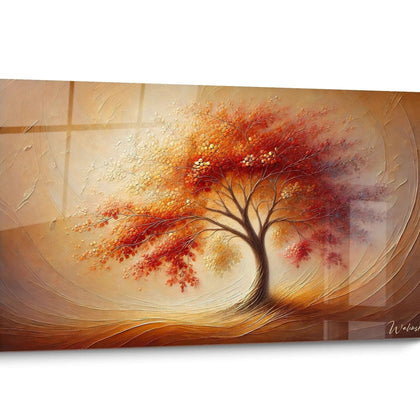 Bedroom Wall Art433
artworks
-
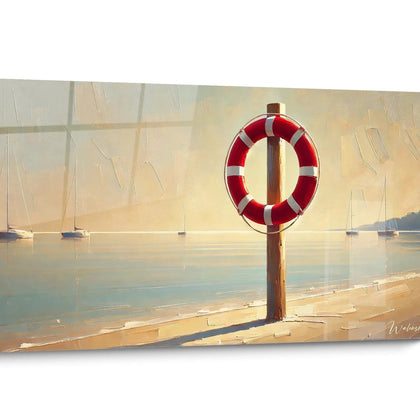 Zen Bedroom Wall Art24
artworks
-
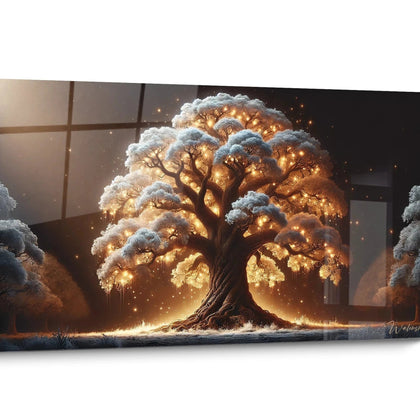 Golden Bedroom Wall Art24
artworks
-
 Tropical Bedroom Wall Art23
artworks
-
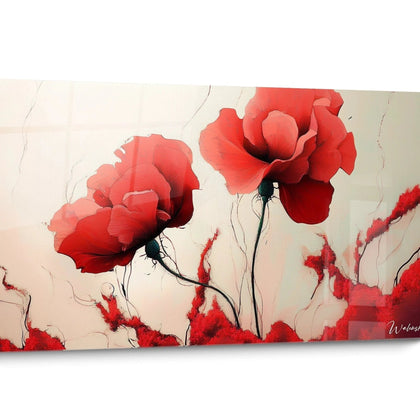 Floral Bedroom Wall Art24
artworks
-
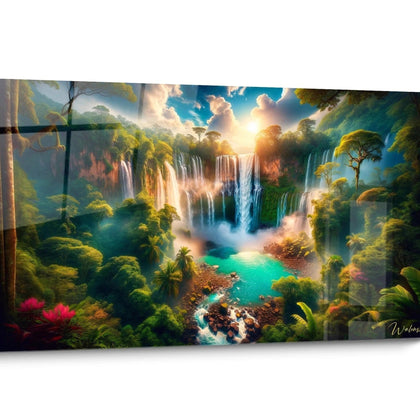 Landscape Wall Art for Bedroom24
artworks
-
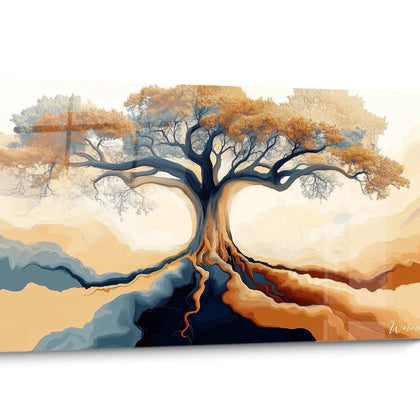 Modern Bedroom Wall Art24
artworks
-
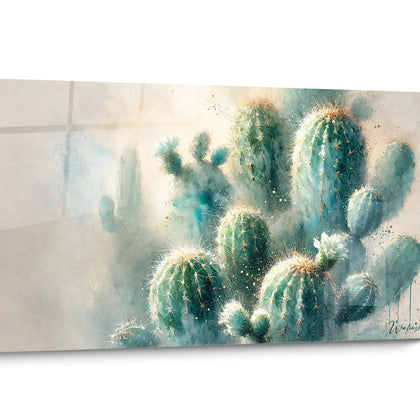 Minimalist Bedroom Wall Art24
artworks
-
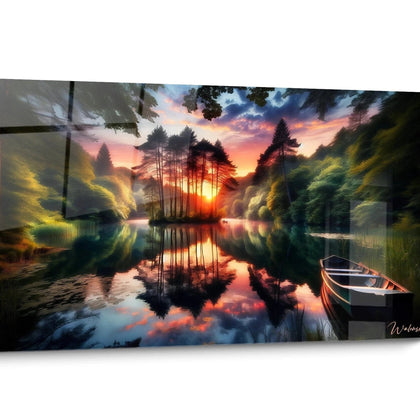 Romantic Bedroom Wall Art13
artworks
-
 Abstract Bedroom Wall Art12
artworks
-
 Ocean Bedroom Wall Art10
artworks
-
 Sunset Bedroom Wall Art9
artworks
-
 Vintage Bedroom Wall Art7
artworks
-
 Mountain Bedroom Wall Art5
artworks
All about Monochrome Bedroom Wall Art
- Monochrome Paintings Presentation
- Minimalist Decoration
- Monochrome Ambiances
- Strategic Choice
A monochrome painting for the bedroom radically transforms the atmosphere of your relaxation space by creating a soothing visual harmony. This decorative approach favors a reduced palette of a single hue declined in different nuances, offering a sophisticated and contemporary aesthetic. Large-format monochromatic creations captivate the eye while preserving the serenity essential for a sleep-friendly environment. Perfect for minimalist adult bedrooms or zen spaces, these wall artworks visually structure the room without creating visual saturation, thus promoting relaxation and well-being.
The minimalist elegance of monochrome in the sleeping space
Integrating a painting for the bedroom meets the requirements of contemporary layouts where visual simplicity becomes a luxury. This decorative approach eliminates chromatic distractions to create a purified environment that favors mental concentration before falling asleep. Compositions in shades of gray, beige or navy blue generate visual depth without sensory aggression, unlike multicolored works that can disrupt the visual balance sought.
How does monochrome influence the spatial perception of the bedroom?
Large-scale monochromatic creations redefine the architectural proportions of the room. A vertical panel in a gradient of anthracite gray accentuates the ceiling height, while a horizontal composition in sand tones visually widens the space. This perceptual manipulation is particularly valuable in small bedrooms where every decorative element must contribute to a feeling of spaciousness.
Integration strategies for total visual coherence
The harmony between the painting for the monochrome bedroom and the surrounding textiles is a determining factor. Coordinating the nuances of the bedding with the tonal variations of the artwork creates a soothing visual continuity. Textured materials such as crinkled linen or ribbed velvet amplify this coherence by adding a complementary tactile dimension to the monochrome approach.
Which architectural elements to enhance with a monochrome artwork?
Positioning a monochrome creation facing a source of natural light reveals its tonal subtleties throughout the day. Variations in sunlight transform the appearance of the artwork, creating an evolving visual spectacle. This strategic installation works particularly well with east or west-facing bedrooms, where light changes are most marked. For a complementary approach, combining it with an abstract painting for the bedroom in similar tones can enrich the overall composition without breaking the monochrome balance.
The psychological impact of unique tones on sleep
Environmental psychology research demonstrates that monochrome atmospheres reduce cognitive stimulation before rest. A painting in a blue hue promotes melatonin production thanks to its mental associations with twilight, while neutral gray tones create a universal calming effect. This chromatic selection becomes a tool for biological regulation to serve your sleep quality.
Creating specific atmospheres with wall monochrome
Each monochrome hue generates a distinct atmosphere in the sleeping space. A monochrome painting for the bedroom in charcoal tones establishes a cocooning and protective atmosphere, particularly sought after in noisy urban environments. Conversely, compositions in off-white or ivory amplify natural brightness in rooms exposed to the north, compensating for the lack of direct sunlight.
Subtle tonal variations at the service of emotion
The richness of a monochrome palette lies in its subtle gradations which create movement without visual disruption. A work exploiting seven to nine shades of the same hue offers a contemplative depth comparable to natural landscapes. These imperceptible variations at first glance reveal their complexity during moments of rest, transforming the wall art into a support for visual meditation.
How to adapt monochrome to the different seasons?
The strategic advantage of the wall art for a monochrome bedroom lies in its ability to adapt seasonally by simply modifying the surrounding textiles. In winter, pairing a pearl grey work with anthracite plaids creates a cosy atmosphere, while in summer, the same tones combined with white linen generate a visual freshness. This decorative flexibility optimizes the initial investment.
What material combinations amplify the monochrome effect?
The juxtaposition of surfaces with contrasting finishes considerably enriches the perception of a monochrome composition. Placing a work in matte shades facing brushed or satinized metallic elements creates a sophisticated visual dialogue. The subtle reflections of polished surfaces fragment and redistribute the tones of the work in space, multiplying its decorative impact without adding additional elements.
Optimal sizing for maximum impact
Panoramic formats in monochrome work particularly well above king size bed platforms, creating a visual link between the two ends of the furniture. For bedrooms with high ceilings, prioritize vertical compositions of 180 cm or more to generate a monumental presence that completely restructures the volumetric perception of the room. This amplified scale transforms the wall art into a true visual architecture.
Selecting the appropriate monochrome wall art for your decorative project
Acquiring a wall art for a monochrome bedroom requires a prior analysis of the existing environment. Examining the dominant chromatic temperature of the room leads to warm tones (beiges, taupes) or cold tones (grey-blues, anthracites). This thermal consistency guarantees a harmonious integration that amplifies the soothing effect sought in a relaxation space.
Why prioritize monochrome in a master bedroom ?
Shared spaces particularly benefit from monochrome compositions which offer a consensual neutrality. Unlike figurative works or complex palettes that can generate divergent preferences, a creation in variations of taupe grey satisfies varied aesthetic sensibilities. This visual diplomacy preserves relational harmony while asserting an assumed decorative bias.
Surface finishes and their perceptual influence
Surface treatments radically alter the experience of a monochrome work. Matte finishes absorb light to create a meditative depth, while semi-gloss surfaces generate dynamic reflections that animate the composition according to the viewing angle. For dimly lit bedrooms, prioritizing reflective finishes optimizes the diffusion of available brightness.
Sustainable investment and lasting decorative appeal
The wall art for a monochrome bedroom represents a strategic long-term choice. Its refined aesthetics transcends decorative trends without obsolescence, unlike cyclical chromatic trends. This durability justifies the acquisition of generous and superior quality formats that will accompany several evolutions of your interior design without requiring replacement.
What technical criteria should be prioritized when purchasing?
Checking the pigment layer depth ensures lasting tonal richness that resists prolonged light exposure. Multi-layered creations develop a superior visual complexity compared to surface applications. For large dimensions, examining structural rigidity prevents temporal deformations that would compromise the visual integrity of the monochrome composition.
Is a monochrome painting suitable for all decorative styles?
Absolutely, the chromatic neutrality of a monochrome composition adapts equally well to minimalist Scandinavian interiors, urban industrial atmospheres, or Japanese-inspired bedrooms. This stylistic versatility is a major asset for those who regularly evolve their decor without replacing structural elements.
How to maintain a large-scale monochrome painting?
A monthly dusting with a dry microfiber cloth is generally sufficient. For textured surfaces, using a soft brush with natural bristles preserves the reliefs without residue buildup. Absolutely avoid liquid cleaning products that can alter the pigments and create halos particularly visible on uniform monochrome compositions.
Can multiple monochrome paintings be combined in the same bedroom?
A triptych wall composition in progressive tonal variations creates a sophisticated gallery effect. Spacing three vertical panels by 10 to 15 cm generates an elegant visual rhythm while preserving the monochrome unity. This approach works particularly well on long walls where a single panel would seem disproportionate or lost.
L'art qui suscite l'envie
Maison belge d'art mural grand format
14 jourspour changer d'avis*
Protection Walenskyincluse
Fabriquéen Italie
FormatXXL
Kit de fixationtoujours fourni
* Hors tableaux personnalisés et tailles personnalisées


