


Artwork for Clinic
Our collection of artwork for clinic is specially designed to transform medical spaces into welcoming and soothing environments. These carefully curated works of art help reduce patient anxiety while creating a professional and reassuring atmosphere. Each clinic benefits from an artistic dimension that humanizes the care experience and reflects the excellence of your establishment. Compositions with soft tones and inspiring subjects promote well-being and peace of mind. Our artworks are not mere decorative elements, but true therapeutic allies that contribute to the positive experience you wish to offer your patients.
 Midnight Blue Painting - Abstract Flower Edition233,90 €
 Jade Reflections Wall Art - Abstract Seaside Edition233,90 €
 Azure Mist Wall Art - Abstract Seascape Edition233,90 €
 Simplicity Striped Canvas - Zebra Animals Edition233,90 €
 The Panda's Garden Painting - Giant Panda Animals Edition233,90 €
 Zen Moment Wall Art - Giant Panda Animals Edition233,90 €
 Asian wall art No. 1 - Asia Edition233,90 €
 Mountain Soul Canvas - Mount Fuji Asia Edition233,90 €
 Landscape wall art N°1 - Landscape edition233,90 €
 Natural View Painting No.1 - Landscape Edition233,90 €
 Painting Embraced by the Sea - Beach Landscape Edition233,90 €
 Lavender at Twilight Canvas - Lavender Fields Landscape Edition233,90 €
 Natural Harmony Canvas - Diverse Zen Edition233,90 €
 The Golden Path Wall Art - Divers Zen Edition233,90 €
 The Path of Awakening Wall Art - Diverse Zen Edition233,90 €
 Tree of Dreams Wall Art - Zen Tree of Life Edition233,90 €
 Eternal Roots Wall Art - Zen Tree of Life Edition233,90 €
 Spiritual Harmony Artwork - Zen Buddha Edition233,90 €
 Under the Leaves Canvas, a Poetry - Zen Koi Edition233,90 €
 Ephemeral Stability Wall Art - Zen Feng Shui Edition233,90 €
 Stones and Petals Wall Art - Feng Shui Zen Edition233,90 €
 Inner Journey Painting - Feng Shui Zen Edition233,90 €
 Organic Fortress Wall Art - Zen Bamboo Edition233,90 €
 Nature Lines Wall Art - Zen Bamboo Edition233,90 €
Explore further
In Artwork for Clinic
-
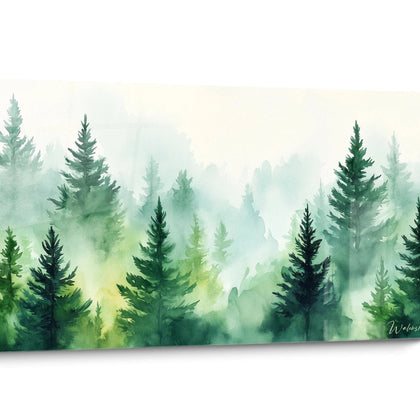 Watercolor Wall Art for Medical Clinic6
artworks
Watercolor Wall Art for Medical Clinic6
artworks
-
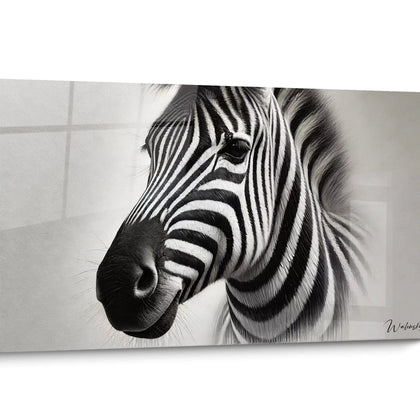 Black and White Medical Clinic Wall Art4
artworks
Black and White Medical Clinic Wall Art4
artworks
-
 Abstract Art for Medical Clinics15
artworks
Abstract Art for Medical Clinics15
artworks
-
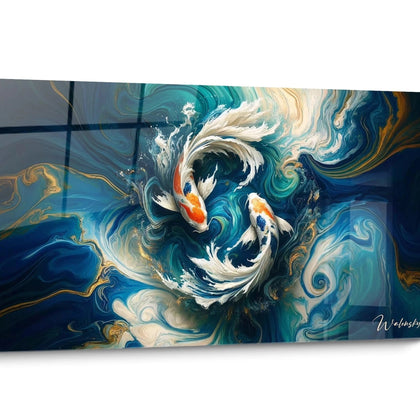 Golden Clinic Wall Art18
artworks
Golden Clinic Wall Art18
artworks
-
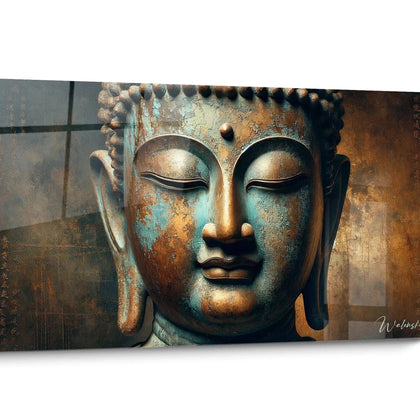 Turquoise Wall Art for Medical Clinic9
artworks
Turquoise Wall Art for Medical Clinic9
artworks
-
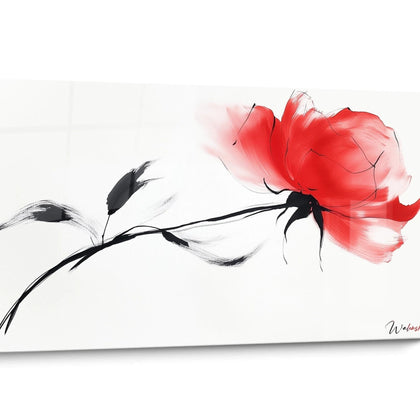 Floral Wall Art for Medical Clinics24
artworks
Floral Wall Art for Medical Clinics24
artworks
-
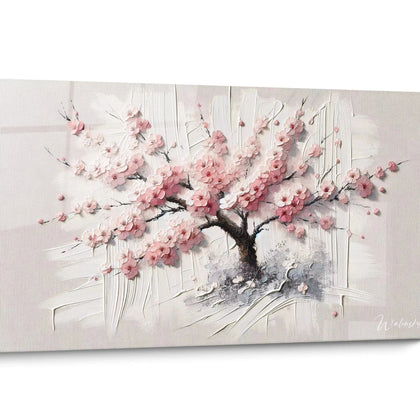 Japanese Wall Art for Medical Clinic18
artworks
Japanese Wall Art for Medical Clinic18
artworks
-
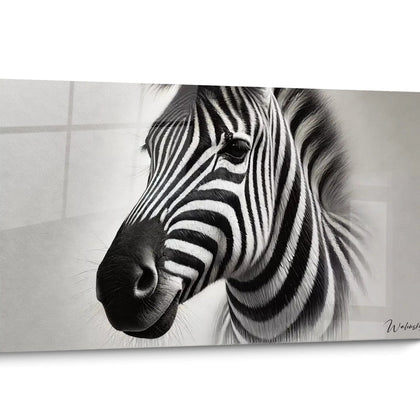 Minimalist Wall Art for Medical Clinics22
artworks
Minimalist Wall Art for Medical Clinics22
artworks
-
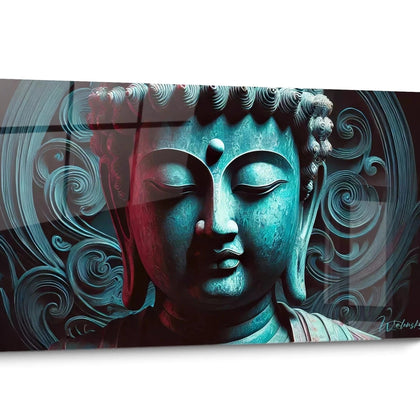 Wall Art for Meditation Clinic21
artworks
Wall Art for Meditation Clinic21
artworks
-
 Bamboo Wall Art for Medical Clinic8
artworks
Bamboo Wall Art for Medical Clinic8
artworks

In the same family
Also explore the theme Professionnels
-
 For Real Estate Agencies5435
artworks
For Real Estate Agencies5435
artworks
-
 For Luxury Boutiques26
artworks
For Luxury Boutiques26
artworks
-
 For law firms820
artworks
For law firms820
artworks
-
 For Dental Practices100
artworks
For Dental Practices100
artworks
-
 For Doctor's Office100
artworks
For Doctor's Office100
artworks
-
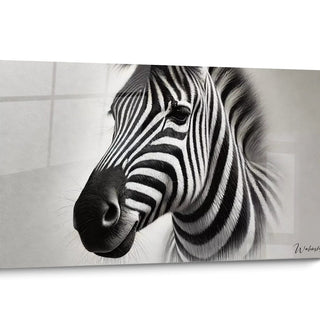 For Medical Practices100
artworks
For Medical Practices100
artworks
-
 For Psychologist's Office100
artworks
For Psychologist's Office100
artworks
-
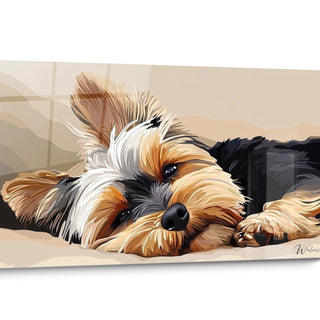 For Veterinary Clinics64
artworks
For Veterinary Clinics64
artworks
-
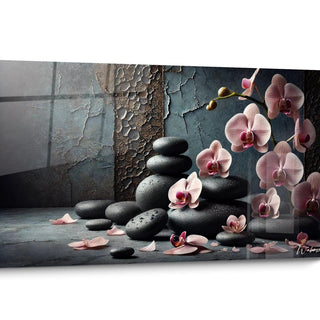 For Wellness Centers101
artworks
For Wellness Centers101
artworks
-
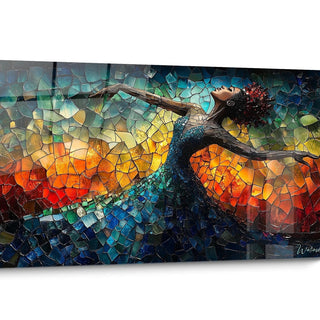 For Luxury Hotels820
artworks
For Luxury Hotels820
artworks
-
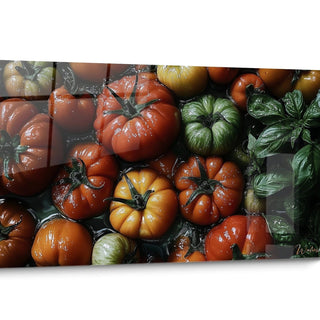 For Steakhouse9
artworks
For Steakhouse9
artworks
-
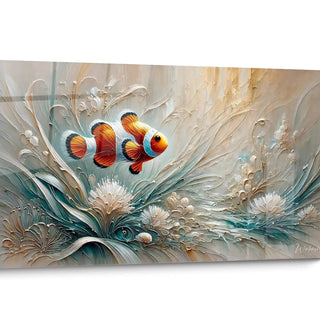 For Fish Restaurant16
artworks
For Fish Restaurant16
artworks
-
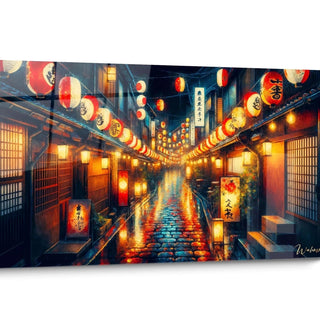 For Sushi Restaurant15
artworks
For Sushi Restaurant15
artworks
All about Artwork for Clinic
- Wall Art Presentation for Medical Clinics
- Therapeutic Impact of Wall Art in Clinical Settings
- Wall Art Selection for Medical Clinics
- Optimal Placement of Wall Art in Medical Environments
Discover our exclusive selection of wall art for medical clinics specially designed to transform the atmosphere of your healthcare facility. Far more than simple decorative elements, our large-format wall pieces are conceived to meet the specific needs of medical environments, combining calming aesthetics with practical functionality.
Our artistic creations for clinical settings are carefully selected for their ability to reduce patient anxiety, stimulate positive emotions, and create a reassuring professional environment. Each artwork is chosen for its relevance in the medical context, with visuals adapted to different specialties and departments.
Explore the tabs below to discover the therapeutic impact of our wall art, how to select the ideal pieces for your clinic, and best practices for placement in medical spaces. Transform your clinic into a place where art actively contributes to the healing process and overall well-being of your patients and staff.
Therapeutic Impact of Wall Art in Clinical Environments
Wall art for medical clinics represents far more than simple wall decoration – it constitutes a genuine therapeutic tool whose influence on patient well-being is now scientifically documented. Passive art therapy, which involves exposing patients to carefully selected visual works, is progressively becoming integrated into the care protocols of forward-thinking healthcare facilities.
How does wall art for medical clinics reduce patient anxiety?
Waiting rooms and corridors in medical clinics are often associated with significant stress for patients. Neurological studies have demonstrated that exposure to certain types of images can significantly decrease cortisol production, the stress hormone. Wall art depicting serene natural landscapes or abstract compositions with calming colors activates the parasympathetic nervous system, responsible for relaxation.
On average, patients exposed to appropriately selected wall art show measurable reductions in blood pressure and heart rate within just 5 to 7 minutes of exposure. This physiological decrease in anxiety makes consultations more effective and improves receptiveness to treatments.
Specific neurophysiological benefits in clinical environments
In the particular context of a medical clinic, large-format wall art stimulates unique brain reactions. Neuroimaging has revealed that certain visual works activate the brain's reward circuits, releasing natural endorphins that can temporarily reduce pain perception.
Wall art for medical clinics can be strategically selected according to the specific needs of each department:
• In pediatrics: Stimulating visuals with vibrant colors to encourage positive distraction
• In geriatrics: Evocative scenes that trigger positive memories to stimulate memory and reduce agitation
• In oncology: Inspiring works symbolizing strength and resilience
• In psychiatry: Harmonious and structured compositions to ground and calm
Wall art specially designed for medical clinics offers the unique advantage of creating light cognitive stimulation that, without overwhelming the nervous system already stressed by the medical environment, provides welcome diversion from discomfort or apprehension.
Impact on time perception in waiting areas
A particularly interesting phenomenon concerns the modification of wait time perception. Patients waiting in a space adorned with wall art adapted to the clinical context consistently report an impression of reduced wait time of 17 to 23% compared to the actual duration.
This positive distortion of time perception results from the subtle mental engagement that observing a visual artwork evokes. Wall art for medical clinics thus becomes a particularly effective patient experience management tool, transforming a potentially anxiety-inducing moment into an opportunity for constructive mental escape.
Wall art for medical clinics and therapeutic communication
Mural works in clinical settings also facilitate communication between healthcare providers and patients. For young patients or those with verbal expression difficulties, wall art becomes a neutral reference point facilitating the establishment of a trusting relationship.
Some practitioners now deliberately use wall art as supports for therapeutic dialogue, for example asking patients to express the emotions the artwork inspires in them, thus creating a bridge to the expression of more personal feelings related to their health condition.
The health-specific nature of wall art for clinical environments
An often-neglected but fundamental aspect of wall art specifically designed for clinics concerns its sanitary properties. Unlike standard reproductions, wall art intended for medical environments must meet strict hygiene requirements.
Wall art surfaces for medical clinics are treated to resist regular cleaning with hospital disinfectants without visual degradation. This characteristic, exclusive to professional wall art for healthcare facilities, ensures their seamless integration into the rigorous hygiene protocols essential in medical environments.
Chromatic adaptation according to clinical specialties
Passive chromotherapy applied through wall art represents an innovative approach in modern clinic design. Each medical specialty benefits from specific chromatic associations:
• Cardiology: Blue hues have demonstrated calming effects on the cardiovascular system
• Pulmonology: Light greens unconsciously promote deeper and more regular breathing
• Gynecology: Soft violet tones create a reassuring atmosphere particularly appreciated
• Ophthalmology: Moderate contrasts stimulate the visual system without fatiguing it
This chromatic customization of wall art by clinical department represents a holistic approach to care, where the visual environment becomes part of the overall therapeutic process.
By integrating wall art specially designed for the clinical environment, your facility does more than improve its aesthetics – it invests in a complementary therapeutic tool whose measurable benefits on patient experience and care effectiveness are now recognized by the international medical community.
Strategic Selection of Wall Art for Medical Clinics
Choosing the ideal wall art for your medical clinic represents a strategic investment that directly influences patient experience and the professional image of your facility. Beyond purely aesthetic considerations, several criteria specific to medical environments should guide this important decision.
What specific criteria should you consider when selecting wall art for your clinic?
Selecting wall art for a clinical environment follows rules distinct from those applicable to residential or conventional commercial spaces. The psychological impact on potentially vulnerable patients requires particular attention to the following elements:
• Compatibility with your specialty's medical identity
• Relevance of visuals according to your primary patient demographic
• Consistency with your professional identity and care values
• Specific therapeutic potential for your treatment protocols
• Durability adapted to the sanitary constraints of medical environments
For example, wall art for a dermatology clinic will favor representations evoking skin regeneration and health, while a dental office will benefit from artworks inspiring confidence and serenity in the face of common anxieties.
Optimal dimensions of wall art according to clinical spaces
Medical environments present unique spatial constraints that determine optimal formats to maximize visual impact without compromising clinical functionality:
For waiting areas: Large formats (120×80 cm minimum) create absorbing focal points that effectively capture patient attention, significantly reducing the perception of wait time.
For clinical corridors: Series of medium-sized wall pieces (60×40 cm) create visual progression rhythming movement and diverting patients during transitions between departments.
For consultation rooms: Intermediate formats (80×60 cm) positioned in the patient's field of vision during examination provide a calming visual anchor point during procedures.
For intensive care spaces: Wall art adapted to restricted field of vision for bedridden patients (panoramic suspended formats) contributes to humanizing highly technical environments.
The specificity of visuals adapted to different clinical specialties
Each medical specialty benefits from specific visual themes adapted to its therapeutic challenges and the particular concerns of its patients:
• Pediatrics: Narrative wall pieces stimulating imagination without infantilizing representations
• Orthopedics: Visuals subtly evoking movement and bodily freedom
• Neurology: Balanced compositions with harmonious structures for cerebral visual comfort
• Cardiology: Artworks with regular and calming visual rhythms
• Pulmonology: Open and airy horizons evoking breathing amplitude
These correspondences between clinical specialties and visual themes are based on the principles of environmental psychology applied to specific medical contexts.
The importance of easy maintenance of wall art in clinical environments
In the medical environment subject to strict hygiene protocols, the sanitary dimension of wall art constitutes a crucial selection criterion often overlooked:
Wall art for medical clinics must imperatively present non-porous surfaces resistant to common hospital disinfectants, without dust accumulation in textured areas. This fundamental characteristic distinguishes wall art adapted to clinical environments from standard decorative works.
Medical printing technologies on composite aluminum or treated acrylic glass offer the best compromise between aesthetic quality and compatibility with the sanitary requirements of healthcare environments.
Adaptation to visual accessibility standards in clinical settings
A fundamental aspect of selecting wall art for clinics concerns accessibility for patients with partial visual impairments, particularly common among elderly patients:
• Sufficient contrast for the visually impaired (minimum 4.5:1 ratio according to WCAG standards)
• Avoidance of patterns potentially causing dizziness or discomfort (fine alternating stripes, moiré patterns)
• Positioning within the optimal visual field adapted for patients with reduced mobility
These visual accessibility considerations are particularly important for clinics serving geriatric populations or patients whose visual capabilities are compromised by their medical condition.
Technological integration of wall art in modern clinical environments
The evolution of medical technologies has given rise to a new generation of wall art specifically designed for clinics incorporating additional functionalities:
• Magnetic-surface wall art allowing temporary display of medical information
• Artworks subtly incorporating clinic signage elements
• Wall art with integrated lighting for consultation areas requiring light adjustment
• Surfaces compatible with information projection during educational consultations
These additional features transform wall art for medical clinics from a simple decorative element into a practical tool actively supporting the facility's therapeutic mission.
Strategic rotation of wall art in clinical environments
Unlike residential environments where wall art typically remains fixed, forward-thinking clinics adopt programmed rotation strategies for their artworks to maximize therapeutic impact:
• Seasonal visual renewal for long-term regular patients
• Thematic adaptation to prevention campaigns conducted by the clinic
• Variation of visual stimulation according to evolving therapeutic needs
This dynamic approach to clinical art optimizes the initial wall art investment while maintaining its therapeutic effectiveness over time and through perceptual adaptation.
By judiciously selecting your wall art for medical clinics according to these criteria specific to medical contexts, you transform a decorative element into a genuine complementary therapeutic tool, actively contributing to the overall care experience you provide your patients.
Optimal Placement of Wall Art in Medical Environments
The strategic installation of wall art in a clinic transcends conventional aesthetic considerations to become a genuine exercise in therapeutic architecture. Methodical and thoughtful placement transforms these artworks into genuine environmental healing tools, maximizing their positive impact on patients and medical staff.
How should you position wall art for medical clinics according to patient journeys?
Analysis of the "patient journey" represents the key to optimal wall art placement in clinical environments. Each stage of the patient journey corresponds to a distinct emotional and psychological state requiring adapted visual approach:
• Entrance zone: Identity-defining wall art immediately establishing the facility's care philosophy
• Reception area: Structured artworks creating an impression of organization and competence
• Transition corridors: Progressive visual sequences intuitively guiding toward destinations
• Main waiting area: Large-format wall art with strong attentional absorption capacity
• Examination rooms: Artworks positioned specifically in the patient's visual field during examination
• Recovery spaces: Inspiring visuals symbolizing recovery and positive progression
This emotional mapping of the patient journey allows coherent visual sequencing that psychologically accompanies patients through each stage of their clinical experience.
Specific hanging height for clinical environments
Unlike art galleries or residential spaces, wall art hanging height in clinical settings must account for varied patient positions (sitting, lying down, wheelchair-bound):
For waiting areas: Wall art positioned at 145-155 cm from the floor (artwork center) optimizes visibility for seated patients.
For corridors: Slightly lower positioning than conventional standards (130-140 cm) accommodates patients in wheelchairs or those moving with assistance.
For care rooms with medical beds: Wall art positioned at high inclined height (170-180 cm) with 10-15° angle ensures visibility for patients in horizontal position.
These height-angle adjustments, specific to clinical contexts, maximize therapeutic impact by ensuring that artworks remain in patients' comfortable visual field regardless of mobility status.
Psychogeography applied to wall art in medical environments
The spatial distribution of wall art in a clinic can strategically influence patient movement, behavior, and emotional state:
• Deliberate creation of "visual pause zones" naturally encouraging decompression in appropriate spaces
• Use of visual sequences to intuitively guide circulation flow
• Installation of "visual anchor points" in spaces where anxiety is typically elevated
• "Positive distractor" artworks strategically placed facing areas of potentially uncomfortable care administration
This psychogeographic approach transforms the collection of wall art for medical clinics into a subtle but effective emotional navigation system serving patient well-being.
Optimal visual density according to clinical zones
The appropriate concentration of artworks varies considerably according to the therapeutic function of each clinical space:
• Diagnostic spaces: Minimal visual density (1 focal artwork) to avoid cognitive overload
• Recovery zones: Moderate density (2-3 complementary pieces) offering visual alternatives without overstimulation
• Active rehabilitation spaces: Higher density (thematic sequences) stimulating engagement and motivation
• Administrative zones: Moderate density with signage-facilitating artworks aiding orientation
This deliberate modulation of visual concentration according to each space's therapeutic function represents a fundamental aspect of thoughtful wall art placement in clinical environments.
Specific lighting of wall art in medical contexts
In the controlled environment of a clinic, wall art illumination requires an approach distinct from that used in traditional galleries:
• Color temperature adapted (4000-4500K) complementing medical lighting without creating visual discord
• Avoidance of systems creating potentially disturbing reflections for patients wearing glasses
• Adjustable intensity according to circadian cycles to accompany biological rhythm of patients in extended stays
• Calculated lighting angles to eliminate anxiety-inducing shadow zones
These lighting parameters, specifically adapted to clinical contexts, maximize the therapeutic impact of wall art while integrating into the technical constraints of medical environments.
Strategic rotation and renewal based on stay duration
For recurring patients or those hospitalized for extended periods, the therapeutic effectiveness of wall art can diminish through perceptual adaptation:
• Establishment of a rotation calendar based on average stay duration per department
• Creation of "seasonal collections" allowing systematic visual renewal
• Planned variation between abstract and figurative styles to maintain visual engagement
This dynamic approach to clinical wall art deployment maintains its therapeutic impact over time, particularly crucial for long-term patients.
Cultural considerations in clinical wall art placement
Facilities serving multicultural patient populations should consider the variable perception of visuals according to cultural references:
• Selection of artworks transcending specific cultural particularities for common areas
• Avoidance of symbolism potentially negative in certain cultures
• Creation of "thematic zones" allowing patients to naturally gravitate toward visuals resonating with their cultural references
This cultural sensitivity in clinical wall art placement significantly contributes to creating an inclusive environment where every patient can find reassuring visual references.
FAQ about wall art for medical clinics
What size of wall art should you choose for a clinic waiting room?
For a clinical waiting room, prioritize large formats (minimum 100×70 cm) that create immediate visual impact and effectively captivate patient attention. The immersive effect of these large-dimension pieces for medical clinics contributes significantly to reducing wait time perception and associated anxiety.
How do you effectively maintain wall art in clinical environments?
Wall art for medical clinics requires regular maintenance with disinfectant-compatible products. Opt for non-abrasive microfiber cloths and hydroalcoholic solutions without ammonia. Establish a weekly maintenance protocol integrated into your facility's standard cleaning routines.
Can wall art for medical clinics really influence patient experience?
Clinical studies have demonstrated that wall art specifically selected for medical environments measurably reduces anxiety (average 27% decrease on the STAI scale), improves patient satisfaction (34% increase in post-visit evaluations), and even promotes better retention of medical information transmitted during consultation.
Further reading


