


Wall Art for Lotus Wellness Center
Painting for Lotus wellness center : our collection celebrates the purity and spiritual awakening of the sacred lotus. Each artwork invites meditation and creates a zen atmosphere for wellness spaces. Ideal for massage rooms, yoga studios and therapeutic centers, these creations diffuse a soothing energy. The soft tones and symbolism of the lotus transform your walls into true havens of peace. A professional relaxing wall decoration that promotes letting go and inner harmony.
 Marbled Peace Wall Art - Zen Edition273,90 €
 Sacred Purity Wall Art - Zen Lotus Flower Edition273,90 €
 Under the Leaves Canvas, a Poetry - Zen Koi Edition273,90 €
 Serenity in Bloom Wall Art - Zen Buddha Edition273,90 €
 Spiritual Harmony Artwork - Zen Buddha Edition273,90 €
 Garden of Reflections Wall Art - Divers Zen Edition273,90 €
Explore further
In Wall Art for Lotus Wellness Center
-
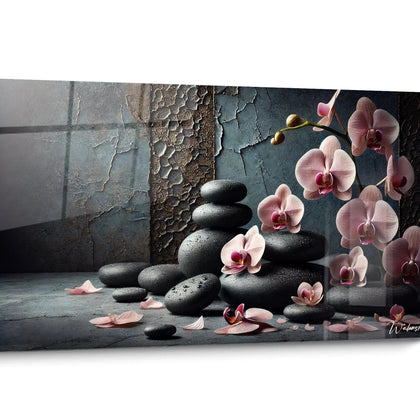 Wall Art for Wellness Center101
artworks
Wall Art for Wellness Center101
artworks
-
 Wall Art for Zen Wellness Center24
artworks
Wall Art for Zen Wellness Center24
artworks
-
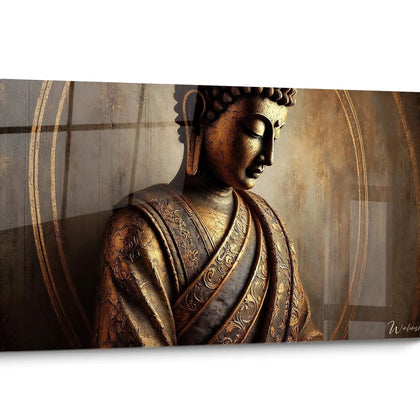 Buddha Wellness Center Wall Art15
artworks
Buddha Wellness Center Wall Art15
artworks
-
 Golden Wellness Center Wall Art18
artworks
Golden Wellness Center Wall Art18
artworks
-
 Abstract Wellness Center Wall Art15
artworks
Abstract Wellness Center Wall Art15
artworks
-
 Wellness Center Wall Art Floral24
artworks
Wellness Center Wall Art Floral24
artworks
-
 Wall Art for Wellness Center Cascade8
artworks
Wall Art for Wellness Center Cascade8
artworks
-
 Wall Art for Wellness Center Tree of Life10
artworks
Wall Art for Wellness Center Tree of Life10
artworks
-
 Orchid Wellness Center Wall Art9
artworks
Orchid Wellness Center Wall Art9
artworks
-
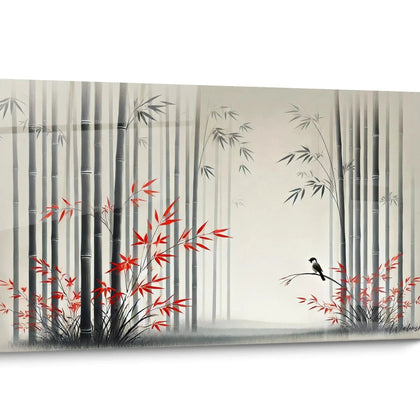 Wall Art for Wellness Center Bamboo5
artworks
Wall Art for Wellness Center Bamboo5
artworks
-
 Landscape Wall Art for Wellness Centers13
artworks
Landscape Wall Art for Wellness Centers13
artworks


All about Wall Art for Lotus Wellness Center
- Presentation Painting Lotus
- Zen and Symbolic Atmosphere
- Energetic Harmonization
- Professional Aesthetics
A painting for Lotus wellness center instantly transforms the atmosphere of your therapeutic space by infusing it with an authentic spiritual dimension. This majestic wall art captures the essence of the sacred flower, a universal symbol of purity, awakening, and rebirth, particularly appreciated in establishments dedicated to relaxation, holistic care, and meditative practices. With its imposing dimensions adapted to the large wall surfaces of massage rooms, yoga studios, and reception areas, this artwork becomes the focal point that guides your clients towards a state of serenity upon arrival. The representation of the lotus, rooted in the mud but blossoming towards the light, resonates deeply with the personal transformation journey sought by visitors to your center. Choosing this sacred plant iconography demonstrates your commitment to an authentic approach to well-being, far from generic decorative clichés, and creates a visual consistency that reinforces your professional identity while mentally preparing your clients for their therapeutic experience.
The Symbolism of the Lotus in Service of Your Therapeutic Practice
In the universe of wellness centers, choosing a painting for Lotus wellness center goes far beyond the simple aesthetic dimension to anchor itself in a millennial tradition of healing and spiritual elevation. This aquatic flower occupies a central place in Buddhist and Hindu philosophies, where each of its petals symbolizes a specific spiritual virtue. When your clients enter your space and discover this majestic representation, their subconscious immediately activates positive associations linked to transformation, resilience, and personal fulfillment.
How does the lotus reinforce the therapeutic intention of your space?
The presence of a large-scale lotus painting in your waiting room or treatment room creates a visual anchor that psychologically prepares your clients for their session. Unlike neutral decorative motifs, the lotus conveys an explicit message of growth and overcoming obstacles, aligned with the therapeutic objectives of your services. This symbolic consistency between your decoration and your professional practice subconsciously reassures people seeking well-being, signaling to them that they are in a space where their personal evolution is understood and supported.
The different phases of the lotus and their therapeutic resonance
A painting depicting the lotus can illustrate various stages of its blossoming, each corresponding to an aspect of the healing journey. The closed bud evokes untapped potential and the promise of transformation, particularly suitable for spaces dedicated to new consultations or first sessions. The partially open flower symbolizes the ongoing process, ideal for treatment rooms where therapeutic work is carried out. The fully blossomed lotus represents accomplishment and regained harmony, perfect for post-treatment rest areas where your clients integrate the benefits of their session.
The association of the lotus with specific wellness practices
For practitioners of traditional Chinese medicine, Ayurveda, or energy therapies, a Lotus wellbeing center painting establishes an immediate connection with chakra and energy meridian systems. The flower is traditionally associated with the crown chakra, the seat of higher consciousness and spiritual enlightenment. This visual reference reinforces the credibility of your therapeutic approach with an informed and demanding clientele, who instantly recognize the cultural and spiritual depth you infuse into your practice, distinguishing your establishment from standardized centers lacking symbolic authenticity.
Energetic Optimization of Your Therapeutic Space with the Lotus
Installing a Lotus wellbeing center painting is part of a conscious approach to harmonizing the energy of care spaces, a fundamental principle of feng shui and geobiology. Beyond its visual beauty, this sacred plant representation acts as a vibrational regulator that subtly influences the emotional and mental state of everyone present in the space. Wellbeing professionals who integrate powerful symbolic elements like the lotus into their decor often notice an improvement in their clients' receptivity to the care provided.
Strategic positioning according to feng shui principles
In the practice of feng shui applied to professional wellbeing spaces, the southeast sector of your establishment corresponds to the zone of prosperity and growth, while the east sector symbolizes health and family. Placing your Lotus painting in one of these zones amplifies its beneficial effects while attracting favorable energy to your business. For an Abstract wellbeing center painting combining stylized floral motifs and geometric shapes, prioritize a central position in the waiting room to create a focal point that captures and harmoniously redistributes circulating energy.
What lotus colors should you choose according to the energy sought?
Chromotherapy applied to the decoration of wellbeing centers reveals that each lotus color carries a specific energy frequency. The white lotus, a symbol of mental and spiritual purity, is particularly suitable for meditation spaces and contemplative practices. The pink lotus, associated with compassion and openness of the heart, is ideal for psychotherapy or relational care practices. The rare and precious blue lotus evokes wisdom and mastery of the mind, suitable for centers offering advanced personal development techniques. This intentional chromatic selection transforms your decoration into a therapeutic tool in its own right.
Vibrational amplification through majestic dimensions
A large-scale painting depicting the lotus creates what spatial energy specialists call an extended "presence field," capable of influencing the atmosphere of an entire room. Unlike scattered small decorative elements that fragment attention, an imposing artwork establishes a clear and stable energy dominance. This monumental visual presence allows your clients to synchronize more quickly with the soothing frequency of your space, reducing the time needed to reach a state of deep relaxation and maximizing the effectiveness of your therapeutic sessions in a professional context where every minute counts.
Creation of a Distinctive Professional Visual Identity
In a saturated wellness market where brand image largely determines commercial success, integrating a painting for Lotus wellness center is a major differentiating element that immediately positions your establishment in the premium and specialized segment. This strategic decision visually communicates your commitment to an authentic and culturally rooted approach, attracting a demanding clientele ready to invest more in services they perceive as qualitatively superior. Centers with a consistent and symbolically rich decor generate significantly higher customer loyalty rates than those opting for a generic aesthetic.
Consistent decor as a professional signature
Your lotus painting becomes the central element around which the entire visual identity of your establishment is structured. The natural and aquatic tones of the composition guide your choices for furniture, textiles and complementary accessories, creating a unified sensory experience that distinguishes your establishment from the competition. This holistic approach to interior design transforms each visit into a memorable experience that your clients will associate exclusively with your center, reinforcing brand recognition and facilitating positive word-of-mouth within their personal network.
How does this decor influence perceived pricing?
Consumer psychology in the wellness sector reveals a direct correlation between the perceived investment in the environment and the value attributed to services. An imposing painting depicting the lotus immediately signals a high-end positioning, justifying premium prices for your services. Clients interpret this refined decor as an expression of accomplished professionalism and in-depth expertise, reducing their price objections while increasing post-service satisfaction thanks to the positive placebo effect generated by an aesthetically and symbolically enriching setting.
The impact on customer behavior and length of stay
Neuromarketing studies applied to commercial spaces demonstrate that visually stimulating yet soothing environments increase the average length of visitor stays. In your center, this extended time translates into increased receptivity to additional sales, whether it's extra sessions, packages or complementary products. The lotus painting, by captivating attention without creating visual tension, facilitates the mental anchoring of your clients in the present moment, the optimal state for absorbing subtle promotional messages and for making purchasing decisions guided by emotion rather than analytical reasoning.
What style of lotus painting is best suited for a modern wellness center?
For an establishment with a contemporary design, prioritize a minimalist interpretation of the lotus with clean lines and a restricted color palette that harmonizes with modern architecture while preserving the symbolic strength of the sacred flower.
Can a painting for Lotus wellness center be integrated into different therapeutic approaches?
Absolutely, the symbolic versatility of the lotus makes it compatible with both Western and Eastern practices, from relaxing massages to sophrology, acupuncture and energy therapies, constituting a universal common denominator of transformation and fulfillment.
How to maintain the visual impact of a lotus painting in a very busy professional space?
Beyond regular cleaning, periodically reposition accent lighting to renew the visual perception, and pair your wall art with changing natural elements like seasonal floral arrangements that refresh the aesthetic experience without diluting the central message of the composition.
Further reading
Our articles on this topic
- Mandala Painting for a Yoga Room: Choosing a Spiritual Wall Decoration That Supports Your Practice
- Inspirational painting with Buddhist quote for yoga and wellness space: quotes that transform your practice
- Which painting should you choose if your room also hosts sound meditation workshops?
- What type of artwork for a room dedicated exclusively to guided meditation?
- How can a painting visually mark out the meditation area in a multi-purpose studio?
- Yoga Studio Painting: The Complete Guide to Choosing the Perfect Artwork
L'art qui suscite l'envie
Maison belge d'art mural grand format
14 jourspour changer d'avis*
Protection Walenskyincluse
Fabriquéen Italie
FormatXXL
Kit de fixationtoujours fourni
* Hors tableaux personnalisés et tailles personnalisées


