


Orchid Wellness Center Wall Art
The Painting for wellness center Orchidée brings a touch of serenity to your relaxation space. This collection celebrates the timeless elegance of the orchid, a symbol of purity and harmony. Perfect for creating a zen atmosphere in a massage room, spa or yoga studio, each artwork diffuses a soothing energy. The delicate floral compositions invite meditation and well-being. Ideal for a wellness space wall decoration that is refined and professional.
 Luminous Fragility Wall Art - Zen Candle Edition273,90 €
 Stones and Petals Wall Art - Feng Shui Zen Edition273,90 €
 Reverie in Pink Wall Art - Orchid Nature Edition273,90 €
 Refinement Wall Art - Orchid Nature Edition273,90 €
 Zen Orchid Wall Art - Orchid Nature Edition273,90 €
 Orchids at Dusk Wall Art - Orchid Nature Edition273,90 €
 Pastel Nuance Wall Art - Orchid Nature Edition273,90 €
 Blue Bloom Wall Art - Orchid Nature Edition273,90 €
 Evening Softness Wall Art - Orchid Nature Edition273,90 €
Explore further
In Orchid Wellness Center Wall Art
-
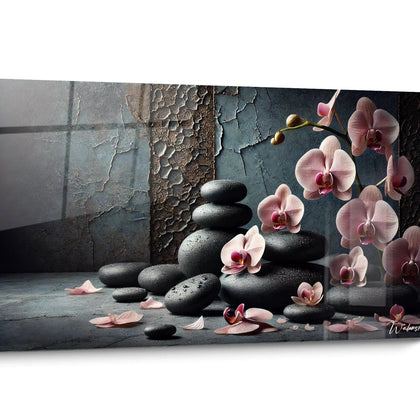 Wall Art for Wellness Center101
artworks
-
 Wall Art for Zen Wellness Center24
artworks
-
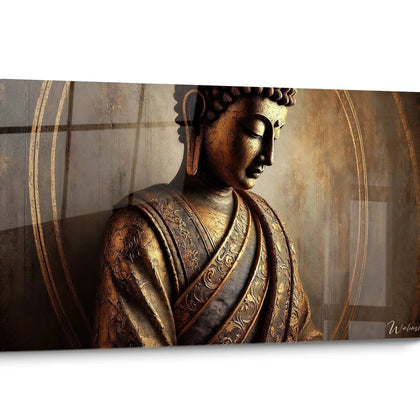 Buddha Wellness Center Wall Art15
artworks
-
 Golden Wellness Center Wall Art18
artworks
-
 Abstract Wellness Center Wall Art15
artworks
-
 Wellness Center Wall Art Floral24
artworks
-
 Wall Art for Wellness Center Cascade8
artworks
-
 Wall Art for Wellness Center Tree of Life10
artworks
-
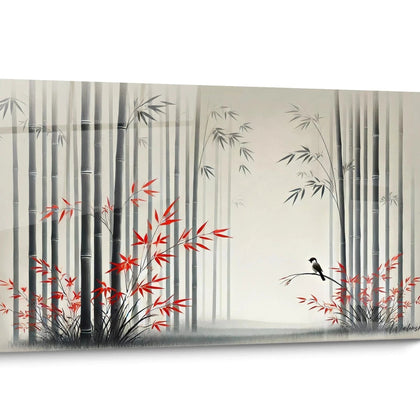 Wall Art for Wellness Center Bamboo5
artworks
-
 Landscape Wall Art for Wellness Centers13
artworks
-
 Wall Art for Lotus Wellness Center6
artworks


All about Orchid Wellness Center Wall Art
- Presentation Painting Orchid
- Create a Soothing Atmosphere
- Symbolism and Visual Elegance
- Optimizing the Customer Experience
Discover our exclusive selection of paintings for wellness centers Orchid, specifically designed to transform your therapeutic spaces into true relaxation sanctuaries. These large-scale mural artworks capture the essence of the orchid flower, a universal symbol of refinement and serenity, to create an immediate emotional connection with your clients upon arrival. Each large-scale floral composition is designed to meet the rigorous requirements of holistic care facilities, high-end spas, and alternative therapy institutes where the visual environment plays a crucial role in the relaxation process.
The Neurological Impact of Floral Representations in Therapeutic Spaces
Integrating a painting for wellness centers Orchid responds to precise scientific principles in environmental psychology. Neuroscience research demonstrates that exposure to floral patterns, particularly the orchid with its organic curves and soft hues, activates brain areas associated with parasympathetic relaxation. This measurable physiological response translates to a decrease in salivary cortisol in patients within the first few minutes of waiting.
How do orchid nuances influence clients’ emotional regulation?
The characteristic tones of orchids - from milky white to deep violet, through powdery pinks - act as natural emotional regulators in massage rooms, beauty cabins, and meditation spaces. An orchid spa painting with pale lavender hues promotes serotonin production, particularly recommended for areas dedicated to anti-stress treatments. Pure white orchid compositions are ideally suited for spaces preparing for hypnotherapy or sophrology sessions, creating a mental void conducive to receptivity.
Plant architecture as a tool for managing energy flow
In establishments practicing therapeutic Feng Shui or Ayurveda, positioning a painting for wellness centers Orchid in the main visual axis creates a focal point that channels Qi. The natural vertical structure of the floral stem guides the gaze upwards, an age-old technique to elevate the vibrations of a care space. Practitioners of chromotherapy integrate these monumental floral compositions for their subtle reflective properties that diffuse natural light without glare, creating that enveloping luminosity characteristic of Abstract wellness center paintings while maintaining a reassuring plant identity.
The generous dimensions of our orchid mural creations - often exceeding 120 cm - allow for immersive installations in hydrotherapy rooms where steam and humidity require visually powerful representations. This monumental scale transforms a simple decoration into a true sensory experience, a major differentiating factor for premium wellness centers seeking to justify high service rates.
The Cultural Semantics of the Orchid in Holistic Care Protocols
Why does the orchid particularly resonate with a clientele seeking therapeutic luxury?
A painting for a Orchidée wellness center instantly conveys codes of accessible sophistication that reassure a demanding clientele about the quality of services offered. In the Western collective unconscious, the orchid represents botanical excellence - a capricious flower reserved for connoisseurs - symbolically translating this notion of expertise to therapists and practitioners. This cognitive association measurably increases the perception of value, allowing you to position your wellness packages in the higher price segments.
Asian cultures, a privileged clientele of traditional Chinese medicine and reflexology establishments, attribute particular spiritual virtues to the orchid. In Mandarin, "lan hua" symbolizes fertility and rebirth, resonating deeply with cellular regeneration and deep detoxification protocols. Installing an orchid painting zen large format in your acupuncture consultation room immediately creates this reassuring cultural connection that facilitates adherence to long-term care protocols.
The orchid as a marker of identity for alternative therapeutic practices
Centers specializing in lithotherapy, clinical aromatherapy or sound therapy strategically use floral orchid paintings to visually differentiate themselves from conventional medical environments. This aesthetic vegetation clearly signals the naturopathic approach without falling into new-age clichés that can deter an educated urban clientele. The near-photographic precision of some of our orchid compositions satisfies this need for a balance between natural authenticity and refined contemporary aesthetics.
For holistic beauty institutes offering facial treatments with oriental techniques (kobido, facial gua sha), an Orchidée painting for a wellness center with powder pink tones visually reinforces the natural anti-aging positioning. The orchid petals, with their suggested velvety texture, create mental associations with skin softness and preserved youth - central objectives of these premium treatments.
Which orchid composition to choose according to your therapeutic specialty?
Osteopathic and kinésiologie practitioners will prefer single-stem compositions with a neutral background, avoiding any visual overload that could disrupt the concentration necessary for muscle testing. Conversely, spaces for yogatherapy and therapeutic Pilates benefit from dynamic, multi-floral orchid paintings that suggest movement and vitality, unconsciously encouraging participant body engagement.
Installation Strategies to Maximize Therapeutic and Commercial Impact
The strategic placement of your Orchidée painting for a wellness center directly determines its effectiveness on the customer journey. Eye-tracking studies conducted in wellness reception areas reveal that visitors fix their gaze on wall elements positioned at an angle of 15-20° from their natural line of vision when seated for an average of 8.3 seconds. Installing your monumental floral composition facing the waiting area seats, slightly offset from the central axis, maximizes this crucial pre-treatment attention window for inducing a state of relaxation.
How to integrate the orchid into a soothing directional signage?
Multi-practice clinics with multiple consultation rooms use orchid paintings, chromatic variations, as an intuitive wayfinding system: white orchids for body treatments, violets for energy therapies, pinks for aesthetics. This visual categorization reduces anxiety related to spatial orientation, especially for new clients unfamiliar with your premises. This approach transforms each decorative element into a functional tool for improving the user experience.
The orchid as a sensory amplifier in multi-sensory protocols
Establishments offering complete sensory pathways (chromotherapy + aromatherapy + music therapy) synchronize their orchid wellness painting with other stimuli. Indirect lighting directed towards the mural composition creates soft light variations during guided relaxation sessions, while the diffusion of floral essential oils (ylang-ylang, neroli) reinforces the olfacto-visual coherence. This sensory orchestration justifies significant tariff supplements on your signature treatments.
Spa hotels and thalassotherapy centers install Orchid wellness paintings of very large format (180-200 cm) in the circulation corridors between pools, creating contemplative visual pauses that naturally slow the heart rate. This architectural rhythmization of the aquatic pathway amplifies the physiological benefits of water treatments, a measurable commercial argument for your day packages.
What technical criteria should be prioritized for a permanent installation in a humid environment?
Body care areas generating steam and humidity (hammam, sauna, sensory showers) require orchid paintings treated specifically against hygrometric variations. Our large formats benefit from protections allowing installation less than 2 meters from water sources, a rare technical advantage for works of this scale. This environmental resistance eliminates frequent decorative rotations, an investment quickly recouped for establishments with high attendance.
Is an Orchid wellness painting suitable for liberal practitioners’ gentle medicine clinics?
Absolutely, especially for practitioners seeking to create a memorable visual identity that distinguishes their clinic from conventional medical environments. A 100-120 cm format is sufficient for individual consultation spaces of 12-15 m², creating a professional visual impact without saturating the space. This reassuring plant presence facilitates the establishment of the therapeutic relationship from the first consultation, a determining factor in the recurrence rate of follow-ups.
Do orchid paintings work in emerging male wellness concepts?
Barber spas and male wellness spaces are massively adopting orchid compositions with graphic tones (black and white, sepia) which retain floral sophistication while avoiding traditionally feminine color codes. These monochrome variations integrate perfectly into the industrial or minimalist aesthetic universes favored by this clientele, proving the stylistic versatility of the orchid motif beyond gender stereotypes.
Can multiple orchid paintings be combined in the same therapeutic space?
Diptych or triptych installations work remarkably well in large therapeutic yoga rooms or collective meditation studios (surfaces exceeding 40 m²). This multiplication creates an amplified botanical immersion effect, particularly effective for residential wellness retreats where the visual environment directly contributes to the desired disconnection. The alternation of vertical and horizontal formats generates a sophisticated visual rhythm that architecturally enhances spaces that are sometimes neutral or aesthetically underutilized.
Further reading
Our articles on this topic
- Artworks depicting natural elements (water
- Orchid Painting: A Symbol of Refinement and Grace
- Orchid painting: which colour to choose for a bedroom?
- Olive tree in bloom square painting: the Mediterranean zen touch for your bedroom
- Wall decor idea for a professional aesthetic treatment room
- Wall decor ideas for professional spas and beauty salons
L'art qui suscite l'envie
Maison belge d'art mural grand format
14 jourspour changer d'avis*
Protection Walenskyincluse
Fabriquéen Italie
FormatXXL
Kit de fixationtoujours fourni
* Hors tableaux personnalisés et tailles personnalisées


