


Wall Art for Zen Wellness Center
Our Painting for Zen Wellness Center collection transforms your therapeutic spaces into havens of peace. Each work of art has been specially designed to promote relaxation and inner harmony. These zen paintings for massage rooms radiate a soothing energy thanks to minimalist compositions and soft tones. Perfect for meditation centers and yoga rooms, they create an atmosphere conducive to letting go and deep serenity.
 Tree of Life Zen Dance of Seasons Wall Art273,90 €
 Night Tree Wall Art - Zen Life Tree Edition273,90 €
 Ancient Tree Wall Art - Life Tree Zen Edition273,90 €
 Marbled Peace Wall Art - Zen Edition273,90 €
 Sacred Purity Wall Art - Zen Lotus Flower Edition273,90 €
 Nature Lines Wall Art - Zen Bamboo Edition273,90 €
 Stones and Petals Wall Art - Feng Shui Zen Edition273,90 €
 Ephemeral Stability Wall Art - Zen Feng Shui Edition273,90 €
 Fusion Energy Painting - Yin Yang Zen Edition273,90 €
 Eternal Peace Wall Art - Zen Buddha Edition273,90 €
 Tree and Wind Fusion Wall Art - Tree of Life Zen Edition273,90 €
 Eternal Tree of Life Wall Art - Zen Tree of Life Edition273,90 €
 Lines and Perspectives Canvas - Diverse Zen Edition273,90 €
 The Path of Awakening Wall Art - Diverse Zen Edition273,90 €
 Luminous Balance Canvas - Diverse Zen Edition273,90 €
 Spiritual Echoes Canvas - Diverse Zen Edition273,90 €
 Zen Alley Wall Art - Zen Edition273,90 €
 Vertiginous Quietude Wall Art - Zen Edition273,90 €
 Deep Peace Wall Art - Zen Edition273,90 €
 Fluid Peace Painting - Zen Edition273,90 €
 The Golden Path Wall Art - Divers Zen Edition273,90 €
 The Legacy of Souls Wall Art - Zen Tree of Life Edition273,90 €
 The Spirit of Nature Wall Art - Zen Tree of Life Edition273,90 €
 Ephemeral Harmony Wall Art - Zen Tree of Life Edition273,90 €
Explore further
In Wall Art for Zen Wellness Center
-
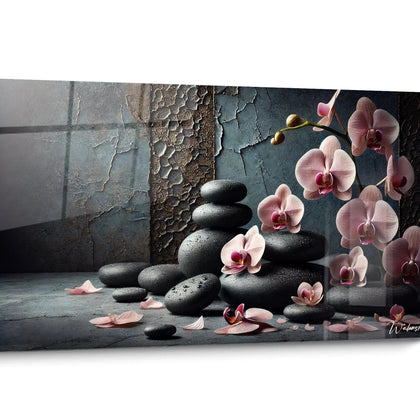 Wall Art for Wellness Center101
artworks
Wall Art for Wellness Center101
artworks
-
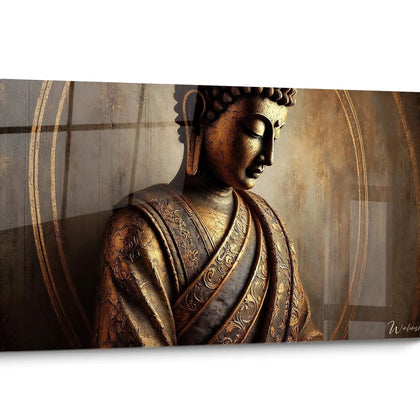 Buddha Wellness Center Wall Art15
artworks
Buddha Wellness Center Wall Art15
artworks
-
 Golden Wellness Center Wall Art18
artworks
Golden Wellness Center Wall Art18
artworks
-
 Abstract Wellness Center Wall Art15
artworks
Abstract Wellness Center Wall Art15
artworks
-
 Wellness Center Wall Art Floral24
artworks
Wellness Center Wall Art Floral24
artworks
-
 Wall Art for Wellness Center Cascade8
artworks
Wall Art for Wellness Center Cascade8
artworks
-
 Wall Art for Wellness Center Tree of Life10
artworks
Wall Art for Wellness Center Tree of Life10
artworks
-
 Orchid Wellness Center Wall Art9
artworks
Orchid Wellness Center Wall Art9
artworks
-
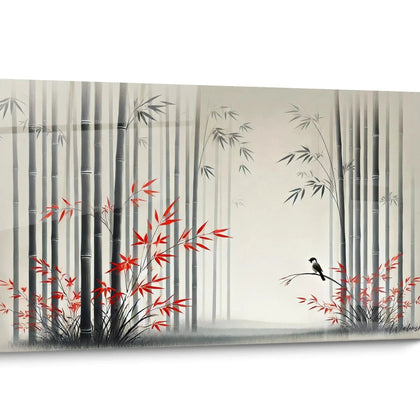 Wall Art for Wellness Center Bamboo5
artworks
Wall Art for Wellness Center Bamboo5
artworks
-
 Landscape Wall Art for Wellness Centers13
artworks
Landscape Wall Art for Wellness Centers13
artworks
-
 Wall Art for Lotus Wellness Center6
artworks
Wall Art for Lotus Wellness Center6
artworks


All about Wall Art for Zen Wellness Center
- Zen Wall Art Presentation
- Wellness Space Design
- Calming Atmosphere
- Therapeutic Environment
Transform your relaxation establishment into a genuine visual sanctuary through wall decoration specifically designed for wellness professionals. A Zen wall art piece for wellness centers is far more than a simple decorative element: it becomes an essential therapeutic tool that guides your clients on their journey toward serenity. These large-scale mural creations are thoughtfully designed to blend seamlessly into massage rooms, meditation spaces, yoga studios, and alternative therapy practices, where every visual detail directly influences visitors' emotional states. The patterns carefully selected for these professional environments encourage letting go and amplify the effectiveness of treatments provided, creating perfect continuity between therapeutic intention and overall sensory experience.
Optimize Your Professional Relaxation Space
Designing a wellness center requires a thoughtful approach where every element contributes to the overall experience. A large-format Zen wall art piece for wellness centers becomes the visual anchor that instantly defines your establishment's atmosphere upon entry. In reception areas, these monumental works immediately capture attention and initiate the mental disconnection process, allowing your clients to begin their transition toward calm before even reaching their treatment room.
How to strategically position visual elements in treatment rooms?
Thoughtful therapists strategically place these mural compositions directly in clients' line of sight as they lie on massage tables or relax in loungers. This configuration enables natural eye focus, facilitating meditation entry and deepening relaxation states. XXL formats are particularly suited to collective practice spaces like yoga studios or sophrology rooms, where visibility from different points in the space proves essential.
Transition zones and calming circulation
Corridors and intermediate spaces deserve special attention in your decorative strategy. A Zen wall art piece for wellness centers installed in these passage areas transforms these transitional moments into contemplative experiences. Fluid patterns and organic compositions naturally guide movement, subconsciously slowing walking pace and mentally preparing clients for the experience ahead. For those seeking stylistic variations, abstract wall art for wellness centers offers a contemporary alternative while maintaining their soothing benefits.
Synergy with your therapeutic practice identity
Each wellness specialty possesses its own visual language. Reiki practitioners will favor representations evoking energy and fluidity, while massage therapists opt for visuals celebrating mind-body connection. Kinesiotherapists integrating holistic approaches benefit from balanced representations that reassure while inspiring transformation. This coherence between your therapeutic approach and visual environment reinforces your professional credibility and amplifies client trust.
Create an Atmosphere Conducive to Deep Relaxation
Why do visual stimuli influence physiological response?
Neuroscience confirms that our nervous system reacts instantly to visual information in our environment. A carefully selected Zen wall art piece for wellness centers activates brain regions associated with relaxation, triggering a cascade of favorable biological responses: decreased heart rate, lowered blood pressure, and reduced cortisol. Compositions with soft lines and slow visual rhythms stimulate the parasympathetic nervous system, responsible for rest and regeneration functions, thus creating optimal physiological conditions for your therapeutic interventions.
Establishments specializing in stress management and burnout support observe that visual environment plays a determining role in protocol effectiveness. These large-scale mural compositions serve as anchoring points for conscious breathing exercises and guided visualization techniques. They provide tangible support for practitioners teaching mindfulness, transforming an abstract concept into concrete sensory experience.
Color palette and emotional regulation
The hues present in your wall decoration directly influence your clients' mood and emotional openness. Nature-inspired tones – mineral, plant, and aquatic nuances – resonate with our ancestral biological programming, triggering immediate soothing response. A Zen wall art piece for wellness centers with deep blue tones favors introspection and suits psychosomatic therapy sessions perfectly, while green variations support reconnection and energy revitalization practices.
What atmosphere for collective meditative practices?
Spaces dedicated to group sessions require an inclusive visual approach welcoming participant diversity. Monumental formats create a common visual focal point that unites practitioners in shared experience, reinforcing group cohesion and collective energy amplification. These works become contemporary mandalas, contemplation supports that elevate individual practice while nourishing collective dynamics, particularly appreciated in centers offering meditation circles, sound baths, or full moon ceremonies.
Showcase Your Professional Expertise Through Environment
Differentiation in a competitive market
In a rapidly expanding wellness sector, your visual identity becomes a major differentiating factor. Professional-quality Zen wall art for wellness centers immediately signals your commitment to excellence and deep understanding of relaxation mechanisms. Clients now seek complete, coherent experiences: they unconsciously evaluate your expertise through every environmental detail. Sophisticated, intentional wall decoration reassures about your professionalism and naturally justifies premium pricing.
Practitioners operating in shared spaces or multi-practice facilities use these distinctive visual elements to create their own recognizable universe. This visual signature reinforces brand memorability and encourages spontaneous recommendations: your clients will easily describe your practice by evoking this remarkable mural presence, facilitating word-of-mouth.
Impact on session duration and quality
Therapists report that visual environment significantly influences consciousness depth achieved during sessions. A Zen wall art piece for wellness centers facilitates rapid relaxation installation, recovering precious minutes often lost at session start. This increased efficiency enables deeper therapeutic work or optimizes rotations in high-traffic establishments, directly improving your profitability without compromising quality.
Client loyalty and memorable experience
The attention economy requires wellness professionals to create unforgettable experiences. These monumental mural compositions transform simple service provision into exceptional moments, etching your establishment in visitors' emotional memory. Clients unconsciously associate their post-session well-being with the entire sensory experience, including striking visual impressions. This powerful emotional connection favors repeat visits and transforms occasional clients into enthusiastic ambassadors for your practice.
What durability for professional investment?
Unlike ephemeral decorative trends, Zen aesthetic principles transcend eras without aging. This investment in timeless wall decoration protects your establishment against rapid visual obsolescence characterizing passing fads. Generous formats also resist space evolution: a relocation or reconfiguration will always find room for these versatile works adapting to changing configurations of your expanding professional activity.
Is a Zen wall art piece for wellness centers suitable for conventional therapeutic practices?
Absolutely. Many kinesiotherapists, osteopaths, and psychomotor specialists now integrate complementary approaches into their protocols. These soothing visual elements create a bridge between conventional medicine and holistic approaches, reassuring patients accustomed to medical environments while introducing additional care dimension enriching overall therapeutic experience.
How to choose between different patterns to maximize soothing effect?
Favor compositions evoking natural elements without literal representation: landscape suggestions, mineral evocations, organic fluids. Overly figurative patterns excessively engage cognitive analysis, while total abstractions may destabilize certain profiles. Balance resides in poetic suggestion allowing the mind to wander without confining it to single interpretation, enabling each individual to project their own soothing associations.
What maintenance preserves visual impact in professional environments?
Professional-quality formats naturally resist intensive use conditions in wellness centers. Simple occasional dusting generally suffices, avoiding activity interruptions for maintenance. This ease of upkeep proves particularly valuable in establishments receiving high client flow, where every minute counts and impeccable space presentation directly conditions professionalism perception.


