


Abstract Wellness Center Wall Art
Our collection Abstract Artwork for Wellness Centers enhances your spaces dedicated to relaxation and harmony. These artistic creations combine flowing shapes and soothing colors to create an atmosphere of absolute serenity and relaxation. Perfect for massage institutes, spas and yoga studios, these abstract works promote letting go and inner balance. Each composition evokes peace and well-being through zen and harmonious motifs that transform your walls into true havens of tranquility.
 Tree of Dreams Wall Art - Zen Tree of Life Edition273,90 €
 Roots and Winds Wall Art - Nature Tree Edition273,90 €
 Red Passion Wall Art - Nature Floral Edition273,90 €
 Artistic landscape painting No. 1 - Landscape edition273,90 €
 Seasonal Sparkle Canvas - Forest Landscape Edition273,90 €
 Graceful Flower Canvas - Abstract Flower Edition273,90 €
 Floral Explosion Wall Art - Abstract Flower Edition273,90 €
 Midnight Blue Painting - Abstract Flower Edition273,90 €
 Meadow Song Canvas - Abstract Flower Edition273,90 €
 Silk Glow Wall Art - Abstract Flower Edition273,90 €
 Porcelain Garden Wall Art - Abstract Flower Edition273,90 €
 Sunflower Wall Art - Abstract Flower Edition273,90 €
 Brilliance of Purity Wall Art - Abstract Flower Edition273,90 €
 Softness Vision Wall Art - Abstract Flower Edition273,90 €
 Fluid Peace Painting - Zen Edition273,90 €
Explore further
In Abstract Wellness Center Wall Art
-
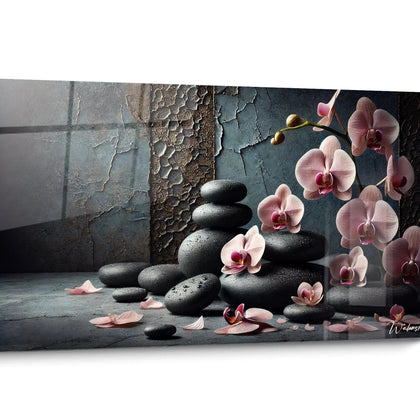 Wall Art for Wellness Center101
artworks
Wall Art for Wellness Center101
artworks
-
 Wall Art for Zen Wellness Center24
artworks
Wall Art for Zen Wellness Center24
artworks
-
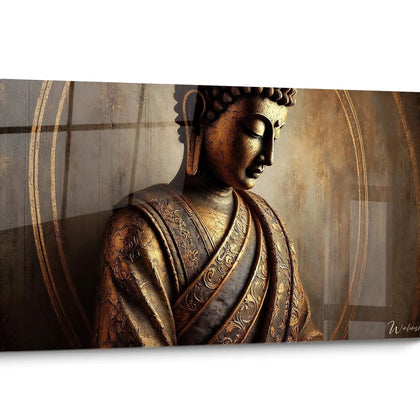 Buddha Wellness Center Wall Art15
artworks
Buddha Wellness Center Wall Art15
artworks
-
 Golden Wellness Center Wall Art18
artworks
Golden Wellness Center Wall Art18
artworks
-
 Wellness Center Wall Art Floral24
artworks
Wellness Center Wall Art Floral24
artworks
-
 Wall Art for Wellness Center Cascade8
artworks
Wall Art for Wellness Center Cascade8
artworks
-
 Wall Art for Wellness Center Tree of Life10
artworks
Wall Art for Wellness Center Tree of Life10
artworks
-
 Orchid Wellness Center Wall Art9
artworks
Orchid Wellness Center Wall Art9
artworks
-
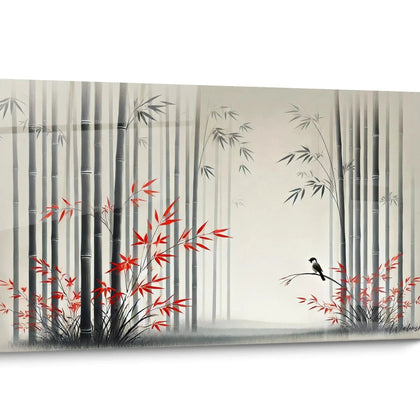 Wall Art for Wellness Center Bamboo5
artworks
Wall Art for Wellness Center Bamboo5
artworks
-
 Landscape Wall Art for Wellness Centers13
artworks
Landscape Wall Art for Wellness Centers13
artworks
-
 Wall Art for Lotus Wellness Center6
artworks
Wall Art for Lotus Wellness Center6
artworks


All about Abstract Wellness Center Wall Art
- Abstract Wall Art Presentation
- Creating Therapeutic Atmospheres
- Visual Energy and Relaxation
- Harmonizing Wellness Spaces
The abstract wall art for wellness centers radically transforms the atmosphere of spaces dedicated to relaxation and rejuvenation. These visual creations with fluid forms and non-figurative compositions generate a soothing presence that facilitates emotional grounding for visitors from their arrival. Unlike concrete representations that demand intellectual analysis, abstract art offers an open contemplative experience, allowing each person to project their own emotions and more easily access a state of letting go. In massage rooms, holistic therapy offices, yoga studios, or meditation spaces, these monumental works become visual supports fostering the transition between the stressful outside world and the inner universe of wellness. Their generous format immediately captures attention without creating narrative distraction, establishing a sensory framework conducive to therapeutic practices and wellness protocols.
The Psychosensory Impact of Abstract Compositions in Therapeutic Environments
The abstract wall art for wellness centers acts as an emotional catalyst in holistic care environments. Organic forms and chromatic gradations activate neurological responses different from those triggered by figurative imagery, bypassing the prefrontal cortex to directly engage the brain's emotional centers. This direct interaction fosters the spontaneous emergence of meditative states in patients awaiting their session or mentally preparing for a physical practice.
How do fluid patterns influence the perception of waiting time?
Compositions with undulating lines and progressive chromatic transitions create a hypnotic visual experience that modifies visitors' temporal perception. In a spa reception area or transition space between treatments, these monumental works generate an impression of spatial and temporal expansion, reducing pre-care anxiety. The visual movements suggested by abstract forms imitate the natural rhythms of breathing, unconsciously encouraging breath regulation in the observer.
Asymmetrical balance in service of energetic dynamics
Unlike symmetrical compositions that create static stability, abstract wall art for wellness spaces exploits asymmetrical balance to generate subtle visual tension. This compositional dynamic maintains contemplative attention without provoking nervous excitement, creating an optimal relaxed alertness state for meditative practices. Therapists specializing in chromotherapy integrate these works into their protocols, using their chromatic resonance as support for guided visualizations and energetic centering exercises.
Integration into multitherapeutic sensory pathways
Centers offering combined approaches – aromatherapy, music therapy, light therapy – strategically position these visual creations at transition points between spaces. A large-scale abstract wall art becomes a spatial marker signaling passage from an activity zone to a sanctuary of calm. To complement a symbolic approach, certain establishments pair these fluid compositions with an wall art for wellness centers tree of life in rooms dedicated to energy therapies, thus creating a duality between meditative abstraction and anchored symbolism.
Visual Chromotherapy and Emotional Resonance of Abstract Hues
In the world of centers dedicated to physical and psychological rejuvenation, the abstract wall art for wellness centers functions as a chromatic regulation instrument. Carefully orchestrated palettes – from soothing blues to regenerating greens, introspective violets to enveloping ochres – act on the autonomic nervous system with measurable efficacy. Integrative medicine practitioners report that patients exposed to these chromatic compositions show decreased salivary cortisol levels and improved cardiac coherence after just fifteen minutes of visual exposure.
Which chromatic palette to choose based on therapeutic specialties?
Centers focused on stress and anxiety management favor compositions dominated by cool shades – deep azure, calming turquoise, soothing lavender. These hues naturally slow heart rate and promote parasympathetic activation. Conversely, spaces dedicated to energy revitalization and dynamic practices like vinyasa yoga integrate abstractions with warm accents – energizing coral, stimulating amber, grounding terracotta – that maintain tonic alertness without creating mental agitation.
The effect of visual textures on anticipated tactile sensation
A fascinating neurological phenomenon occurs when facing abstract wall art presenting material effects: the brain anticipates a tactile experience that influences sensory receptivity during treatments. Compositions evoking aqueous fluidity mentally prepare for oil massages, while surfaces suggesting minerality predispose to hot stone treatments. This visuo-tactile synesthesia amplifies the perceived efficacy of therapeutic protocols, creating comprehensive sensory coherence throughout the care pathway.
Visual programming of deep relaxation cycles
Establishments offering prolonged sessions – sensory baths, flotation chambers, meditation capsules – use monumental abstract wall art as visual anchors marking different protocol phases. A composition with evolving tonalities unconsciously guides the visitor through successive stages of relaxation: attentional activation, progressive letting go, contemplative immersion, centered return. This chromatic mapping transforms the work into a genuine therapeutic tool integrated into the care system.
Spatial Architecture and Functional Zoning Through Abstract Art
The strategic placement of abstract wall art for wellness centers completely redefines the energetic circulation and functional hierarchy of therapeutic spaces. These monumental works act as non-intrusive visual separators, creating zones of privacy without resorting to physical partitions that would fragment spatial fluidity. In open-plan centers combining multiple disciplines – gentle osteopathy, reflexology, sound therapy – a strategically positioned large-format abstract piece naturally delimits practice territories while maintaining a soothing aesthetic continuity.
How to optimize placement to maximize therapeutic impact?
Gaze orientation during treatments determines optimal positioning. For massage tables positioned face-up, the artwork will be installed on the ceiling or perpendicular wall, visible in peripheral vision without requiring cervical rotation. In meditation rooms where practitioners are seated facing a focal point, the work occupies the directive wall, becoming the natural support for drishti (visual concentration point). Conversational therapy offices favor lateral positioning, offering soothing visual anchoring during therapeutic silences without creating distraction during verbal exchanges.
Monumental dimensions and sense of protective immersion
Formats exceeding 150 centimeters generate a visual envelopment effect particularly sought in body reconnection protocols. This imposing presence creates a perceptual bubble psychologically isolating the patient from external concerns, facilitating surrender to the practitioner's hands. Abstract compositions with expansive forms amplify this sensation of protected space, while centripetal patterns generate a cocoon effect conducive to introspective practices like cardiac coherence or guided visualization.
Chromatic coherence with the establishment's therapeutic identity
Centers specializing in Eastern approaches – Ayurveda, traditional Chinese medicine, shiatsu – select abstractions with earthy and vegetative tonalities recalling grounding to natural elements. Institutes focused on contemplative neuroscience and contemporary mindfulness favor minimalist compositions with subtle contrasts evoking mental clarity. This harmonization between abstract visual language and therapeutic philosophy reinforces perceived credibility and experience authenticity.
Frequently asked questions about abstract wall art for wellness centers
Is abstract wall art for wellness centers suitable for all types of therapeutic practices?
Absolutely, because abstraction offers interpretive neutrality allowing each discipline to project its own codes. Osteopaths see representations of bodily flows, energy practitioners see chakra cartographies, sophrology practitioners see visualization supports. This semantic versatility makes it an aesthetic investment suited to multidisciplinary centers whose therapeutic offerings evolve.
What is the difference between abstract wall art and nature photography for a relaxation space?
Nature photography imposes concrete narrative – forest, ocean, mountain – that may conflict with certain personal experiences or create distracting mental associations. The abstract wall art offers a projective experience where each person constructs their own soothing meaning, without imposed cultural or geographic reference. This interpretive openness particularly suits international and multicultural clientele in urban centers.
How to maintain abstract wall art for wellness centers in humid environments like spas?
Formats designed for therapeutic environments benefit from protective surface treatments resistant to ambient humidity and thermal variations. Monthly microfiber dusting is generally sufficient. For high-humidity areas like adjacent saunas or hammams, favor compositions with satin finishes rather than matte, facilitating micro-condensation evacuation without chromatic alteration.
L'art qui suscite l'envie
Maison belge d'art mural grand format
14 jourspour changer d'avis*
Protection Walenskyincluse
Fabriquéen Italie
FormatXXL
Kit de fixationtoujours fourni
* Hors tableaux personnalisés et tailles personnalisées


