


Wall Art for Wellness Center Tree of Life
Our Painting for wellness center Tree of Life brings a spiritual and soothing dimension to your therapeutic space. Universal symbol of rooting and growth, the Tree of Life transforms your wall decoration for massage room into a true sanctuary of peace. These artistic creations inspire serenity and promote relaxation for your clients. Perfect for yoga studios, spas and holistic centers, they create a professional zen atmosphere conducive to healing and well-being.
 Breath of Earth Wall Art - Tree of Life Zen Edition273,90 €
 Tree of Life Zen Dance of Seasons Wall Art273,90 €
 Night Tree Wall Art - Zen Life Tree Edition273,90 €
 Ancient Tree Wall Art - Life Tree Zen Edition273,90 €
 Eternal Roots Wall Art - Zen Tree of Life Edition273,90 €
 The Legacy of Souls Wall Art - Zen Tree of Life Edition273,90 €
 The Spirit of Nature Wall Art - Zen Tree of Life Edition273,90 €
 Ephemeral Harmony Wall Art - Zen Tree of Life Edition273,90 €
 Tree and Wind Fusion Wall Art - Tree of Life Zen Edition273,90 €
 Eternal Tree of Life Wall Art - Zen Tree of Life Edition273,90 €
Explore further
In Wall Art for Wellness Center Tree of Life
-
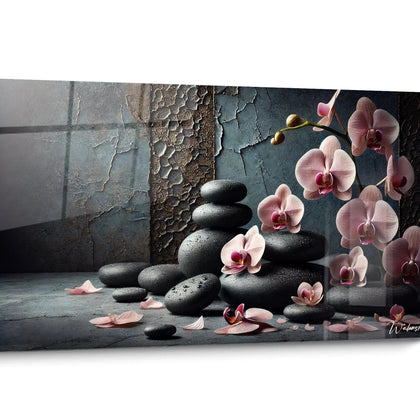 Wall Art for Wellness Center101
artworks
Wall Art for Wellness Center101
artworks
-
 Wall Art for Zen Wellness Center24
artworks
Wall Art for Zen Wellness Center24
artworks
-
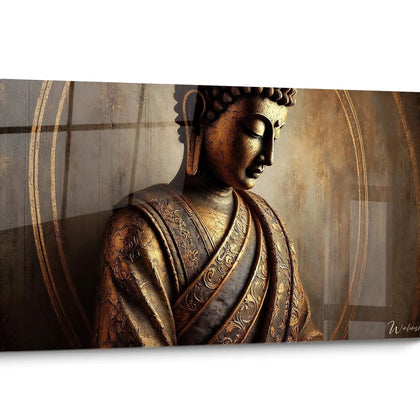 Buddha Wellness Center Wall Art15
artworks
Buddha Wellness Center Wall Art15
artworks
-
 Golden Wellness Center Wall Art18
artworks
Golden Wellness Center Wall Art18
artworks
-
 Abstract Wellness Center Wall Art15
artworks
Abstract Wellness Center Wall Art15
artworks
-
 Wellness Center Wall Art Floral24
artworks
Wellness Center Wall Art Floral24
artworks
-
 Wall Art for Wellness Center Cascade8
artworks
Wall Art for Wellness Center Cascade8
artworks
-
 Orchid Wellness Center Wall Art9
artworks
Orchid Wellness Center Wall Art9
artworks
-
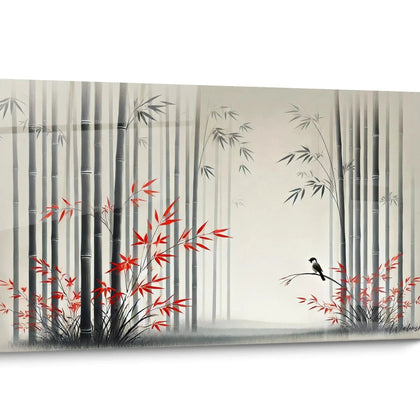 Wall Art for Wellness Center Bamboo5
artworks
Wall Art for Wellness Center Bamboo5
artworks
-
 Landscape Wall Art for Wellness Centers13
artworks
Landscape Wall Art for Wellness Centers13
artworks
-
 Wall Art for Lotus Wellness Center6
artworks
Wall Art for Lotus Wellness Center6
artworks


All about Wall Art for Wellness Center Tree of Life
- Tree of Life Wall Art Presentation
- Symbolism and Energy
- Integration into Wellness Spaces
- Therapeutic Impact
The Tree of Life wall art for wellness centers represents far more than simple wall decoration. This ancient universal symbol instantly transforms the atmosphere of your therapeutic space by creating a profound visual anchor for your clients. Our large-format models immediately capture attention upon entry, establishing an energetic connection between practitioner and consultant. Each branch symbolizes personal growth, each root evokes the emotional grounding sought during relaxation sessions, meditation, or holistic healing. The iconography of this archetype transcends cultures and speaks directly to the collective unconscious, facilitating the receptive state necessary for wellness practices. In a space dedicated to alternative therapies, energy massage, or naturopathy consultations, this powerful visual becomes a passive therapeutic tool that mentally prepares your clients before the session even begins.
The Tree of Life as an Energetic Catalyst in Holistic Practices
Installing a Tree of Life wall art for wellness centers responds to a precise intention in energetic disciplines. Reiki practitioners, magnetic healers, or chromotherapy specialists use this symbol as a focal point to harmonize their clients' chakras. The deep roots visualized in the panoramic format promote anchoring of the root chakra, while ascending branches stimulate spiritual elevation of the higher chakras.
What symbolism activates the Tree of Life during guided meditation sessions?
During therapeutic visualization sessions, this ancestral motif serves as a mental map to explore different strata of consciousness. Each root represents ancestral memory or emotional blockage to transmute. The central trunk embodies the energetic spine where kundalini flows. The branches symbolize spiritual aspirations and unrealized potentials. In large wall format, this visual reference allows participants to mentally project their own inner tree.
Activation of natural cycles and seasonal reconnection
Centers practicing urban forest therapy or seasonal rituals use a Tree of Life wall art to maintain connection with natural rhythms. Golden foliage evokes autumn and letting go, nourishing roots remind of winter and introspection, budding suggests spring renewal. This cyclical iconography helps urbanites disconnected from nature realign their internal biological clock with earthly seasons, thus optimizing the effectiveness of detox cures or seasonal fasting.
How does this symbol facilitate anchoring during body treatments?
In Ayurvedic massage cabinets, reflexology, or energetic osteopathy practices, the wall presence of powerful roots helps mentally hyperactive clients descend into their physical body. The visible root system contrasts with mental agitation, creating a visual pull downward, toward the earth. This nonverbal directive accelerates the transition between daily mental state and the body receptivity necessary for therapeutic manipulations. To complement the contemplative ambiance, explore our abstract wellness center wall art collection with soothing properties.
Optimization of Therapeutic Zones Through Strategic Placement
What placement maximizes psychological impact in the waiting area?
The entrance of a wellness center constitutes the decompression zone where the transition from the outside world to the sacred healing space occurs. Positioning a Tree of Life wall art for wellness centers facing the entrance door immediately captures the eye and initiates the centering process. The roots directed toward the ground unconsciously invite releasing the day's emotional baggage. This strategic placement reduces the time needed to achieve heart coherence, measurable by decreased breathing rate within the first minutes of waiting.
Configuration for collective practice spaces
In yoga therapy studios, qi gong, or tai-chi classes, the wall tree becomes the central axis around which energetic choreography is organized. Installed on the back wall, it offers a convergence point for sun salutations or circular sequences. Standing participants imagine themselves as trees, feet rooted, crown deployed. This symbolic identification improves postural balance and proprioception during grounding asanas like Vrksasana.
Zones of confidentiality and therapeutic intimacy
For transpersonal psychotherapy cabinets, Ericksonian hypnosis, or family constellations practices, positioning behind the practitioner's chair creates a protective symbolic presence. The therapist places themselves before the tree, thus embodying the role of guide between the client's unconscious roots and conscious branches of insights. This Tree of Life wall art in large format structures the space by visually mapping the psychological levels explored during the session.
Can multiple thematic artworks be associated in the same care pathway?
Multi-practitioner centers develop sensory journeys by varying visuals according to stages. Reception presents the Tree of Life for initial anchoring. Preparation rooms use fluid abstract patterns favoring mental release. Individual treatment cabinets prioritize sacred geometric symbols according to specialty. This progressive visual scenography guides clients through their descent into the deeper layers of being, with each artwork triggering a specific phase of the therapeutic process.
Neuropsychological Influences and Measurable Benefits on Clinical Results
How does plant iconography influence the autonomic nervous system?
Research in neuroesthetics demonstrates that exposure to plant representations, particularly fractal tree structures, activates the parasympathetic nervous system responsible for recovery. A Tree of Life wall art for wellness centers in large format stimulates this response even in people disconnected from nature. Organic branches trigger instinctive recognition linked to our evolution in forest environments, producing a measurable decrease in salivary cortisol after only seven minutes of passive observation.
Reduction of latency time before profound relaxation state
Practitioners in Caycedo sophrology and Jacobson's progressive relaxation observe a significant decrease in time needed to achieve brain alpha state when their clients focus on this symbol during the induction phase. The centralized tree structure provides a concentration object that prevents mental dispersion, a major problem with anxious profiles. The roots and branches naturally create visual pathways that the eye traverses in a soothing motion, similar to hypnotic spiral effects but without artificial character.
Symbolic coherence and reinforcement of therapeutic brand identity
For a wellness center positioned on natural and ancestral approaches, the Tree of Life instantly communicates core values: grounding in millennia-old traditions, personal growth, body-spirit-nature interconnection. This visual coherence strengthens unconscious trust and psychologically justifies financial investments in care packages. The Tree of Life wall art becomes a recognizable visual signature facilitating word-of-mouth and identification in a saturated market.
What passive chromotherapy activates according to color variations?
Versions with green and brown tones stimulate heart chakra harmony and favor relational therapies. Gold and orange variations activate the solar plexus, ideal for accompaniments in confidence and self-assertion. Violet and blue nuanced variants open the higher centers, perfect for intuitive and mediumship practices. Selecting your wall art's color palette according to your therapeutic specialty subtly amplifies the energetic direction of your space without active intervention.
Why choose a Tree of Life wall art rather than another symbol for my center?
The Tree of Life possesses instant transcultural recognition, unlike specific religious symbols that may create resistance. It speaks simultaneously to clients familiar with esoteric spirituality and those simply sensitive to natural aesthetics, thus broadening your potential audience without compromising your positioning.
Is a large format really necessary for an individual cabinet?
Imposing formats create an immersive energetic presence impossible to achieve with modest dimensions. In a 15-20m² cabinet, a minimum 120x80cm wall art establishes an enveloping atmosphere where clients feel symbolically contained by the canopy, reproducing the protective effect of forest spaces.
How to maintain the energetic charge of Tree of Life wall art for wellness centers?
Some energy practitioners perform lunar purification rituals by symbolically exposing the artwork to sage or palo santo smoke, particularly after emotionally intense sessions. Others use Tibetan bowls to energetically revitalize the space and the visual that anchors it, thus maintaining the energetic clarity of their practice location.
Further reading


