


Minimalist Zen Mountain Wall Art
The Minimalist Zen Artwork Mountain embodies the essence of serenity and simplicity. This collection celebrates the natural beauty of peaks through minimalist zen compositions for living rooms with soft and harmonious lines. Each artwork captures the tranquil majesty of mountain landscapes in a refined contemporary style. Perfect for creating a soothing atmosphere, this minimalist zen wall decoration transforms your interiors into havens of peace inspired by nature.
 Sakura Soul of Time Painting - zen edition228,90 €
 Vertiginous Quietude Wall Art - Zen Edition273,90 €
 Minimalist Harmony Wall Art - Zen Edition273,90 €
Explore further
In Minimalist Zen Mountain Wall Art
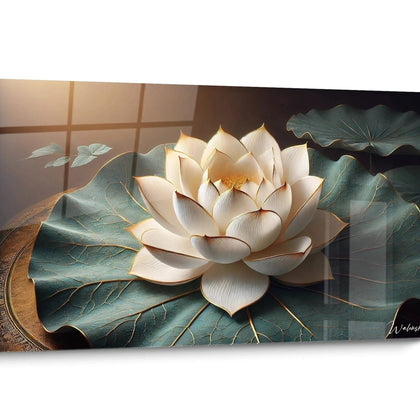
All about Minimalist Zen Mountain Wall Art
- Minimalist Zen Mountain Wall Art Presentation
- Spirituality and Meditative Atmosphere
- Visual Balance and Spatial Breathing
- Grounding and Daily Serenity
A minimalist zen mountain wall art transforms your space into a sanctuary of tranquility through the evocative power of refined peaks. This form of artistic expression combines the majesty of alpine reliefs with graphic sobriety that eliminates all visual distraction, creating a soothing focal point in your interior. The alliance of formal simplicity and ancestral mountain symbolism offers a contemplative dimension sought by those aspiring to rediscover their inner balance at the heart of their home.
The Refined Mountain as Visual Meditation Support
The minimalist zen mountain wall art constitutes an exceptional meditative support through its ability to focus attention without excessively engaging the mind. The simplified geometric forms of the peaks invite the gaze to follow an ascending contemplative path, mimicking the spiritual journey toward inner elevation. This symbolic verticality, reduced to its graphic essence, resonates with Eastern meditative practices where the mountain represents immutable stability against emotional turbulence.
How do refined lines facilitate mental grounding?
The absence of superfluous details in a minimalist zen mountain artwork allows the brain to rapidly enter a state of active rest, conducive to meditation. Monochromatic or two-tone expanses create zones of visual breathing where the eye can rest without constant stimulation. This graphic sobriety promotes alpha brain wave production, associated with deep relaxation and contemplative creativity.
The impact of monumental proportions on spatial consciousness
Installed in a primary living space, a minimalist zen mountain wall art of large format generates an architectural presence that transforms environmental perception. The immensity suggested by stylized peaks creates a fascinating spatial paradox: the work physically occupies the wall while mentally opening toward infinity. This tension between delimitation and expansion corresponds to biophilic design principles adapted to contemporary urban spaces, where connection with nature occurs through symbolic evocations rather than literal representations.
Daily contemplative rituals around your wall décor
Integrating a minimalist zen mountain artwork into your morning routine transforms simple observation into a centering practice. Dedicating three minutes to observing the ridge lines before starting your day establishes a state of mindful presence that extends several hours. This visual anchor functions as a mental return point during moments of distraction, offering a tangible reminder of your intentions for calm and clarity. Secular meditation practitioners particularly appreciate this functionality, transforming their wall décor into an integrated wellness device.
For those seeking other refined compositions promoting inner serenity, our collection of minimalist zen wall art offers various visual approaches to contemplative tranquility adapted to different environments.
Visual Architecture and Mass Balance in Space
The balanced asymmetrical composition of stylized reliefs
A panoramic format minimalist zen mountain artwork masterfully exploits the Japanese principle of ma, that intentional empty space structuring composition. Mountain silhouettes distributed according to the rule of thirds create subtle visual dynamics where each graphic mass finds its counterpart in adjacent void. This spatial choreography generates perceptual balance that calms the nervous system, unlike static symmetrical compositions that can induce unconscious tension.
Large formats particularly exploit this dialectic between graphic presence and spatial breathing, transforming the wall into a conceptual window toward soothing mental horizons. The absence of traditional framing reinforces this illusion of openness, dissolving the boundary between decorative surface and wall architecture.
Which chromatic schemes amplify the soothing effect?
Extended monochromatic palettes favor gray-blue or misty earth tones for a minimalist zen mountain artwork intended for rest spaces. These cooled tonalities slow down visual receptors associated with parasympathetic relaxation, creating an atmosphere conducive to cognitive slowing. Subtle tonal variations between different mountain planes suggest atmospheric depth without resorting to traditional perspective, thereby maintaining the decorative flatness essential to minimalist style.
Some creators introduce a touch of oxidized copper or pale gold to symbolize the raking light of dawn on the peaks, adding a contemplative temporal dimension to the work. This chromatic restraint radically distinguishes these creations from conventional landscape representations.
Architectural dialogue between monumental format and refined furnishings
Installing a large-scale minimalist zen mountain wall art imposes subtle reconfiguration of the surrounding spatial arrangement. Scandinavian or Japanese-style low furnishings amplify the visual elevation of peaks, creating dramatic verticality in standard-ceiling spaces. This decorative strategy generates an impression of increased volume, particularly valuable in urban apartments where spatial openness constitutes a rare luxury.
The extended horizontal lines of the panoramic format establish a soothing counterpoint to architectural verticals (doors, windows, shelving), restoring the directional balance essential to visual comfort. This orchestration of axes unconsciously structures the circulation of the gaze and positively influences the perception of environmental harmony.
Psychological Grounding and Daily Symbolic Resonance
The mountain as metaphor for permanence amid change
Integrating a minimalist zen mountain wall art into your daily environment powerfully activates the universal archetype of the immutable summit. This constant visual presence functions as a subliminal reminder of stability during periods of professional or personal transformation. Graphic stylization paradoxically reinforces this symbolic function: by eliminating contingent details (seasonal vegetation, variable weather conditions), the artist reveals the timeless essence of the relief, its fundamental geological structure impermeable to superficial fluctuations.
This grounding quality explains the growing popularity of these works in spaces of life transition - new homes, post-separation environments, therapeutic offices - where the need for stable visual landmarks is particularly felt.
Why favor stylized peaks over photorealistic panoramas?
Unlike hyperrealistic mountain photographs that position the viewer as external observer, a minimalist zen mountain artwork with refined forms invites projective identification. Graphic abstraction leaves room for personal interpretation: each viewer can invest these silhouettes with their own memorial or aspirational associations. This semantic flexibility prevents visual fatigue, the work renewing itself according to the observer's inner states rather than imposing a fixed message.
Minimalist compositions also avoid the pitfall of touristic picturesqueness, maintaining a contemplative dignity compatible with sophisticated interiors seeking authenticity rather than thematic decoration.
Intergenerational transmission of simplicity values
In family homes, a large-scale minimalist zen mountain wall art constitutes a silent educational support transmitting values of sobriety and appreciation of the essential. Children growing up with this visual presence naturally integrate an aesthetic of refined spareness, counterbalancing the visual overstimulation characteristic of contemporary digital environments. This subtle environmental influence shapes lasting aesthetic preferences without moralizing discourse.
Is a minimalist zen mountain wall art suitable for small spaces?
Absolutely, provided you favor a horizontal panoramic format that visually amplifies room width. In a studio or compact bedroom, this horizontality creates perceptual openness compensating for actual metric constraints. What matters is respecting the available wall proportions rather than arbitrary dimensional restrictions.
What is the optimal viewing distance for a minimalist zen mountain wall art?
For monumental formats, a distance equaling 1.5 times the artwork's diagonal allows embracing the overall composition while perceiving textural subtleties. This moderate proximity promotes contemplative immersion without requiring excessive retreat incompatible with standard domestic dimensions.
How to maintain the meditative presence of a minimalist zen mountain wall art?
Simple quarterly dusting suffices to preserve the graphic clarity essential to visual impact. The ideal location avoids direct sun exposure that could alter subtle chromatic nuances, favoring raking indirect lighting that accentuates the dimensionality of stylized reliefs and reinforces their architectural presence.


