


Minimalist Zen Tree Wall Art
The Minimalist Zen Tree Painting Collection sublimates the contemplative beauty of nature through purified compositions. Each creation captures the spiritual essence of trees in a restrained and soothing style. These zen tree artworks minimalists transform your space into a sanctuary of serenity, inviting meditation and rejuvenation. Perfect for creating a zen and natural atmosphere, these paintings combine contemporary aesthetics and oriental philosophy.
 Sakura Soul of Time Painting - zen edition228,90 €
 The Legacy of Souls Wall Art - Zen Tree of Life Edition273,90 €
 Meditative Journey Artwork - Various Zen Edition273,90 €
 Vertiginous Quietude Wall Art - Zen Edition273,90 €
 Minimalist Harmony Wall Art - Zen Edition273,90 €
Explore further
In Minimalist Zen Tree Wall Art
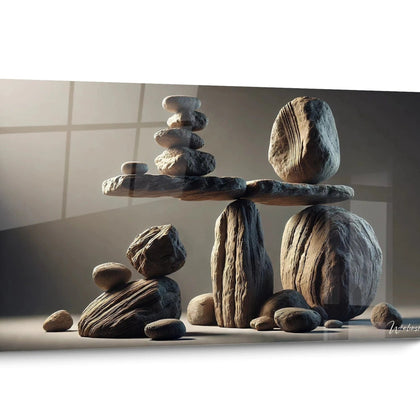
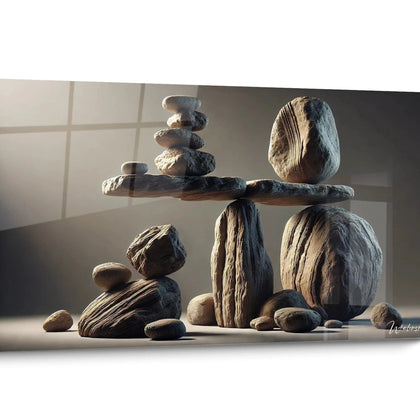
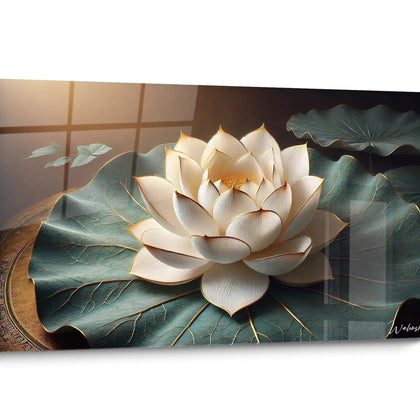
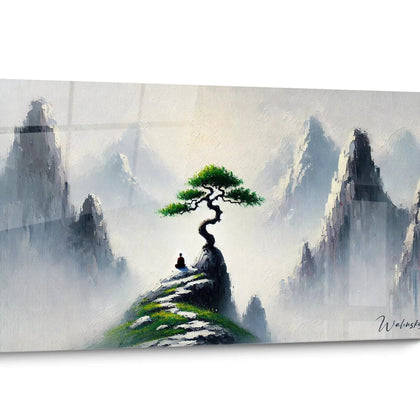
All about Minimalist Zen Tree Wall Art
- Presentation Artwork Minimalist Zen Tree
- Symbolism and Atmosphere
- Spatial Integration
- Styles and Variations
The minimalist zen tree artwork embodies the perfect balance between Eastern spirituality and contemporary purification. This stylized plant representation transforms your living spaces into true sanctuaries of serenity, where each line evokes contemplative growth and meditative grounding. Unlike floral or abstract compositions, theminimalist tree captures the essence of life in its purest form, offering a soothing focal point that visually structures your environment without cluttering it. The large dimensions of these wall creations amplify their meditative impact, creating a contemplative window into simplified nature that harmoniously dialogues with modern architectures and interior breathing spaces.
TheZen Tree : Meditative Symbolism and Contemplative Presence
The minimalist zen tree artwork embodies the Eastern philosophy of wabi-sabi applied to plant representation. Each stylized branch becomes a meditative trace that invites the eye to follow a contemplative path, naturally slowing the mental rhythm of observers. This symbolism of rooting and spiritual elevation is particularly well-suited for spaces dedicated to yoga, meditation rooms, or bedrooms designed as personal retreats.
How does a minimalist tree promote meditative concentration?
The purified tree structure acts as a vertical mandala, offering a visual support for mindfulness practices. The simplified branches naturally guide the eye in an upward movement that mimics deep breathing, creating an unconscious synchronization between visual contemplation and physiological soothing. Monumental formats amplify this immersive effect, transforming the wall into a contemplative portal to a state of inner calm. The absence of superfluous details characteristic of minimalist zen artworks reinforces this meditative function by eliminating any visual distraction.
Color therapy and soothing palettes for tree representations
The tones chosen for a minimalist zen tree artwork determine its energetic influence. Shades of grey and black evoke Japanese sumi-e calligraphy, establishing an atmosphere of monastic sobriety. Desaturated greens recall appeased chlorophyll after the rain, generating a subconscious connection with regenerative nature. Monochrome beige or sepia compositions create a timelessness that transcends decorative trends, guaranteeing lasting aesthetic relevance in contemporary interiors.
Which spaces benefit most from a minimalist tree presence?
Therapy rooms and integrative care spaces strategically use these representations to establish a climate of soothing trust. Personal libraries and reading corners benefit from this silent plant presence that accompanies without disturbing moments of intellectual concentration. In master bedrooms, the minimalist tree advantageously replaces agitated patterns, creating a gentle visual transition to nighttime rest. Residential entrances welcome these compositions as symbols ofrooted welcome and stable home.
Strategic Positioning and Architectural Dialogue
The integration of a minimalist zen tree artwork requires an understanding of spatial energy flows inspired by modern feng shui. Unlike geometric or abstract compositions, the organic verticality of the tree interacts differently with the surrounding architecture, creating visual axes that modify the volumetric perception of rooms.
Maximizing meditative impact in restricted vertical spaces
Narrow hallways and stairwells become contemplative galleries when a monumental, stylized tree accompanies the vertical progression of users. This arrangement creates a meditative walking experience where each passage becomes a soothing ritual rather than simple functional transit. The elongated formats accentuate ceiling height while softening the feeling of confinement typical of linear spaces. The repetition of ascending branches naturally guides the eye upwards, generating a sense of spatial expansion.
How to balance an angular architecture with a vegetal presence?
Contemporary interiors with clean lines and pronounced angles find their organic counterpart in the branched silhouette of a minimalist tree. This juxtaposition creates a productive visual tension that humanizes geometric spaces without compromising their modernity. Positioning in front of bay windows establishes a dialogue between the indoor stylized tree and the real outdoor vegetation, poetically blurring the boundaries between inside and outside. Generous dimensions allow this composition to stand up to imposing architectural volumes without being dominated.
Transition zones and intermediate spaces
Landing floors and distribution spaces particularly benefit from a tree presence that transforms these neutral zones into moments of contemplative breathing. The minimalist zen tree painting functions as spatial punctuation, visually marking the passages between different functional spaces. In lofts and open spaces, this vertical representation helps to define zones without physical partitions, creating a gentle perceptual separation between living area and resting space. Home offices use this strategy to psychologically delineate the professional territory from the rest of the habitat.
Stylistic Variations and Graphic Approaches to the Zen Tree
The universe of the minimalist zen tree painting declines in multiple graphic interpretations, each carrying a distinct visual philosophy. These variations allow for fine personalization according to individual aesthetic sensibilities while maintaining the contemplative essence of the tree representation.
What style of minimalist tree corresponds to a Scandinavian aesthetic?
Linear compositions with filamentous branches and generous negative spaces naturally dialogue with Nordic hygge design. These representations prioritize clean lines where each branch is reduced to its minimal graphic expression, evoking the stylized birches of Scandinavian winter landscapes. The monochrome black and white palette reinforces this aesthetic kinship, creating a visual continuity with the clear interiors with contrasting accents characteristic of contemporary Scandinavian style.
Calligraphic Approaches and Influence of Japanese Sumi-e
Some minimalist zen tree paintings adopt the spontaneous gesture of Japanese ink calligraphy, where each branch is born from a unique and irreversible energetic movement. This approach captures the vital essence of the tree rather than its precise botanical form, transmitting a meditative energy through the controlled dynamism of the line. Variations in intensity and thickness in the branches evoke the breathing of the creative gesture, introducing a temporal dimension into the static composition. Large formats amplify this gestural presence, allowing full appreciation of the quality of the line and its expressive nuances.
Geometric Silhouettes and Plant Abstraction
Another variation reduces the tree to a geometric structure of triangles, circles, and orthogonal lines, creating a fascinating tension between organic recognition and formal abstraction. These interpretations are particularly suitable for contemporary architectural interiors where geometry dominates. The brain performs a mental reconstruction to identify the tree in the abstract composition, actively engaging the viewer in a contemplative cognitive process.
Does a minimalist zen tree painting suit an industrial interior?
Absolutely. The graphic sobriety of the stylized tree harmoniously contrasts with the raw textures of concrete, exposed brick, and metal structures. This juxtaposition visually softens the industrial austerity without compromising its assertive character, introducing an organic touch that humanizes the space.
What dimension should be prioritized for maximum meditative effect?
Monumental formats create a superior contemplative immersion by significantly occupying the visual field. A minimum height of 100 centimeters allows the tree structure to assert itself as a meditative presence rather than a simple decorative accent, truly transforming the atmosphere of the room.
How to combine multiple minimalist zen tree paintings in the same space?
Creating a stylized forest by aligning several minimalist trees requires subtle variation in compositions to avoid monotonous repetition. Prioritize offset heights and different branch densities while maintaining chromatic and stylistic consistency to create a harmonious ensemble.
Further reading


