

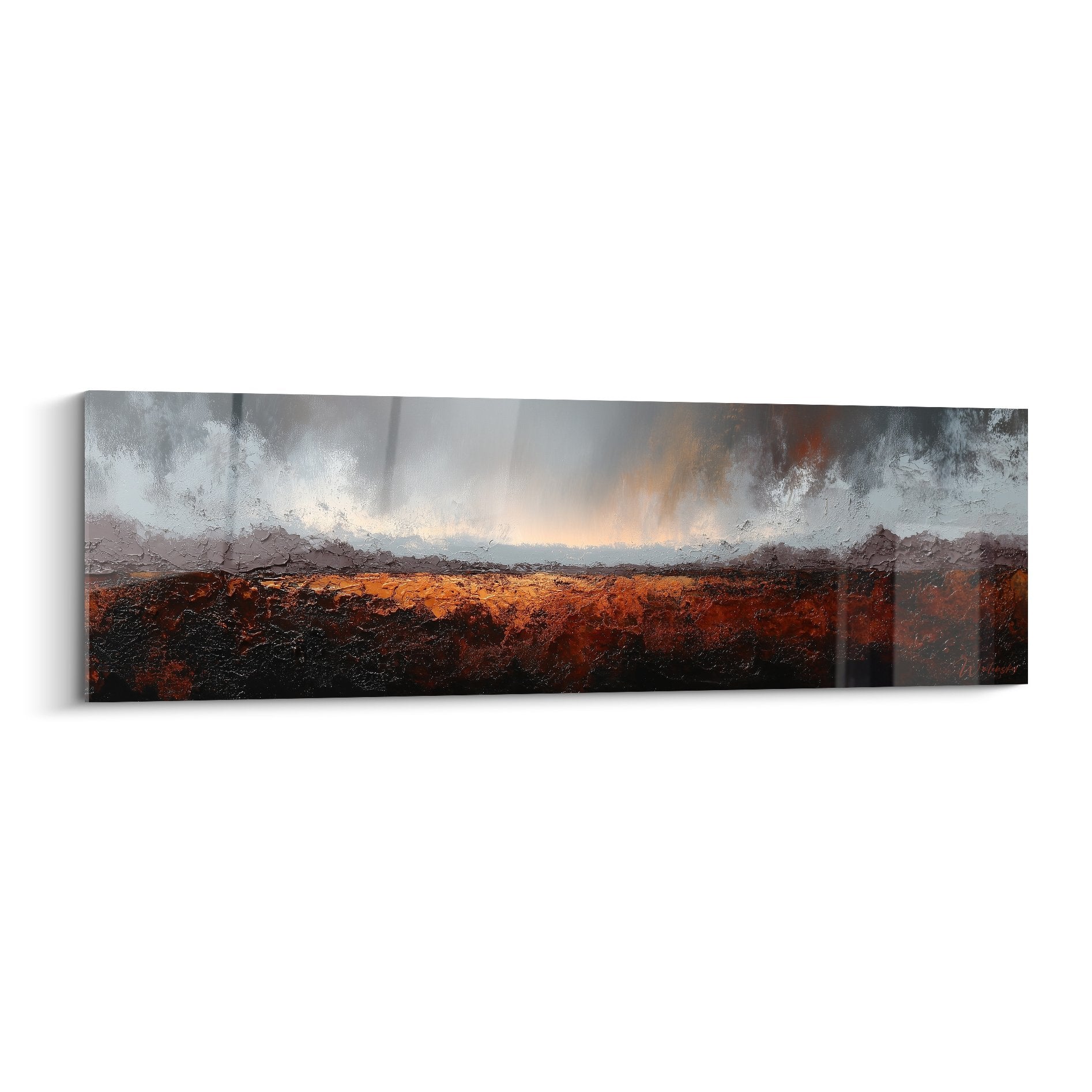







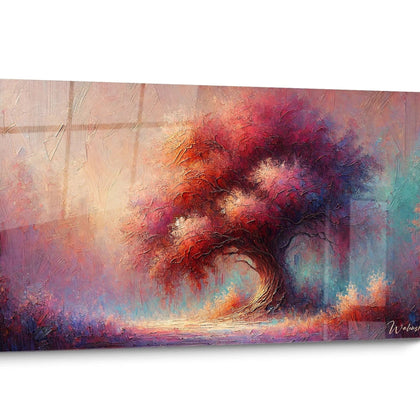
Minimalist Zen Tree of Life Wall Art
The Zen Tree of Life Minimalist painting embodies the perfect balance between spirituality and refined design. This soothing artwork transforms your space into a haven of peace thanks to its pure lines and universal symbolism. Ideal for creating a zen minimalist decor, this painting evokes growth, rooting and inner harmony. Perfect for a living room, bedroom or meditation space, it integrates elegantly into all contemporary interiors. Discover our refined tree of life collection and be inspired by this timeless artistic expression.
 Ancient Tree Wall Art - Life Tree Zen Edition273,90 €
 Eternal Roots Wall Art - Zen Tree of Life Edition273,90 €
 The Legacy of Souls Wall Art - Zen Tree of Life Edition273,90 €
 The Spirit of Nature Wall Art - Zen Tree of Life Edition273,90 €
Explore further
In Minimalist Zen Tree of Life Wall Art
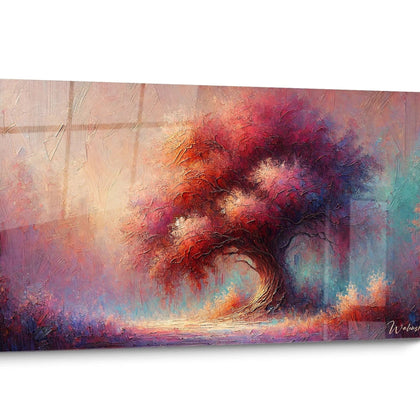
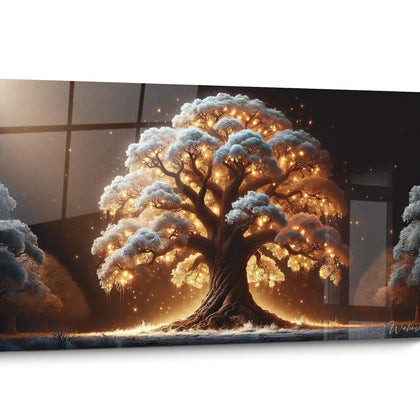
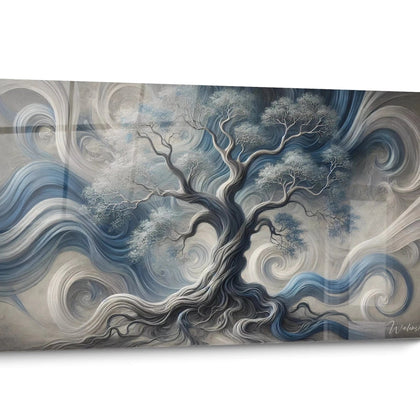
All about Minimalist Zen Tree of Life Wall Art
- Zen Tree of Life Minimalist Wall Art Presentation
- Refined Aesthetics
- Visual Balance
- Meditation & Serenity
The minimalist zen tree of life wall art embodies a decorative philosophy where every line matters, where every branch represents the very essence of visual calm. This contemporary mural artwork transcends simple decoration to become a meditative anchor point in your living space. Designed according to refined Japanese design principles, this large-format wall art radically transforms a room's atmosphere by infusing it with a silent, contemplative presence. The stylized tree of life in minimalist form engages with negative space to create the essential visual breathing room for modern interiors saturated with stimuli. This stripped-down approach fosters mental focus and invites daily letting go, making each glance at this artwork a regenerative micro-pause amid contemporary life's tumult.
The Art of Emptiness and Essential Line in Tree Symbolism
The minimalist zen tree of life wall art reinvents the ancestral representation of the cosmic tree by eliminating all superfluous decoration. This radical purification is not merely a graphic reduction, but a spiritual distillation where every preserved ramification carries symbolic intentionality. The organic lines of trunk and branches follow a mathematical relationship with the surrounding virgin space, creating a balanced composition according to the golden ratio naturally present in plant growth.
Why does negative space amplify contemplative power?
The strategic use of emptiness around the central motif transforms the wall into a breathing surface. Unlike saturated compositions, this minimalist zen tree wall art exploits the Japanese concept of Ma, the significant interval, to allow the eye to rest and the mind to wander freely. This visual negativity represents not an absence but a subtle presence that dialogues with the arborescent structure, creating a full-empty dynamic essential to visual meditative practices.
Monochromy as a vector for introspection
The choice of a restricted palette, often reduced to shades of black, white and gray, or sometimes discrete earth tones, eliminates chromatic distractions. This color restraint promotes prolonged contemplative absorption without visual fatigue. Subtle gradations in tonal value create paradoxical depth within extreme simplicity, guiding the eye along the stripped branches according to a predefined yet unimposed visual path.
Organic geometry versus decorative rigidity
The minimalist tree of life navigates between geometric abstraction and recognizable natural reference. This creative tension generates symbolic universality that transcends cultural specificity. Soft curves and asymmetrical ramifications preserve organic authenticity while fitting within clean geometric formats, enabling harmonious integration into contemporary architectures with refined lines. Our zen tree of life wall art in large format fully exploits this duality to create a calming focal point without aggressive visual dominance.
Spatial Energy Harmonization Through Refined Botanical Symbolism
The minimalist zen tree of life wall art functions as an energy regulator in domestic or professional environments. Its mural presence creates a vertical axis symbolically anchoring the space, metaphorically connecting terrestrial foundations to the celestial ceiling according to the universal cosmology of the world tree. This soothing verticality counterbalances the often-dominant horizontality of modern furniture and architecture, establishing a directional completeness beneficial to occupants' psychological balance.
How does this wall art influence concentrated work spaces?
In home offices and professional spaces dedicated to reflection, this minimalist sacred tree wall art establishes a stable visual reference point. Research on sustained attention demonstrates that stylized natural elements reduce cognitive fatigue without creating active distraction. The simplified ramifications offer unconscious support for arborescent thinking and mental organization of complex ideas, while graphic purification prevents sensory overload detrimental to intellectual productivity.
Integration into domestic wellness sanctuaries
Spaces dedicated to yoga, meditation or simply daily decompression particularly benefit from this stripped-down iconography. The large format creates gentle immersion without visual aggression, allowing practitioners to focus or defocus their attention according to their practice's needs. The stylized tree becomes a contemporary yantra, a geometric meditative support adapted to modern Western sensibilities while preserving the contemplative efficacy of Eastern traditions.
Dialogue with surrounding natural materials
The minimalist aesthetic of the wall art particularly resonates with organic textures present in contemporary furnishings. Raw wood, unbleached linen, natural stone and artisan ceramics find visual echoes in the refined lines of the represented tree. This material consonance reinforces the overall sensory coherence of the space, creating a unified environmental experience favorable to psychophysical well-being. Large dimensions allow this visual conversation to fully unfold, establishing the wall art as an architectural element in its own right rather than a mere decorative accessory.
Symbolic Anchoring and Daily Ritual
Beyond its aesthetic function, the minimalist zen tree of life wall art establishes constant symbolic presence that subtly ritualizes daily routines. Each passing before this stripped arborescent representation can become a micro-ritual of recentering, a visual reminder of the values of simultaneous rootedness and elevation that the tree of life universally symbolizes. This functional dimension transforms the mural artwork into a practical emotional regulation tool naturally integrated into domestic architecture.
Wall art as a contemplative temporal marker
Natural light variations throughout the day subtly modify perception of the minimalist wall art, creating dynamic experience within formal constancy. Dawn casts elongated shadows that temporarily complexify graphic simplicity, while zenith heightens tonal contrasts. This cyclical metamorphosis establishes meditative connection with natural rhythms often obscured by contemporary urban lifestyles, without resorting to technological or mechanical artifices.
Why choose monumental format for this botanical archetype?
The generous dimensions of this large-format zen wall art create an immersive presence impossible to ignore, transforming the stylized tree of life into a daily visual companion rather than peripheral decorative detail. This relative monumentality at domestic scale confers upon the work a quasi-architectural status that substantially modifies room volume perception. The tree then becomes spatial metaphor for vertical growth, attracting the eye upward and generating beneficial psychological elevation impression in standard-ceiling spaces.
Minimalism and emotional maximalism
The fundamental paradox of this work lies in its capacity to generate profound emotional impact despite extreme visual economy. Every preserved ramification, every curve of the arborescent structure has been distilled to carry maximum symbolic and emotional charge. This semantic concentration transforms apparent simplicity into contemplative richness, offering successive reading strata according to the observer's mindset and time spent observing.
Where should you ideally place a minimalist zen tree of life wall art in your interior?
Prioritize a clear wall benefiting from indirect natural lighting, ideally facing your rest or creative work space. The artwork must breathe visually with at least 30 cm free space on sides for the minimalist effect to fully operate. East-facing rooms beautifully capture soft morning light that reveals subtle nuances.
How does a minimalist tree of life wall art concretely influence a room's ambiance?
This type of artwork acts as a visual regulator by creating a calming focal point that naturally slows heart rate and facilitates deep breathing. Its constant yet unobtrusive presence establishes lasting calm atmosphere that persists even when conscious attention shifts, unlike stimulating decorative elements that generate temporary excitement followed by indifference.
Can you combine a minimalist zen tree of life wall art with other decorative elements?
Absolutely, provided you respect the principle of visual parsimony. Pair it with simple sculptural objects, plants with graphic foliage or textiles in solid natural fibers. Avoid multiplying competing focal points: the wall art must remain the primary visual anchor of its wall, other elements functioning as discrete accompaniment rather than decorative competition.
Further reading


