


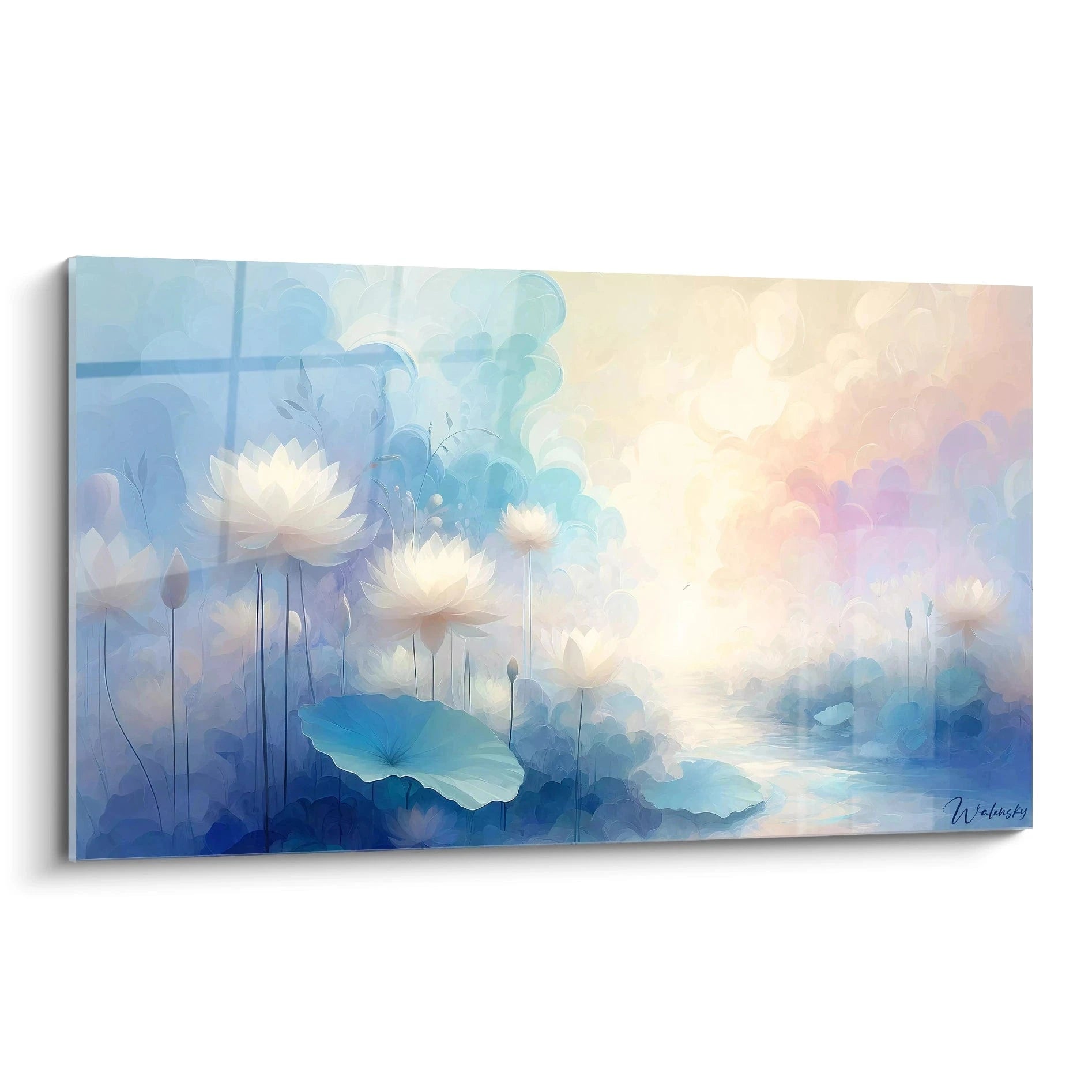
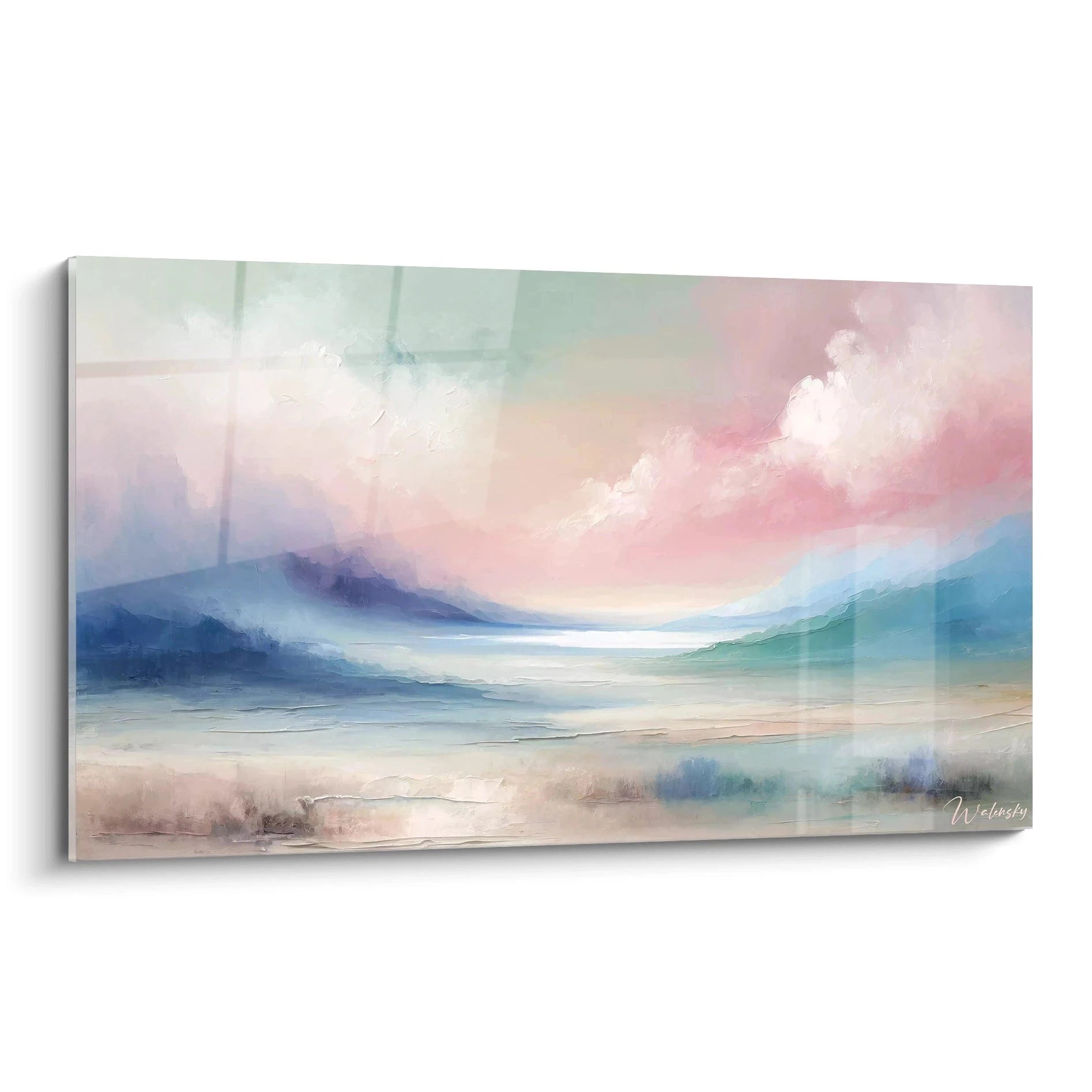


Minimalist Nature Wall Art
Minimalist Nature Wall Art: explore an artistic collection where essence is expressed with elegance. Each creation captures the raw beauty of natural landscapes through a refined and contemporary aesthetic. Our selection of minimalist nature wall art elevates organic elements with sober and harmonious compositions. Perfect for creating a zen and soothing atmosphere, this minimalist nature-inspired wall décor collection transforms your spaces into havens of serenity.
 Rocky Survivor Artwork - Nature Edition228,90 €
 Petrified Wave Painting - Nature Edition228,90 €
 Weeping Willow Painting No. 1 - Nature Edition273,90 €
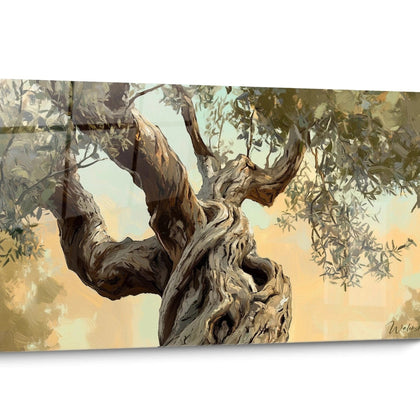
 Olive Painting No.3 - Nature Edition273,90 €
 Magnolia Wall Art No.1 - Nature Edition273,90 €
 Ginkgo Leaf Wall Art No. 3 - Nature Edition273,90 €
 Ginkgo Leaf Wall Art No.2 - Nature Edition273,90 €
 Ginkgo Leaf Wall Art No.1 - Nature Edition273,90 €
 Eucalyptus Wall Art No. 1 - Nature Edition273,90 €
 Arum Wall Art N°4 - Nature Edition273,90 €
 Arum Wall Art No. 3 - Nature Edition273,90 €
 Arum Painting N°2 - Nature Edition273,90 €
 Arum Painting N°1 - Nature Edition273,90 €


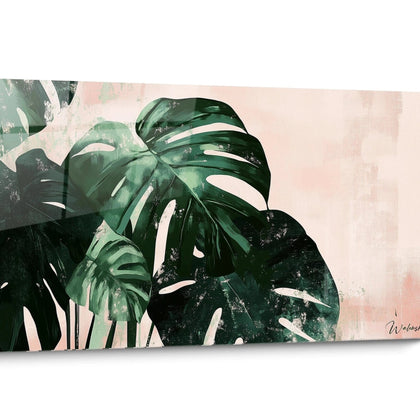

All about Minimalist Nature Wall Art
- Minimalist Nature Wall Art Presentation
- Purity and Contemplation
- Transition Spaces
- Visual Serenity
Discover our selection of minimalist nature wall art designed to transform your spaces into true havens of tranquility. These wall creations combine the organic beauty of the natural world with a pared-down visual approach, offering contemporary aesthetics that soothe the mind and structure the space. Each composition prioritizes the essential, eliminating the superfluous to retain only the quintessence of natural forms.
The Visual Essence of Minimalist Natural Compositions
The minimalist nature wall art distinguishes itself through its ability to capture the very essence of a natural element through radical simplification. Unlike detailed botanical representations, these creations eliminate all secondary information to retain only a silhouette, a texture, or a fundamental contrast. This approach creates a visual meditation particularly suited to demanding professional environments or urban habitats where mental calm becomes a rare luxury.
Why choose a minimalist aesthetic for your current living spaces?
In a world saturated with visual stimuli, the minimalist approach applied to natural representations offers a necessary counterpoint. Large wall surfaces adorned with these pared-down compositions create zones of cognitive decompression where the eye can rest without being solicited by complex details. Coworking spaces, medical offices, or contemporary residences now favor these generous formats that architecturally structure a room while preserving a sense of openness.
Chromatic reduction in service of visual impact
Color economy is a fundamental pillar of this aesthetic. Compositions are generally limited to two or three tones maximum, creating monochromatic harmonies or binary contrasts that amplify wall presence without creating visual saturation. Shades of gray, beige palettes, or black-and-white combinations allow fluid integration into environments with already-established color palettes, avoiding decorative conflicts while asserting a marked visual identity.
Monumental scale as a spatial transformation tool
The generous formats of minimalist nature wall art exploit the vertical and horizontal architecture of contemporary walls. A large-scale composition creates an immediate focal point that redefines the perceived proportions of a room. In spaces with high ceilings, a vertical work emphasizes elevation and majesty, while a horizontal panoramic format visually widens narrow walls. This monumentality also allows for effectively filling large wall areas above modular sofas or operational desks without resorting to an accumulation of decorative elements.
Natural textures reduced to their minimal expression
Rather than faithfully reproducing every detail of bark, stone, or vegetation formation, these creations extract the tactile signature of a natural material. A rough surface becomes a grain texture, a rocky striaton transforms into a graphic line, a foliage pattern reduces to geometric repetition. This visual translation maintains an emotional connection with nature while respecting the aesthetic codes of contemporary architectures that value formal clarity. For those also seeking more experimental approaches to nature, our abstract nature wall art collection offers less literal interpretations that dialogue harmoniously with these pared-down compositions.
Composing Transition Environments with Minimalist Naturalism
Which spaces particularly benefit from minimalist natural compositions?
Passage areas such as extended hallways, entrance halls, or stairway landings find in the minimalist nature wall art a decorative solution that guides movement without cluttering it visually. These often-neglected spaces become contemplative galleries when a large-scale composition is installed there. The purity of the composition avoids the claustrophobic effect that charged visuals might create in these restricted zones, while bringing sophistication that extends the aesthetic identity of main rooms.
Integration with raw architectural materials
Contemporary environments frequently expose raw materials like polished concrete, brushed steel, or exposed brick. Minimalist naturalism establishes a balanced dialogue with these industrial surfaces, introducing an organic dimension without creating stylistic rupture. The formal simplicity of a single vegetative silhouette or a desert panorama reduced to a few horizon lines completes architectural sobriety rather than competing with it. This complementarity allows for humanizing potentially cold spaces without resorting to excessive decorative softening.
Visual rhythms in multifunctional open spaces
In lofts or studios where multiple functions coexist without physical separations, a large-format minimalist composition functions as a spatial marker that subtly delineates zones. Positioned in the rest area, it signals the transition between work space and relaxation zone without erecting a barrier. The visual restraint of the work preserves spatial fluidity while creating a visual anchor that structures the perception of overall space.
How does minimalist naturalism amplify natural light?
Pared-down compositions with clear palettes function as light reflectors that amplify available natural light. In north-facing rooms or under-exposed spaces, a large format in ivory, sand, or pearl gray tones captures and diffuses light rays, creating an impression of increased clarity. This quasi-architectural function transforms an environmental weakness into a decorative asset, while maintaining aesthetic coherence with the overall minimalist intention. Compositions with marked contrasts create plays of shadow and light that evolve throughout the day, quietly animating the space.
Cultivating Mental Serenity Through Pared-Down Natural Imagery
The environmental psychology of minimalist visuals
Research in environmental neuroscience demonstrates that simplified visual compositions reduce cognitive load and favor concentration. A large-scale minimalist nature wall art creates a point of focus that allows the visual system to rest, unlike environments saturated with visual information. In home offices or study spaces, this quality becomes a major functional asset, enabling prolonged work sessions without excessive visual fatigue.
Horizontal representations for spaces of deep relaxation
Panoramic formats presenting open horizons, pared-down aquatic expanses, or minimalist desert landscapes induce a sensation of spatial expansion particularly beneficial in bedrooms or meditation rooms. The linearity of these compositions guides the eye in an soothing lateral movement, reproducing the natural visual sweep of vast open spaces. This visual dynamic contrasts with daily urban verticality and facilitates the mental disconnection necessary for recovery.
Which natural elements work best with a minimalist approach?
Certain natural subjects lend themselves particularly well to minimalist simplification. Rocky formations with marked geometries, aquatic expanses with unified surfaces, isolated branches with graphic structures, or pared-down cloud formations offer naturally minimalist compositions. These subjects avoid the dense organic complexity of lush forests or flowering gardens, preserving visual clarity while maintaining an authentic connection with the natural world. The choice of subject determines the final atmosphere: contemplative with calm water surface, dynamic with an oblique branch, or stable with rocky stacking.
The perceptual evolution of minimalist compositions over time
Unlike complex visuals that progressively reveal their details, minimalist compositions offer a contemplative depth that unfolds differently. The absence of distracting details allows for prolonged observation where subtle nuances, delicate tonal variations, and compositional balances become progressively apparent. This meditative quality transforms the work into a daily visual companion that supports without tiring, avoiding the saturation effect that more charged visuals can produce after several months of exposure.
Does minimalist nature wall art work in classical interiors?
Absolutely, the formal and chromatic neutrality of minimalist naturalism creates unexpected aesthetic bridges with traditional interiors. In a classical environment with elaborate moldings and ornate furnishings, a large-scale pared-down composition introduces contemporary visual breathing that lightens the whole without creating stylistic conflict. The timeless elegance of formal simplification transcends rigid style categories.
How to maintain visual balance with monumental minimalist formats?
Large dimensions require thoughtful installation that respects architectural proportions. The work should occupy approximately 60 to 75% of the width of the main piece of furniture it surmounts, creating visual anchoring without overflow. On empty walls, leaving breathing space of at least 20 centimeters on each side preserves the openness effect characteristic of minimalism. Installation height follows the principle of the wall's medial third for harmonious integration.
Do minimalist natural compositions work in reduced spaces?
Paradoxically, generous formats with pared-down compositions visually enlarge small spaces. Minimalist nature wall art occupies the wall without fragmenting it, creating visual continuity that eliminates the perception of confinement. Clear palettes amplify this effect by reflecting available light, while formal simplicity avoids the visual clutter that perceptually shrinks volumes. This approach transforms a spatial constraint into a distinctive decorative opportunity.


