


Minimalist Zen Lotus Wall Art
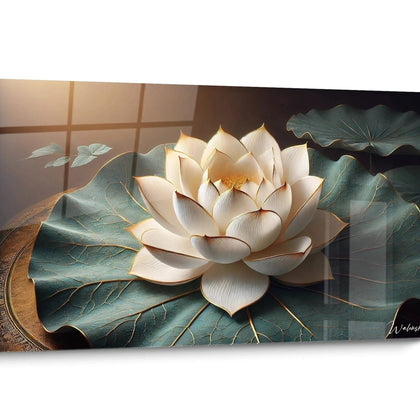
The Minimalist Zen Artwork Lotus embodies the perfect harmony between spirituality and refined design. This collection celebrates the purity of the lotus, a universal symbol of rebirth and spiritual awakening in Zen philosophy. Each creation combines minimalist zen decor and contemporary aesthetics to transform your interior into a sanctuary of peace. The streamlined compositions capture the essence of meditation and the symbol spiritual lotus, offering a serene and contemplative atmosphere to your living spaces.
 Lotus Painting Pure Grace - lotus flower edition228,90 €
 Lotus Flower Eternal Grace Painting - Lotus Flower Edition273,90 €
 Sacred Purity Wall Art - Zen Lotus Flower Edition273,90 €
Explore further
In Minimalist Zen Lotus Wall Art
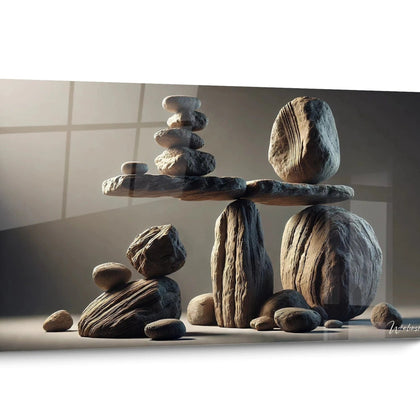
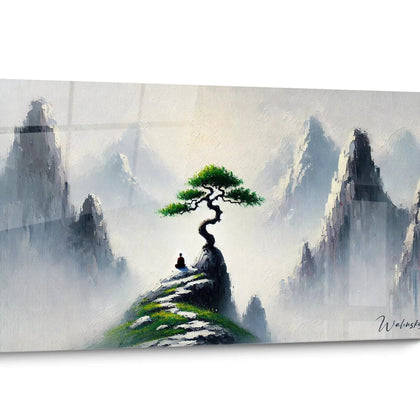
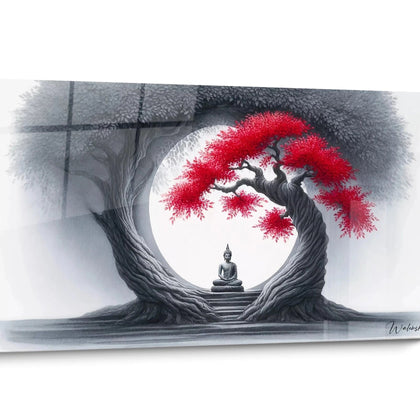
All about Minimalist Zen Lotus Wall Art
- Presentation Minimalist Lotus Wall Art
- Symbolism and Spirituality
- Meditation Room Design
- Zen Arrangement
The minimalist lotus wall art embodies the quintessence of oriental serenity in your interior. This refined representation of the sacred flower transforms your spaces into true sanctuaries of tranquility, where each minimalist line evokes spiritual rebirth and the awakening of consciousness. Designed in a large format, this contemplative visual immediately brings a meditative dimension to your daily environment, creating a soothing focal point that naturally captures the eye and promotes introspection. The combination of graphic minimalism and Buddhist symbolism offers a sophisticated wall decoration, perfectly suited to mindfulness practices and contemporary interiors seeking authenticity and spiritual depth.
The Symbolic Power of the Lotus in Meditative Decoration
The minimalist lotus wall art conveys a particularly powerful millennial symbolism in Buddhist and Hindu philosophy. This aquatic flower that blooms above troubled waters represents spiritual elevation, the purity of the soul despite the turbulence of the material world. By choosing this representation for your living space, you create a constant visual reminder of your inner journey, a symbolic anchor that resonates with the principles of personal transformation.
How does the minimalist lotus promote spiritual awakening on a daily basis?
The graphic purification of the lotus in a minimalist style amplifies its meditative dimension. Unlike overloaded representations, this stripped-down approach allows the mind to focus on the essential: the pure form of the flower, its petals delicately suggested, the refined line that evokes the upward movement of awakening. This visual sobriety naturally promotes mental calmness, creating an environment conducive to silent contemplation and zazen practice.
The different representations of the lotus and their profound meaning
In the universe of minimalist zen decoration, the lotus can be represented at different stages of its flowering. The closed bud symbolizes unrealized potential, the promise of awakening to come. The semi-open flower evokes the ongoing spiritual journey, while the fully open lotus represents attained enlightenment. Each minimalist variation conveys a distinct energy, allowing you to choose the one that resonates with your own meditative path.
The colors used in these refined representations also carry a specific meaning. The white lotus embodies absolute purity and spiritual perfection, the pink lotus evokes devotion and traditional Buddhist practice, while the golden lotus suggests the complete enlightenment of the Buddha. In a minimalist interpretation, these nuances are often suggested by black lines on a neutral background, creating a visual meditation on form rather than color.
Creating a meditative altar centered on the symbolism of the lotus
The minimalist lotus wall art naturally becomes the focal point of a personal sacred space. By positioning this visual above a refined console, you establish a contemporary altar where you can place your ritual objects: Tibetan singing bowls, natural incense, meditation crystals. This configuration transforms a simple wall into a true inner sanctuary, a place dedicated to your daily spiritual practices. The large size of the visual creates a majestic presence that instantly elevates the energetic quality of your space for contemplation.
Optimize Your Yoga Studio and Meditation Room
Integrating a minimalist zen lotus painting into a space dedicated to contemplative practices transcends simple decoration, becoming a tool for transforming the atmosphere. In a yoga studio, this clean visual immediately establishes the room's intention, creating a vibration that prepares practitioners mentally even before they unroll their mats. The minimalist lotus's graphic simplicity eliminates any visual distractions, allowing yogis to maintain their inner focus during asanas and pranayama sequences.
What wall position maximizes the meditative impact of the lotus?
The strategic positioning of your painting determines its effectiveness as a meditation support. In a dedicated room, place it on the wall facing your meditation cushion or zafu, at eye level when seated in a lotus position. This configuration allows for natural visual fixation during concentration practices (shamatha), where the gaze gently rests on the visual without effort. For a group yoga studio, prioritize the wall located behind the instructor, creating a unified focal point for all participants during forward-facing postures.
Harmonizing the meditative acoustics with the lotus visual
The sound environment of your practice space directly dialogues with the visual serenity of the minimalist lotus. Large formats naturally create a slight acoustic absorption that softens resonances, but you can amplify this quality by combining the painting with intentional sound elements: koshi chimes with pure harmonics, an indoor fountain whose trickle evokes the aquatic element of the lotus, or the diffusion of recorded Tibetan bowls. This audiovisual synergy significantly deepens the meditative immersion.
Buddhist tradition teaches that the external environment directly influences the inner state. A meditation space centered on the minimalist lotus symbol becomes an energetic container naturally favoring letting go and expanding consciousness. Regular practitioners report entering deep meditative states more quickly when their visual space is organized around symbols as powerful as that of this sacred flower.
Adapting the lighting to sublimate the contemplative dimension
The interaction between light and minimalism determines the meditative atmosphere of your personal sanctuary. Prioritize indirect and adjustable lighting that bathes the lotus painting in a soft glow, avoiding direct sources that create disturbing reflections. Himalayan lamps with pink salt diffuse a particularly harmonious warm luminosity with zen themes, while strategically placed candles amplify the ritual dimension of your practice. During nighttime meditation sessions, subdued lighting transforms the minimalist lotus into a soothing presence that gently guides your inner attention.
Creating a Zen Atmosphere in Contemporary Living Spaces
Integrating a minimalist zen lotus painting into your bedroom transforms this intimate space into a true haven of peace, promoting restorative sleep. Unlike stimulating visuals, the minimalist lotus's graphic simplicity naturally induces a slowing of the mental rhythm, preparing the nervous system for nighttime relaxation. Positioned facing the bed, this symbol of serenity becomes the last image contemplated before falling asleep and the first upon waking, establishing a psychological framework conducive to deep rest and lucid dreams.
Why does the minimalist lotus perfectly suit resting spaces?
Modern neuropsychology confirms what contemplative traditions have taught for millennia: our visual environment directly influences the quality of our rest. The lotus represented in a clean style activates the brain areas associated with parasympathetic relaxation, naturally reducing cortisol levels. This aquatic flower subconsciously evokes fluidity, peaceful adaptation to natural cycles, qualities essential for truly regenerative sleep. Large formats amplify this effect by creating an enveloping presence that subtly secures the nighttime space.
Pair the minimalist lotus with authentic natural materials
Zen aesthetics are based on the harmony between natural elements and formal simplicity. Around your lotus painting, prioritize washed linen textiles in neutral tones, furniture made of raw wood with clean lines, and handcrafted ceramic accessories. This material consistency creates a sensory continuity that amplifies the soothing effect of the central visual. Indoor plants with architectural foliage such as monstera or ficus lyrata establish an organic dialogue with the represented flower, recalling the lotus's connection with its natural aquatic environment.
In a contemporary living room, the minimalist zen lotus painting brings a contemplative dimension to a space traditionally dedicated to social interactions. This meditative presence subtly elevates the energetic quality of conversations, encouraging more authentic and less superficial exchanges. Visitors instinctively feel the invitation to conscious presence that this millennial symbol exudes, transforming your reception space into a place conducive to meaningful connections.
Integrate the lotus into a library or reading space
Contemplative reading and philosophical study find their ideal setting in an environment adorned with the minimalist lotus. This symbol of intellectual and spiritual awakening creates an atmosphere conducive to the deep absorption of sacred texts, oriental philosophy or self-development books. Positioned above a reading chair, the visual becomes a silent companion to your literary explorations, a visual reminder to maintain an awakened consciousness during intellectual activity. This configuration is particularly appreciated in spaces dedicated to meditative journaling or zen calligraphy practices.
Is a minimalist zen lotus painting suitable for professional spaces?
Absolutely. In a therapy practice, wellness center, or personal office, the minimalist zen lotus painting immediately establishes an atmosphere of trust and serenity. Professionals in the caregiving professions (psychologists, coaches, practitioners of gentle medicine) find that this universal symbol of transformation reassures their clients and creates an environment conducive to emotional openness. The large format affirms a professional positioning while retaining the softness necessary for care spaces.
How to maintain the meditative dimension of the lotus over time?
The continued presence of a meditative symbol paradoxically risks becoming invisible through habituation. Regularly renew your conscious connection to the painting by practicing short meditations facing the lotus, by slightly changing its seasonal position, or by alternating the ambient lighting. Some practitioners accompany their visual with specific incense according to the lunar phases, creating multiple sensory associations that maintain the freshness of contemplation.
Can several zen symbols be combined with the minimalist lotus?
The wisdom of minimalism recommends restraint: one powerful symbol is generally sufficient to establish the energy of a space. However, the lotus naturally harmonizes with other discreet zen elements: a small enso (zen circle), a Sanskrit mantra calligraphy, or stacked pebbles. The essential thing is to preserve the visual clarity that characterizes the minimalist aesthetic, each element having its own spatial breathing to maintain its contemplative impact.
Further reading
Our articles on this topic
- The Influence of Zen on Minimalist Abstract Paintings
- How to Choose a Zen Artwork That Complements Scandinavian Furniture?
- Why Do Contemporary Zen Paintings Preserve Traditional Techniques?
- How to Harmonize Multiple Zen Wall Art Pieces in the Same Room?
- Why Do Zen Wall Arts Use So Few Brushstrokes?
- Zen terrace decor: minimalist artworks for sheltered outdoor spaces
L'art qui suscite l'envie
Maison belge d'art mural grand format
14 jourspour changer d'avis*
Protection Walenskyincluse
Fabriquéen Italie
FormatXXL
Kit de fixationtoujours fourni
* Hors tableaux personnalisés et tailles personnalisées


