


Papillon Dog Wall Art
The Papillon Dog Wall Art celebrates the elegance and grace of this iconic canine breed. Our collection features artistic works showcasing the characteristic ear-shaped butterfly features and natural charm of these refined companions. Each creation captures the vivacity and nobility of the decorative papillon dog, bringing a sophisticated touch to your interior. Perfect for lovers of miniature breeds and premium animal artwork, this collection transforms your spaces into galleries dedicated to these adorable canine aristocrats.
 Sleeping Papillon Dog with Erect Ears Painting - Soft Tenderness - Papillon Dog Edition242,90 €
 Papillon Dog in Water with Golden Reflections - Aquatic Swimming - Papillon Dog Edition242,90 €
 Butterfly Dog Sleeping in Beige Blankets - Morning Tenderness - Butterfly Dog Edition242,90 €
 Butterfly Dog Running on Beach with Ears in Wind - Coastal Freedom - Butterfly Dog Edition273,90 €
 Papillon Dog Canvas with Vibrant Colors and Strawberry - Country Escape - Papillon Dog Edition273,90 €
 Papillon Dog Leaping in Pink Whirlwind - Floral Radiance - Papillon Dog Edition273,90 €
 Papillon Dog Painting in Turquoise and Coral Colors - Artistic Elegance - Papillon Dog Edition273,90 €
 Reclining Papillon Dog Painting in Gold and Gray Tones - Contemplative Tenderness - Papillon Dog Edition273,90 €
 Papillon Dog Painting in Vibrant Colors - Artistic Explosion - Papillon Dog Edition273,90 €
 Papillon Dog Painting Sleeping in Green Moss - Forest Rest - Papillon Dog Edition273,90 €
 Papillon Dog on Geometric Staircase - Modern Cubism - Papillon Dog Edition273,90 €
 Papillon Dog Canvas on Venetian Bridge at Sunset - Golden Reflections - Papillon Dog Edition273,90 €
 Papillon Dog with Iridescent Wings on Blue Background - Magical Metamorphosis - Papillon Dog Edition273,90 €
 Papillon Dog with Baroque Fruits - Opulent Still Life - Papillon Dog Edition273,90 €
 Colorful Butterfly Dog Painting with Pointillist Patterns - Chromatic Explosion - Butterfly Dog Edition273,90 €
 Butterfly Ear Dog Painting Running on the Beach - Burst of Freedom - Butterfly Dog Edition273,90 €
 Abstract Whirlwind Wall Art with Upright Ears - Dynamic Spiral - Papillon Dog Edition273,90 €
 Papillon Dog Tangled in Colorful Yarn Balls - Creative Mischief - Papillon Dog Edition273,90 €
 Papillon Dog Painting Dipped in a Stream - Natural Watercolor - Papillon Dog Edition273,90 €
 Papillon Dog Artist in Golden Living Room - Creative Chaos - Papillon Dog Edition273,90 €
 Butterfly Dog with Silky Ears among Cherry Tomatoes - Gourmet Garden - Butterfly Dog Edition273,90 €
 Butterfly Dog and Rooster in Colorful Farmyard - Rustic Harmony - Butterfly Dog Edition273,90 €
 Papillon Dog Leaping with Colorful Scarf - Joyful Spirit - Papillon Dog Edition273,90 €
 Three Papillon Dogs Drinking at the Fountain - Moment of Freshness - Papillon Dog Edition273,90 €
Explore further
In Papillon Dog Wall Art
-
 Golden Butterfly Dog Canvas8
artworks
Golden Butterfly Dog Canvas8
artworks
-
 Papillon Dog Watercolor Canvas3
artworks
Papillon Dog Watercolor Canvas3
artworks
-
 Butterfly Dog Pop Art Canvas5
artworks
Butterfly Dog Pop Art Canvas5
artworks
-
 Sleeping Butterfly Dog Canvas5
artworks
Sleeping Butterfly Dog Canvas5
artworks
-
 Abstract Butterfly Dog Wall Art7
artworks
Abstract Butterfly Dog Wall Art7
artworks
-
 Butterfly Dog Beach Wall Art3
artworks
Butterfly Dog Beach Wall Art3
artworks
-
 Butterfly Dog Autumn Wall Art3
artworks
Butterfly Dog Autumn Wall Art3
artworks
-
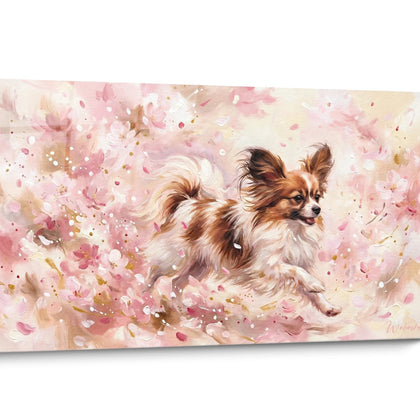 Jumping Papillon Dog Wall Art3
artworks
Jumping Papillon Dog Wall Art3
artworks
-
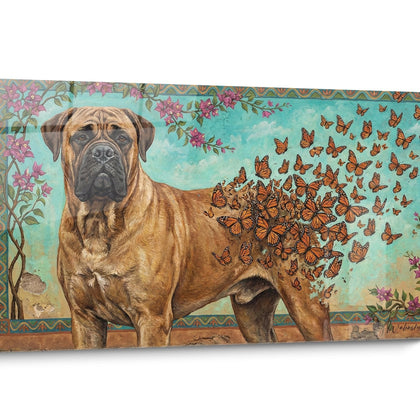 Bullmastiff Dog Canvas41
artworks
Bullmastiff Dog Canvas41
artworks
-
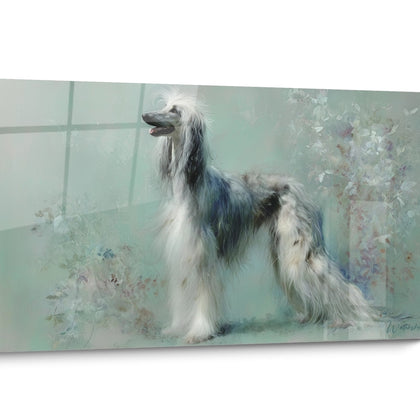 Afghan Hound Dog Canvas38
artworks
Afghan Hound Dog Canvas38
artworks
-
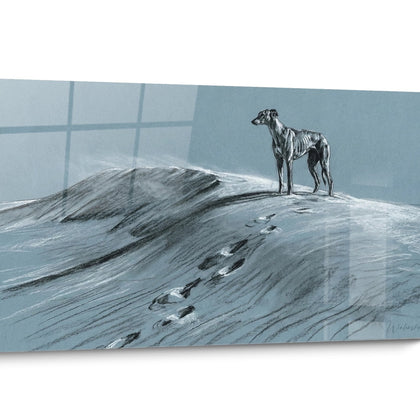 Greyhound Dog Wall Art37
artworks
Greyhound Dog Wall Art37
artworks
-
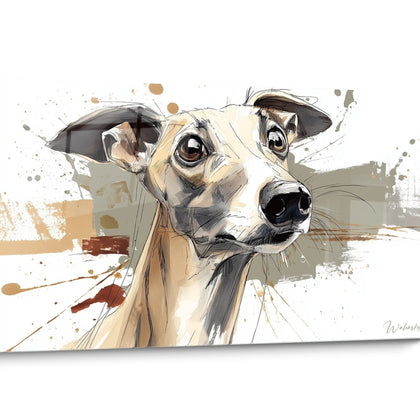 Whippet Greyhound Wall Art31
artworks
Whippet Greyhound Wall Art31
artworks
-
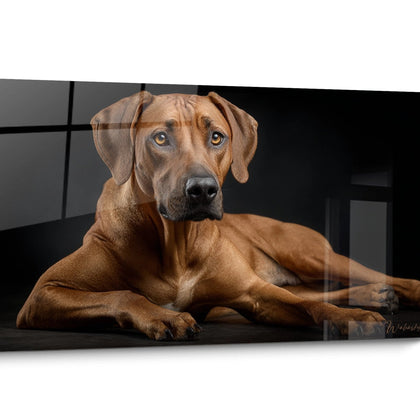 Rhodesian Ridgeback Dog Wall Art23
artworks
Rhodesian Ridgeback Dog Wall Art23
artworks
-
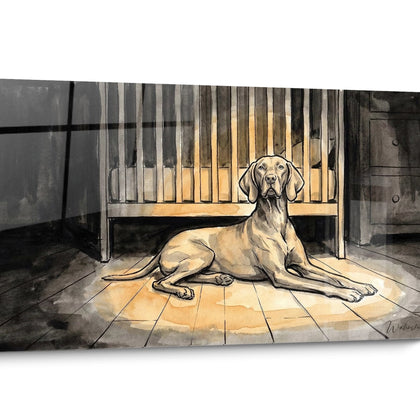 Vizsla Dog Canvas Art36
artworks
Vizsla Dog Canvas Art36
artworks
-
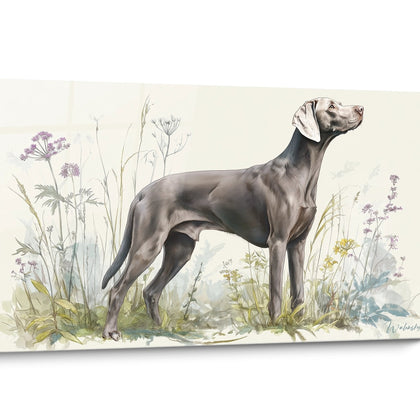 Weimaraner Dog Canvas27
artworks
Weimaraner Dog Canvas27
artworks
-
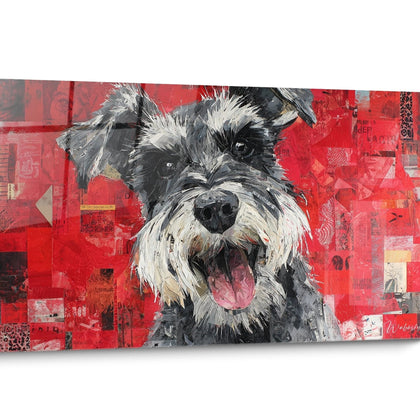 Schnauzer Dog Canvas Art35
artworks
Schnauzer Dog Canvas Art35
artworks
-
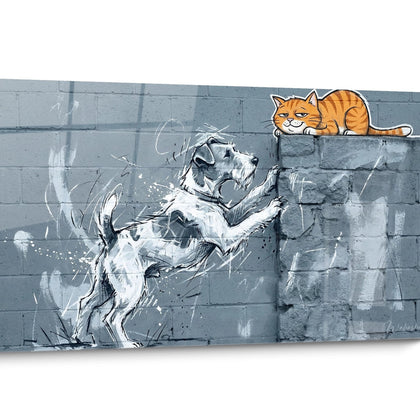 Fox Terrier Dog Wall Art36
artworks
Fox Terrier Dog Wall Art36
artworks
-
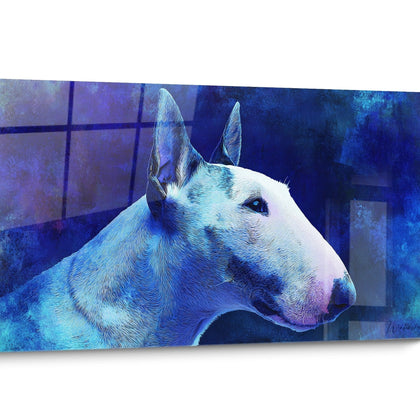 Bull Terrier Dog Wall Art22
artworks
Bull Terrier Dog Wall Art22
artworks
-
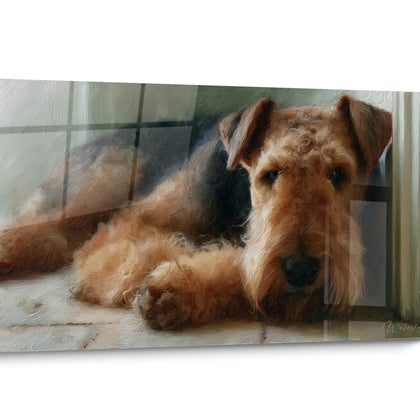 Airedale Terrier Dog Wall Art22
artworks
Airedale Terrier Dog Wall Art22
artworks
-
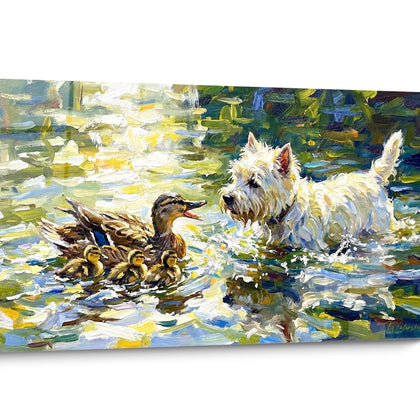 West Highland White Terrier Dog Canvas29
artworks
West Highland White Terrier Dog Canvas29
artworks
-
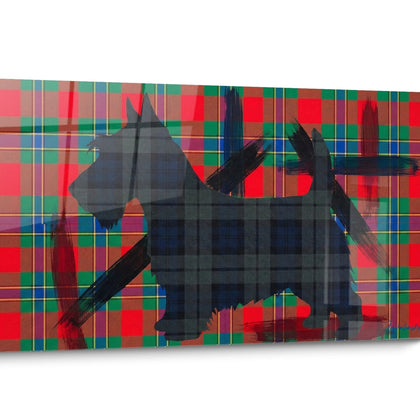 Scottish Terrier Dog Wall Art30
artworks
Scottish Terrier Dog Wall Art30
artworks
-
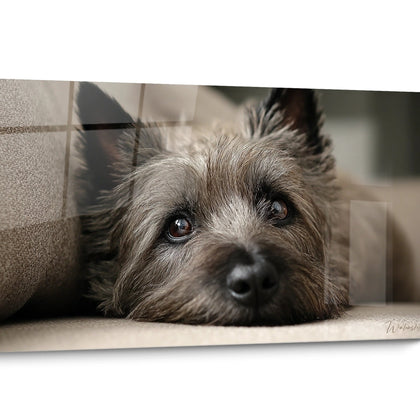 Cairn Terrier Dog Wall Art36
artworks
Cairn Terrier Dog Wall Art36
artworks
-
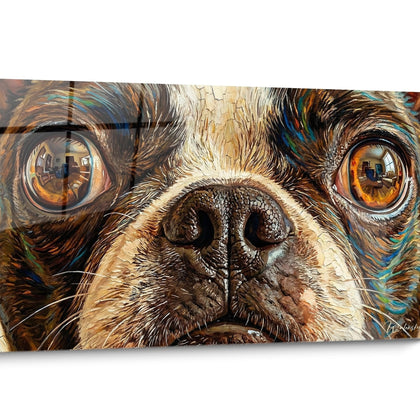 Boston Terrier Dog Wall Art30
artworks
Boston Terrier Dog Wall Art30
artworks
-
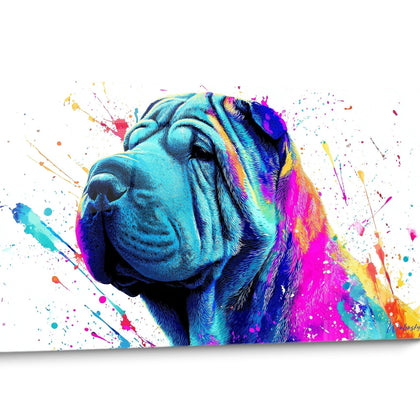 Shar Pei Dog Wall Art34
artworks
Shar Pei Dog Wall Art34
artworks
-
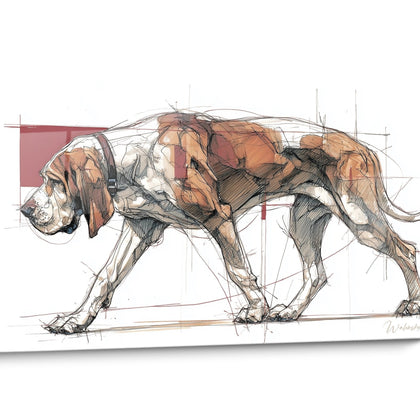 Bloodhound Dog Canvas28
artworks
Bloodhound Dog Canvas28
artworks
-
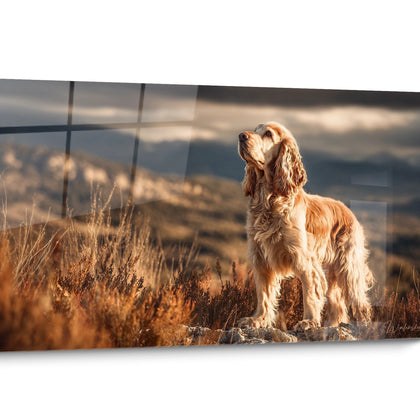 American Cocker Spaniel Wall Art36
artworks
American Cocker Spaniel Wall Art36
artworks
-
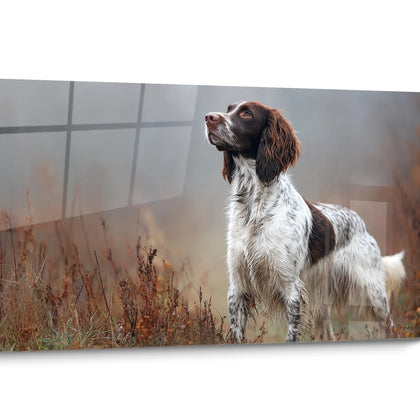 English Springer Spaniel Dog Painting32
artworks
English Springer Spaniel Dog Painting32
artworks
-
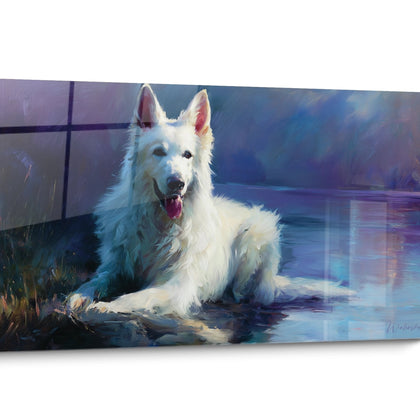 White Swiss Shepherd Dog Wall Art29
artworks
White Swiss Shepherd Dog Wall Art29
artworks
-
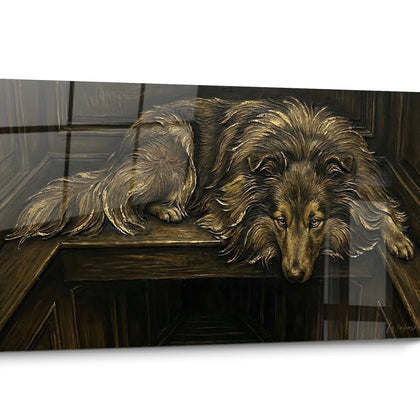 Shetland Sheepdog Wall Art32
artworks
Shetland Sheepdog Wall Art32
artworks
-
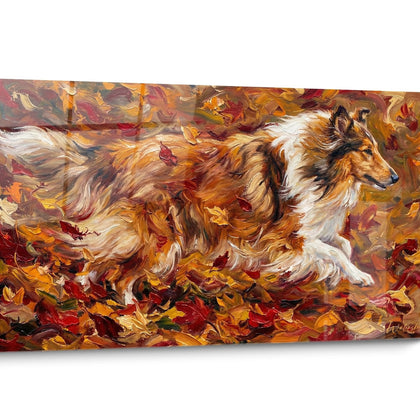 Collie Wall Art33
artworks
Collie Wall Art33
artworks
-
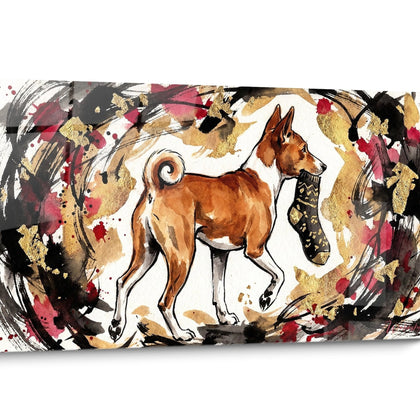 Basenji Dog Wall Art50
artworks
Basenji Dog Wall Art50
artworks
-
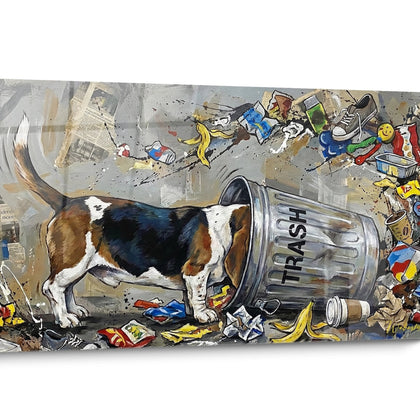 Basset Hound Dog Canvas Art35
artworks
Basset Hound Dog Canvas Art35
artworks
-
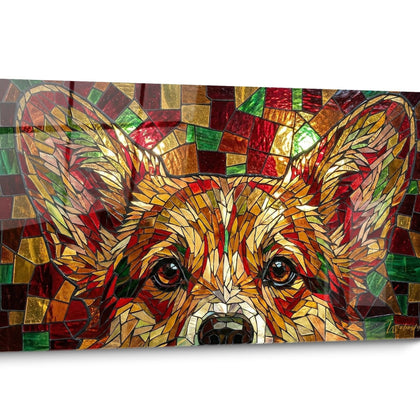 Corgi Pembroke Dog Canvas51
artworks
Corgi Pembroke Dog Canvas51
artworks
-
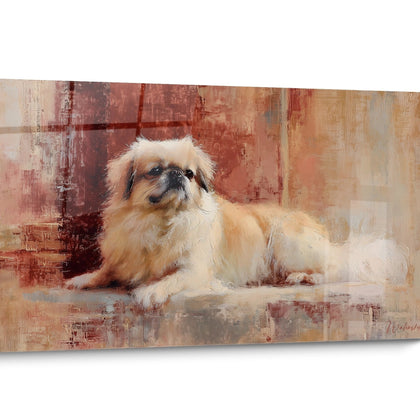 Pekingese Dog Painting29
artworks
Pekingese Dog Painting29
artworks
-
 Lhassa Apso Dog Wall Art32
artworks
Lhassa Apso Dog Wall Art32
artworks
-
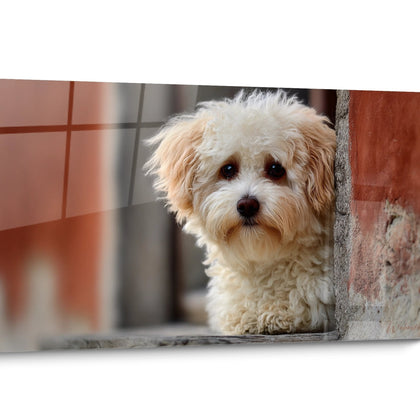 Havanese Dog Canvas Art28
artworks
Havanese Dog Canvas Art28
artworks
-
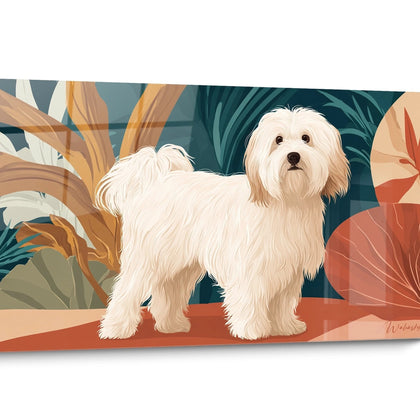 Cotton de Tulear Dog Wall Art20
artworks
Cotton de Tulear Dog Wall Art20
artworks
-
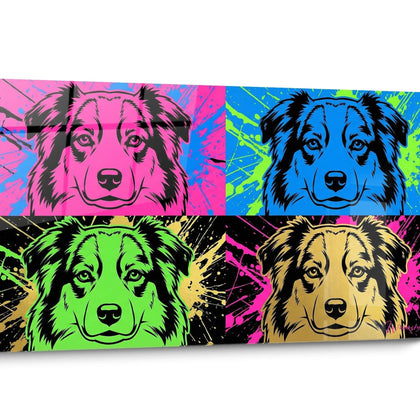 Miniature American Shepherd Dog Wall Art32
artworks
Miniature American Shepherd Dog Wall Art32
artworks
-
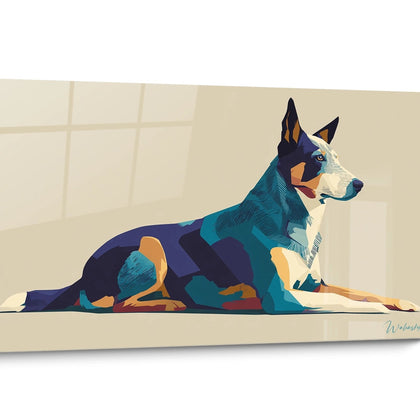 Australian Cattle Dog Wall Art21
artworks
Australian Cattle Dog Wall Art21
artworks
-
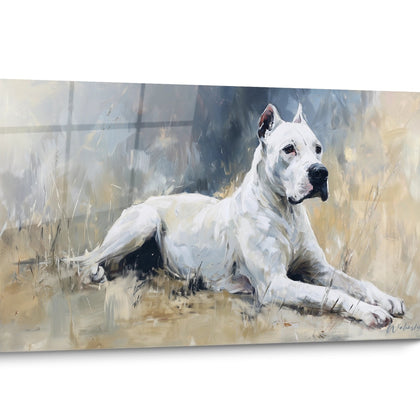 Argentine Dogue Wall Art24
artworks
Argentine Dogue Wall Art24
artworks
-
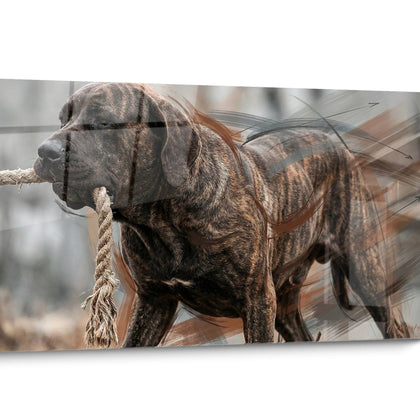 Fila Brasileiro Dog Canvas23
artworks
Fila Brasileiro Dog Canvas23
artworks
-
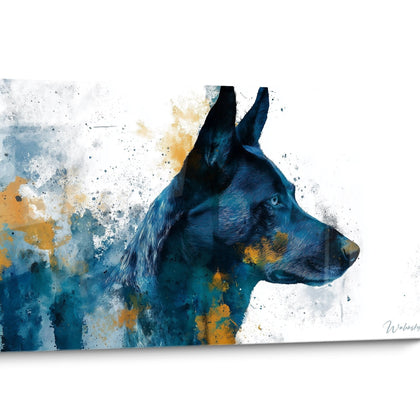 Dutch Shepherd Dog Canvas24
artworks
Dutch Shepherd Dog Canvas24
artworks
-
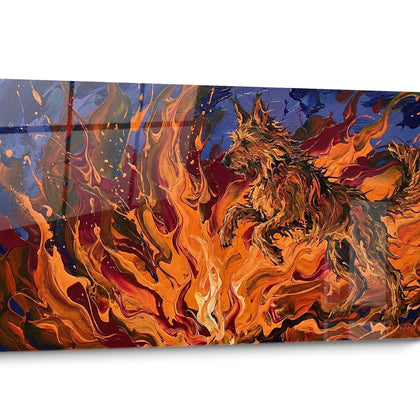 Picardy Shepherd Dog Canvas30
artworks
Picardy Shepherd Dog Canvas30
artworks
-
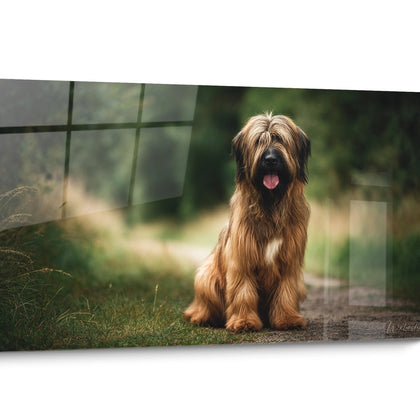 Briard Dog Canvas18
artworks
Briard Dog Canvas18
artworks
-
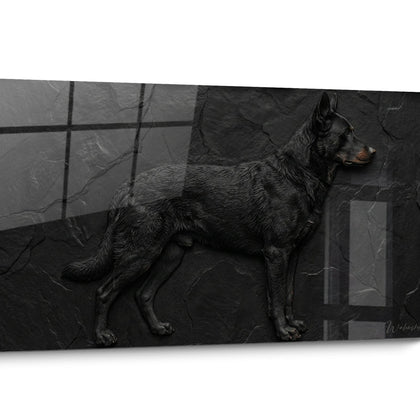 Beauceron Dog Canvas36
artworks
Beauceron Dog Canvas36
artworks
-
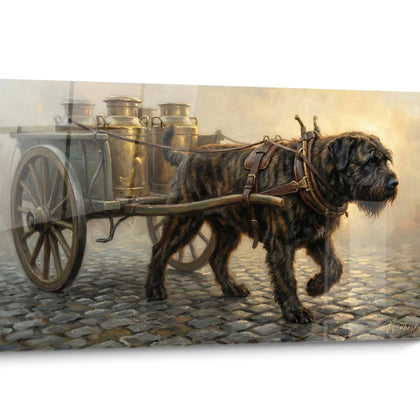 Flemish Bouviers Dog Wall Art28
artworks
Flemish Bouviers Dog Wall Art28
artworks
-
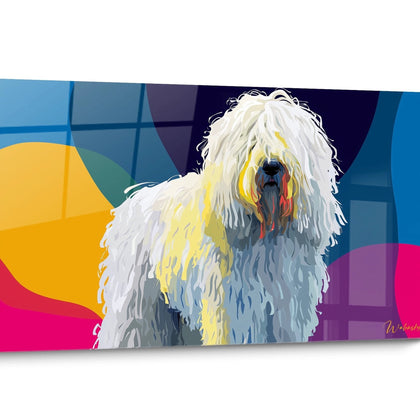 Komondor Dog Wall Art16
artworks
Komondor Dog Wall Art16
artworks
-
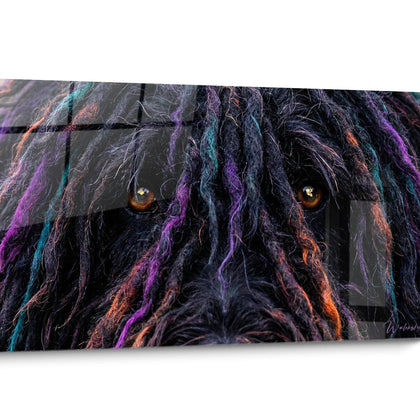 Puli Dog Wall Art28
artworks
Puli Dog Wall Art28
artworks
-
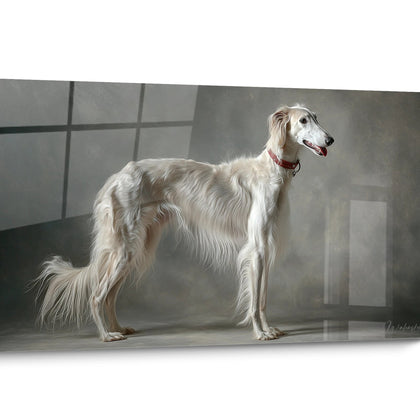 Borzoi Dog Canvas28
artworks
Borzoi Dog Canvas28
artworks
-
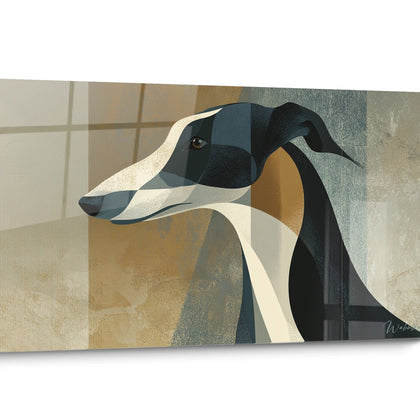 Sakuki Dog Canvas21
artworks
Sakuki Dog Canvas21
artworks


All about Papillon Dog Wall Art
- Presentation Painting Butterfly Dog
- Elegant & Refined Decoration
- Visual Impact & Character
- Ambiances & Decorative Choices
Paintings depicting the butterfly dog capture the very essence of this aristocratic breed with its characteristic butterfly-shaped ears. These large-format wall artworks instantly transform your interior while celebrating the natural grace and historical elegance of the Continental Toy Spaniel. Each artistic representation of this royal companion dog highlights its distinctive traits: majestic fringed ears, bright and intelligent gaze, silky bicolor or tricolor coat. The presence of a butterfly dog painting in your living room or office immediately evokes a refined universe where canine nobility meets contemporary decorative art. These large-scale wall compositions celebrate centuries of canine heritage while perfectly adapting to the modern aesthetic codes of sophisticated living spaces.
Canine aristocracy sublimated in your wall decoration
The butterfly dog painting embodies a decorative tradition dating back to European royal courts where this breed was among the favorites of nobles and monarchs. Installing such a work in your interior means reconnecting with this prestigious heritage while affirming a distinctive decorative choice. The large-format representations of the Continental Toy Spaniel capture the intelligent and alert expression that has captivated generations of animal art enthusiasts.
How does the butterfly dog transform the ambiance of a high-end residential space?
The presence of a butterfly dog painting immediately creates an atmosphere of discrete refinement in reception areas. Unlike more imposing breeds, the butterfly evokes aristocratic delicacy rather than power. This nuance is particularly sought after in elegant urban apartments, tea rooms, luxury boutiques or professional offices where one wishes to project sophistication and good taste. The large dimensions of these wall compositions allow generous wall occupation without creating a sense of visual aggression.
The particular symbolism of butterfly-shaped ears in decorative art
The characteristic ears of this breed constitute an immediately recognizable visual element that completely differentiates these paintings from other canine representations. These fringed appendages, evoking butterfly wings, bring a poetic dimension and almost whimsical quality to your decoration. In a collection dedicated to dog paintings, the butterfly stands out through this anatomical particularity that gives it a unique visual identity. Contemporary artists exploit this characteristic by playing with color contrasts between the coat and background, creating compositions where the ears become true focal points.
Which color palette to favor with a Continental Toy Spaniel painting?
The traditional coats of the butterfly offer natural combinations of brilliant white with brown, black or fawn markings. These organic tonalities harmonize naturally with interiors in neutral, cream, taupe or pearl gray tones. To create striking contrast, opt for a background in deep shades – navy blue, emerald green or burgundy – that makes the luminosity of the coat stand out. Minimalist Scandinavian environments benefit particularly from this injection of animal warmth, while more classical décors find in the butterfly a decorative companion perfectly suited to woodwork and antique furniture.
Dynamism and vivacity of the butterfly in large wall formats
The butterfly dog painting excels at transmitting particular energy: that of a small, alert dog, curious and constantly vigilant. Large-format compositions allow capturing this expressive intensity that characterizes the breed. The brilliant and intelligent eye of the butterfly, its alert head carriage and erect ears create a dynamic presence that literally animates your living space without dominating it.
The psychological effect of a benevolent canine gaze in your daily life
Butterfly dog owners know this attentive and affectionate expression that characterizes the breed. A painting faithfully reproducing this gaze generates a sensation of benevolent companionship in spaces where you spend time alone – home office, personal library, creative studio. This unobtrusive visual presence offers discreet comfort without the constraints of a living animal. Large dimensions allow capturing subtle nuances of canine expression, creating an emotional connection with the artwork.
Why is the butterfly particularly suited to sophisticated feminine spaces?
Without resorting to stereotypes, the butterfly dog possesses natural grace and elegance that resonate particularly in dressing rooms, contemporary boudoirs or beauty spaces. Its delicate silhouette and harmonious proportions integrate naturally into these universes where detail matters. A large-format butterfly dog painting brings a touch of personality without masculinizing the space, unlike what more robust breed representations would produce. The soft tones usually present in these environments – powder pink, lavender, ivory – dialogue perfectly with the characteristic bicolor coats of the breed.
The butterfly as a bridge between tradition and modern decorative art
The Continental Toy Spaniel has traversed epochs since the Renaissance while maintaining astonishing aesthetic relevance. A contemporary painting depicting this historic breed creates a fascinating dialogue between past and present. Modern artistic treatments – pop art, graphic minimalism, partial abstraction – reinterpret this classic canine icon to adapt it to current visual codes. This temporal duality makes the butterfly dog painting a particularly relevant choice for eclectic interiors that blend antique furniture and contemporary design, creating visual bridges between different stylistic periods.
Integration scenarios and privileged display contexts
The strategic choice of placement for a butterfly dog painting largely determines its decorative impact. The generous dimensions of these artworks require reflection on visual circulation and spatial balance of the room. Unlike small compositions, a large format imposes its presence and structures the entire environment around it.
Which professional spaces particularly benefit from a butterfly spaniel painting?
Veterinary clinics specializing in toy breeds, high-end canine grooming salons, luxury pet accessory boutiques and professional breeding establishments find in these artworks a way to affirm their specific expertise. The butterfly immediately evokes canine refinement and in-depth knowledge of companion breeds. In a commercial context, such a painting instantly signals to potential clients the level of sophistication and specialization of the establishment. Reception areas of pet-friendly hotels or retirement residences allowing canine companions also find in it a warm and welcoming decorative element.
The association of the butterfly with libraries and cultural spaces
The historical presence of the butterfly dog in portraits of Renaissance scholars, philosophers and artists creates a natural association with intellectual universes. A painting depicting this breed integrates harmoniously into a personal library, reading room or space dedicated to creative activities. This cultivated breed, companion of enlightened minds for centuries, brings a historical and cultural dimension that enriches the studious atmosphere of these places. Large dimensions allow the painting to visually dialogue with the imposing volumes of wall libraries.
Creating a thematic gallery around aristocratic companion breed representations
For historical canine enthusiasts, the butterfly dog painting constitutes the central piece of a collection dedicated to European court breeds. Associated with representations of Cavalier King Charles, Maltese or Italian Greyhounds, it forms a cohesive ensemble celebrating canine aristocratic heritage. This curatorial approach transforms a hallway, stairwell or large living room into a true private thematic gallery. The imposing dimensions of each piece create an immersive visual journey that testifies to documented passion and an assumed decorative choice.
FAQ: Frequently Asked Questions about butterfly dog paintings
Is a butterfly dog painting suitable for contemporary minimalist interiors?
Absolutely, provided you choose a refined artistic treatment with a monochrome background. The contrast between the organic delicacy of the subject and the geometric rigor of the environment creates a sophisticated visual tension particularly sought after in contemporary design. Large dimensions amplify this effect by making the painting the sole focal point of the room.
How to integrate a butterfly dog painting into an interior already rich in artworks?
In an eclectic collection, the butterfly functions as a visual calming element thanks to its benevolent expression and balanced proportions. Position it between more abstract or geometric works to create figurative breathing room. Its historical dimension and symbolic charge allow it to hold its place even surrounded by more audacious conceptual works.
Can a butterfly dog painting integrate into a sophisticated child's bedroom?
This non-intimidating breed, with a soft gaze and graceful silhouette, perfectly suits children's and adolescents' bedrooms seeking elegant rather than childish decoration. The butterfly evokes gentleness and companionship without infantilizing the space, allowing harmonious transition toward more mature decoration. Important dimensions transform the artwork into a structuring element of the room rather than mere decorative accessory.
Further reading
Our articles on this topic
- Butterfly dog painting in pastel watercolour style: the softness of colours takes centre stage
- How to Choose a Dog and Butterfly Painting to Decorate Your Bedroom
- Papillon dog painting for a modern living room: a guide to styling it on your wall
- Dressed dog painting: the clever choice for a decor full of character
- Butterfly dog painting for entryway: create a wow effect from the first seconds
- French Bulldog Pop Art Dog Painting: The Guide to Choosing the Perfect Piece
L'art qui suscite l'envie
Maison belge d'art mural grand format
14 jourspour changer d'avis*
Protection Walenskyincluse
Fabriquéen Italie
FormatXXL
Kit de fixationtoujours fourni
* Hors tableaux personnalisés et tailles personnalisées


