


Rottweiler Dog Wall Art
Our Rottweiler Wall Art collection celebrates the majesty of this legendary breed through striking artistic creations. Each Rottweiler decorative wall art captures the intelligence, loyalty and impressive strength of this characterful dog. Perfect for elevating your interior, these works reveal the full intensity of the gaze and natural presence of the Rottweiler. Ideal for canine enthusiasts and lovers of Rottweiler animal art, this collection transforms your walls into a gallery of authentic emotions.
 Puppy and Adult Rottweiler Noses - First Contact - Rottweiler Edition233,90 €
 Sitting Rottweiler in Golden Sunset Landscape - Wild Contemplation - Rottweiler Edition232,90 €
 Running Rottweiler Painting in Dynamic Motion - Power in Movement - Rottweiler Edition233,90 €
 Black and Fawn Rottweiler Painting in a Whirlwind of Papers - Colorful Chaos - Rottweiler Edition233,90 €
 Rottweiler Black and Tan Portrait Canvas with Amber Eyes - Intense Gaze - Rottweiler Edition233,90 €
 Rottweiler with Golden Tones in Autumn Leaves - Autumn Majesty - Rottweiler Edition233,90 €
 Abstract Rottweiler Wall Art with Tribal Patterns - Geometric Power - Rottweiler Edition233,90 €
 Black and Tan Rottweiler with Melancholic Gaze - Intimate Portrait - Rottweiler Edition233,90 €
 Rottweiler with Golden Mandala Motifs Painting - Ornamental Majesty - Rottweiler Edition233,90 €
 Reclining Rottweiler Painting Warm Tones - Faithful Companion - Rottweiler Edition233,90 €
 Rottweiler Pair at Sunset Canvas - Canine Complicity - Rottweiler Edition233,90 €
 Rottweiler with Mystical Smoke Canvas - Vaporous Majesty - Rottweiler Edition233,90 €
 Black and Tan Rottweiler Painting with Braided Rope - Complicit Play Moment - Rottweiler Edition233,90 €
 Majestic Rottweiler Canvas with Golden Highlights - Canine Nobility - Rottweiler Edition233,90 €
 Black Dog Painting with Turquoise and Orange Reflections - Geometric Portrait - Rottweiler Edition233,90 €
 Powerful Dog Painting Multicolor Stained Glass Style - Luminous Mosaic - Rottweiler Edition233,90 €
 Rottweiler Black and Tan on Leather Sofa - Noble Serenity - Rottweiler Edition233,90 €
 Black and Fiery Rottweiler on Stylized Waves - Oceanic Power - Rottweiler Edition233,90 €
 Black and Red Rottweiler Portrait with Orange Splashes - Artistic Power - Rottweiler Edition233,90 €
 Stylized Dog Wall Art Art Deco Gold and Black - Geometric Portrait - Rottweiler Edition233,90 €
 Rottweiler Portrait Painting in Golden and Blue Mosaic - Saint Canine - Rottweiler Edition233,90 €
 Sleeping Rottweiler Painting on White Sheets - Peaceful Rest - Rottweiler Edition233,90 €
 Rottweiler Puppies in the Snow Painting - Winter Tenderness - Rottweiler Edition233,90 €
 Rottweiler and Extended Hand in Golden Light - Canine Complicity - Rottweiler Edition233,90 €
Explore further
In Rottweiler Dog Wall Art
-
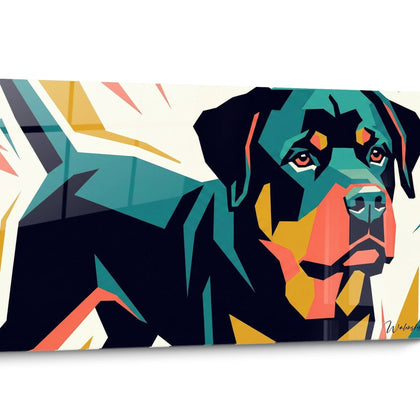 Rottweiler Dog Pop Art Canvas4
artworks
Rottweiler Dog Pop Art Canvas4
artworks
-
 Golden Rottweiler Dog Wall Art10
artworks
Golden Rottweiler Dog Wall Art10
artworks
-
 Rottweiler Dog Mosaic Wall Art3
artworks
Rottweiler Dog Mosaic Wall Art3
artworks
-
 Geometric Rottweiler Dog Wall Art3
artworks
Geometric Rottweiler Dog Wall Art3
artworks
-
 Rottweiler Dog Portrait Wall Art7
artworks
Rottweiler Dog Portrait Wall Art7
artworks
-
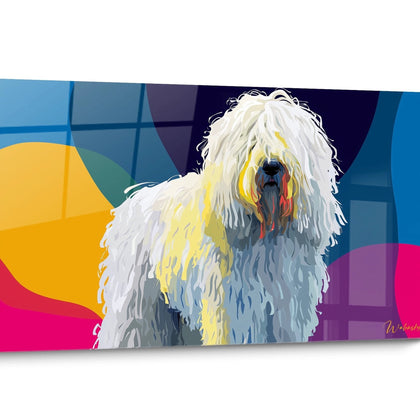 Komondor Dog Wall Art16
artworks
Komondor Dog Wall Art16
artworks
-
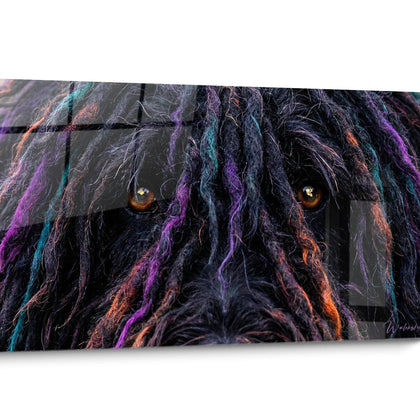 Puli Dog Wall Art28
artworks
Puli Dog Wall Art28
artworks
-
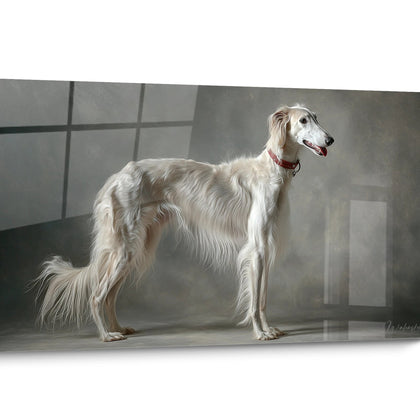 Borzoi Dog Canvas28
artworks
Borzoi Dog Canvas28
artworks
-
 Sakuki Dog Canvas21
artworks
Sakuki Dog Canvas21
artworks
-
 Irish Wolfhound Dog Wall Art38
artworks
Irish Wolfhound Dog Wall Art38
artworks
-
 Deerhound Dog Painting21
artworks
Deerhound Dog Painting21
artworks
-
 Japanese Spaniel Dog Canvas29
artworks
Japanese Spaniel Dog Canvas29
artworks
-
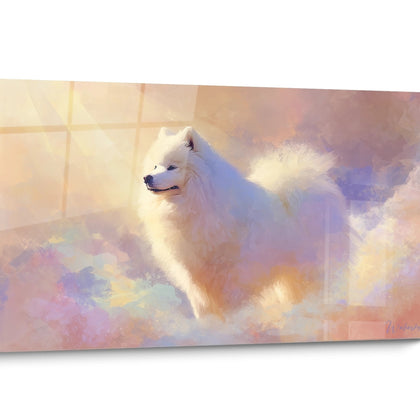 Japanese Spitz Dog Wall Art23
artworks
Japanese Spitz Dog Wall Art23
artworks
-
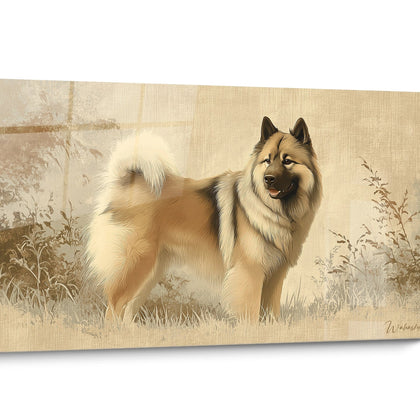 Eurasier Dog Wall Art20
artworks
Eurasier Dog Wall Art20
artworks
-
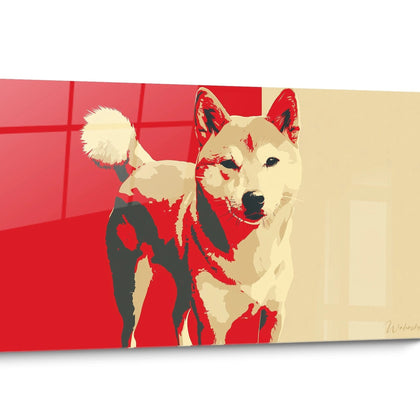 Shiba Inu Dog Wall Art41
artworks
Shiba Inu Dog Wall Art41
artworks
-
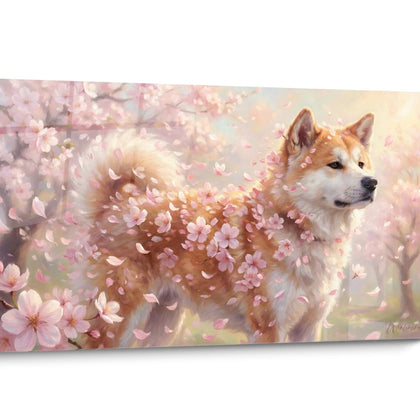 Akita Inu Dog Wall Art36
artworks
Akita Inu Dog Wall Art36
artworks
-
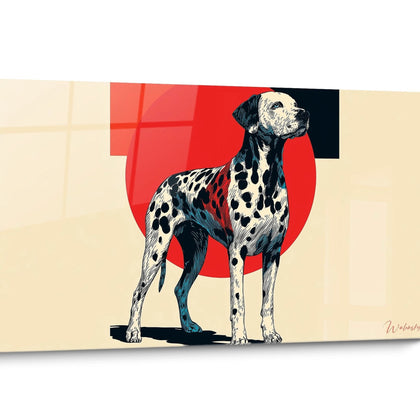 Dalmatian Wall Art30
artworks
Dalmatian Wall Art30
artworks
-
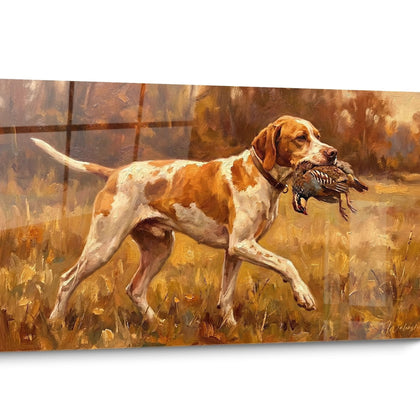 English Pointer Dog Canvas Art37
artworks
English Pointer Dog Canvas Art37
artworks
-
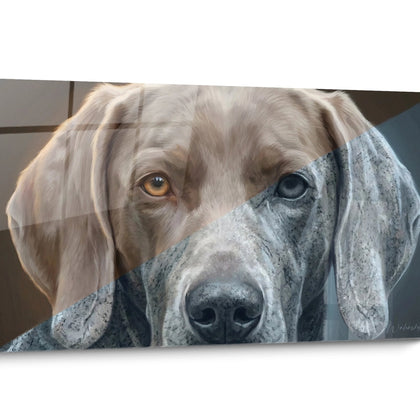 Weimaraner Dog Painting30
artworks
Weimaraner Dog Painting30
artworks
-
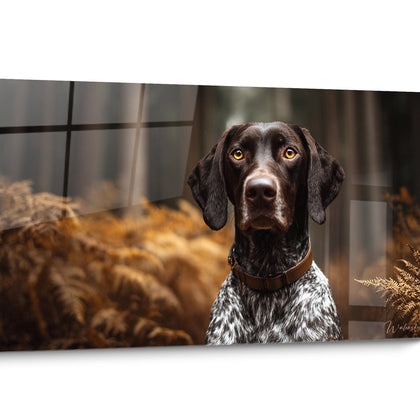 German Shorthaired Pointer Dog Painting26
artworks
German Shorthaired Pointer Dog Painting26
artworks
-
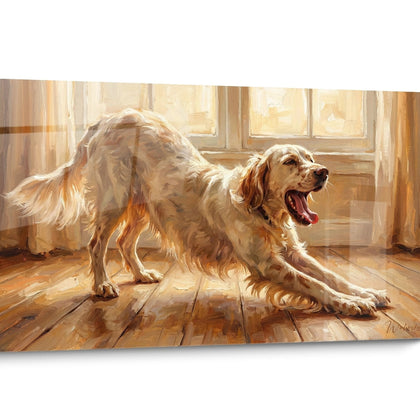 English Setter Dog Art34
artworks
English Setter Dog Art34
artworks
-
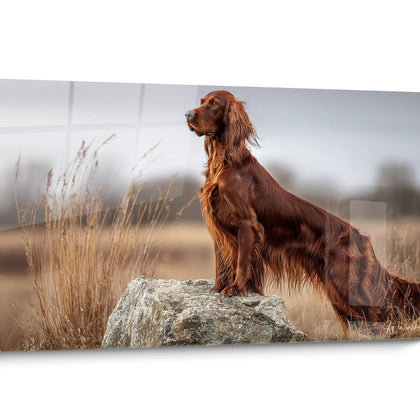 Irish Setter Dog Painting36
artworks
Irish Setter Dog Painting36
artworks
-
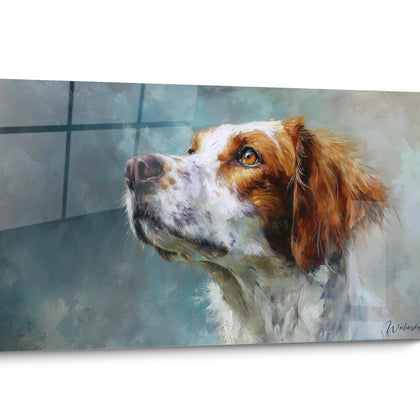 Brittany Spaniel Dog Painting35
artworks
Brittany Spaniel Dog Painting35
artworks
-
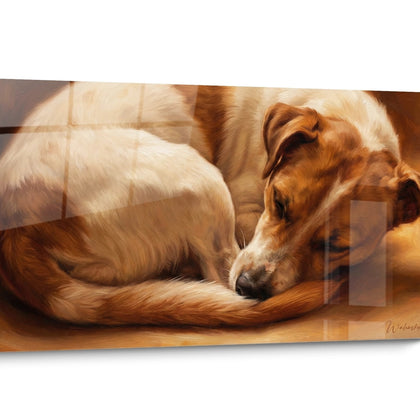 Jack Russell Terrier Dog Wall Art35
artworks
Jack Russell Terrier Dog Wall Art35
artworks
-
 Pug Wall Art23
artworks
Pug Wall Art23
artworks
-
 Maltese Bichon Dog Canvas40
artworks
Maltese Bichon Dog Canvas40
artworks
-
 Bichon Frise Dog Wall Art26
artworks
Bichon Frise Dog Wall Art26
artworks
-
 Shih Tzu Dog Wall Art28
artworks
Shih Tzu Dog Wall Art28
artworks
-
 Belgian Malinois Dog Canvas36
artworks
Belgian Malinois Dog Canvas36
artworks
-
 Doberman Dog Wall Art32
artworks
Doberman Dog Wall Art32
artworks
-
 Boxer Dog Wall Art27
artworks
Boxer Dog Wall Art27
artworks
-
 English Bulldog Wall Art32
artworks
English Bulldog Wall Art32
artworks
-
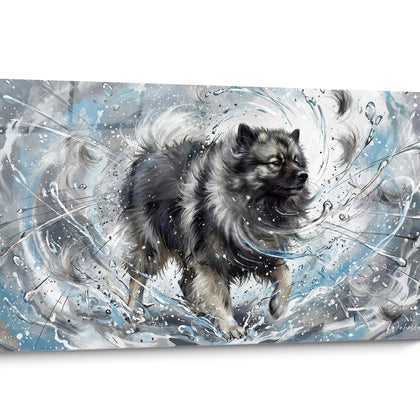 Keeshond Dog Wall Art32
artworks
Keeshond Dog Wall Art32
artworks
-
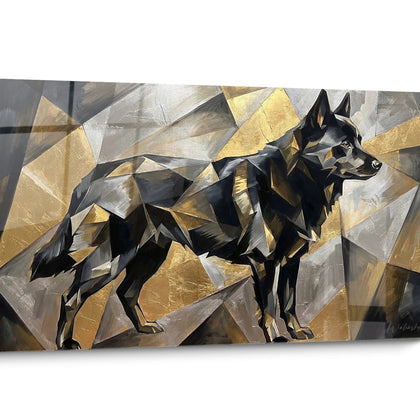 Schipperke Dog Wall Art32
artworks
Schipperke Dog Wall Art32
artworks
-
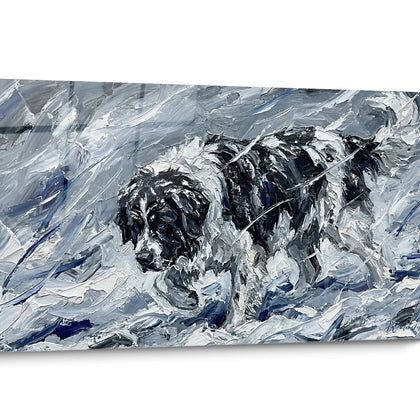 Landseer Dog Canvas33
artworks
Landseer Dog Canvas33
artworks
-
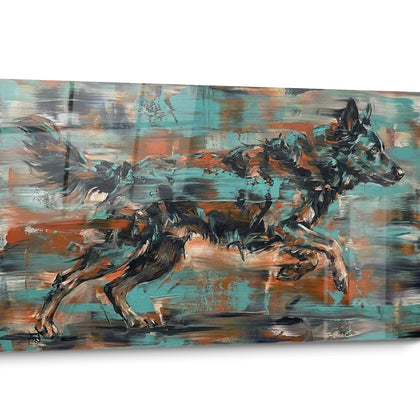 Mudi Dog Wall Art24
artworks
Mudi Dog Wall Art24
artworks
-
 Chihuahua Dog Wall Art25
artworks
Chihuahua Dog Wall Art25
artworks
-
 Beagle Dog Wall Art27
artworks
Beagle Dog Wall Art27
artworks
-
 Cavalier King Charles Dog Canvas28
artworks
Cavalier King Charles Dog Canvas28
artworks
-
 Border Collie Dog Canvas21
artworks
Border Collie Dog Canvas21
artworks
-
 German Shepherd Wall Art35
artworks
German Shepherd Wall Art35
artworks
-
 French Bulldog Wall Art32
artworks
French Bulldog Wall Art32
artworks
-
 Golden Retriever Dog Painting31
artworks
Golden Retriever Dog Painting31
artworks
-
 Australian Shepherd Wall Art35
artworks
Australian Shepherd Wall Art35
artworks
-
 English Cocker Spaniel Dog Canvas32
artworks
English Cocker Spaniel Dog Canvas32
artworks
-
 Poodle Canvas53
artworks
Poodle Canvas53
artworks
-
 Pomeranian Spitz Dog Canvas Art33
artworks
Pomeranian Spitz Dog Canvas Art33
artworks
-
 Siberian Husky Dog Wall Art36
artworks
Siberian Husky Dog Wall Art36
artworks
-
 Staffordshire Bull Terrier Dog Wall Art33
artworks
Staffordshire Bull Terrier Dog Wall Art33
artworks
-
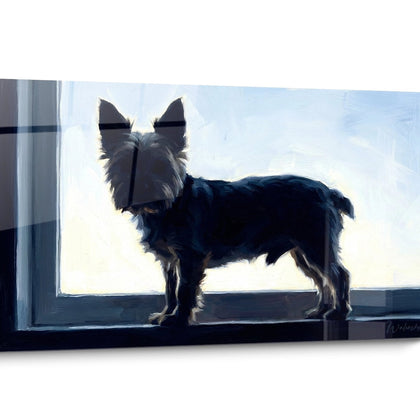 Yorkshire Terrier Dog Wall Art31
artworks
Yorkshire Terrier Dog Wall Art31
artworks


All about Rottweiler Dog Wall Art
- Overview Rottweiler Painting
- Canine Portrait and Symbolism
- Premium Dog Lover Decoration
- Selection and Wall Placement
Discover our exclusive collection of paintings featuring the Rottweiler, this emblematic breed with a strong character and natural elegance. Each artwork captures the intensity of the gaze, the power of the stature, and the nobility that characterizes this German mastiff. Our large-format wall creations celebrate the profound attachment between owners and their four-legged companion, transforming your space into a true tribute to this exceptional breed. Whether you are a professional breeder, cynophilia enthusiast, or simply an admirer of the robust aesthetics of the Rottweiler, our selection meets the expectations of connoisseurs seeking authentic and imposing wall decoration.
The Powerful Expression of the Rottweiler in Contemporary Wall Art
A Rottweiler painting transcends simple photographic reproduction to capture the very essence of this breed with a unique temperament. Artistic representations often emphasize the characteristic penetrating gaze, those dark brown eyes that simultaneously express ancestral guardian vigilance and unconditional loyalty to their master. Artists specializing in canine portraits pay particular attention to the distinctive fawn markings on the chest, cheeks, and above the eyes, creating that iconic contrast with the deep black coat that visually defines the breed.
Why choose an artistic representation over standard photography?
Artistic creations allow for accentuation of the specific character traits of the Rottweiler that classical photography sometimes struggles to convey. Pictorial interpretation amplifies the imposing musculature of the neck, the width of the skull, and the powerful jaw without falling into aggressive caricature. This aesthetic approach is particularly suitable for owners wishing to highlight the natural nobility of their companion rather than the reductive stereotypes often associated with mastiffs. Monumental formats reinforce this imposing presence, transforming an ordinary wall into a declaration of belonging to the community of lovers of this misunderstood breed.
The symbolism of the Rottweiler in decorative iconography
Beyond the decorative aspect, integrating a painting representing this German breed conveys specific values appreciated in various contexts. The tradition of butcher's dog turned police auxiliary bestows upon the Rottweiler a symbolism of protection, discipline, and reliability particularly sought after in professional spaces related to security, dog breeding, or behavioral education centers. Our collection of dog paintings offers different stylistic interpretations allowing you to adjust the visual message according to the desired atmosphere, from respectful realistic portrait to modern graphic interpretation.
Compositions featuring a Rottweiler in its historical environment – cart teams, Alpine pastures, working postures – particularly appeal to purists attached to racial authenticity. These contextualized representations remind us of the utilitarian origins of the breed before its conversion into a family and defense dog. Informed collectors favor these narrative scenes that enrich the cultural dimension of their wall decoration while subtly educating visitors about European cynophile history.
Decorative Integration of a Rottweiler Painting in the Owner's Home
What placement best showcases a large-format artwork?
The installation of an imposing Rottweiler painting requires specific spatial consideration, distinct from that applied to smaller breeds. The naturally massive stature of the depicted subject demands a sufficiently clear wall to avoid visual crushing effect. Primary living spaces such as the living room or entryway constitute strategic locations where the monumental presence of the artwork dialogues with the architectural volume. This arrangement immediately creates a memorable impression while signaling to visitors the importance of this breed in the household's identity.
Professional kennel owners or breeding facility operators find in these wall representations a subtle yet effective marketing tool. Positioning a striking portrait in the reception area or puppy presentation space strengthens the establishment's credibility and demonstrates specific breed expertise. This visual strategy reassures future acquirers of the breeder's seriousness while creating an immersive atmosphere consistent with the location's cynophile activity.
Chromatic harmony with the natural Rottweiler palette
The characteristic two-tone coat naturally imposes a sober yet powerful decorative foundation. Environments with neutral tones – anthracite gray, taupe beige, off-white – allow the black-and-tan contrast of the subject to stand out without chromatic competition. Owners appreciating modern industrial aesthetics find in a Rottweiler painting the ideal complement to streamlined decoration incorporating raw metal, polished concrete, and dark wood. This stylistic convergence between the visual robustness of the breed and raw materials creates remarkable aesthetic coherence.
For warmer interiors favoring cozy atmospheres, association with earth-toned textiles – rust, ochre, caramel brown – echoes the fawn markings of the coat while softening the impression of power. Adjustable-intensity lighting allows you to modulate the dramatization of the portrait throughout the day, creating a presence that is alternately imposing and calming. This flexibility of atmosphere is particularly suitable for multifunctional spaces that must adapt to different daily uses.
Wall composition for multi-breed enthusiasts
Collectors owning or having owned multiple dogs can create a comparative gallery highlighting the morphological specifics of each breed. In this configuration, the painting representing the Rottweiler typically occupies the dominant central position, naturally reflecting the imposing presence of this breed. The alternation of formats – one large central piece surrounded by more modest compositions – generates dynamic visual rhythm while maintaining the natural hierarchy between the different dog statures represented.
Selection Criteria for a Museum-Quality Rottweiler Painting
How to identify anatomically accurate representation?
The authenticity of a Rottweiler painting is measured first by the precision of official breed standards established by the International Canine Federation. Connoisseurs verify the correct proportion between muzzle and skull length, the precise insertion of triangular drooping ears, and especially the typical expression that differentiates a serious-lineage Rottweiler from approximate representation. Works by artists specialized in canine morphology invariably present this anatomical rigor that satisfies the expert eye of breeders and show judges.
Visible musculature constitutes a revealing indicator of the artist's expertise. A correctly represented Rottweiler displays contained power, an impression of available strength without caricatural exaggeration. The muscle masses of the neck, hindquarters, and chest should convey the historical functional robustness of the breed without veering into artificial hypertype muscularity. This subtlety differentiates respectful documentary creations from fanciful interpretations that distort natural proportions.
Which finish to favor for optimal realistic rendering?
Current high-definition reproduction techniques allow exceptional restoration of the texture of the short, dense coat characteristic of the breed. Matte finishes preserve the depth of jet black without parasitic reflections, while fawn marking areas benefit from controlled saturation avoiding artificial orange effect. Owners seeking maximum realism favor prints on archival-quality rigid supports guaranteeing dimensional stability and color permanence over several decades.
Monumental dimensions naturally correspond to the imposing stature of the depicted subject. A reduced format would diminish visual impact and betray the natural presence of the Rottweiler in the space. Creations of 80 to 150 centimeters wide faithfully restore the actual scale of an adult individual, creating the quasi-physical presence impression sought by enthusiasts. This monumentality transforms the wall into a window open onto the cynophile universe, particularly appreciated in configurations where the animal itself cannot be physically present permanently.
The importance of presentation context in artwork valorization
Compositions situating the Rottweiler in its historical Rhenish environment – Alpine landscapes, traditional German architecture, Rottweil heritage evocations – enrich the cultural dimension of the work. These contextual elements particularly interest purists attached to preserving authentic racial identity against contemporary morphological drifts. A painting incorporating these historical references becomes a vehicle for memorial transmission beyond its primary decorative function.
Does a Rottweiler painting suit all interior styles?
The aesthetic versatility of the subject allows surprising adaptation to different decorative universes. Minimalist graphic interpretations integrate perfectly into streamlined Scandinavian interiors, while detailed realistic portraits enrich classical or rustic atmospheres. Even ultra-modern contemporary environments benefit from the contrast between clean lines and organic animal presence, creating sophisticated visual tension.
What is the lifespan of a professional-quality Rottweiler painting?
Productions using museum-quality pigment inks and stable supports guarantee optimal conservation exceeding fifty years without notable color alteration. This longevity justifies the initial investment for collectors considering these works as transmissible family heritage. Standard environmental conditions in a residential interior suffice to ensure this exceptional longevity.
How to choose between individual representation and pack composition?
Individual portraits suit owners celebrating a specific companion or wishing to highlight the solitary majesty of the breed. Group compositions appeal more to professional breeders desiring to illustrate their breeding program or enthusiasts appreciating the social dynamic between individuals. This latter option creates more complex visual narrative, particularly suited to large available wall spaces.


