


Mudi Dog Wall Art
The Mudi Wall Art collection celebrates the essence of contemporary art with original and refined creations. Each piece captures the natural elegance of the Mudi dog, a symbol of energy and loyalty. These decorative Mudi wall paintings bring character and authenticity to your interior, whether it's a modern living room or an inspiring office space. Perfect for contemporary animal art enthusiasts, this collection transforms your walls into a personal gallery and reflects your passion for unique aesthetics.
 White Mudi running within a herd of silhouettes - Herding instinct - Mudi Edition232,90 €
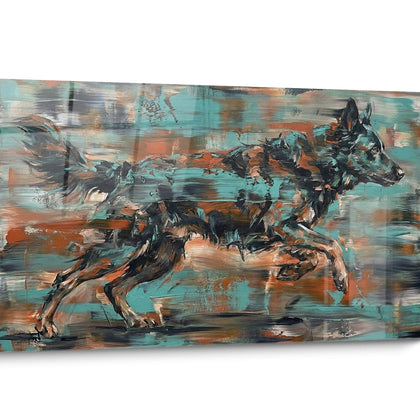
 Mudi Painting in Turquoise and Orange Motion - Wild Momentum - Mudi Edition233,90 €
 Golden Tones Mudi Holding Bread in a Rustic Kitchen Canvas - Warmth of Home - Mudi Edition233,90 €
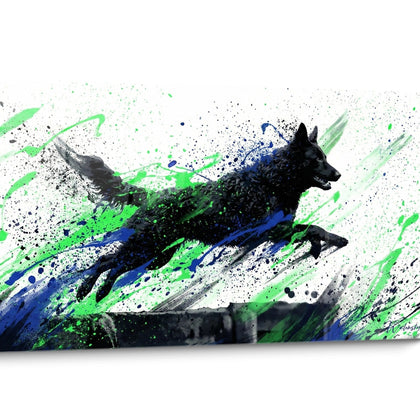
 Leaping Mudi in Blue and Green Waves Wall Art - Aquatic Energy - Mudi Edition233,90 €
 Mudi Jumping in Turquoise Blue Waves - Aquatic Dynamism - Mudi Edition233,90 €
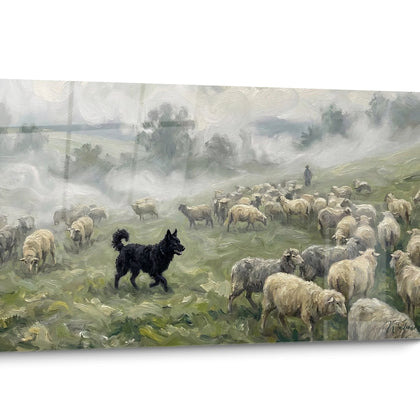
 Black Mudi Working with White Sheep in Misty Pasture - Watchful Shepherd - Mudi Edition233,90 €
 Mudi with Amber Eyes Among Brilliant Sunflowers Impressionist Style - Rural Brilliance - Mudi Edition233,90 €
 Mudi in Motion with Blue and Orange Splashes - Wild Momentum - Mudi Edition233,90 €
 Mudi Puppy Running Dynamically on Ochre and Red Background - Canine Energy - Mudi Edition233,90 €
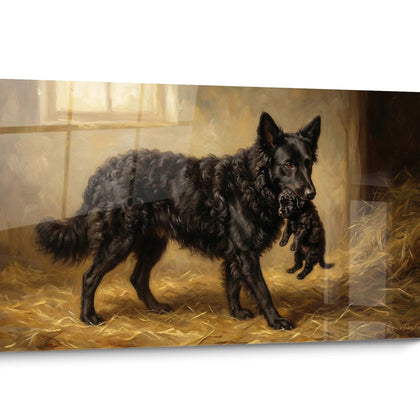
 Black Curly Mudi Painting with Puppy in Lit Sheepfold - Maternal Instinct - Mudi Edition233,90 €
 Mudi Crossing a Dirt Path at Sunset - Golden Stroll - Mudi Edition233,90 €
 Grey Mudi Wall Art in Motion Through Multicolored Floral Whirlwind - Wild Energy - Mudi Edition233,90 €
 Mudi Painting in Ochre and Golden Tones - Expressive Portrait with Curly Coat - Mudi Edition233,90 €
 Mudi Dog Wall Art in Golden and Green Tones in the Forest - Faithful Companion - Mudi Edition233,90 €
 Black Mudi Contemplating a Dew-Beaded Spider Web - Moment of Grace - Mudi Edition233,90 €
 Mudi Leaping in a Whirlwind of Green and Blue Colors - Artistic Dynamism - Mudi Edition233,90 €
 Mudi with Explosive Colors on Cosmic Black Background - Pure Energy - Mudi Edition213,90 €
 Three Mudis with Piercing Eyes Geometric Mosaic Style - Complicit Gazes - Mudi Edition213,90 €
 Dark Coated Dog Wet Fur Portrait Atmospheric Wall Art - Intense Gaze - Edition Mudi213,90 €
 Black Mudi with Amber Eyes Against Tumultuous Purple Sky - Intense Gaze - Mudi Edition213,90 €
 Mudi Hungarian Sheepdog in Dynamic Movement Blue and Violet Canvas - Mudi Edition213,90 €
 Mudi Trio Multicolor Mosaic Wall Art - Canine Harmony - Mudi Edition213,90 €
 Mudi Black Silhouette in Golden Moonlight over Lake - Nocturnal Contemplation - Mudi Edition213,90 €
 Mudi Painting with Golden Reflections Emerging from Grass - Wild Intensity - Mudi Edition213,90 €
Explore further
In Mudi Dog Wall Art
-
 Mudi Dog Black and White Wall Art7
artworks
Mudi Dog Black and White Wall Art7
artworks
-
 Abstract Mudi Dog Canvas8
artworks
Abstract Mudi Dog Canvas8
artworks
-
 Golden Mudi Dog Canvas7
artworks
Golden Mudi Dog Canvas7
artworks
-
 Mudi Dog Canvas Dynamic Movement8
artworks
Mudi Dog Canvas Dynamic Movement8
artworks
-
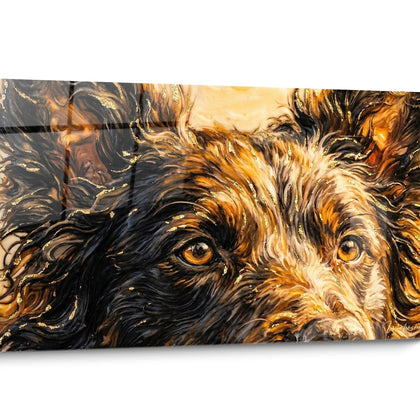 Mudi Dog Portrait Wall Art5
artworks
Mudi Dog Portrait Wall Art5
artworks
-
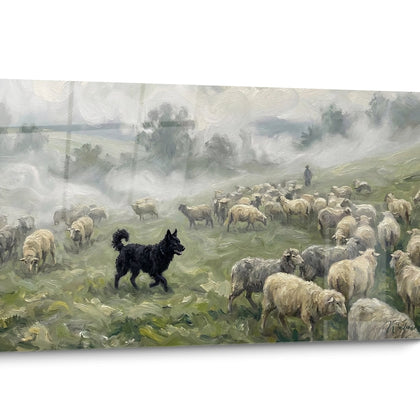 Mudi Shepherd Dog Wall Art5
artworks
Mudi Shepherd Dog Wall Art5
artworks
-
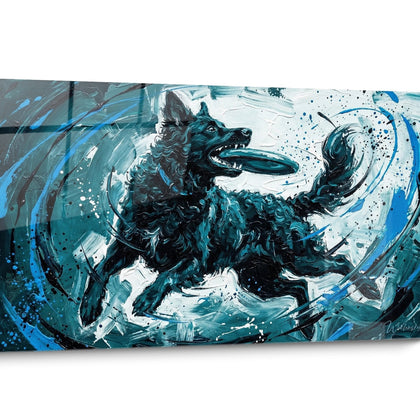 Mudi Dog Watercolor Art Print3
artworks
Mudi Dog Watercolor Art Print3
artworks
-
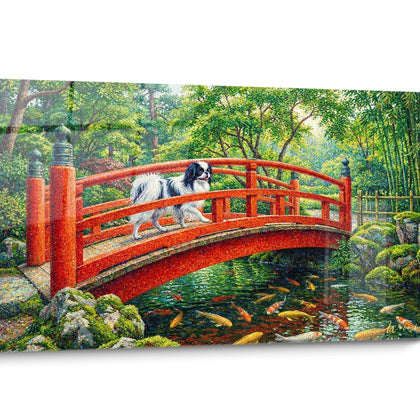 Japanese Spaniel Dog Canvas29
artworks
Japanese Spaniel Dog Canvas29
artworks
-
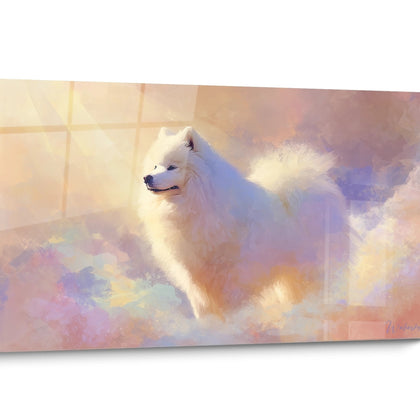 Japanese Spitz Dog Wall Art23
artworks
Japanese Spitz Dog Wall Art23
artworks
-
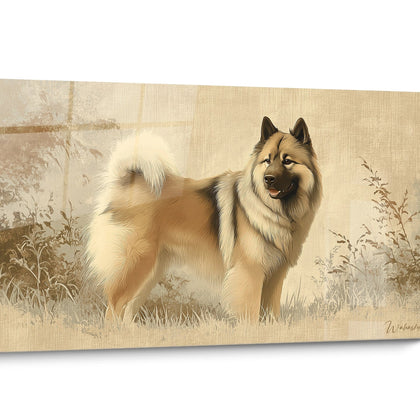 Eurasier Dog Wall Art20
artworks
Eurasier Dog Wall Art20
artworks
-
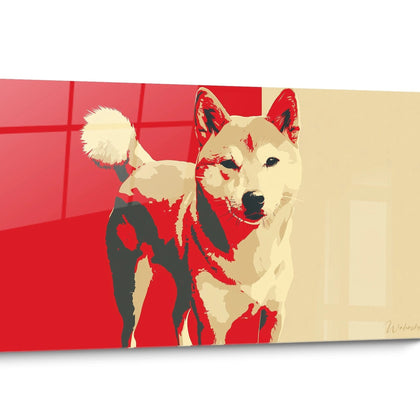 Shiba Inu Dog Wall Art41
artworks
Shiba Inu Dog Wall Art41
artworks
-
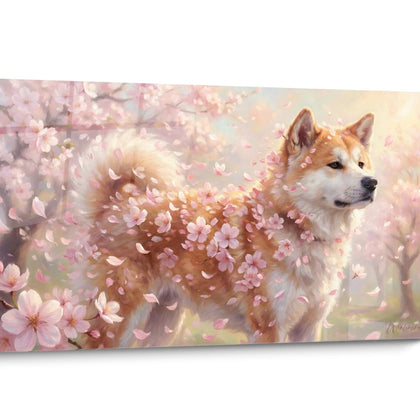 Akita Inu Dog Wall Art36
artworks
Akita Inu Dog Wall Art36
artworks
-
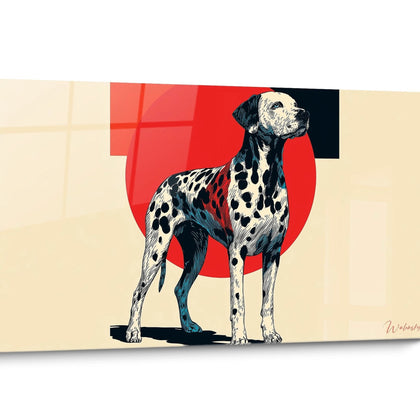 Dalmatian Wall Art30
artworks
Dalmatian Wall Art30
artworks
-
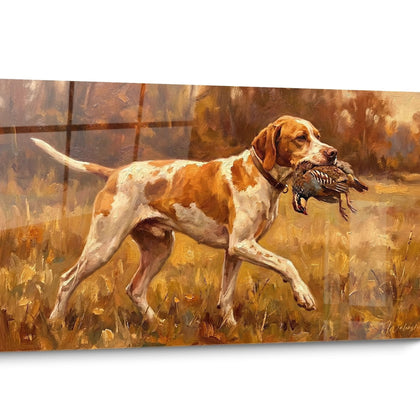 English Pointer Dog Canvas Art37
artworks
English Pointer Dog Canvas Art37
artworks
-
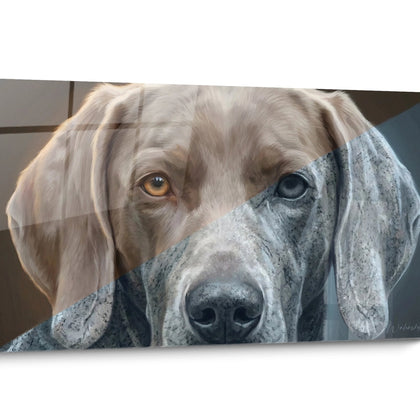 Weimaraner Dog Painting30
artworks
Weimaraner Dog Painting30
artworks
-
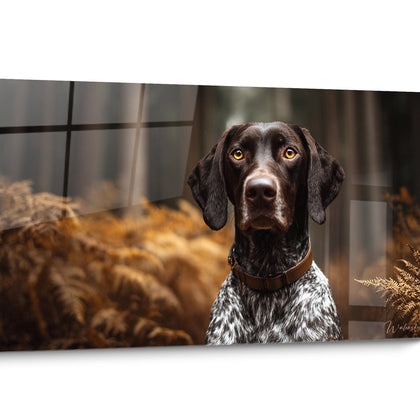 German Shorthaired Pointer Dog Painting26
artworks
German Shorthaired Pointer Dog Painting26
artworks
-
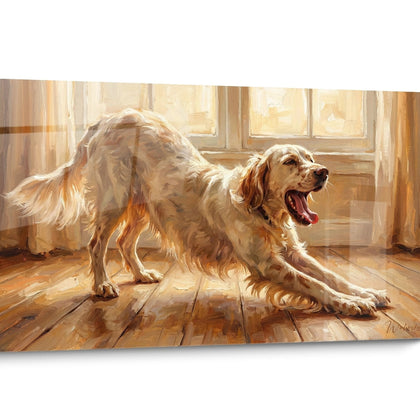 English Setter Dog Art34
artworks
English Setter Dog Art34
artworks
-
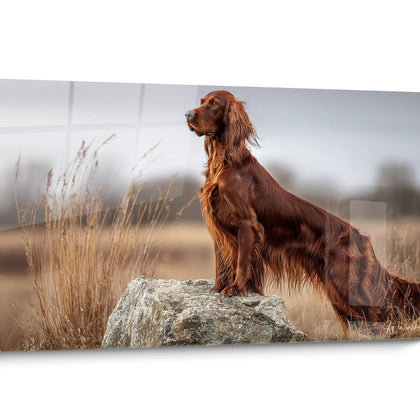 Irish Setter Dog Painting36
artworks
Irish Setter Dog Painting36
artworks
-
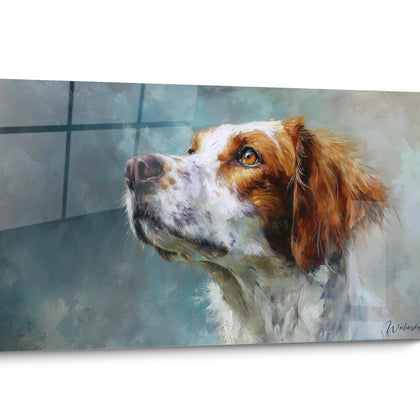 Brittany Spaniel Dog Painting35
artworks
Brittany Spaniel Dog Painting35
artworks
-
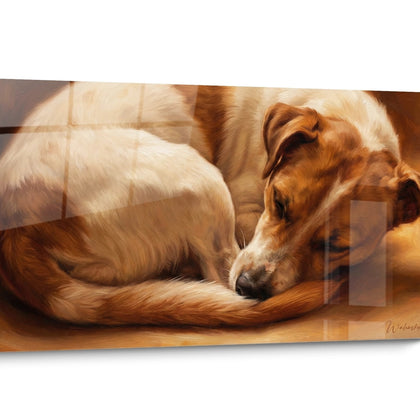 Jack Russell Terrier Dog Wall Art35
artworks
Jack Russell Terrier Dog Wall Art35
artworks
-
 Pug Wall Art23
artworks
Pug Wall Art23
artworks
-
 Maltese Bichon Dog Canvas40
artworks
Maltese Bichon Dog Canvas40
artworks
-
 Bichon Frise Dog Wall Art26
artworks
Bichon Frise Dog Wall Art26
artworks
-
 Shih Tzu Dog Wall Art28
artworks
Shih Tzu Dog Wall Art28
artworks
-
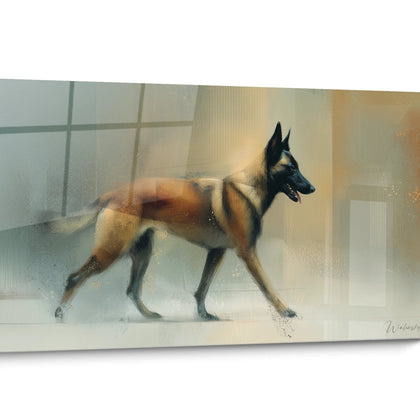 Belgian Malinois Dog Canvas36
artworks
Belgian Malinois Dog Canvas36
artworks
-
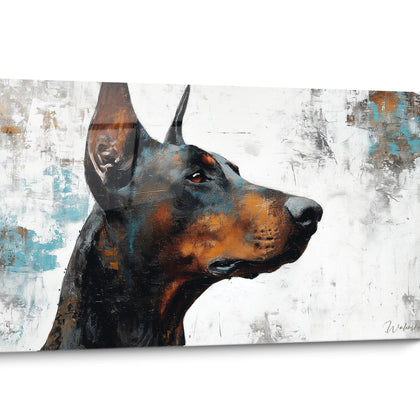 Doberman Dog Wall Art32
artworks
Doberman Dog Wall Art32
artworks
-
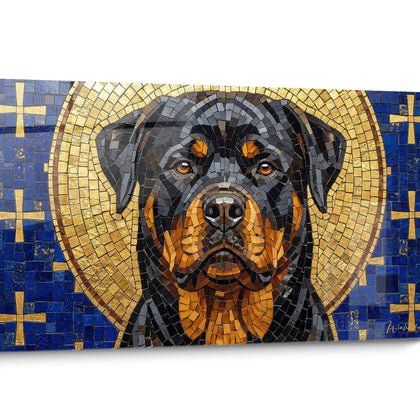 Rottweiler Dog Wall Art32
artworks
Rottweiler Dog Wall Art32
artworks
-
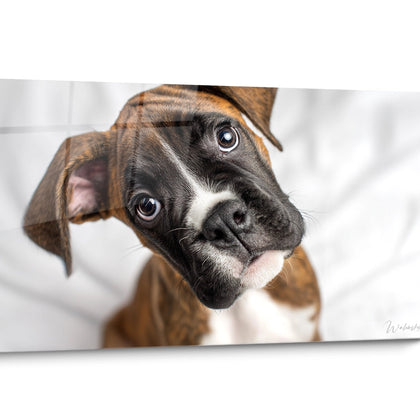 Boxer Dog Wall Art27
artworks
Boxer Dog Wall Art27
artworks
-
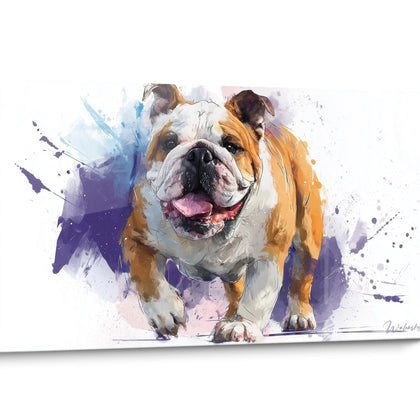 English Bulldog Wall Art32
artworks
English Bulldog Wall Art32
artworks
-
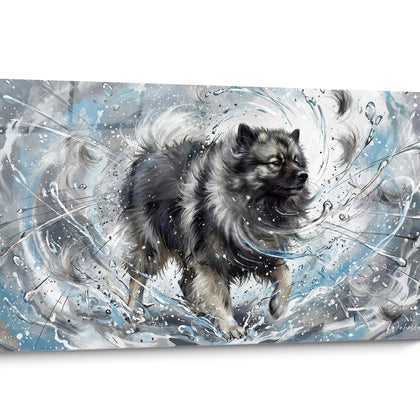 Keeshond Dog Wall Art32
artworks
Keeshond Dog Wall Art32
artworks
-
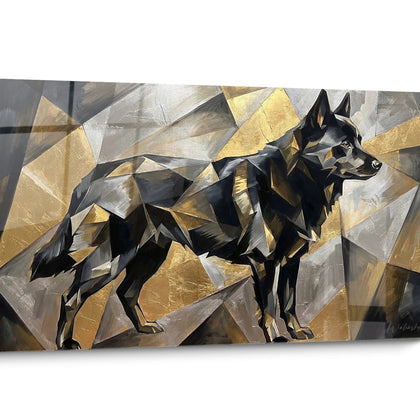 Schipperke Dog Wall Art32
artworks
Schipperke Dog Wall Art32
artworks
-
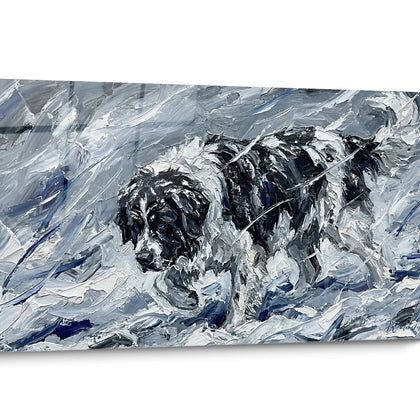 Landseer Dog Canvas33
artworks
Landseer Dog Canvas33
artworks
-
 Chihuahua Dog Wall Art25
artworks
Chihuahua Dog Wall Art25
artworks
-
 Beagle Dog Wall Art27
artworks
Beagle Dog Wall Art27
artworks
-
 Cavalier King Charles Dog Canvas28
artworks
Cavalier King Charles Dog Canvas28
artworks
-
 Border Collie Dog Canvas21
artworks
Border Collie Dog Canvas21
artworks
-
 German Shepherd Wall Art35
artworks
German Shepherd Wall Art35
artworks
-
 French Bulldog Wall Art32
artworks
French Bulldog Wall Art32
artworks
-
 Golden Retriever Dog Painting31
artworks
Golden Retriever Dog Painting31
artworks
-
 Australian Shepherd Wall Art35
artworks
Australian Shepherd Wall Art35
artworks
-
 English Cocker Spaniel Dog Canvas32
artworks
English Cocker Spaniel Dog Canvas32
artworks
-
 Poodle Canvas53
artworks
Poodle Canvas53
artworks
-
 Pomeranian Spitz Dog Canvas Art33
artworks
Pomeranian Spitz Dog Canvas Art33
artworks
-
 Siberian Husky Dog Wall Art36
artworks
Siberian Husky Dog Wall Art36
artworks
-
 Staffordshire Bull Terrier Dog Wall Art33
artworks
Staffordshire Bull Terrier Dog Wall Art33
artworks
-
 Yorkshire Terrier Dog Wall Art31
artworks
Yorkshire Terrier Dog Wall Art31
artworks
-
 Dachshund Wall Art24
artworks
Dachshund Wall Art24
artworks
-
 Labrador Retriever Wall Art25
artworks
Labrador Retriever Wall Art25
artworks
-
 Chow Chow Dog Wall Art25
artworks
Chow Chow Dog Wall Art25
artworks
-
 Samoyed Dog Wall Art37
artworks
Samoyed Dog Wall Art37
artworks


All about Mudi Dog Wall Art
- Overview Mudi Painting
- Mudi Character in Home Decor
- Celebrating the Hungarian Breed
- Visual Impact in Large Formats
Discover our exclusive collection of Mudi paintings, celebrating this little-known Hungarian breed with exceptional abilities. These large-format wall representations transform your interior by honoring the intelligence and natural elegance of the Mudi, this Hungarian shepherd with characteristic erect ears and remarkable versatility. Each creation highlights the vivacity of expression and dynamic posture that distinguish this traditional working breed from Central Europe.
The Singularity of Mudi in Canine Decorative Art
The Mudi painting stands apart radically from conventional canine representations through its rare and underappreciated subject. This Hungarian breed, classified among medium-sized herding dogs, offers a refreshing alternative to compositions featuring widespread commercial breeds. The historical authenticity of the Mudi, developed in Hungarian plains since the 19th century, brings cultural depth absent from standardized canine representations.
Why choose a painting featuring a Mudi over another breed?
Acquiring a Mudi painting reflects a desire for decorative uniqueness and affirmation of profound canine knowledge. Mudi owners, a restricted community in France with fewer than 200 annual births, seek faithful representations of their companions with distinctive proportions. The characteristic wavy coat and color nuances ranging from black to merle fawn create complex visual compositions impossible to reproduce with other breeds. Our dog painting collection emphasizes these morphological specificities unique to the Hungarian Mudi.
The unique facial expression of the Hungarian shepherd in wall format
Large wall formats reveal the intensity of the Mudi's penetrating gaze, a typical expression of herd-driving breeds developed for visual communication over distance. The perfectly erect triangular ears, a major distinctive element, structure vertical composition and bring natural geometric balance to narrow wall spaces. The fine yet visible musculature beneath the medium coat generates subtle shadow play particularly valued in dimensions exceeding 120 cm, where every anatomical detail becomes decorative element. The texture variations between shorter hair on the head and the body's undulation create visual depth nonexistent in breeds with uniform coats.
Adaptation to interiors of traditional working breed enthusiasts
Collectors of traditional working dog representations favor the Mudi painting for its preserved functional authenticity. Unlike breeds modified by aesthetic selection, the Mudi maintains natural athletic proportions harmonizing beautifully with spaces celebrating Scandinavian simplicity or Japanese minimalism. Dominant natural tones – black, brown, gray – facilitate insertion into neutral color palettes without creating visual rupture. The characteristic alert posture, never static, infuses dynamism and vitality into residential or professional spaces celebrating controlled energy.
Valorization of Magyar Canine Heritage
Acquiring a Mudi painting constitutes an act of cultural preservation toward an emblematic Hungarian breed threatened by marginalization. Officially recognized by the FCI only in 1966, the Mudi remains confidential outside Magyar borders despite exceptional abilities in herding, tracking and canine sports. Large-format wall representations raise awareness of European canine diversity often eclipsed by Anglo-Saxon and Germanic breed dominance in collective imagination.
How does a Mudi painting reflect Hungarian identity?
The Mudi embodies Hungarian rural ingenuity, a breed created through natural selection rather than intensive genetic manipulation. This pragmatic origin transpires in authentic representations valuing functional robustness over superfluous ornamentation. Backgrounds integrating Hungarian landscape references – puszta, traditional architecture, characteristic vegetation – contextualize the subject historically and enrich visual narrative. Regional canine art collectors specifically seek these cultural evocations absent from generic international herding breed representations.
Morphological differentiation in large formats
Dimensions exceeding 100 cm reveal anatomical particularities distinguishing the Mudi from related breeds like the Pumi or Puli. The proportionally longer muzzle creates horizontal guiding lines balancing visually wide wall spaces. The characteristic angulation of rear limbs, optimized for rapid directional changes, generates dynamic composition even in static position. The moderately long tail, often carried in sickle fashion, adds curved element contrasting with the body's dominant straight lines, creating productive visual tension in minimalist compositions.
Positioning in spaces dedicated to canine passions
Breeders and canine sport competitors favor the Mudi painting in professional spaces to signal their expertise in rare working breeds. Wall display in dog training centers, specialized veterinary clinics or breeding facilities positions the establishment as knowledgeable in worldwide canine diversity. Imposing dimensions – 150x100 cm formats or larger – transform representation into architectural element structuring space and affirming the venue's thematic identity. Subject rarity systematically stimulates conversations and demonstrates canine culture surpassing public knowledge.
Visual Power of Monumental Mudi Formats
Large-size Mudi paintings fully exploit the expressive potential of this breed with exceptionally communicative gaze. Formats exceeding 120 cm in width enable immersion in morphological details – wavy coat texture, subtle eye nuances, whisker finesse – invisible in reduced dimensions. This monumental scale transforms decorative representation into quasi-physical presence, particularly effective in spacious residential areas or high-traffic professional environments.
Which spaces benefit most from a large-format Mudi painting?
Open contemporary living spaces with ceiling heights exceeding 2.80 m optimally value vertical compositions showcasing the Mudi in alert posture. Professional offices of animal specialists – behavioral veterinarians, specialized dog trainers, canine judges – use these imposing formats as credibility tools for expertise. Commercial spaces linked to the canine universe – high-end pet stores, specialized grooming salons – create coherent thematic ambiance by valuing underappreciated herding breeds rather than perennial Golden Retrievers or German Shepherds.
Visual dynamism inherent to Mudi morphology
The Mudi's light yet muscular silhouette naturally generates unbalanced compositions creating perceived movement even in static representations. The characteristic head inclination during attentive listening phase, typical behavior of mentally working breeds, introduces energizing diagonals into composition. Coat density variations – thicker at collar and breeches – create concentration zones naturally guiding sight according to defined paths. This intrinsic compositional richness justifies investment in larger formats where each anatomical element becomes active component of overall visual balance.
Chromatic valorization of rare coat colors
Mudi merle coats, particularly sought-after, offer complex chromatic possibilities unexploitable in small formats. Irregular gray-blue mottling on black background creates optical textures recalling pointillist techniques, effect fully perceivable only beyond 100 cm. The fawn coat, less frequent, brings warm tonalities contrasting with contemporary Scandinavian interior cool dominants. Deep black with limited tan markings generates dramatic contrast particularly effective against minimalist light backgrounds. This natural chromatic diversity enables decorative personalization without resorting to artistic manipulations distorting breed morphological authenticity.
Is a Mudi painting suitable for owners of other herding breeds?
Absolutely, the Mudi painting seduces all herd-driving dog enthusiasts through its preserved functional authenticity. Border Collie, Australian Shepherd or Kelpie owners appreciate discovering this European breed sharing similar abilities but distinctive morphology. Display creates cultural openness toward worldwide canine diversity and stimulates exchanges on behavioral specificities of different working lineages.
What optimal viewing distance for appreciating a large-format Mudi painting?
For 150x100 cm formats, a minimum distance of 2.50 meters enables global composition understanding while preserving textural detail perception. This distance corresponds to standard spacious living room or executive office configurations. Commercial spaces with fluid circulation benefit from greater distances (3-4 meters) where immediate visual impact supersedes detailed examination, a function perfectly fulfilled by the Mudi's recognizable silhouette.
Are Mudi paintings suited to demanding professional environments?
Representations of this Hungarian working breed integrate perfectly into professional contexts valuing competence, reactivity and versatility – qualities embodied by the Mudi. Consulting firms, communication agencies or thematic coworking spaces use these visuals to convey values of agility and discreet efficiency. Subject rarity avoids decorative banalization while remaining immediately identifiable as canine representation, ideal balance for professional environments wishing to humanize space without excessive familiarity.


