

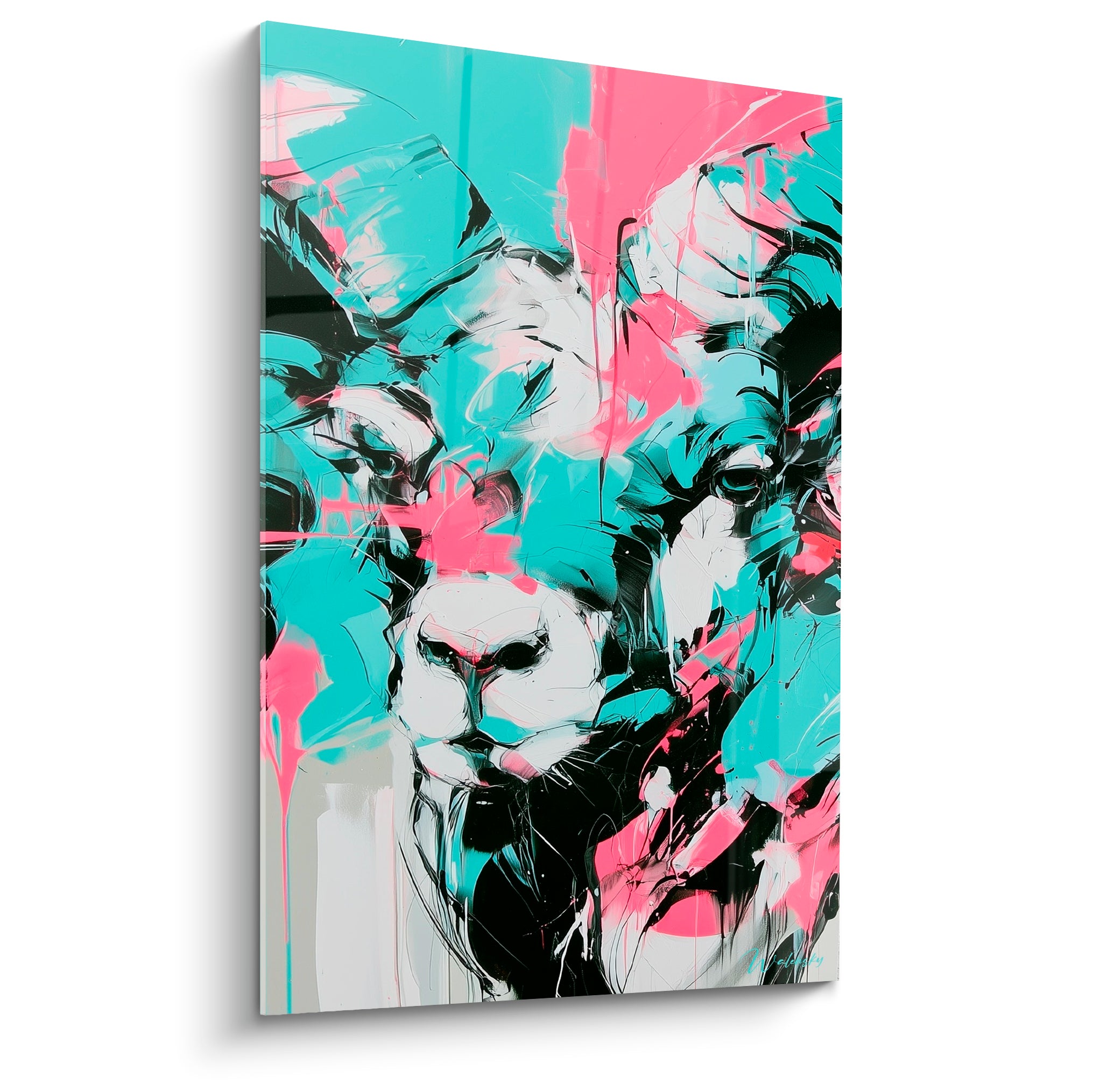
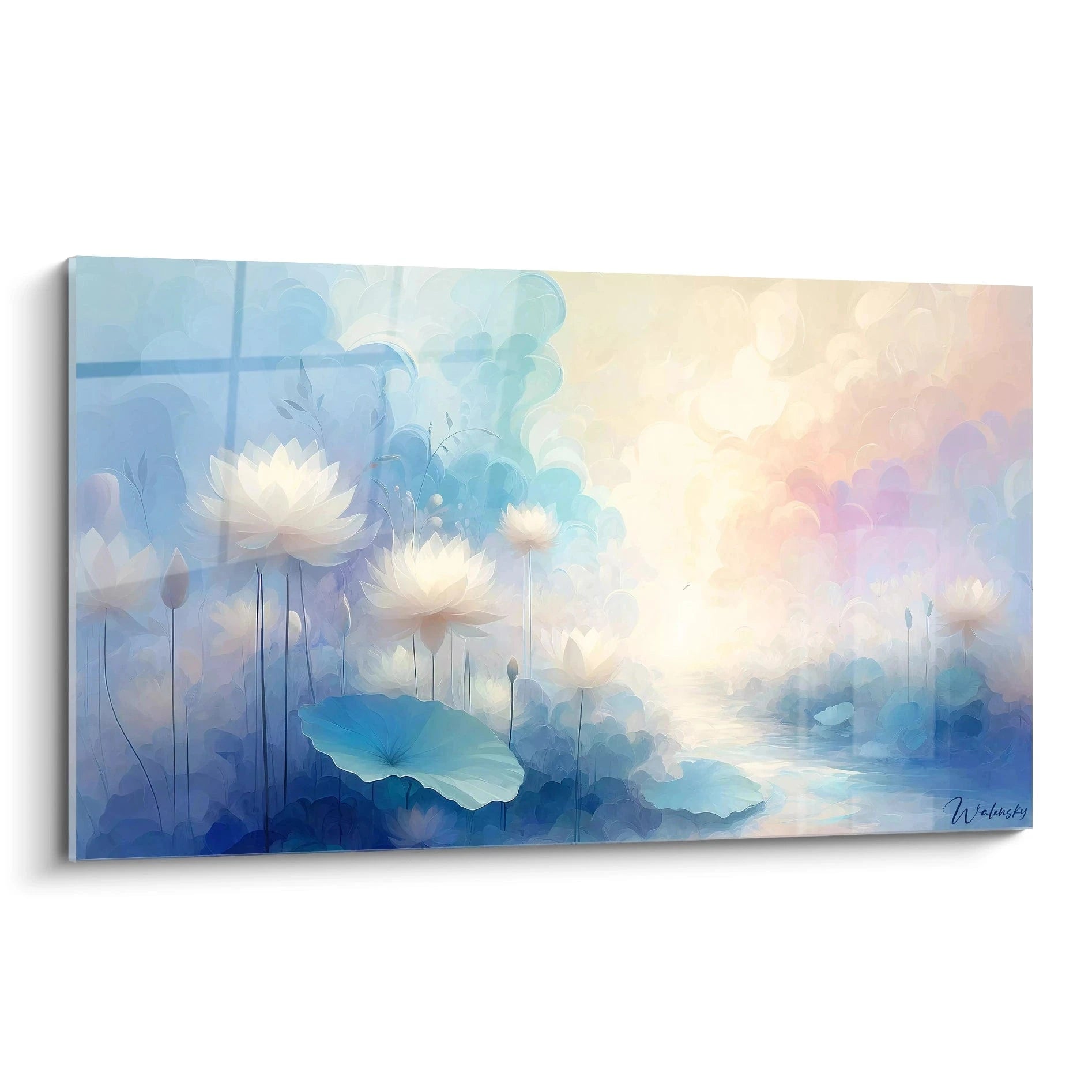
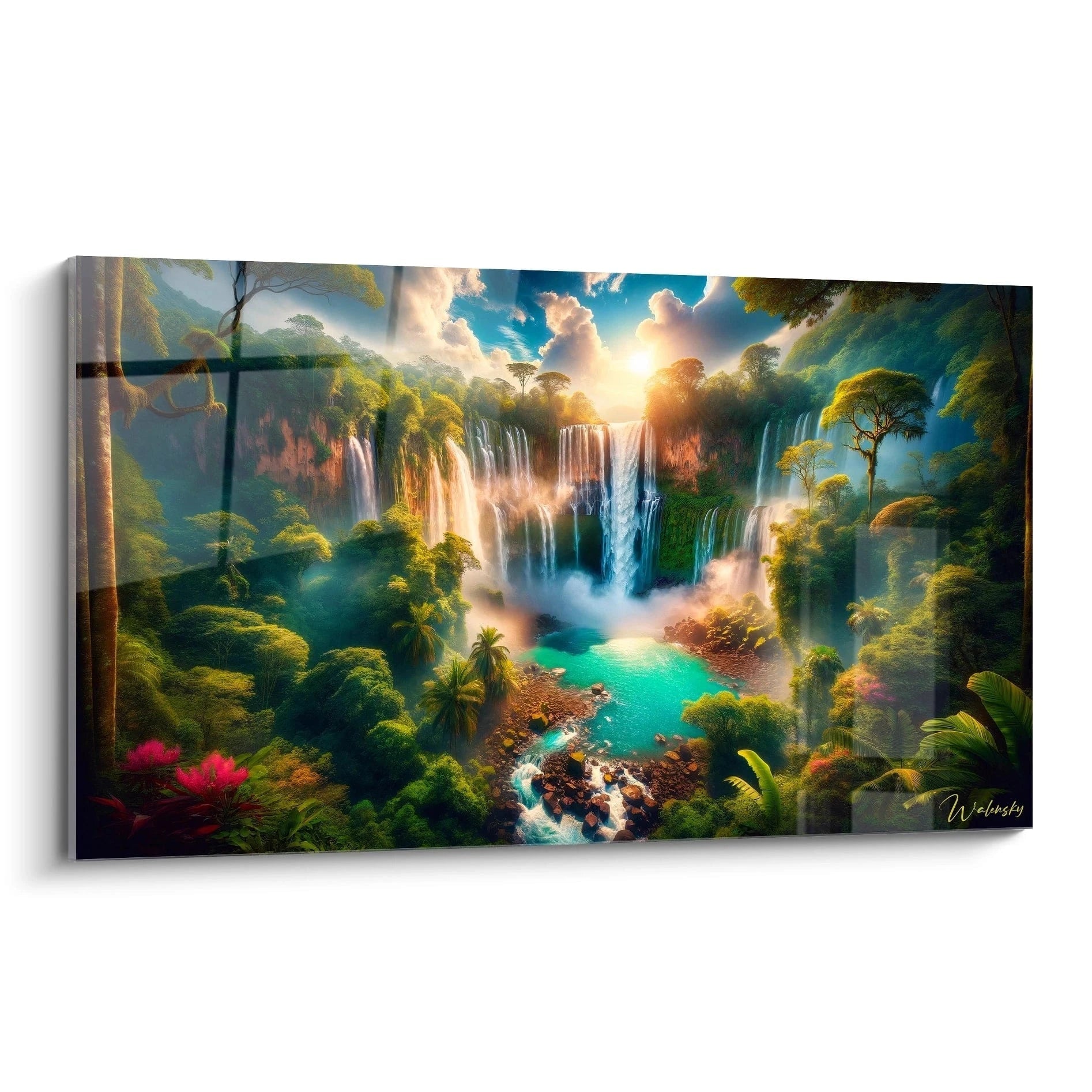
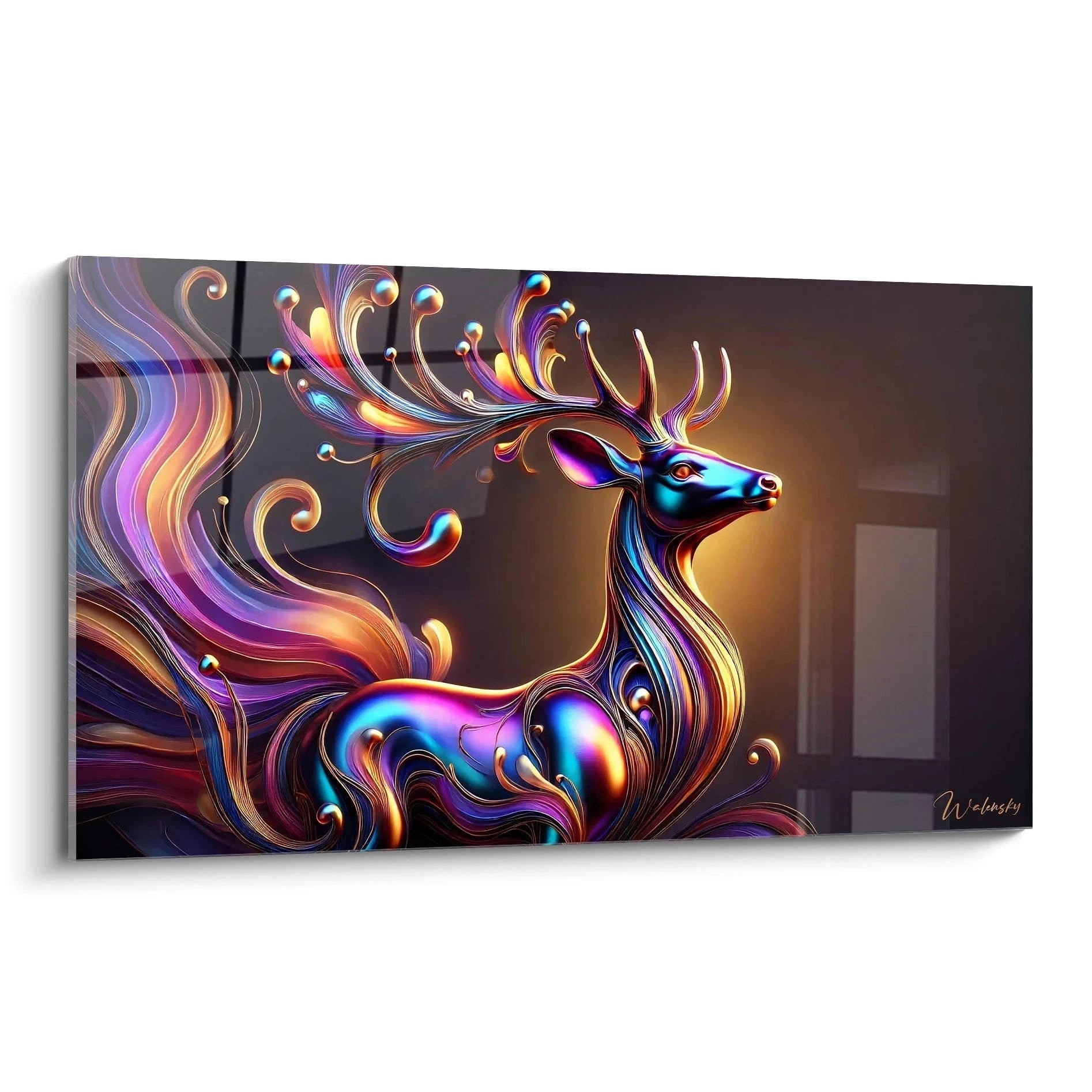


Porcelain Style Floral Wall Art
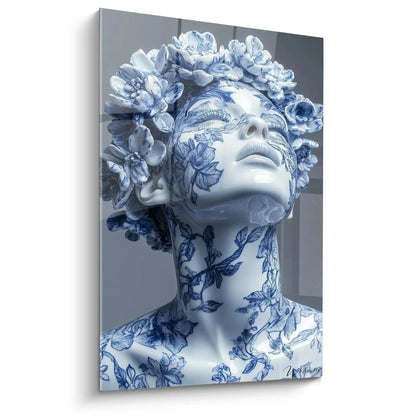
The Porcelain Style Painting Floral enhances your interior with timeless elegance. This collection draws inspiration from the delicate patterns painted on precious porcelains, where each Decorative Floral Composition evokes the finesse of ancestral Asian arts. Soft hues and botanical details create a refined and soothing atmosphere. Perfect for enhancing a classic living room or a romantic bedroom, this Elegant Floral Wall Decor transforms your walls into veritable art galleries.
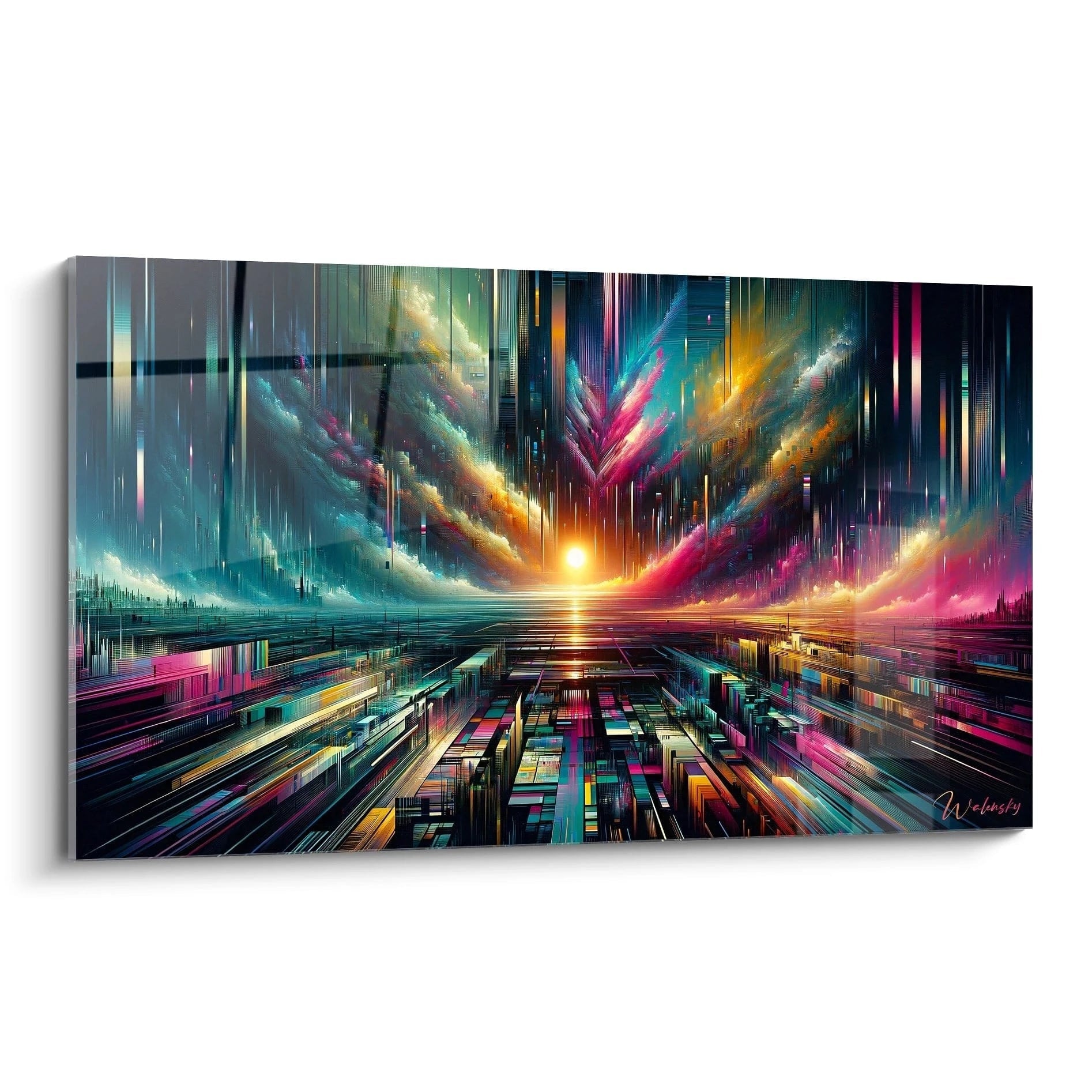
 Chinese Face Artwork - Porcelain Style Edition273,90 €
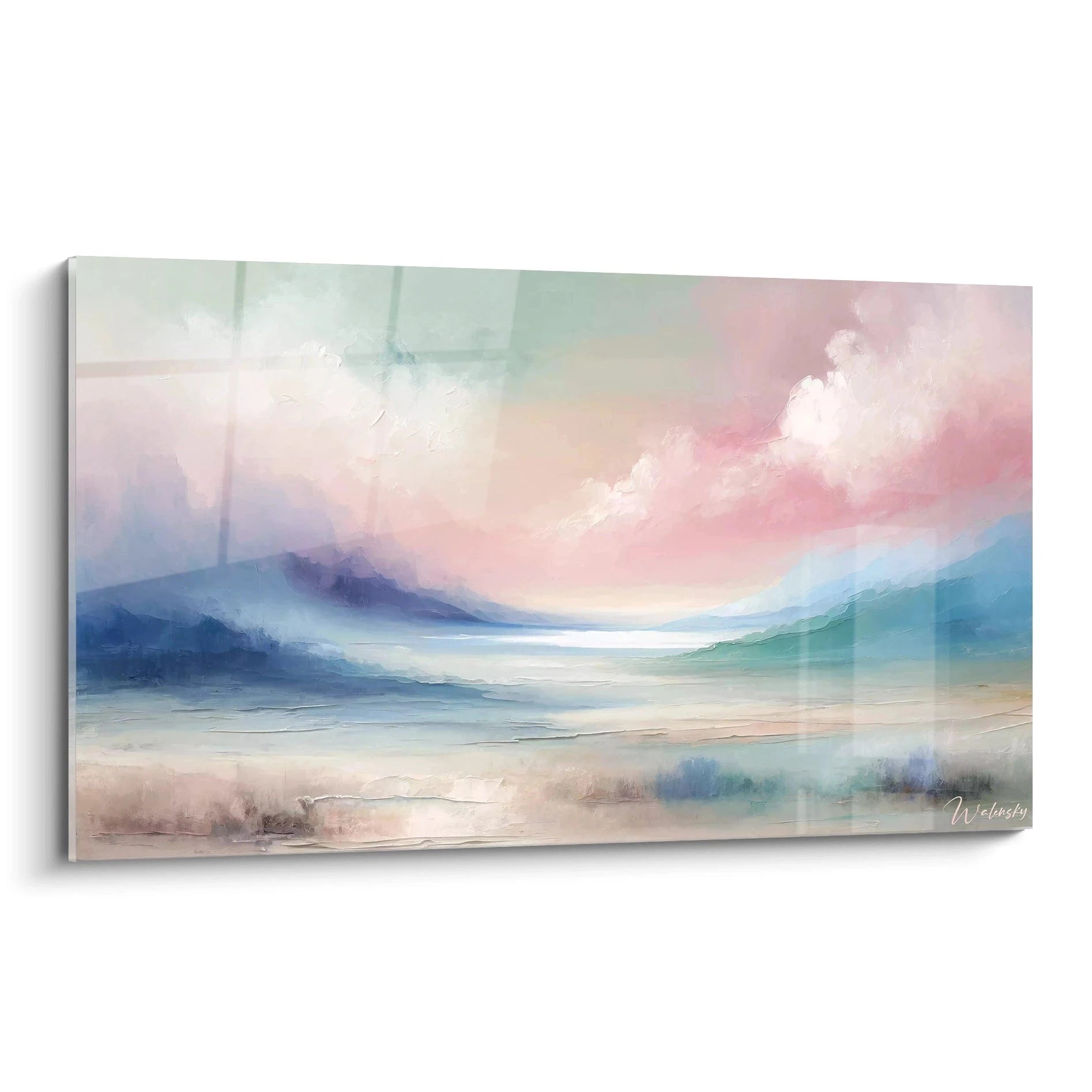
 Silence Enameled Wall Art - Porcelain Style Edition273,90 €
 Ceramic Flower Wall Art - Porcelain Style Edition273,90 €
 Eternal Flower Wall Art - Porcelain Style Edition273,90 €
 Flawed Beauty Wall Art - Porcelain Style Edition273,90 €
 China Rose Painting - Porcelain Style Edition228,90 €
Explore further
In Porcelain Style Floral Wall Art



All about Porcelain Style Floral Wall Art
- Porcelain Floral Wall Art Presentation
- Elevating Floral Ceramic Décor
- Botanical Designs on Fine Earthenware
- Relief Floral Motifs
The porcelain-style floral wall art captures the refined essence of ceramic decorative arts by faithfully reproducing ancestral enamel painting techniques. This XXL mural interpretation transposes the elegance of precious tableware to an architectural scale, offering complete immersion in the world of European and Eastern manufactures. Each floral composition evokes gardens immortalized by master ceramicists, with their delicate peonies, opulent chrysanthemums, and poetic cherry blossom branches that structure the wall space like an open window onto an imaginary botanical conservatory.
The Art of Elevating Floral Décors Inspired by Fine Ceramics
The porcelain-style floral wall art reinterprets the aesthetic codes of historical manufactures by adapting their characteristic color palettes to monumental formats. Deep cobalt blues, tender powdered pinks, and subtle celadon greens structure these botanical compositions with the same delicacy as collection plates. This scale transposition radically transforms the perception of traditional botanical motifs historically reserved for tableware, creating spectacular focal points in demanding contemporary interiors.
Why do porcelain floral motifs captivate so much in wall decoration?
The attraction to these botanical representations stems from their ability to combine aristocratic sophistication with natural gentleness. Floral compositions inherited from Sèvres, Meissen, or Limoges workshops convey rich cultural imagination, evoking both botanical curiosity cabinets and grand salons. In large-scale mural versions, these floral arrangements create a precious atmosphere without ostentation, ideal for reception spaces requiring discreet yet assertive elegance.
Harmonizing ceramic pictorial techniques with contemporary environments
Integrating an XXL porcelain floral wall art requires understanding material contrasts. These representations work beautifully against textured Venetian plaster or lime-washed walls, creating dialogue between simulated enameled refinement and architectural roughness. In minimalist Scandinavian interiors, their presence brings the ornamental richness needed without compromising overall simplicity. For enthusiasts wishing to explore further the world of representations inspired by Oriental ceramics, floral motifs constitute a perfect transition toward more complex compositions.
Emblematic botanical associations from precious services
Certain floral combinations hold particular significance in ceramic history. Ancient rose garlands evoke Vincennes productions, while asymmetrical arrangements of flowering branches reference 19th-century Japonesque influences. A porcelain floral wall art featuring stylized tulips references Delft productions, creating cultural narrative for heritage spaces. These iconographic choices anchor decoration in specific artistic traditions while benefiting from timeless aesthetics.
Botanical Décors on Enameled Background: Compositions and Color Schemes
How to choose the color palette of a porcelain floral wall art?
Tonal selection determines the overall ambiance of the space. Porcelain-style floral wall art in intense blue monochrome creates a meditative atmosphere, particularly suited for private libraries or offices requiring concentration and serenity. Polychrome versions with gilding evoke the splendor of imperial manufactures, ideal for enlivening formal dining rooms. Monochrome grisaille variations bring subtle sophistication to master bedrooms, where visual calm takes priority over decorative stimulation.
Treatment of backgrounds in the ceramic mural tradition
The background plays a structuring role in these floral compositions. Crackled ivory backgrounds reproduce the appearance of historic glazes patinated by time, conferring historical authenticity to contemporary interpretations. Pure milky white backgrounds enhance botanical details through maximum contrast, a technique favored for naturally sunlit spaces. Colored backgrounds—empire green, midnight blue, or deep burgundy—create more dramatic atmospheres, transforming the wall art into a true mural jewel for interiors with assertive character.
Scales and proportions of represented botanical elements
The transposition to mural format allows freedoms impossible on tableware. Some creations opt for meticulous botanical realism with life-scale flowers, creating the illusion of framed nature. Others adopt monumental proportions, transforming a single peony into an architectural element in itself. All-over compositions, where floral motifs saturate the entire surface without central hierarchy, evoke historic panoramic wallpapers while preserving the preciousness characteristic of ceramic arts.
Integration into architectural transition spaces
These monumental floral works excel in often-neglected intermediate zones. A spacious hallway welcoming an XXL porcelain floral wall art transforms into a private gallery, enhancing these circulation spaces. Stairwell landings particularly benefit from these vertical compositions that naturally accompany ascent. Sunrooms and winter gardens find in these botanical representations a sophisticated echo to their vegetative vocation, creating thematic continuity between architecture and decoration.
Relief Floral Motifs and Enameled Finishes for Monumental Formats
Simulating three-dimensional ceramic décor techniques
Premium versions of porcelain-style floral wall art reproduce the three-dimensional effects characteristic of collection pieces. Printing techniques with selective varnish create glossy zones imitating vitrified enamel, contrasting with matte backgrounds evoking porcelain bisque. These texture variations capture and reflect light differently depending on viewing angle, generating visual dynamics similar to genuine precious ceramics. This technical sophistication justifies their positioning in prestigious spaces requiring exceptional works.
Which interior style best showcases a large-format porcelain floral wall art?
These floral creations thrive particularly in reinterpreted neoclassical interiors, where streamlined contemporary furniture dialogues with historical references. Restored Haussmannian apartments with minimalist approach find in these works the decorative element reconnecting the space to its heritage without pastiche. Industrial lofts benefit from the striking contrast between architectural rawness and ceramic refinement. Even austere Scandinavian interiors gain emotional depth through these sophisticated floral touches that humanize Nordic simplicity.
Color intensity preservation over time
Unlike genuine ceramics sensitive to thermal and mechanical shocks, these XXL mural interpretations maintain their chromatic brilliance without museum conservation constraints. Stabilized pigments resist light variations in residential spaces, avoiding progressive fading affecting certain reproductions. This aesthetic permanence allows positioning in exposed areas—facing glass doors or in south-facing rooms—without special precautions, thus liberating spatial arrangement possibilities.
Creating coherent decorative ensembles
Discerning collectors compose floral triptychs by associating multiple porcelain floral wall art pieces of complementary formats. This mural approach evokes complete tableware services with their coordinated pieces, transposing tablecraft logic toward vertical decoration. Seasonal variations—spring, summer, autumn compositions—allow decorative rotations rhythming the year. Certain thematic interiors decline this ceramic passion by associating genuine collection pieces in display cabinets and monumental mural interpretations, creating total immersion in this refined aesthetic world.
Is porcelain-style floral wall art suitable for high-end contemporary kitchens?
Absolutely, these floral representations establish a poetic connection with the space's culinary function while bringing rare visual sophistication to modern kitchens. Positioned on the main wall facing the central island, they transform the kitchen into a true reception room where the art of entertaining dialogues with culinary art. Their reference to precious tableware symbolically reinforces the gastronomic dimension of the space.
Can one integrate porcelain floral wall art into a refined child's bedroom?
Versions in soft tonalities—pale pinks, lavender blues, tender greens—work perfectly for children's rooms seeking alternatives to infantilizing décors. These timeless floral compositions accompany the child's evolution without requiring redecoration in adolescence. They introduce early aesthetic sensitivity while maintaining the softness appropriate to rest spaces for younger occupants.
Do porcelain-style floral wall art works function in prestigious professional spaces?
These floral creations excel in law offices, notarial practices, specialized medical practices, and corporate headquarters seeking an image both professional and welcoming. Their cultivated cultural reference reassures demanding clientele while humanizing potentially cold spaces. In boutique hotel atriums or gastronomic restaurants, they immediately establish an aesthetic requirement level consistent with the establishment's premium positioning.


