


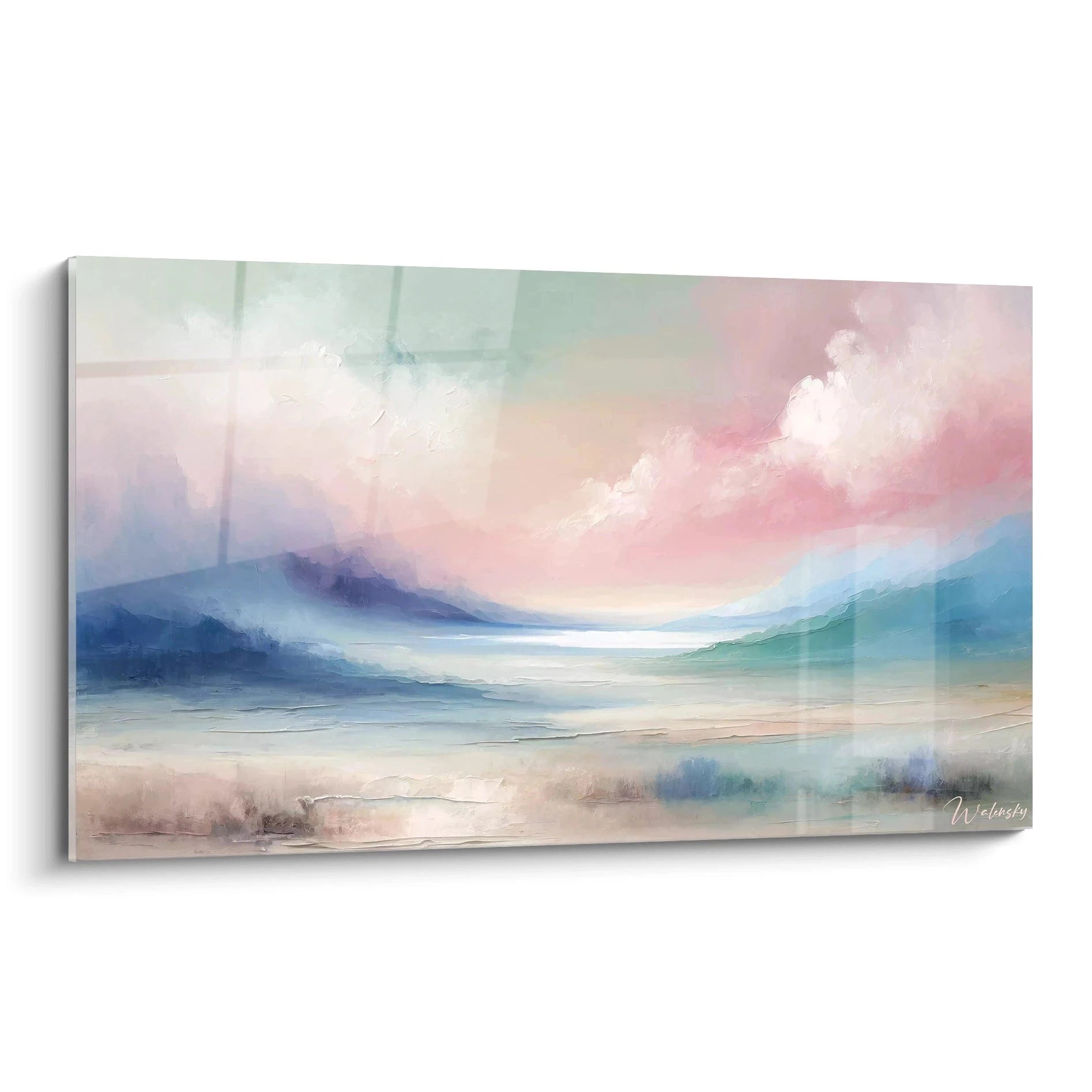


Minimalist Medical Office Wall Art
Our Painting for Medical Office Minimalist collection transforms your care spaces into havens of tranquility. Each refined artwork has been designed to create a soothing atmosphere in the waiting room and promote patient well-being. These creations with soft lines and neutral tones blend harmoniously into any medical environment. Perfect for professional healthcare wall decoration, they invite serenity while maintaining a contemporary and elegant aesthetic.
 Painting Inspired by Wanderer Above the Sea of Fog by Caspar David Friedrich No.3 – Tribute to Famous Artist273,90 €
 Terracotta Painting No. 6 - Nature Edition273,90 €
 White Rose Painting No.5 - Nature Edition273,90 €
 Narcissus Wall Art No. 4 - Nature Edition273,90 €
 Weeping Willow Painting No. 1 - Nature Edition273,90 €
 Ginkgo Leaf Wall Art No. 3 - Nature Edition273,90 €
 Ginkgo Leaf Wall Art No.1 - Nature Edition273,90 €
 Eucalyptus Wall Art No. 1 - Nature Edition273,90 €
 Arum Painting N°2 - Nature Edition273,90 €
 Arum Painting N°1 - Nature Edition273,90 €
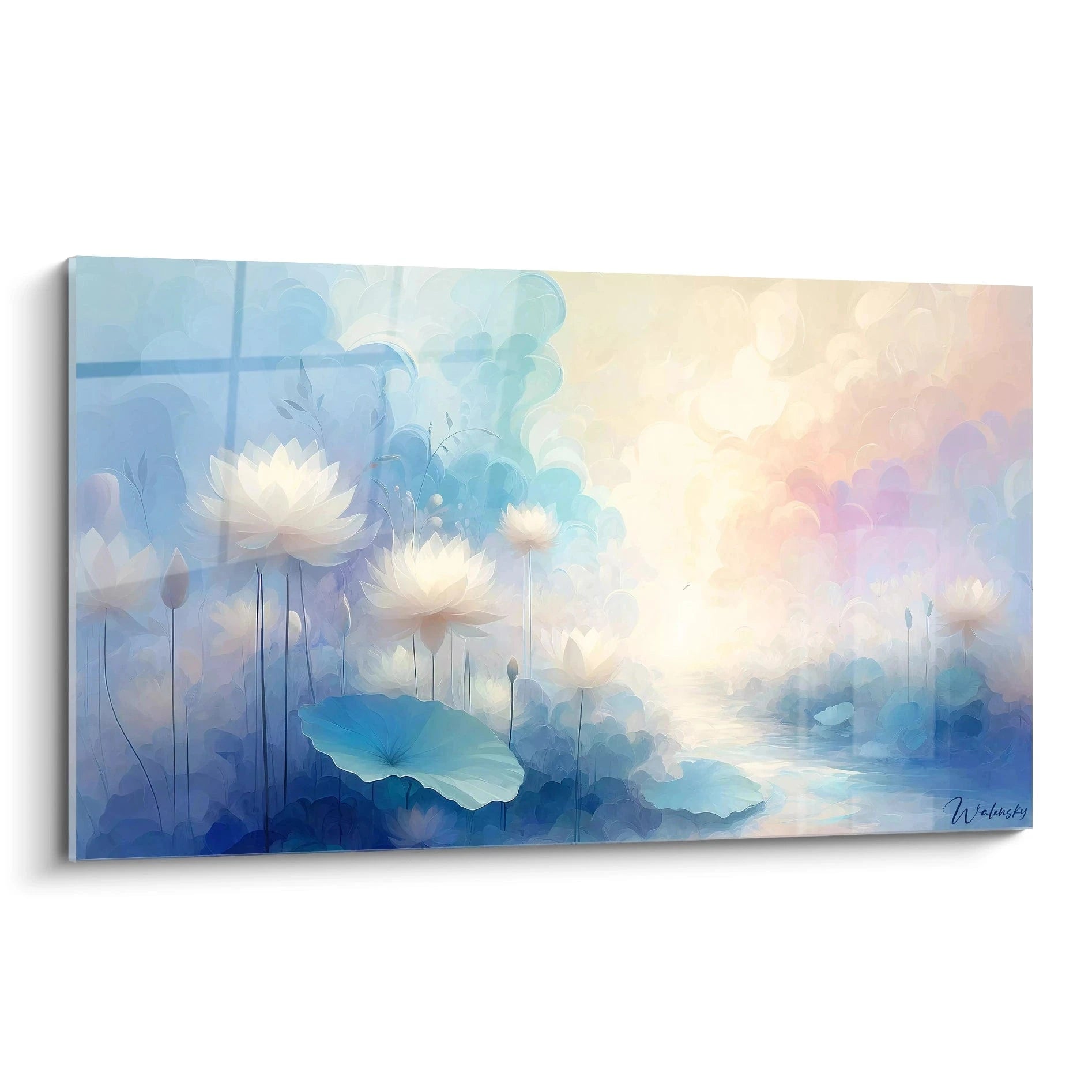
 Sacred Purity Wall Art - Zen Lotus Flower Edition273,90 €
 Ephemeral Stability Wall Art - Zen Feng Shui Edition273,90 €
 The Path of Awakening Wall Art - Diverse Zen Edition273,90 €
 Simplicity Striped Canvas - Zebra Animals Edition273,90 €
 Brilliance of Purity Wall Art - Abstract Flower Edition273,90 €
 Geometric Balance Painting - Abstract Cubism Edition273,90 €
 Traced Botanic Wall Art - Nature Edition273,90 €
 Vertiginous Quietude Wall Art - Zen Edition273,90 €
 Balance Pastel Wall Art - Zen Edition273,90 €
 Minimalist Harmony Wall Art - Zen Edition273,90 €
Explore further
In Minimalist Medical Office Wall Art
-
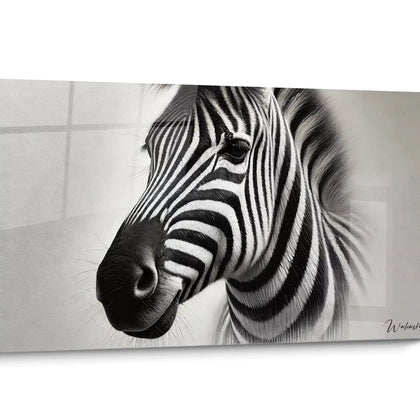 Wall Art for Medical Office100
artworks
Wall Art for Medical Office100
artworks
-
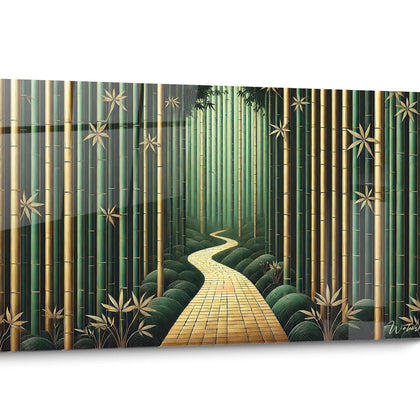 Wall Art for Zen Medical Office24
artworks
Wall Art for Zen Medical Office24
artworks
-
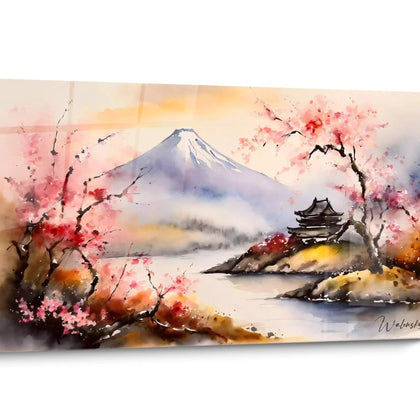 Watercolor Medical Office Wall Art7
artworks
Watercolor Medical Office Wall Art7
artworks
-
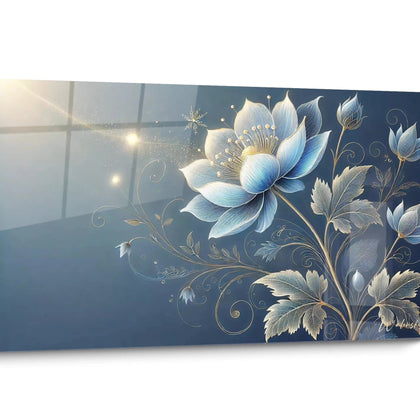 Wall Art for Medical Office Flower24
artworks
Wall Art for Medical Office Flower24
artworks
-
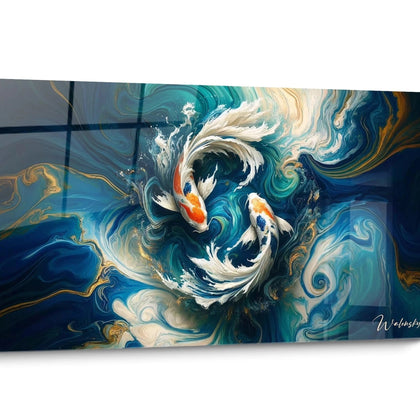 Asian Medical Office Wall Art13
artworks
Asian Medical Office Wall Art13
artworks
-
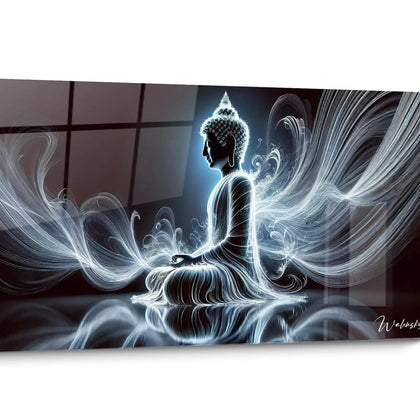 Buddha Wall Art for Medical Office9
artworks
Buddha Wall Art for Medical Office9
artworks
-
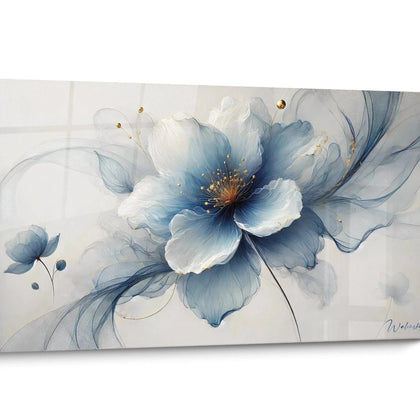 Abstract Medical Office Wall Art17
artworks
Abstract Medical Office Wall Art17
artworks
-
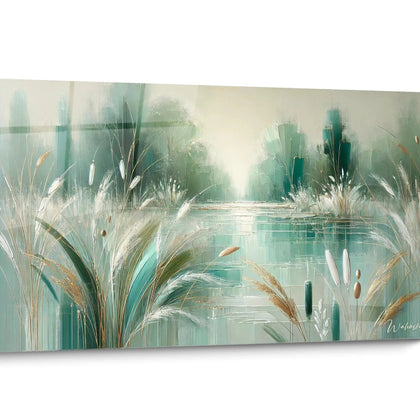 Wall Art for Medical Office Nature24
artworks
Wall Art for Medical Office Nature24
artworks
-
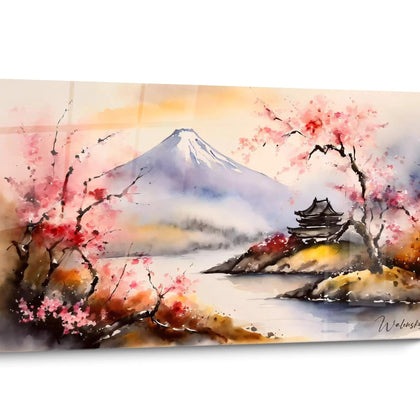 Landscape Wall Art for Medical Office18
artworks
Landscape Wall Art for Medical Office18
artworks
-
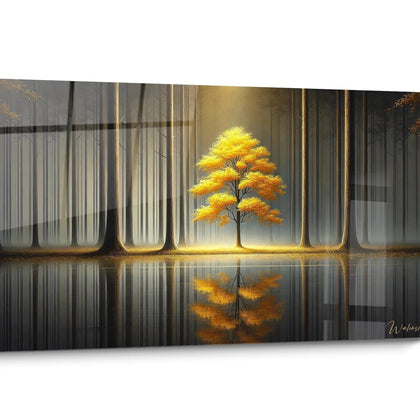 Golden Medical Office Wall Art17
artworks
Golden Medical Office Wall Art17
artworks
All about Minimalist Medical Office Wall Art
- Minimalist Medical Art Presentation
- Visual purity in a medical setting
- Serenity and functionality
- A soothing professional atmosphere
A painting for a minimalist medical office transforms the therapeutic environment into a space of visual tranquility. In care settings where patients' emotional stress reaches its peak, refined art serves as a non-invasive psychological regulation tool. Large-format minimalist compositions installed in waiting rooms and consultation areas neutralize preoperative anxiety and promote a decrease in heart rate before examinations. Unlike overloaded visuals that stimulate brain activity, these understated creations invite passive contemplation, significantly reducing manifestations of anxiety in people awaiting diagnosis. Minimalist aesthetics are now becoming a reference in the design protocols of contemporary healthcare facilities, favoring pure lines and monochrome compositions over traditional figurative works.
The psychological impact of refined compositions in a therapeutic environment
The painting for a minimalist medical office responds to specific neuropsychological requirements in consultation rooms. Clinical studies demonstrate that patients exposed to simplified visual compositions show a 23% decrease in their cortisol levels before medical interventions. This measurable physiological reduction is explained by the absence of complex visual stimuli that would excessively sollicit the prefrontal cortex already mobilized by the medical apprehension.
How does minimalism facilitate doctor-patient communication?
In consultation rooms, minimalist art creates a neutral backdrop that avoids any visual distraction during diagnostic exchanges. Geometric compositions with soft tones allow the patient's gaze to focus on the practitioner without being captured by parasitic artistic details. This visual neutrality improves concentration during complex therapeutic explanations and promotes memorization of post-consultation recommendations.
Color palettes adapted to specific pathologies
Certain medical specialties particularly benefit from targeted minimalist palettes. In cardiology, compositions with cool blue tones slow the respiratory rate of hypertensive patients. In pediatrics, minimalist works with soft organic shapes reduce pre-vaccination crying by 34% according to behavioral observation protocols. Dermatologists prefer compositions with beige and white tones that do not alter their chromatic perception during skin examinations.
Architectural integration in modern medical spaces
A painting for a minimalist medical office naturally harmonizes with contemporary technical equipment. Large-format creations with clean lines visually dialogue with medical imaging devices, diagnostic screens, and ergonomic furniture without creating an aesthetic rupture. This overall visual coherence reinforces the perception of professionalism and modernity sought by practitioners in their brand image. For clinics wishing to explore other visual registers while maintaining a contemporary approach, the abstract painting for a medical office offers sophisticated geometric alternatives.
Minimalist installations also facilitate strict hygiene protocols: their smooth surfaces and frames without ornamentation limit the accumulation of particles and simplify daily disinfection operations mandatory in medical environments.
Optimization of the visual space in care pathways
What formats should be prioritized depending on the areas of the medical office?
The dimensional selection of a painting for a minimalist medical office obeys distinct spatial logics depending on the functional areas. In collective waiting rooms, horizontal panoramic formats of 120 to 180 centimeters create a visual vanishing point that perceptually widens the space. These elongated compositions naturally capture the gaze of seated patients without requiring uncomfortable cervical movement.
In individual examination rooms, compact vertical formats of 80 to 100 centimeters fit between medical equipment without encroaching on mandatory circulation areas. Positioned facing the examination table, they offer a soothing focal point during waiting times before the practitioner's arrival. Distribution corridors benefit from rhythmic sequences of small square formats that visually accompany movement to the various rooms.
Managing natural and artificial light
Minimalist compositions with matte surfaces absorb reflections from medical halogen or LED lighting. This technical property avoids unpleasant glare when patients are lying on examination tables, looking at the ceiling. The muted tones and moderate contrasts of the refined works adapt to variations in daylight intensity without creating disturbing chromatic imbalances.
The influence on the perception of waiting time
A painting for a minimalist medical office subjectively modifies the perceived duration in the waiting room. Contemplative compositions invite meditative observation, which slows down the perception of time, making waiting times psychologically more bearable. Patients exposed to these works report subjective waiting times that are 18% lower than actual measured durations, a phenomenon documented in environmental psychology.
This positive time distortion reduces manifestations of impatience and conflicts with reception staff. Compositions with subtle tonal progressions encourage a slow visual sweep that occupies attention without excessive stimulation, creating a state of semi-meditation particularly beneficial in medical anxiety contexts.
Selection criteria for multi-practitioner establishments
In medical centers grouping several specialties, the choice of versatile minimalist compositions becomes strategic. Works with simple geometries and neutral palettes suit various patient populations without excessive specialization connotations. This aesthetic adaptability avoids frequent rotations and multiple investments, while maintaining a consistent visual identity throughout the care pathway.
Enhancing professional image through minimalist aesthetics
Minimalism as a marker of medical modernity
The installation of a painting for a minimalist medical office immediately communicates a contemporary professional positioning. Patients spontaneously associate the refined aesthetic with scientific rigor, diagnostic precision, and the use of advanced medical technologies. This unconscious psychological correlation reinforces therapeutic confidence from the first moments in the waiting room.
Minimalist compositions also signal a holistic approach to care that integrates psychological well-being into the classic therapeutic protocol. This dimension is particularly valued by educated urban patients seeking practitioners who listen to the emotional dimensions of health. The visual environment thus becomes a differentiating argument in areas with high medical density.
What consistency should be established between decoration and medical specialty?
Each medical specialty can refine its minimalist selection according to its field of intervention. Psychiatrists favor compositions with soft organic shapes that evoke mental fluidity and psychological transformation processes. Orthopedic surgeons opt for structured geometries and straight lines that resonate symbolically with their anatomical reconstruction practice.
Ophthalmologists select works with subtle gradations testing fine visual perception, thus creating a thematic continuity between decoration and area of expertise. This semantic coherence reinforces the perceived professional credibility and enriches the patient experience through complete thematic immersion.
The advantages in terms of lasting aesthetic appeal
Unlike ephemeral decorative trends, minimalist art transcends decades without appearing dated. This timelessness guarantees a durable aesthetic investment that preserves the professional image in the long term. Clinics thus avoid frequent costly decorative renovations, while maintaining a constantly current appearance.
The refined compositions also adapt to future evolutions of medical layouts. When renewing furniture or integrating new diagnostic equipment, minimalist works retain their visual relevance without requiring replacement. This flexibility constitutes a substantial economic asset in the management of medical spaces.
Does a minimalist painting for a medical office suit all generations of patients?
Minimalist compositions present exceptional intergenerational acceptance. Senior patients appreciate their reassuring sobriety which evokes stability and professional seriousness, while younger generations value their contemporary aesthetics and design dimension. This demographic universality eliminates the risk of generational mismatch in the perception of the clinic.
How to maintain these works in a medical environment constrained?
Minimalist creations with smooth surfaces perfectly tolerate strict medical cleaning protocols. A weekly wiping with standard disinfectant solutions is sufficient to maintain their visual integrity. Their simplified compositions without complex reliefs prevent dust accumulation in the interstices, reducing allergic risks and bacterial loads.
Can a painting for a minimalist medical office be personalized according to its graphic charter?
Some creators offer chromatic adaptations to harmonize minimalist works with the clinic's visual identity. Tones can be adjusted to subtly pick up the colors of the existing logo or signage, creating a global coherence without compromising the aesthetic integrity of the work. This subtle personalization reinforces the memorability of the medical brand image.
Further reading
Our articles on this topic
L'art qui suscite l'envie
Maison belge d'art mural grand format
14 jourspour changer d'avis*
Protection Walenskyincluse
Fabriquéen Italie
FormatXXL
Kit de fixationtoujours fourni
* Hors tableaux personnalisés et tailles personnalisées


