









Abstract Medical Office Wall Art
Artwork for medical office Abstract : our collection transforms your medical space into an artistic haven of serenity. These contemporary abstract works combine professional aesthetics with the soothing power of soft shapes and harmonious colors. Perfectly suited for modern medical spaces, each creation evokes calm and well-being. The clean compositions and wall decoration for waiting rooms create a reassuring atmosphere for your patients. Explore this artistic universe designed to humanize your practice.
 Koi Dance Wall Art - Asia Edition273,90 €
 Terracotta Painting No. 6 - Nature Edition273,90 €
 Painting Embraced by the Sea - Beach Landscape Edition273,90 €
 Azure Mist Wall Art - Abstract Seascape Edition273,90 €
 Jade Reflections Wall Art - Abstract Seaside Edition273,90 €
 Petals on Water Canvas - Abstract Flower Edition273,90 €
 Silk Glow Wall Art - Abstract Flower Edition273,90 €
 Porcelain Garden Wall Art - Abstract Flower Edition273,90 €
 Geometric Balance Painting - Abstract Cubism Edition273,90 €
 Softness Vision Wall Art - Abstract Flower Edition273,90 €
 Echoes of the Open Sea - Abstract Boat Painting Edition273,90 €
 Graceful Jellyfish Wall Art - Wild Essence Edition273,90 €
 Fluid Zen Painting - Wild Essence Edition273,90 €
 Balance Wall Art - Zen Edition273,90 €
 Midnight Blue Painting - Abstract Flower Edition273,90 €
 Tree of Dreams Wall Art - Zen Tree of Life Edition273,90 €
 Fluid Peace Painting - Zen Edition273,90 €
Explore further
In Abstract Medical Office Wall Art
-
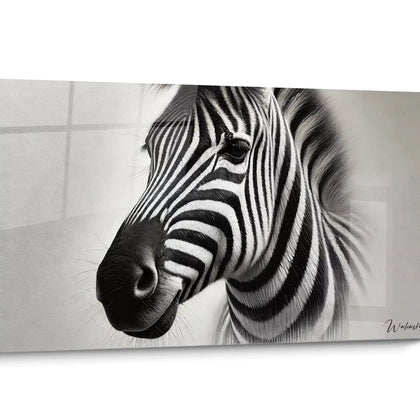 Wall Art for Medical Office100
artworks
Wall Art for Medical Office100
artworks
-
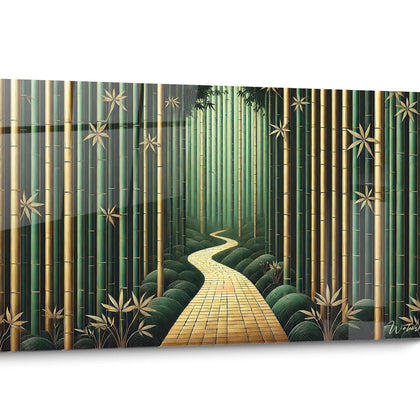 Wall Art for Zen Medical Office24
artworks
Wall Art for Zen Medical Office24
artworks
-
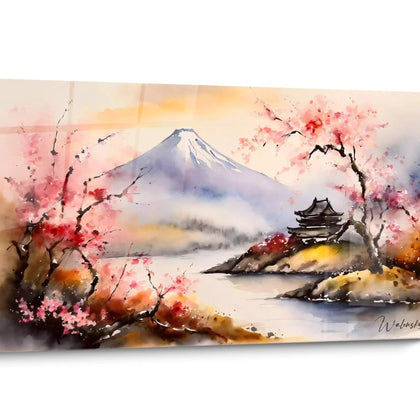 Watercolor Medical Office Wall Art7
artworks
Watercolor Medical Office Wall Art7
artworks
-
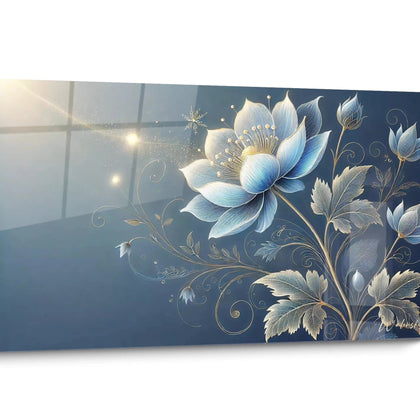 Wall Art for Medical Office Flower24
artworks
Wall Art for Medical Office Flower24
artworks
-
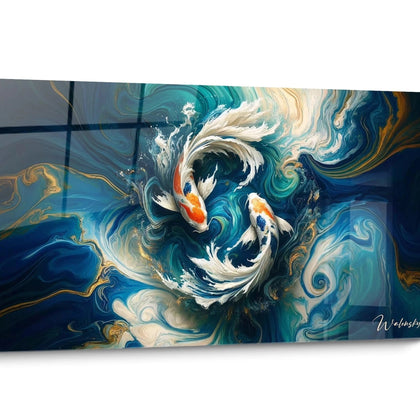 Asian Medical Office Wall Art13
artworks
Asian Medical Office Wall Art13
artworks
-
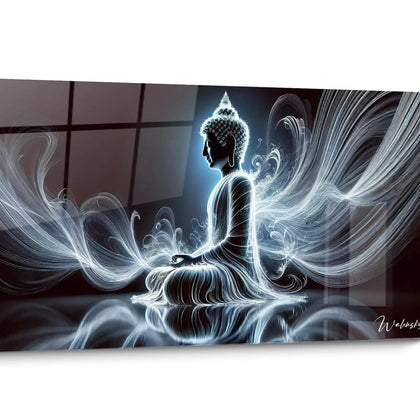 Buddha Wall Art for Medical Office9
artworks
Buddha Wall Art for Medical Office9
artworks
-
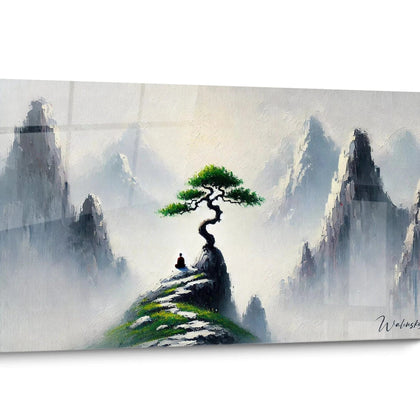 Minimalist Medical Office Wall Art20
artworks
Minimalist Medical Office Wall Art20
artworks
-
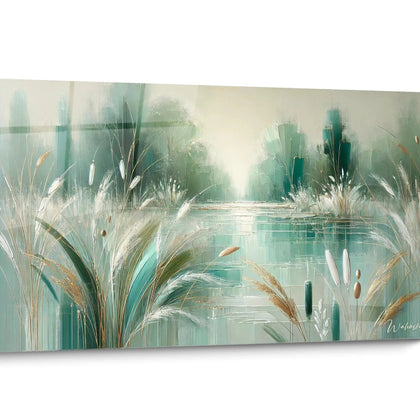 Wall Art for Medical Office Nature24
artworks
Wall Art for Medical Office Nature24
artworks
-
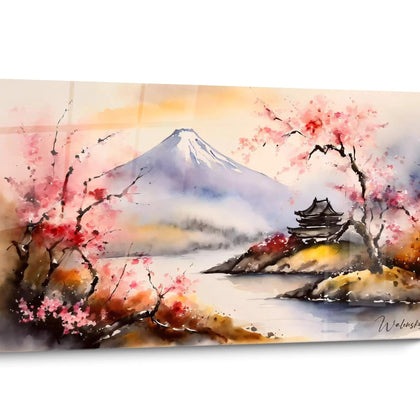 Landscape Wall Art for Medical Office18
artworks
Landscape Wall Art for Medical Office18
artworks
-
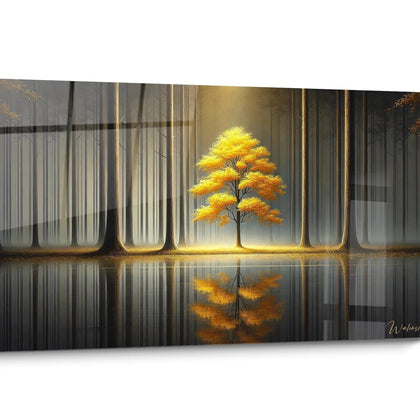 Golden Medical Office Wall Art17
artworks
Golden Medical Office Wall Art17
artworks
All about Abstract Medical Office Wall Art
- Abstract Medical Wall Art Presentation
- Psychological Impact
- Emotional Neutrality
- Selection Criteria
Abstract medical office wall art meets the specific requirements of healthcare environments where visual neutrality serves as a therapeutic imperative. These non-representational compositions eliminate any imagery likely to provoke undesirable emotional reactions in vulnerable patients. Geometric or organic abstraction offers calming visual support without imposing narrative interpretation, unlike figurative works that may reactivate traumatic memories or generate anxiety-inducing associations. Specialized oncology, psychiatry, and emergency medicine clinics favor these creations for their ability to maintain a reassuring clinical environment while humanizing the medical space. XXL format becomes strategic in shared waiting areas where monumental scale captures attention without cognitive saturation, creating a focal point devoid of excessive symbolic weight.
The Psychological Impact of Abstract Forms in Medical Environments
Abstract medical office wall art exploits the cognitive properties of non-referential perception to modulate the psychological state of patients awaiting consultation. Environmental psychology research demonstrates that abstract compositions reduce prefrontal cortex activation compared to figurative scenes, thereby decreasing the analytical engagement that amplifies pre-diagnostic anxiety. This characteristic becomes crucial in departments where prolonged waiting time generates counterproductive mental rumination.
Why do non-figurative compositions reduce preoperative stress?
Patients scheduled for surgical procedures show measurable decreases in salivary cortisol when exposed to geometric abstractions rather than realistic representations. The absence of narrative content prevents anxiety-driven projection and maintains attention in a passive contemplative register. Repetitive structures in chromatic gradations induce a meditative fixation phenomenon particularly effective in preoperative areas where emotional control determines anesthetic success. For practitioners seeking a complementary approach, abstract medical office watercolor art offers an alternative with different soothing properties through chromatic fluidity.
Attentional regulation through monumental abstraction
An XXL format positioned in patients' direct visual axis creates a perceptual anchor that limits the anxious visual scanning characteristic of medical waiting areas. Large-format abstract compositions function as beneficial attentional disruptors, interrupting catastrophic thought cycles without imposing interpretive cognitive load. Interventional radiology and anesthesia clinics use this property to mentally prepare patients for invasive procedures.
Are organic motifs more suitable for pediatric offices than geometric abstractions?
Abstract organic forms—fluid curves, cellular structures, biomimetic patterns—generate unconscious recognition of natural patterns without literal representation, creating reassuring familiarity for young patients. Unlike angular geometries perceived as cold in pediatric populations, these compositions subliminally evoke soothing biological structures. Specialized pediatric hematology services favor these monumental organic abstractions that reduce the hostile perception of the medical environment while maintaining the therapeutic neutrality essential to care.
Emotional Neutrality and Cultural Universality of Medical Abstractions
Abstract medical office wall art meets the imperatives of cultural diversity in contemporary patient populations by eliminating any symbolic reference likely to offend specific religious or cultural sensitivities. In multicultural urban areas, practitioners facing heterogeneous populations avoid figurative representations whose interpretation varies radically according to cultural codes. Abstraction guarantees universal reception devoid of potentially divisive religious, political, or ideological connotations.
How does the absence of narrative content prevent cross-cultural misunderstandings?
Abstract compositions convey no culturally-coded messages, unlike landscapes, portraits, or still lifes charged with variable symbolism. An office welcoming patients from twenty different nationalities eliminates any risk of negative perception by opting for large-format geometric creations or monochrome textures. This semiotic neutrality becomes particularly strategic in international medical centers and clinics located in diplomatic areas where cross-cultural sensitivity determines patient satisfaction.
Managing visual trauma in psychiatry and addiction medicine
Mental health and addiction services systematically exclude figurative representations liable to trigger post-traumatic stress episodes or compulsive urges. Abstract medical office wall art with neutral tonalities prevents traumatic visual associations while maintaining sufficient aesthetic stimulation to humanize the therapeutic space. Monumental formats create controlled visual immersion where the eye finds contemplative refuge without confrontation with potentially reactivating images.
Are monochrome abstractions preferable to polychromatic compositions in oncology?
Chemotherapy patients frequently manifest heightened visual sensitivity and nausea aggravated by excessive chromatic stimulation. Abstract compositions in grayscale, beige, or desaturated blues offer soothing visual presence without sensory overload. Oncologists recommend these large-format monochromatic creations that structure space without assaulting the perceptual system fragile from cytotoxic treatments. This specific physiological consideration radically differentiates oncology needs from other medical specialties.
Abstraction as a tool for therapeutic depersonalization
Unlike figurative works imposing marked artistic subjectivity, abstract compositions maintain emotional distance allowing patients to project their own feelings without predetermined narrative influence. This interpretive emptiness becomes therapeutically relevant in psychotherapy offices where emotional transference should occur toward the practitioner rather than toward the visual environment. XXL format transforms this neutrality into structuring architectural presence without excessive personalization.
Selection Criteria Specific to Abstractions for Medical Spaces
Acquiring abstract medical office wall art follows decision-making parameters distinct from conventional decorative purchases, integrating functional sanitary and regulatory considerations specific to healthcare establishments. Resistance to intensive disinfection protocols constitutes a paramount criterion rarely discussed in residential contexts. Surfaces must withstand weekly virucide spraying without chromatic degradation, requiring protection treatments adapted to hospital standards.
What technical characteristics guarantee durability in medical environments?
Abstract compositions intended for medical offices require non-porous finishes compatible with disinfectants based on quaternary ammonium or hydrogen peroxide used daily. Monumental formats exposed in high-traffic corridors undergo mechanical constraints (equipment carts, gurneys) requiring reinforced wall mounting compliant with ERP standards. Practitioners frequently overlook this technical dimension in favor of purely aesthetic considerations, generating costly premature replacements.
Acoustic optimization through abstract textures
Beyond their visual function, certain large-format abstract creations integrate phonetic absorption properties reducing reverberation in the tiled spaces typical of medical offices. Textured compositions in relief modulate sound propagation, attenuating the anxiety-inducing clinical character of overly reverberant environments. This acoustic multifunctionality becomes decisive in rapid consultation centers where auditory privacy conditions respect for medical confidentiality between partitioned exam rooms.
Are luminous abstractions suitable for ultrasound rooms?
Medical imaging departments require strict ambient lighting control to optimize diagnostic screen readability. Abstract compositions with dark and saturated tonalities absorb light rather than reflect it, preventing parasitic glare on ultrasound monitors or digital light boxes. This technical specificity eliminates creations with reflective white or metallic dominants, restricting selection to matte abstractions in cold chromatic ranges.
Regulatory compliance with ERP fire safety standards
Public-access establishments classified as medical categories impose fire reaction constraints (M1 minimum rating) rarely respected by standard decorative creations. Large-scale abstract medical office wall art must present documented fire-retardant certification, particularly in evacuation corridors and shared waiting areas. Fire safety inspections regularly penalize non-compliant installations, exposing practitioners to formal notices and temporary administrative closures.
FAQ - Frequently Asked Questions on Abstract Medical Wall Art
Does abstract medical office wall art require specific directional lighting?
Contrary to common assumptions, large-format abstract compositions benefit more from diffuse ambient lighting than directional spotlights creating shadow zones disrupting overall perception. Luminous homogeneity preserves the visual integrity of gradations and textures without creating aggressive contrast in the already brightly-lit medical environment for functional reasons.
Are geometric abstractions more suitable for dental offices than organic forms?
Dentists indeed favor structured geometric compositions whose formal rigor resonates with the technical precision of their discipline, creating reassuring visual coherence for anxious patients. Fluid organic forms can paradoxically generate cognitive dissonance in a technologically structured environment like a modern dental office equipped with digital equipment.
Which abstract chromatic palette optimizes waiting time perception in medical offices?
Chronopsychology research demonstrates that cool tonalities (desaturated blues, greens) in abstract compositions subjectively slow temporal perception, reducing impatience felt during waiting. This beneficial perceptual manipulation justifies the predominance of cool palettes in large-format medical abstractions, unlike warm tones favored in commercial dining to accelerate turnover.
Further reading


