


Buddha Wall Art for Medical Office
Our Artwork for medical office Buddha collection transforms your care space into a haven of peace. These works combine spirituality and serenity, perfect for creating a zen medical office atmosphere conducive to patient relaxation. Each creation evokes tranquility and harmony, essential values in a therapeutic environment. Ideal for waiting rooms, holistic medicine practices, or wellness centers, these professional Buddha wall decorations promote relaxation and trust.
 Marbled Peace Wall Art - Zen Edition233,90 €
 Spiritual Harmony Artwork - Zen Buddha Edition233,90 €
 Indigo Wisdom Wall Art - Zen Edition233,90 €
 Deep Peace Wall Art - Zen Edition233,90 €
 Fluid Peace Painting - Zen Edition233,90 €
 Peaceful Meditation Painting - Zen Edition233,90 €
 Starry Night Wall Art - Zen Edition233,90 €
 Inner Awakening Wall Art - Zen Edition233,90 €
 Calm Turquoise Wall Art - Zen Edition233,90 €
Explore further
In Buddha Wall Art for Medical Office
-
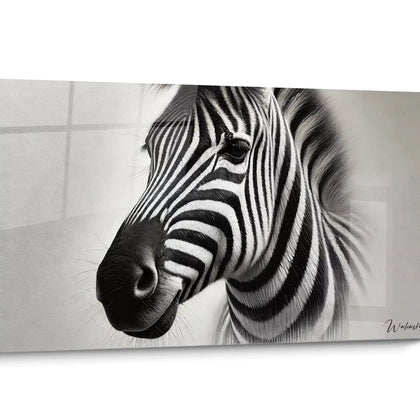 Wall Art for Medical Office100
artworks
Wall Art for Medical Office100
artworks
-
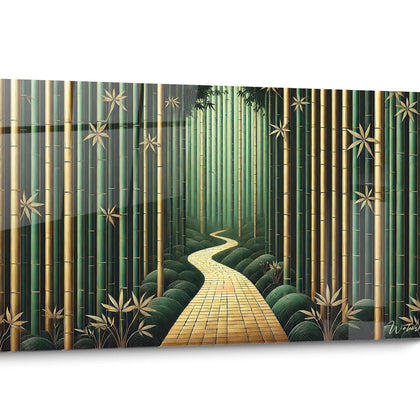 Wall Art for Zen Medical Office24
artworks
Wall Art for Zen Medical Office24
artworks
-
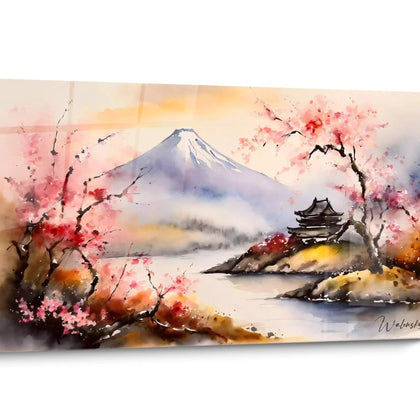 Watercolor Medical Office Wall Art7
artworks
Watercolor Medical Office Wall Art7
artworks
-
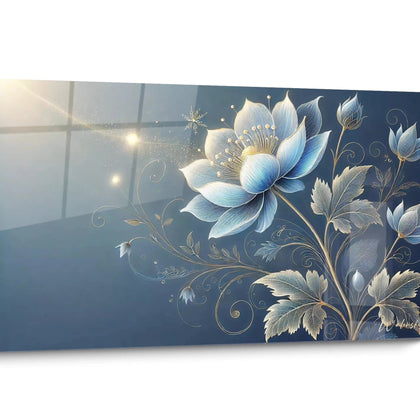 Wall Art for Medical Office Flower24
artworks
Wall Art for Medical Office Flower24
artworks
-
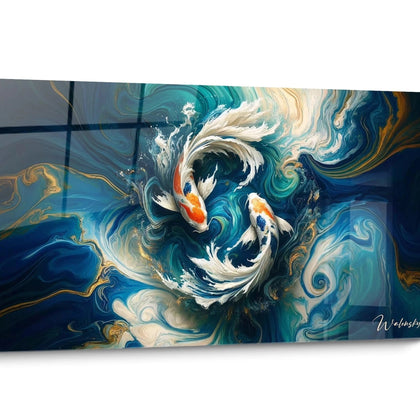 Asian Medical Office Wall Art13
artworks
Asian Medical Office Wall Art13
artworks
-
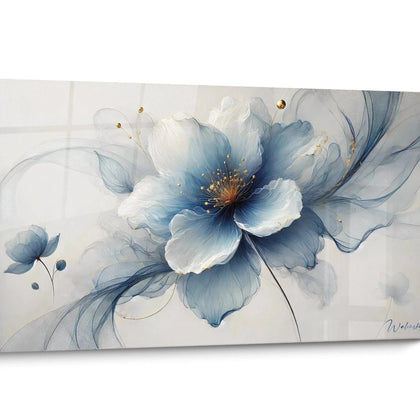 Abstract Medical Office Wall Art17
artworks
Abstract Medical Office Wall Art17
artworks
-
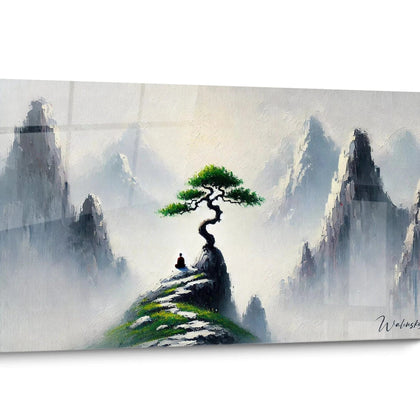 Minimalist Medical Office Wall Art20
artworks
Minimalist Medical Office Wall Art20
artworks
-
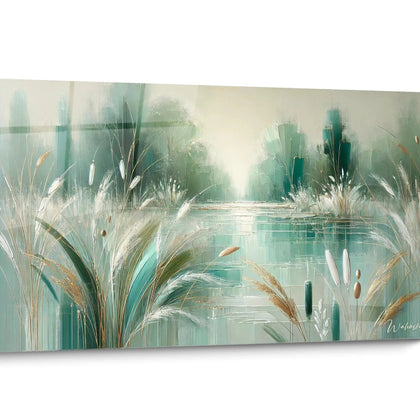 Wall Art for Medical Office Nature24
artworks
Wall Art for Medical Office Nature24
artworks
-
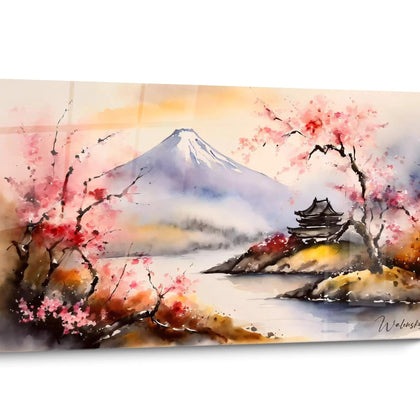 Landscape Wall Art for Medical Office18
artworks
Landscape Wall Art for Medical Office18
artworks
-
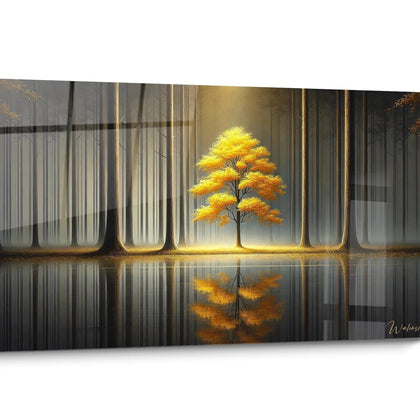 Golden Medical Office Wall Art17
artworks
Golden Medical Office Wall Art17
artworks
All about Buddha Wall Art for Medical Office
- Buddha Wall Art for Medical Office Presentation
- Symbolism & Patient Relaxation
- Zen Therapeutic Environment
- Psychological Impact & Serenity
The Buddha wall art for medical office stands as a therapeutic decorative solution designed for healthcare professionals seeking to establish an immediate atmosphere of relaxation in their consultation space. These large-format representations of the Buddhist figure radically transform the traditional clinical atmosphere by creating a visual refuge conducive to reducing pre-consultation stress. Eastern spiritual iconography, recognized for its soothing virtues, addresses the specific needs of anxious patients facing medical appointments, while strengthening the professional identity of a practitioner committed to holistic approaches to well-being.
Buddhist Symbolism Applied to the Medical Environment
Integrating a Buddha wall art for medical office in a waiting room or consultation office is not merely an aesthetic approach, but constitutes an environmental therapeutic strategy. The figure of Buddha in meditation instantly conveys values of serenity, patience, and acceptance, particularly beneficial for patients facing concerns related to diagnosis or treatment. Large-format representations amplify this calming effect by occupying the visual field significantly, creating a focal point that diverts attention from anxiety-inducing thoughts.
Why choose spiritual iconography in a therapeutic setting?
Professionals in alternative medicine, osteopaths, naturopaths, psychotherapists, and practitioners of alternative medicine favor these spiritual visuals to immediately establish coherence between their therapeutic approach and their work environment. A large-format Buddha painting communicates without words the philosophy of holistic care, integrating the physical, mental, and spiritual dimensions of the patient. This visual alignment reinforces patient confidence in receiving care that respects their overall well-being.
Buddha postures and their meanings in a medical context
Each mudra and position represented possesses specific symbolism exploitable according to the therapeutic orientation of the office. The Buddha in deep meditation posture promotes introspection and is perfectly suited for psychology or psychiatry offices. The protective posture soothes fears, particularly adapted to oncology offices where patients experience moments of intense vulnerability. The reclining Buddha evoking nirvana finds its place in palliative care centers, offering a serene representation of transition and acceptance.
Chromatic impact of monumental Buddhist representations
The color variations of large-format Buddha paintings orient the therapeutic atmosphere according to the practitioner's intentions. Golden and ochre tones warm the clinical space often perceived as cold, creating a welcoming atmosphere that reduces the emotional distance between practitioner and patient. Monochrome grey or black versions bring elegant sobriety compatible with contemporary medical offices, while colorful interpretations incorporating deep blues or jade greens reinforce the association with nature and organic healing. Unlike abstract wall art for medical office, Buddhist figuration offers an immediately identifiable cultural reference that facilitates the patient's mental anchoring in a state of calm.
Creating a Visual Therapeutic Refuge Through Zen Imagery
The visual architecture of holistic care spaces
Installing a Buddha wall art for medical office of significant scale structurally modifies the spatial perception of the therapeutic environment. In waiting rooms frequently overloaded with health information, preventive brochures, and regulatory posters, this monumental presence of Buddha functions as a soothing counterpoint, a space for visual breathing where the gaze can rest without excessive cognitive stimulation. Large formats, often exceeding one hundred fifty centimeters in width, create a contemplative window that mentally evacuates the patient from the anxiety-inducing medical environment.
How does a Buddha painting transform the patient experience?
Research in environmental psychology demonstrates the direct impact of visual stimuli on physiological stress parameters: heart rate, blood pressure, cortisol levels. A Buddha painting strategically placed in the visual field of a waiting patient unconsciously activates mental associations with relaxation, conscious breathing, and letting go. This psychological preparation optimizes the consultation by facilitating exchange with the practitioner, with the patient arriving already in a state of increased receptivity rather than in a defensive posture generated by anxiety.
Complementarity with medical stress reduction protocols
Offices practicing therapeutic meditation, heart rate coherence, or breathing techniques naturally integrate these Buddhist visuals as focusing supports. Before an uncomfortable procedure or difficult announcement, inviting the patient to observe the Buddha painting for a few moments while adopting abdominal breathing constitutes a micro-protocol of emotional anchoring of remarkable effectiveness. This simple practice transforms the decorative element into a genuine therapeutic tool, fully justifying its acquisition for healthcare professionals attentive to the overall well-being of their patients.
Strategic placement zones in the therapeutic space
The placement of the Buddha painting conditions its anxiety-reducing effectiveness. Facing the seating area of the waiting room, it naturally accompanies the waiting time by offering informal meditative support. In the consultation office, positioned behind the practitioner, it benefits the patient during the exchange, creating an appeasing visual depth. Placed laterally in a treatment room where the patient is lying down, it becomes a silent companion during osteopathic manipulations, acupuncture sessions, or therapeutic massages, maintaining a connection with the spiritual dimension of care even during moments of physical discomfort.
Neuroscience and Receptivity to Universal Symbols of Peace
Neurological response to contemplative visual archetypes
Affective neuroscience reveals that simply observing a face in meditation, such as that represented on a Buddha wall art for medical office, activates mirror neurons responsible for emotional empathy and unconscious behavioral imitation. The brain of a patient exposed to this iconography naturally tends toward a slowing of mental activity, a synchronization with the quietness perceived in the image. This phenomenon of positive emotional contagion constitutes a major asset for practitioners seeking to optimize their patients' psychological state before any therapeutic intervention.
What influence on the perception of medical competence?
The visual environment of a medical office directly influences the confidence accorded to the practitioner. Décor integrating spiritual and philosophical references implicitly communicates an approach to care that transcends the purely biomechanical dimension, signaling a practitioner attentive to the psychosocial and existential factors of health. For general practitioners integrating complementary approaches, physical therapists trained in energetic techniques, or midwives practicing hypnobirthing, this visual positioning instantly clarifies their therapeutic philosophy to a patient base precisely seeking this holistic sensitivity.
Professional differentiation in a competitive market
Facing the growing standardization of medical offices, distinctive visual identity becomes a patient retention factor. A monumental Buddha painting affirms a therapeutic uniqueness that facilitates patient-to-patient recommendation, as patients easily describe the "office with the soothing large Buddha" to those around them. This visual memorability constitutes a non-negligible organic marketing advantage in areas of high practitioner density, particularly for liberal professions directly dependent on their differential attractiveness.
Adaptation to contemporary multicultural patient populations
Cultural globalization has familiarized Western populations with Buddhist iconography, now perceived as a universal reference for well-being rather than an exclusive religious symbol. This spiritual neutrality allows the installation of these paintings in secular contexts without risk of perceived proselytism, unlike other more divisive religious symbolism. Patients of diverse cultural origins recognize in Buddha an invitation to inner peace transcending denominational belonging, thus creating precious common emotional ground in cross-cultural therapeutic relationships.
Is Buddha wall art suitable for all types of medical offices?
Buddha wall art for medical office adapts particularly well to practices integrating a psychosomatic dimension: psychology, psychiatry, alternative medicine, pain management centers, supportive oncology. Offices of pure technical specialties (radiology, conventional surgery) may prefer more neutral visuals, although some surgeons adopt this iconography in pre-operative preparation rooms to calm pre-surgical patients.
What size of Buddha painting should be prioritized for optimal impact?
Monumental formats exceeding 120 centimeters in width maximize the immersive effect sought, transforming the wall into a genuine contemplative window. For restricted spaces, a minimum of 80 centimeters guarantees sufficient visual presence to trigger the desired soothing psychological response, while maintaining harmonious proportion with surrounding medical furniture.
How to maintain the therapeutic effect of Buddha wall art for medical office over the long term?
Progressive familiarization diminishes the emotional impact of any visual stimulus. Periodically alternating between different Buddhist representations (laughing Buddha, teaching Buddha, meditating Buddha) or slightly modifying its placement every six months reactivates the conscious attention of regular patients, thus preserving its anxiety-reducing effectiveness over time for chronically followed patient populations.
Further reading
Our articles on this topic
- Are black and white artworks suitable for the atmosphere of a medical office?
- Are Positive Message Wall Art Pieces Relevant for a Medical Office?
- How to Choose a Neutral Artwork That Appeals to a Diverse Patient Base in Your Clinic?
- How to Select Artwork That Complements a Modern Medical Décor Without Overwhelming It?


