


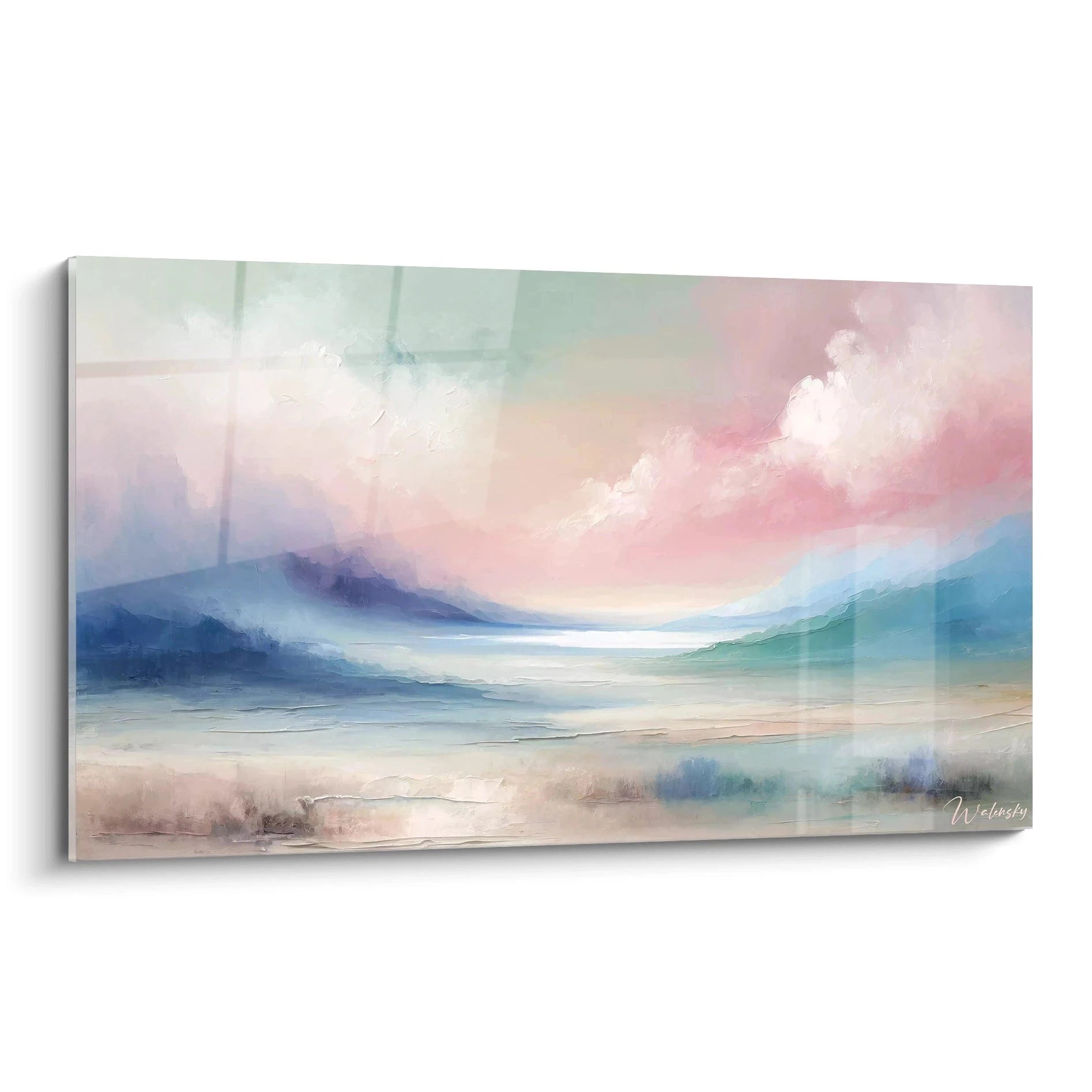


Asian Medical Office Wall Art
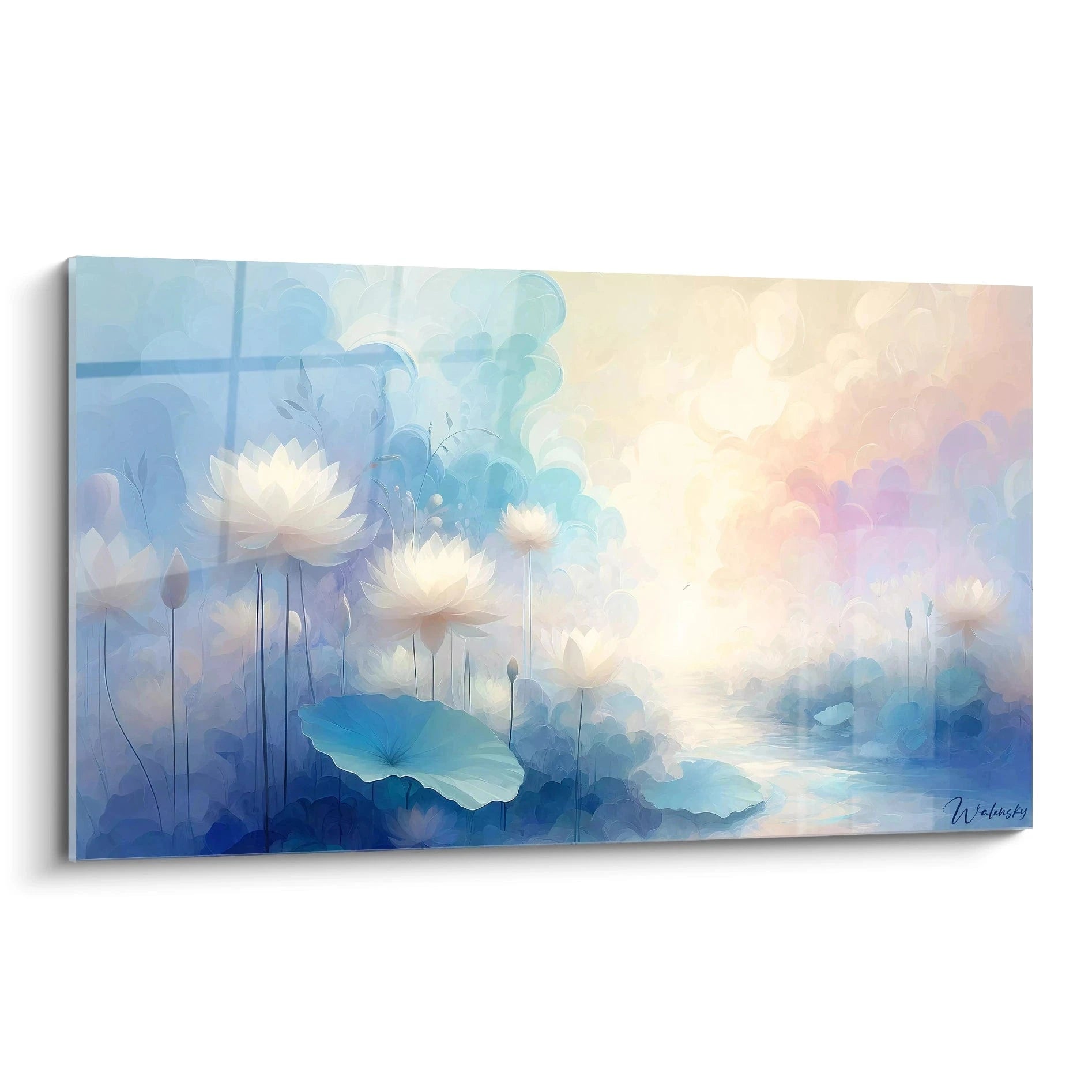
Our Painting for medical office Asian collection transforms your care space into a haven of peace. Inspired by Eastern traditions, these artistic works combine Zen symbols, Asian landscapes and refined compositions to soothe patients in the waiting room. Each creation evokes serenity through delicate floral motifs, harmonious natural scenes and a soft color palette. Perfect for medical offices seeking Zen decoration, these paintings create a relaxing atmosphere conducive to well-being and relaxation.
 Canvas Flower Painting - Asia Edition273,90 €
 High Perch Wall Art - Asia Edition273,90 €
 Koi Dance Wall Art - Asia Edition273,90 €
 Wall Art In the Silence of the Reeds - Japanese Asia Edition273,90 €
 Under the Leaves Canvas, a Poetry - Zen Koi Edition273,90 €
 River of Dreams Wall Art - Asia Edition273,90 €
 Mountain Soul Canvas - Mount Fuji Asia Edition273,90 €
 Perfect Balance Artwork - Asia Edition273,90 €
 Spring Softness Wall Art - Asia Edition273,90 €
 Mist and Cherry Blossoms Wall Art - Asia Edition273,90 €
 Asian wall art No. 1 - Asia Edition273,90 €
 Petals Poetry Wall Art - Asia Edition273,90 €
 Flower Garden Wall Art - Asia Edition273,90 €
Explore further
In Asian Medical Office Wall Art
-
 Wall Art for Medical Office100
artworks
Wall Art for Medical Office100
artworks
-
 Wall Art for Zen Medical Office24
artworks
Wall Art for Zen Medical Office24
artworks
-
 Watercolor Medical Office Wall Art7
artworks
Watercolor Medical Office Wall Art7
artworks
-
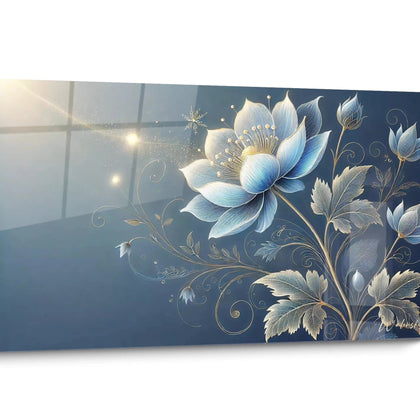 Wall Art for Medical Office Flower24
artworks
Wall Art for Medical Office Flower24
artworks
-
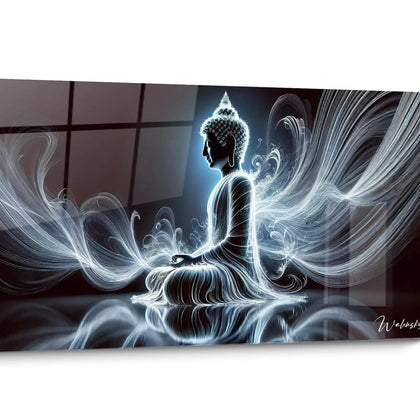 Buddha Wall Art for Medical Office9
artworks
Buddha Wall Art for Medical Office9
artworks
-
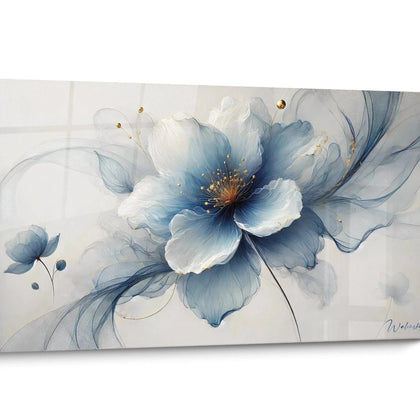 Abstract Medical Office Wall Art17
artworks
Abstract Medical Office Wall Art17
artworks
-
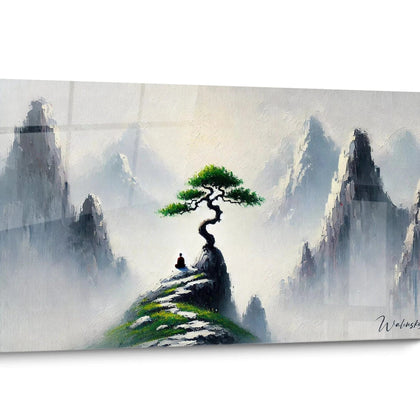 Minimalist Medical Office Wall Art20
artworks
Minimalist Medical Office Wall Art20
artworks
-
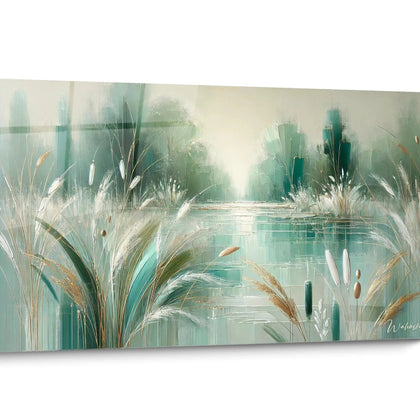 Wall Art for Medical Office Nature24
artworks
Wall Art for Medical Office Nature24
artworks
-
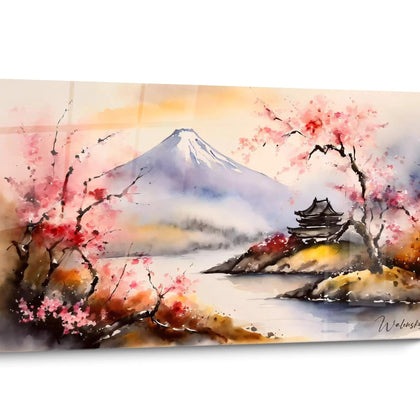 Landscape Wall Art for Medical Office18
artworks
Landscape Wall Art for Medical Office18
artworks
-
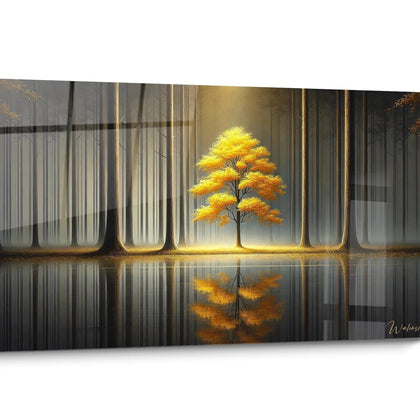 Golden Medical Office Wall Art17
artworks
Golden Medical Office Wall Art17
artworks
All about Asian Medical Office Wall Art
- Asian Medical Office Wall Art Presentation
- Aesthetic Health Design
- Oriental Therapeutic Atmosphere
- Professional Selection
An Asian medical office wall art instantly transforms your consultation space into a sanctuary of serenity inspired by ancient Oriental traditions. These oversized artworks celebrate harmony between contemporary medical aesthetics and ancestral wisdom, creating an environment conducive to healing and patient tranquility. Integrating representations of Japanese cherry blossoms, zen calligraphy, bamboo grove landscapes, or feng shui symbols into your medical practice immediately establishes an atmosphere of trust and well-being. These large-scale wall creations meet the specific expectations of practitioners seeking décor that reflects a holistic approach to care while respecting hygiene standards and professionalism required in healthcare facilities.
Psychological Impact of Asian Representations in Medical Environments
Installing an Asian medical office wall art is part of a documented therapeutic approach where the visual environment actively participates in the healing process. Environmental psychology research demonstrates that patients exposed to representations of zen gardens, Chinese misty mountains, or Tibetan mandalas show measurable reduction in preoperative anxiety levels. These large-format visuals activate mental associations with meditation, conscious breathing, and the philosophy of letting go, particularly beneficial in waiting areas and consultation spaces.
Which Asian symbolism should you prioritize to reassure chronic patients?
Practitioners specializing in long-term pathology treatment opt for representations of lotus flowers emerging from water, symbolizing resilience and transformation despite adversity. An Asian medical office wall art featuring this iconic motif conveys a subliminal message of hope and renewal particularly appropriate for oncology, rheumatology, or chronic pain management services. Monumental formats amplify this emotional impact, transforming simple decoration into a non-verbal communication tool with your patients.
The influence of feng shui principles on medical energy circulation
Arranging an Asian medical office wall art according to medical feng shui precepts optimizes chi energy flow in your professional space. Positioning an artwork depicting koi fish swimming upstream in your practice's prosperity zone symbolically stimulates patient vitality and therapeutic success. These ancestral spatial considerations blend perfectly with modern office ergonomics, creating harmonious patient journeys where each decorative element contributes to care effectiveness. If you're seeking complementary visual approaches, exploring an abstract medical office wall art can offer a modern alternative while preserving this soothing dimension.
Therapeutic tones in Oriental medical iconography
The color palette of authentic Asian medical office wall art prioritizes soothing greens from bamboo groves, deep blues from Japanese prints, and subtle golds from Buddhist temples. These tones have demonstrated their capacity to regulate heart rate and promote pupil dilation associated with parasympathetic relaxation. In dermatology or aesthetic medicine offices, these natural hues contrast advantageously with clinical whiteness while maintaining impeccable professional credibility.
Creating a Medical Visual Identity Inspired by Oriental Traditions
Adopting Asian medical office wall art represents a strategic positioning for practitioners integrating complementary approaches such as acupuncture, traditional Chinese medicine, or mind-body therapies. This immediate visual consistency reassures patients about your intercultural expertise and openness to millennia-old therapeutic wisdoms. The imposing formats available allow instant transformation of standard consultation rooms into multicultural healing sanctuaries, differentiating your practice in a saturated medical market.
How to signal your expertise in Oriental holistic medicines?
An Asian medical office wall art representing energy meridians, acupressure points, or chakras against Sanskrit calligraphy backgrounds instantly communicates your specialization. These large-scale educational visuals simultaneously serve as sophisticated decoration and educational tools, allowing you to explain your therapeutic approaches to new patients. Energy osteopathy and naturopathy offices report significant improvement in patient understanding when these representations accompany initial consultations.
The intercultural dimension in cosmopolitan neighborhoods
In urban areas with high concentrations of Asian populations, Asian medical office wall art demonstrates your cultural sensitivity and facilitates establishing a trusting therapeutic relationship. These patients particularly appreciate authentic representations of their region's landscapes—Korean mountains, Vietnamese rice fields, Thai temples—which create an emotional bridge reducing linguistic and cultural anxiety. This decorative strategy becomes a major competitive advantage in areas like Paris's 13th district or North American Chinatowns.
Visual prestige codes in premium private medicine
High-end private clinics and specialists' practices use Asian medical office wall art with museum-quality finishes to project an image of international refinement. Representations of Chinese imperial pavilions, Japanese contemplation gardens, or gold-leafed Tibetan mandalas simultaneously communicate exclusivity, ancestral wisdom, and therapeutic excellence. These monumental decorative investments psychologically justify premium fees while creating a memorable patient experience that generates referrals and loyalty.
Professional Selection Criteria for Demanding Medical Environments
Choosing an Asian medical office wall art requires rigorous evaluation transcending simple aesthetic considerations. Healthcare facilities impose strict standards regarding volatile organic compound emissions, disinfection surface ease, and resistance to hospital cleaning protocols. Large-format artworks intended for medical environments must imperatively comply with M1 fire reaction classifications, ensuring patient and staff safety while preserving visual integrity over decades of intensive use.
Which formats should you prioritize based on your medical space configuration?
Spacious waiting areas in multipurpose medical centers accommodate panoramic triptychs representing Silk Road landscapes or zen gardens over 2 to 3 meters wide perfectly. These monumental compositions immediately capture attention while structurally organizing space, reducing perceived wait time. Conversely, individual consultation boxes benefit more from elongated vertical formats evoking traditional Japanese scroll paintings, maximizing visual impact without cluttering functional walls needed for medical equipment and hand-washing stations.
Maintenance specificities in sanitary environments
Professional Asian medical office wall art must withstand twice-weekly cleanings with disinfectant solutions without chromatic alteration or structural degradation. UV printing technologies on polymer supports guarantee resistance to antimicrobial agents while maintaining the color depth characteristic of Asian prints. This technical durability proves particularly crucial in pediatric offices and infectiology services where hygiene protocols are most demanding, justifying initial investment through operational longevity exceeding fifteen years.
The balance between cultural authenticity and therapeutic neutrality
Selecting Asian medical office wall art demands cultural discernment avoiding superficial appropriation while remaining accessible to diverse patient populations. Representations of universal philosophical concepts such as yin-yang balance, seasonal transformation, or natural harmony transcend specific cultural barriers. These timeless themes allow each patient to project their own interpretations without feeling excluded, unlike explicit religious symbols or overly specific historical references that might inadvertently create discomfort in a secular medical context.
Where to purchase Asian medical office wall art compliant with health standards?
Specialized medical equipment suppliers now offer dedicated collections respecting both Asian aesthetic authenticity and French health regulations. Prioritize distributors providing fire-resistance compliance certificates, UV resistance guarantees, and documentation on manufacturing processes without hazardous substances, essential for health authority audits.
Can you combine Asian medical office wall art with modern Western décor?
Harmonious integration is achieved by creating distinct visual zones where the monumental Asian artwork dominates an accent wall while contemporary furniture occupies functional spaces. This cultural contrast approach generates visual dynamism appreciated in aesthetic surgery and anti-aging medicine offices seeking an image of innovation respectful of traditions.
What replacement frequency for Asian medical office wall art?
Healthcare facilities concerned with maintaining an updated image typically rotate every 5 to 7 years, a period corresponding to standard office renovation cycles. This frequency allows adapting décor to patient demographic changes and aesthetic trends without compromising initial investment profitability.


