


Pekingese Dog Portrait Wall Art
Our painting chien Pekinois Portrait collection celebrates the ancestral elegance of this Chinese imperial breed. Each artwork captures the natural dignity and distinctive charm of the Pekingese through artistic portraits artistiques de chiens Pekinois created with finesse. These creations highlight the endearing expression and characteristic nobility of these royal companions. Ideal for lovers of décoration murale canine haut de gamme, this collection transforms your interior into a refined gallery.
 Dog Portrait Painting with Expressive Eyes in Black and White - Tender Gaze - Pekinese Edition273,90 €
 Beige Pekingese Canvas with Long Silky Hair - Canine Elegance - Pekingese Edition273,90 €
 Multicolor Canine Portrait Painting in Violet and Golden Tones - Chromatic Explosion - Pekingese Edition273,90 €
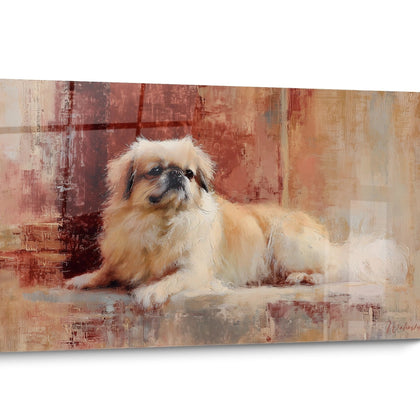
 Pekingese with Long Silky Hair on Warm Beige Background - Elegant Canine Portrait - Pekingese Edition273,90 €
 Pekingese with Long Golden Hair on Floral Background - Contemplative Portrait - Pekingese Edition273,90 €
 Canine Portrait Painting with Expressive Eyes in Black and White - Tender Gaze - Pekingese Edition273,90 €
 Golden and White Tones Dog Painting - Majestic Canine Portrait - Pekingese Edition273,90 €
 Pekingese Painting with Expressive Eyes on Pastel Background - Endearing Portrait - Pekingese Edition273,90 €
 Rainbow-Colored Dog Painting Expressive Gaze - Colorful Portrait - Pekingese Edition273,90 €
 Pekingese Expressive Eyes Painting - Majestic Portrait - Pekingese Edition273,90 €
 Golden-Haired Dog Painting Brushstroke Effect - Tender Gaze - Pekingese Edition273,90 €
 Black and White Pekingese Portrait Painting Contemplative Gaze - Canine Tenderness - Pekingese Edition273,90 €
 Dog Portrait Painting with Expressive Eyes - Touching Gaze - Pekingese Edition228,90 €
 Black and White Pekingese Dog Wall Art with Large Eyes - Striking Portrait - Pekingese Edition228,90 €


All about Pekingese Dog Portrait Wall Art
- Presentation Pekingese Portrait
- Evocation of the Imperial Court
- Character and Visual Nobility
- Symbolism and Decorative Elegance
A painting Pekingese dog portrait brings a touch of canine aristocracy to your interior, celebrating this mythical breed with palatial origins in China. A true guardian of emperors for centuries, the Pekingese embodies dignity and refinement, qualities magnified in a large-format mural representation. These works capture the distinctive expression of this legendary companion, with its leonine mane, penetrating gaze, and proud bearing, which testify to an undisputed royal heritage. Choosing a large-format portrait of this sacred dog means installing in your home a fragment of dynastic history, a visual tribute to one of the oldest and most revered breeds in the canine world. Contemporary creations sublimate the characteristic traits of the Pekingese - flattened muzzle, expressive eyes, abundant coat - in compositions that transform your space into a gallery dedicated to oriental cynophile excellence.
The Imperial Heritage of the Pekingese in Wall Decor
A painting Pekingese dog portrait in large format instantly evokes the Forbidden City palaces where this breed was jealously guarded for millennia. Exclusively reserved for the Chinese imperial family, the Pekingese was considered a sacred creature, an earthly incarnation of the lion of Buddha. Installing this representation in a living room or library creates a visual connection with this exceptional dynastic heritage.
Why does the Pekingese fascinate so much in artistic representation?
The Pekingese's unique morphology - with its distinctive flattened face, its large dark eyes and expressive, and its abundant mane forming a halo around the head - offers artists a visually captivating subject. This singular physiognomy lends itself beautifully to large-format portraits that amplify every characteristic detail. The color variations in its coat (fawn, black, cream white) allow for compositions rich in nuances.
Decorating styles inspired by the Imperial Orient
Integrating a painting Pekingese dog portrait into an interior with Asian influences reinforces the thematic coherence of the space. Paired with decorative elements such as lacquered screens, Ming ceramics, or Chinese calligraphy, this type of mural work creates a refined atmosphere evoking the aristocratic salons of the Far East. Imposing formats harmonize with traditional low furniture and subdued lighting.
Is a Pekingese painting suitable for contemporary interiors?
Absolutely, because the contrast between the historical antiquity of the subject and the modernity of the artistic treatment generates an aesthetic tension particularly appreciated. Stylized portraits, with reduced palette or mixed techniques, fit perfectly into minimalist spaces where the work becomes the dominant focal point. The natural nobility of the Pekingese transcends eras and adapts as well to urban lofts as to classic residences.
Enhancing prestigious reception areas
A monumental portrait of a Pekingese gives entrance halls, vestibules and reception rooms a memorable first impression. This aristocratic breed instantly communicates values of distinction and exclusivity, setting the tone for the entire home. Visitors immediately perceive the care taken in the decoration and the appreciation for refined historical references.
Facial Expression and Captivating Personality of the Pekingese
The Pekingese dog painting excels at capturing that enigmatic expression which characterizes the breed - a blend of proud independence, ancient wisdom, and selective affection. Talented artists manage to recreate this penetrating gaze that seems to evaluate the observer with a quasi-human dignity, a distinctive trait of dogs who lived for centuries alongside emperors.
How does the large-format portrait intensify the presence of the Pekingese?
The monumental dimensions amplify the emotional impact of the Pekingese's gaze and allow one to appreciate the subtleties of its unique facial morphology. Each fold of the short muzzle, each strand of the luxuriant mane, each reflection in the large eyes becomes visible and contributes to creating a quasi-physical presence in the room. This scale transforms the portrait into a true daily visual companion.
The leonine mane as a central graphic element
The abundant fur of the Pekingese, particularly developed around the neck and shoulders, offers mural artists exceptional graphic potential. Texture play, length variations, and hair movements create dynamic compositions even in static poses. For a golden Pekingese dog painting, these hair elements lend themselves beautifully to golden light effects that recall imperial ornaments.
What emotions does a Pekingese portrait convey?
Beyond the physical representation, these works communicate feelings of aristocratic serenity, quiet confidence, and selective attachment. The Pekingese is never servile; its portrait reflects this independence of spirit that seduced imperial courts. This psychological dimension considerably enriches the decorative value of the work, inviting repeated contemplation.
Chromatic variations and visual richness
Pekingese coats exhibit remarkable diversity - from deep black to immaculate white, through golden fawns, sands, reds, and bicolor combinations. This natural palette allows artists to create works that harmonize with different decorative schemes. A portrait with warm tones warms neutral spaces, while monochrome black and white versions bring timeless sophistication.
Characteristic poses and balanced compositions
The Pekingese dog painting generally favors dignified poses - head raised, frontal or slightly three-quarter gaze - which highlight the natural nobility of the breed. The compact yet majestic silhouette of the Pekingese harmoniously fits into square or slightly vertical formats, creating visually balanced compositions that stabilize the wall space.
Cultural Symbolism and Decorative Sophistication
Acquiring a Pekingese dog painting goes beyond simple decorative acquisition to become an affirmation of a refined cultural sensibility. In Chinese tradition, the Pekingese symbolizes spiritual protection, prosperity, and connection with the divine, values that subtly infuse the home atmosphere. These positive connotations make this representation a particularly relevant choice for main living spaces.
Which spaces benefit most from a monumental Pekingese portrait?
Personal libraries and home offices gain character thanks to the contemplative presence of a large-format Pekingese portrait. The breed being associated with wisdom and meditation, its image promotes an atmosphere conducive to concentration and reflection. Master bedrooms also harmoniously welcome these works, the Pekingese historically being an imperial chamber companion, a nocturnal guardian of sovereigns.
Dialogue with other oriental decorative elements
A Pekingese dog portrait painting naturally integrates into an Asian art collection, creating visual echoes with other Chinese imperial symbols - dragons, phoenixes, peonies, bamboo. This strategy of consistent thematic decoration transforms the space into a true cabinet of oriental curiosities, a testament to a passion for millennial cultures and their artistic expressions.
How to maintain the decorative value of a Pekingese portrait over time?
The aesthetic longevity of these works relies on their strategic placement, sheltered from prolonged direct exposure to sunlight which could alter the pigments. Indirect lighting, ideally with a warm color temperature, enhances the golden and cream tones characteristic of many Pekingese dogs, while preserving the chromatic integrity of the artwork over the long term.
Growing appreciation for heritage breeds in decoration
The current trend values historical and heritage dog breeds over recent cynophile creations. The Pekingese, with its 2000 years of documented history, perfectly embodies this sought-after authenticity. Installing such a portrait demonstrates a thorough cynophile knowledge and an appreciation for preserved lineages, a distinction that initiated visitors will notice.
Creation of a prestigious thematic canine gallery
Passionate collectors can develop a mural gallery bringing together different ancient oriental breeds - Shih Tzu, Lhasa Apso, Chow Chow - with the Pekingese as the centerpiece. This curatorial approach transforms the residential space into a permanent exhibition celebrating Asian canine heritage, a guaranteed conversation starter and a constant source of aesthetic contemplation.
FAQ - Frequently Asked Questions about the Pekingese Portrait
Is a large-format Pekingese dog portrait suitable for spaces of modest dimensions?
Paradoxically, a large-sized Pekingese dog portrait painting can enhance a small space by creating a dramatic focal point that visually structures the room. The key is to balance it with the surrounding furniture and choose a color palette that harmonizes with the walls.
What is the difference between a photographic and an artistic Pekingese portrait?
Stylized artistic portraits offer a subjective interpretation that transcends simple reproduction, capturing the spiritual and historical essence of the breed rather than just its physical characteristics. This interpretative dimension gives the work an additional emotional depth particularly appreciated in high-end decoration.
How to choose between different Pekingese representations available?
Prioritize portraits that authentically capture the characteristic expression of the breed - that unique blend of dignity, intelligence and quiet determination. The quality of the execution is recognized in the rendering of the distinctive facial details and the artist's ability to reproduce the exceptional leonine fur texture of the Pekingese.
Further reading
Our articles on this topic
- Where to hang a Pekingese dog painting in the entrance hall?
- Shar Pei Painting for Office: An Original and Warm Decorative Touch
- Boxer dog portrait painting in black and white: the graphic choice for a minimalist living room
- Custom Pekingese Portrait Painting: The Original Gift That Captures Their Character
- How to choose a Pekingese portrait to decorate a modern apartment
- Pekingese dog wall art on gold background: symbolism and styling in a Japanese-inspired interior
L'art qui suscite l'envie
Maison belge d'art mural grand format
14 jourspour changer d'avis*
Protection Walenskyincluse
Fabriquéen Italie
FormatXXL
Kit de fixationtoujours fourni
* Hors tableaux personnalisés et tailles personnalisées


