

Art Nouveau Animal Wall Art
Our Art Nouveau Painting Animals collection celebrates the perfect harmony between nature and decorative aesthetics. Inspired by the masters of the Art Nouveaumovement, each creation enhances the fauna through floral and animal compositions with characteristic flowing lines. Majestic peacocks, delicate butterflies and graceful birds come to life in Art Nouveau vintage décors with refined colors. These works bring a touch of timeless elegance to your interior, combining sophistication and natural poetry.
 Kingfisher painting Floral Symphony - Art nouveau edition213,90 €
 Fish Painting Oceanic Waltz - Art Nouveau edition213,90 €
 Ivory Parrot Wall Art Illuminated - Art Nouveau Edition233,90 €
 Bird Painting Iridescent Precious Scales - Art Nouveau Edition213,90 €
Explore further
In Art Nouveau Animal Wall Art
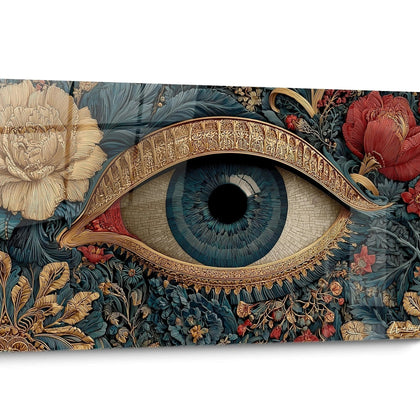
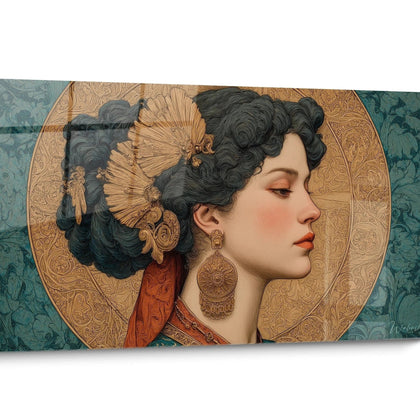
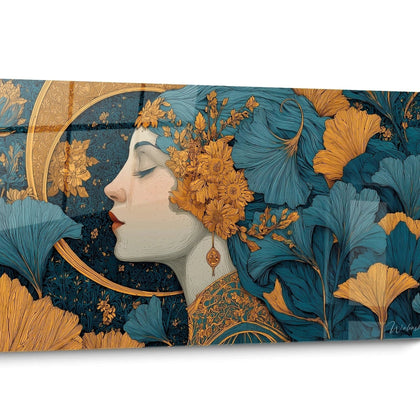
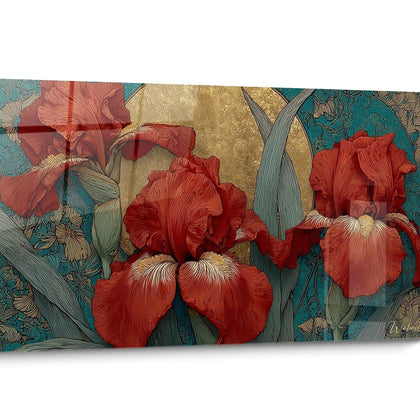
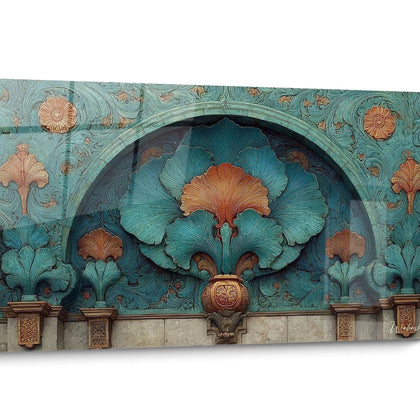
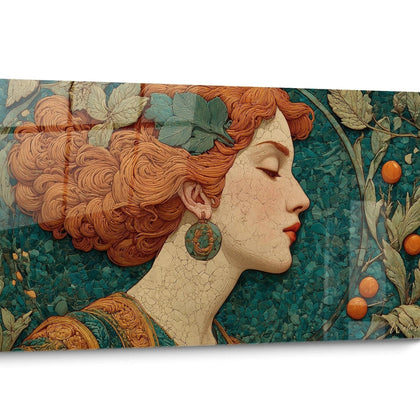
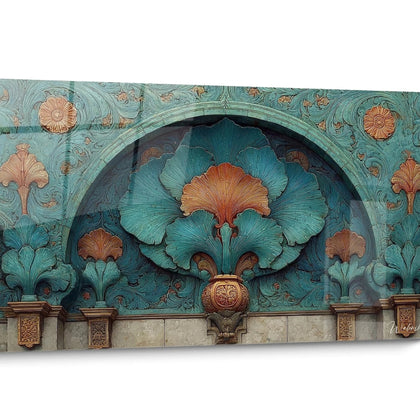
All about Art Nouveau Animal Wall Art
- Art Nouveau Animal Wall Art Presentation
- Art Nouveau Bestiary
- Animal Symbolism
- Wildlife Wall Decoration
The Art Nouveau animal painting embodies the very essence of the aesthetic movement that, at the turn of the 20th century, celebrated nature in its most organic forms. These large-format animal representations capture the stylized fauna characteristic of this artistic period, where each creature becomes a sophisticated decorative element. Art Nouveau animal wall compositions transform domestic space into a veritable modern cabinet of curiosities, combining naturalistic precision with the vegetal arabesques typical of the movement. These large-scale mural creations favor elongated silhouettes, sinuous curves, and refined color palettes that distinguish 1900s aesthetics. For collectors seeking narrative dimension in their decoration, the Art Nouveau style animal painting offers symbolic depth absent from ordinary contemporary animal representations.
Stylized Fauna in the Art Nouveau Universe
The Art Nouveau animal painting stands out for its ornamental treatment of fauna, where each creature becomes a decorative motif integrated into a lush vegetal ensemble. Peacocks with displayed plumage, dragonflies with translucent wings, and butterflies with geometric patterns constitute the privileged protagonists of these wall compositions. This aesthetic approach transforms the animal into a genuine graphic jewel, magnified by sinuous contours and colored forms characteristic of the style.
Which animals dominate Art Nouveau wall compositions?
Winged creatures occupy a preponderant place in Art Nouveau animal iconography. Exotic birds such as herons, swans, and peacocks offer elongated silhouettes perfectly suited to monumental vertical formats. Stylized insects - particularly scarabs, dragonflies, and butterflies - allow centered compositions where natural symmetry dialogues with the decorative asymmetry of the movement. This faunistic selection responds to a search for linear elegance and chromatic refinement inherent to Art Nouveau.
Harmonious integration with other decorative collections
The Art Nouveau animal painting naturally associates with Art Nouveau floral painting, thus creating a characteristic plant-animal dialogue of this artistic period. This combination reproduces the spirit of decorative panels by Alfons Mucha or Eugène Grasset, where fauna and flora merge in the same naturalistic celebration. To enrich this theme, collectors can also integrate gilded Art Nouveau paintings that bring a precious dimension to animal representations, recalling gilding techniques on glass and metallic applications characteristic of the era.
Aquatic species in Art Nouveau imagery
Marine creatures constitute a particularly valued iconographic register, with jellyfish with undulating tentacles, stylized seahorses, and fish with vaporous fins. These aquatic organisms allow for transparency and fluidity effects perfectly adapted to large wall formats. Their representation evokes Ernst Haeckel's naturalistic studies while maintaining the ornamental dimension essential to the movement. Turquoise Art Nouveau tones reinforce this aquatic theme, creating subaquatic chromatic coherence in the display space.
Symbolism and Meanings of the Art Nouveau Bestiary
The Art Nouveau animal painting conveys symbolic dimension inherited from medieval bestiaries reinterpreted according to end-of-century sensibility. Each depicted creature carries allegorical significance that enriches the reading of the work beyond its simple decorative function. The peacock embodies eternal beauty and immortality, while the dragonfly symbolizes transformation and the lightness of being. This semantic stratification transforms the acquisition of an Art Nouveau animal painting into a personal choice revealing philosophical aspiration or spiritual affinity.
How to choose your Art Nouveau animal according to your personality?
Collectors favoring aesthetic audacity will turn toward stylized feline representations - black panthers with undulating curves, cats with hypnotic eyes - that evoke mystery and independence. Enthusiasts of solar symbolism will prefer ornithological compositions featuring fire birds, stylized phoenixes, or heraldic eagles reinterpreted according to 1900s aesthetics. For a contemplative atmosphere, vegetalized cervids and graceful does bring sylvan serenity to rest spaces.
The esoteric dimension of Art Nouveau creatures
The Art Nouveau movement coincides with the renewal of occult sciences and hermetic symbolism in Europe. Intertwined serpents evoke the Mercurian caduceus and cosmic duality, while nocturnal owls recall Athenian wisdom and lunar mysteries. This esoteric dimension grants Art Nouveau animal painting an initiatic depth absent from conventional animal representations. Collectors versed in symbolist iconography will recognize references to tarot arcana, alchemical figures, and Rosicrucian emblems reinterpreted according to the modern aesthetics of the era.
Thematic associations for a coherent interior
Arranging an Art Nouveau animal painting with an Art Nouveau portrait painting creates a dialogue between humanity and animality characteristic of Alphonse Mucha's works, where female figures are adorned with faunistic attributes. This juxtaposition evokes pantheistic fusion between man and nature, a central theme of Art Nouveau philosophy. Collectors wishing to accentuate the architectural dimension can associate their animal acquisitions with Art Nouveau architecture painting, thus reproducing the total integration of arts advocated by the movement.
Spatial Enhancement and Strategic Placement of Animal Paintings
Installing a large-format Art Nouveau animal painting requires specific spatial consideration to optimize its visual impact and preserve its aesthetic integrity. These monumental compositions function as architectural focal points that structure domestic space according to the principles of total art promoted by the movement. The presence of a stylized animal representation transforms an ordinary wall into a decorative panel similar to installations in 1900s Viennese or Brussels interiors.
Which spaces are ideal for a large-format Art Nouveau animal painting?
Circulation spaces such as vestibules, panoramic corridors, and stairwells constitute ideal locations for these elongated vertical compositions. A peacock with displayed feathers or a stylized heron naturally finds its place in these transition zones where the eye seeks a visual anchor point. Modern libraries and curiosity cabinets perfectly welcome representations of stylized insects or nocturnal creatures that dialogue with an intellectual and contemplative atmosphere. For reception spaces, animal compositions in orange Art Nouveau tones bring chromatic warmth and vital energy conducive to social exchange.
Lighting adapted to stylized animal representations
Art Nouveau animal paintings featuring fine linear details and sinuous contours require directional lighting that highlights their graphic dimension. Articulated arm wall sconces allow the light beam to be oriented at the optimal angle to reveal the subtle qualities of the line. Compositions containing metallic elements or gilded effects benefit from raking light that accentuates relief variations and material play. This technical lighting transforms the painting into a true evolutionary wall installation depending on the time of day.
Wall composition and decorative accumulation
Thematic accumulation of multiple Art Nouveau animal paintings reproduces the spirit of naturalistic cabinets reinterpreted according to 1900s aesthetics. This curatorial approach allows creation of a personal bestiary where each creature dialogues with others in coherent visual narration. Collectors can thus compose thematic triptychs - celestial birds, aquatic creatures, stylized insects - that structure space according to elemental logic. To enrich this composition, integration of pieces from the Art Nouveau painting collection allows expansion of the decorative register while preserving stylistic unity of the ensemble.
Which chromatic associations are preferable with an Art Nouveau animal painting?
Art Nouveau animal representations function harmoniously with wall environments in neutral tones - deep beiges, pearl grays, off-whites - that allow ornamental details to fully express themselves. For enthusiasts of bold contrasts, association with walls in deep tones - Empire green, midnight blue, burgundy - creates a particularly sought-after contemporary curiosity cabinet effect. Spaces enjoying abundant natural light can accommodate compositions with complex color palettes, while darker areas will favor paintings with marked contrasts and accentuated graphic details.
Why prioritize an Art Nouveau animal painting for sophisticated decoration?
The Art Nouveau animal painting represents the perfect intersection between scientific naturalism and decorative stylization, offering cultural depth and visual richness impossible to reproduce with ordinary contemporary creations. These wall compositions testify to a historical period when decorative art reached its technical apogee and greatest formal audacity.
How to maintain a large-format Art Nouveau animal painting?
Large-scale wall compositions require regular dusting with antistatic tools to preserve the clarity of linear details. Direct exposure to ultraviolet rays must be avoided to preserve the chromatic intensity of pigments, particularly for delicate tones such as vegetal greens and aquatic blues characteristic of the style.
Can an Art Nouveau animal painting be associated with contemporary furniture?
Art Nouveau aesthetics transcends epochs through its formal timelessness and graphic sophistication. The organic lines of animal representations dialogue harmoniously with streamlined contemporary design, creating an enriching contrast between historical ornamentation and modern minimalism. This temporal juxtaposition produces eclectic interiors of great decorative personality.
Further reading


