


Art Nouveau Orange Wall Art
Our Art Nouveau Painting Orange collection celebrates the timeless elegance of the iconic art movement. Each artwork captures the characteristic organic curves and floral motifs in vibrant orange tones. These creations combine refinement and warmth, ideal for bringing a touch of bohemian elegance to your decor. Perfect for lovers ofdecorative art inspired byArt Nouveau, these paintings transform your spaces into true art galleries.
 Iris Floral Splendor Painting - Art Nouveau edition233,90 €
 Woman Profile Contemplative Wall Art - Art Nouveau Edition233,90 €
 Crowned Woman Precious Grace Wall Art - Art nouveau Edition213,90 €
 Enchanted Palace Architecture Painting - Art Nouveau Edition213,90 €
 Fish Painting Oceanic Waltz - Art Nouveau edition213,90 €
 Woman Emerald and Amber Wall Art - Art Nouveau Edition233,90 €
 Woman Painting Solar Elixir - Art Nouveau Edition233,90 €
 Woman Painting Fiery Hair - Art Nouveau Edition233,90 €
 Red-haired Woman Spring Brilliance Painting - Art Nouveau Edition233,90 €
 Woman Ecstasy Marine Painting - Art Nouveau Edition233,90 €
 Woman Painting Celestial Doves - Art Nouveau Edition233,90 €
 Women Beauty Duel Wall Art - Art Nouveau Edition233,90 €
 Renaissance Floral Flowers Painting - Art Nouveau Edition233,90 €
 Woman with golden hair painting Copper glow - Art Nouveau edition213,90 €
 Woman Painting Woven Elegance - Art Nouveau Edition213,90 €
 Copper Flame Portrait Painting - Art Nouveau Edition213,90 €
Explore further
In Art Nouveau Orange Wall Art
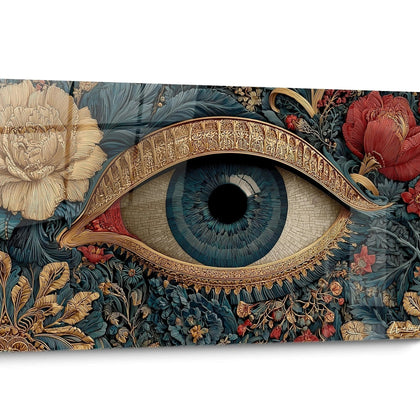
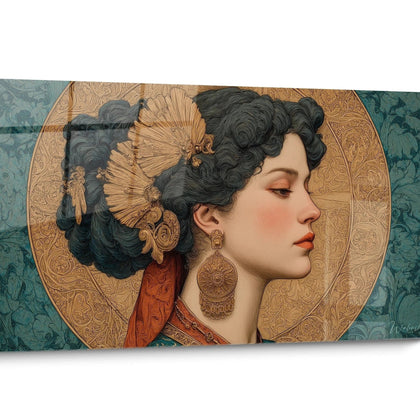
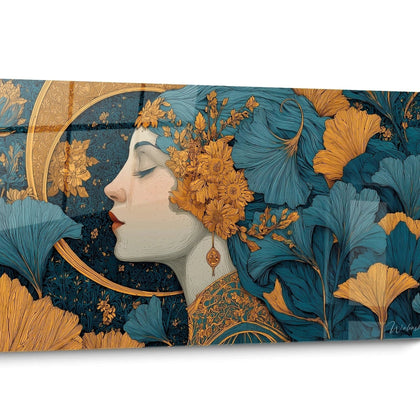
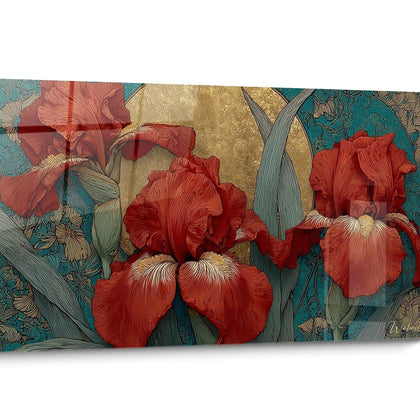
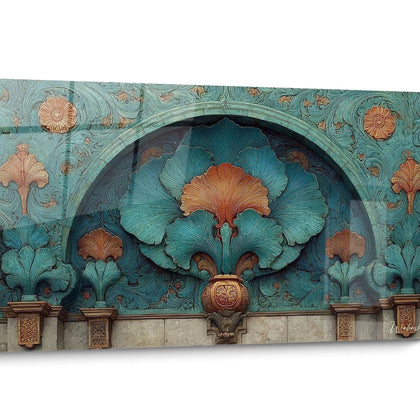
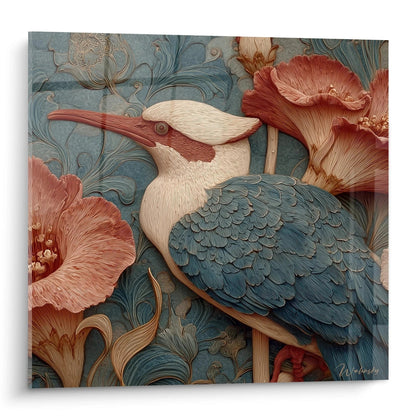
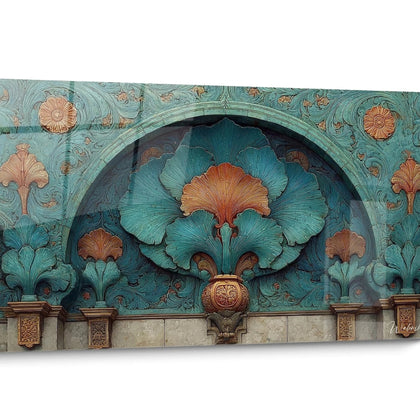
All about Art Nouveau Orange Wall Art
- Art Nouveau Orange Artwork Presentation
- Art Nouveau Orange Color Palette
- Art Nouveau Orange Wall Decoration
- Art Nouveau Decorative Investment
The Art Nouveau orange artworks represent a particularly bold variation of the artistic movement born in the late 19th century. This solar hue, symbol of creative energy and vitality, embodies the aesthetic quest for synthesis between nature and ornamentation characteristic of this period. Orange, rarely used as a dominant color in traditional Art Nouveau which favored pastel tones, brings here a contemporary and energetic dimension to the sinuous and organic motifs typical of the movement. These large-scale wall creations radically transform the atmosphere of a space by infusing it with luminous warmth and immediate visual dynamism. Their imposing presence creates a magnetic focal point that instantly captures attention and structures the entire surrounding decorative composition.
Orange as Chromatic Signature in Art Nouveau Aesthetics
The Art Nouveau orange artwork exploits a color range where saffron, copper, and terracotta nuances dialogue with the vegetal curves characteristic of the style. This orange dominance, particularly striking in stylized floral compositions, evokes autumnal sunsets and precious ambers much appreciated during the 1900 era. The orange hue acts as an emotional amplifier, intensifying the sensuality of the undulating lines typical of the movement.
Specific Chromatic Contrasts and Complementarities
Orange variations in Art Nouveau are enriched by contrasts with emerald greens and deep blues, creating chromatic oppositions that magnify the natural luminosity of orange. This palette finds particular resonance with turquoise works in the same style, offering chromatic complementarity based on the color wheel. Gold and copper touches, often present in frames and ornamental details, create a sophisticated dialogue with the principal orange tonalities.
Which orange intensity to choose based on light exposure?
A vibrant Art Nouveau orange artwork flourishes fully in spaces benefiting from indirect natural light, where its warm tones avoid visual saturation. Coral and apricot nuances suit north-facing rooms better, compensating for the lack of natural warmth. For large wall surfaces exposed to direct south light, muted oranges mixed with earth tones offer a refined alternative avoiding chromatic glare. The monumental size of these creations requires particular attention to light balance: too intense an orange on a large surface can visually dominate the entire space, while a measured tone creates an elegant and structuring presence.
Decorative Associations with Other Art Nouveau Collections
Orange finds particularly harmonious accords with golden Art Nouveau compositions, creating a symphony of warm tones evoking precious metals and amber resins. This chromatic combination recalls Daum and Gallé glasswork, where translucent orange dialogued with golden inclusions. Orange floral motifs are beautifully enriched when associated with botanical representations typical of the movement, creating diptych or triptych wall compositions of great stylistic coherence.
Spatial Integration of Large-Scale Orange Art Nouveau Compositions
Installing a large-format Art Nouveau orange artwork requires thorough spatial reflection, as this energetic hue immediately structures interior architecture. In contemporary spaces with clean lines, these works create striking contrast between minimalist modernity and Belle Époque ornamental exuberance. The generous volumes of these wall creations require uncluttered surfaces allowing complete visual apprehension from multiple viewpoints.
Privileged environments for monumental orange formats
Reception spaces benefit particularly from the presence of a monumental Art Nouveau orange artwork, transforming the entrance into a true aesthetic statement. Spacious halls, mezzanines, and double-height spaces constitute ideal locations where the vertical dimension of compositions can fully express itself. In high-end professional environments – law offices, creative agencies, concept boutiques – these works assert distinctive visual identity blending artistic tradition and chromatic boldness. Gourmet dining spaces exploit orange's capacity to stimulate appetite and conviviality, while anchoring the establishment in prestigious European cultural reference.
How to balance wall composition with an imposing orange artwork?
The visual strength of a large Art Nouveau orange artwork requires thoughtful surrounding composition to avoid sensory overload. Adjacent walls benefit from remaining neutral – off-whites, pearl grays, sandy beiges – allowing the orange work to radiate without chromatic competition. Furniture elements in dark wood, aged brass, or wrought iron create stylistic echoes with Art Nouveau aesthetics without rivaling the colorimetric power of orange. For enthusiasts wishing to create a thematic gallery, association with architectural representations of the movement brings thematic diversity while maintaining stylistic coherence.
Valorization of Characteristic Motifs in Orange Tones
Whiplash lines, graphic signatures of Art Nouveau, acquire particular dynamism when declined in orange nuances against contrasting backgrounds. Representations of poppies, lilies, and stylized irises find in orange an expressivity transcending their naturalistic representation. Animal compositions, notably emblematic animal figures of Art Nouveau, gain feline and majestic presence when integrating amber and russet tonalities in their chromatic treatment. This palette evokes exotic plumages and russet coats that fascinated artists of this era enamored with Orientalism and Japonisme.
Acquisition and Heritage Valorization of Orange Art Nouveau Works
Investing in a large-format Art Nouveau orange artwork represents a distinctive decorative approach transcending ephemeral trends. This bold hue, far from conventional chromatic choices, asserts an assumed aesthetic personality and knowledge of historical artistic codes. The relative rarity of orange compositions in the traditional Art Nouveau repertoire confers upon these pieces unique character particularly sought by discerning collectors.
Selection criteria for thoughtful purchasing
Evaluation of an Art Nouveau orange artwork rests on several distinctive parameters: richness of chromatic gradations, complexity of ornamental motifs, quality of reproduction of movement characteristics. Compositions integrating Belle Époque typographic elements or geometric borders present superior stylistic authenticity. For monumental formats, visual continuity and absence of motif ruptures constitute essential quality indicators. Works combining orange with material effects – enameled appearance, metallic iridescence, velvety textures – offer visual depth significantly enriching aesthetic experience.
What budget to plan for a large-format Art Nouveau orange artwork?
Art Nouveau orange wall creations of imposing size are positioned in a price range reflecting their exceptional decorative impact and thematic specificity. Formats exceeding standard dimensions justify investment proportional to their spatial transformation capacity. Versions incorporating premium finishes – protective varnish, matched framing, high-end printing techniques – represent added cost valorizing durability and artwork presentation. To build a coherent collection, association with stylized portraits typical of the movement allows theme diversification while maintaining stylistic unity.
Durability and Maintenance of Orange Compositions
Preservation of an Art Nouveau orange artwork requires particular vigilance regarding ultraviolet radiation exposure which can progressively alter warm pigments. Locations protected from direct sunlight guarantee optimal conservation of orange nuances long-term. Regular dusting with appropriate accessories preserves chromatic vibrancy without risking surface damage. For enthusiasts wishing to deepen their collection, exploring the complete Art Nouveau range available allows discovery of the multiple stylistic and chromatic variations of this timeless movement.
Creating Cohesive Atmosphere Around the Artwork
Acquisition of an orange Art Nouveau piece often initiates global decorative reflection harmonizing textiles, lighting fixtures, and accessories in Belle Époque aesthetic coherence revisited. Cushions with copper geometric motifs, lamps with metal volutes, carpets with vegetal arabesques create an immersive environment amplifying the main work's presence. This holistic approach transforms the space into a true contemporary cabinet of curiosities where each element dialogues with the central wall composition, creating total decorative experience faithful to the spirit of total artwork dear to Art Nouveau creators.
Where to place an Art Nouveau orange artwork to maximize visual impact?
The ideal location sits on a wall perpendicular to natural light sources, allowing lighting to progressively reveal nuances and details throughout the day. Circulation spaces such as wide corridors or stairwells offer spectacular installation opportunities where the work accompanies movement. In living spaces, privileging the main wall facing the entrance guarantees immediate visual impact.
Is an Art Nouveau orange artwork suitable for minimalist modern interiors?
Absolutely, the contrast between Art Nouveau ornamental exuberance and contemporary sobriety creates sophisticated aesthetic tension particularly prized in current interior design. Orange brings the touch of warmth and personality often absent from all-white minimalist interiors, while the movement's organic lines soften modern geometric rigor. This association asserts eclectic visual culture and assumes epoch mixing with elegance.
How to associate an Art Nouveau orange artwork with other wall works?
For harmonious wall composition, privilege either a monochrome approach declining different orange tones, or a stylistic approach grouping multiple Art Nouveau works in varied colors. Avoid association with artistic styles too distant which would create visual dissonance. Maintain generous intervals between works so each preserves its individual readability while participating in the overall decorative scheme.


