









Art Nouveau Portrait Wall Art
The Painting Art New Portrait celebrates the elegance of feminine and masculine faces in the Art Nouveau tradition. Each work captures the grace of Art Nouveau style portraits with their characteristic organic lines and delicate floral ornaments. These creations embody the spirit of this iconic artistic period where decorative art and portrait merge harmoniously. Transform your wall decoration with these refined pieces that bring sophistication and character to any space.
 Woman Golden Meditation Painting - Art Nouveau Edition273,90 €
 Woman Profile Contemplative Wall Art - Art Nouveau Edition273,90 €
 Crowned Woman Precious Grace Wall Art - Art nouveau Edition228,90 €
 Red-Haired Golden Woman Painting - Art Nouveau Edition228,90 €
 Woman Emerald and Amber Wall Art - Art Nouveau Edition273,90 €
 Woman Profile Painting Floral Reverie - Art Nouveau Edition273,90 €
 Woman Painting Solar Elixir - Art Nouveau Edition273,90 €
 Woman Cobalt Graceful Painting - Art Nouveau Edition273,90 €
 Golden Nymph Woman Wall Art - Art Nouveau Edition273,90 €
 Woman Painting Fiery Hair - Art Nouveau Edition273,90 €
 Red-haired Woman Spring Brilliance Painting - Art Nouveau Edition273,90 €
 Woman Ecstasy Marine Painting - Art Nouveau Edition273,90 €
 Golden Splendor Woman Painting - Art Nouveau Edition273,90 €
 Woman Wall Art Copper Meanders - Art nouveau edition228,90 €
 Woman with golden hair painting Copper glow - Art Nouveau edition228,90 €
 Woman with Captivating Golden Swirls Wall Art - Art Nouveau Edition228,90 €
 Woman Painting Woven Elegance - Art Nouveau Edition228,90 €
 Woman Byzantine Grace Wall Art - Art nouveau edition228,90 €
 Copper Flame Portrait Painting - Art Nouveau Edition228,90 €
Explore further
In Art Nouveau Portrait Wall Art
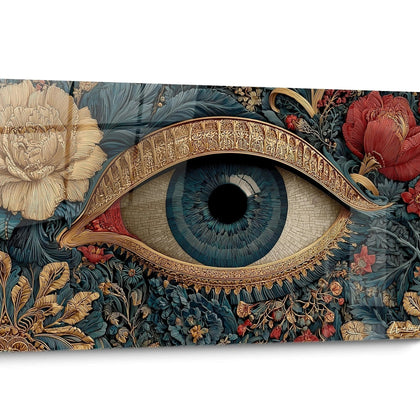
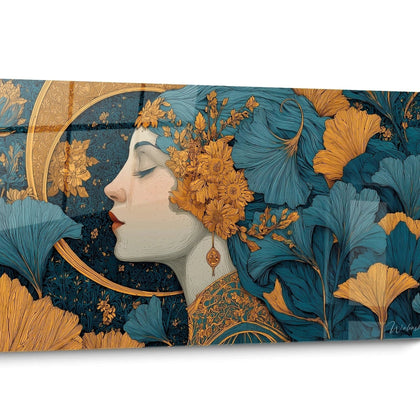
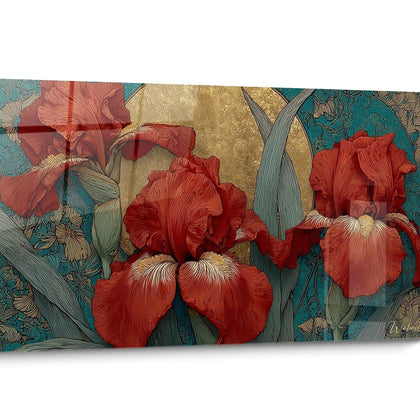
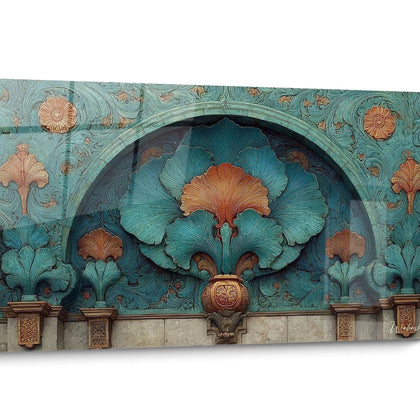
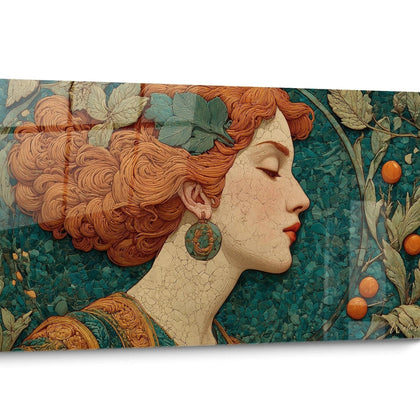

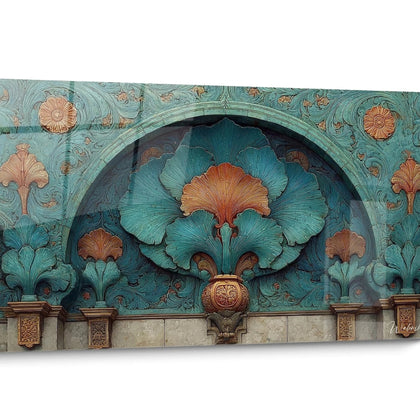
All about Art Nouveau Portrait Wall Art
- Presentation Nouveau Art Portrait
- Portrait feminine and allegorical representation
- Ornamentation and framing motifs
- Atmosphere and symbolism of the 1900 portrait
The Nouveau Art portrait embodies the very essence of this artistic period where the representation of the human figure reaches an unparalleled decorative dimension. Between 1890 and 1910, artists redefine the genre of portraiture by merging it with lush ornamentation, transforming each face into a veritable hymn to stylized beauty. These large-scale works capture the spirit of an era where art becomes commonplace, where each portrait transcends its primary function to become an aesthetic manifesto. Acquiring a large-size Nouveau Art portrait for your contemporary interior allows you to recreate this refined Belle Époque atmosphere, while bringing a majestic visual presence that radically transforms the atmosphere of a living space.
The iconography of women in decorative Nouveau Art portraiture
The Nouveau Art portrait favors the representation of women as the main vector of artistic expression. Female figures embody sophisticated allegories - seasons, arts, virtues - where every garment detail and every symbolic attribute tells a complex visual story. These large-format portraits go beyond simple photographic resemblance to offer a decorative transformation where women become living ornamental motifs.
How to recognize an authentically Nouveau Art female portrait?
The authenticity of a Nouveau Art portrait is revealed in the treatment of the hair, veritable cascading waves that follow the contours of the frame. Hair becomes vegetal architectures, blending with garlands of flowers and decorative arabesques. The represented jewelry is never trivial: it amplifies the ornamental dimension of the portrait, creating focal points that guide the eye through the composition. The posture of the models frequently adopts this characteristic languor, this delicate inclination of the head that gives the portrait its meditative character.
The color palette of Nouveau Art portraits
The coloration of Nouveau Art portraits obeys specific codes that radically distinguish these works from traditional academic portraits. Soft pastel shades blend with golden or copper metallic accents, creating this particular luminosity associated with the 1900 aesthetic. A golden Nouveau Art painting amplifies this precious dimension of the portrait, where backgrounds are often treated in solid colors evoking cloisonné enamels or Byzantine mosaics. Complexions adopt refined ivory tones, sometimes enhanced with touches of pink that give faces this almost translucent quality.
What atmosphere to create with a large-size Nouveau Art portrait ?
Integrating a monumental Nouveau Art portrait into a contemporary space immediately generates a sophisticated Belle Époque atmosphere. Large-scale representations of women work particularly well in reception areas where their majestic presence establishes a visual conversation. The combination with furniture with curved lines, textiles with stylized vegetal motifs, or even with complementary collections such as the floral Nouveau Art painting reinforces this aesthetic coherence of the era while maintaining a contemporary decorative freshness.
Portraits with specific tones allow for bold color associations: a portrait dominating orange tones dialogues harmoniously with interiors with autumnal palettes, while orange Nouveau Art paintings bring this enveloping warmth characteristic of chic bohemian interiors.
The decorative architecture of the frame and ornamental borders
The Art Nouveau portrait painting is distinguished by its revolutionary treatment of the frame, where the boundary between portrait and decoration completely fades. Unlike classic portraits where the frame remains distinct from the work, the 1900 aesthetic integrates ornamentation directly into the pictorial composition, creating a decorative continuity that amplifies the overall visual impact of the large-scale work.
The characteristic framing motifs of the 1900 portrait
The borders of Art Nouveau portraits develop a sophisticated ornamental vocabulary where intertwine vegetal volutes, floral tendrils and stylized geometric motifs. These integrated frames function as decorative portals that magnify the central subject while creating additional visual depth. Ornamental cartouches, often positioned at the corners or at the top, sometimes accommodate calligraphed inscriptions that add a literary dimension to the portrait.
The influence of Japanese decorative arts is particularly evident in these framing compositions, with deliberate asymmetries and color blocks that recall ukiyo-e prints. An Art Nouveau architecture painting also shares this same attention to decorative structures that visually organize the representation space.
What role does ornamentation play in reading the portrait?
The abundant ornamentation that characterizes the Art Nouveau portrait painting is never simply a superfluous decorative addition. It actively structures the perception of the work, creating visual rhythms that guide the gaze from the peripheral elements to the central face. The stylized floral motifs that frame the portrait frequently establish symbolic correspondences with the attributes of the person represented: roses for beauty, lilies for purity, poppies for reverie.
How to integrate these ornamented portraits into a minimalist interior?
Paradoxically, a richly ornamented Art Nouveau portrait works remarkably well in a contemporary, uncluttered environment. The decorative abundance of the work creates a unique focal point that dispenses with additional decorative accumulation. In a space with white walls and minimalist furniture, the painting becomes a wall sculpture, a centerpiece that concentrates all visual attention. This approach allows for a full appreciation of the ornamental complexity without visual saturation.
For lovers of specific palettes, portraits with dominant colors allow for subtle chromatic harmonies: Art Nouveau turquoise paintings bring this aquatic freshness that refreshes spaces while maintaining the characteristic sophistication of the style. The association with decorative elements representing stylized fauna, as in Art Nouveau animal paintings, reinforces this aesthetic coherence of the period.
Symbolism and visual storytelling in the Art Nouveau portrait
The Art Nouveau portrait painting transcends the documentary function of the traditional portrait to become a complex symbolic narrative. Every visual element - from the model's posture to the attributes that accompany it - constructs an allegorical tale where mythological references, literary symbolism and fin-de-siècle philosophy blend. These large-scale works function as windows open onto the Belle Époque imagination, a period fascinated by the correspondence between the visible and the invisible.
Recurring symbolic attributes in 1900 portraits
The iconography of Art Nouveau portraiture displays a sophisticated and immediately recognizable symbolic vocabulary. Natural elements occupy a prominent place: specific flowers according to their traditional meaning, exotic birds evoking freedom or exoticism, butterflies symbolizing metamorphosis. Backgrounds are never neutral but integrate stylized landscapes, fantastic architectures, or cosmic motifs - suns, stars, moons - which place the portrait in a dreamlike dimension.
Why choose an Art Nouveau portrait for a professional space?
Installing an Art Nouveau portrait in a professional environment - office, executive suite, reception area - immediately communicates values of cultural refinement and aesthetic attention. These works possess the rare quality of being simultaneously impressive in their dimension and soothing in their compositional harmony. They create a distinguished atmosphere without ostentation, cultivated without pedantry. The allegorical representation of women avoids the pitfall of a portrait that is too personal while maintaining a warm human presence.
For those who wish to explore this aesthetic further, the complete collection of Art Nouveau paintings offers multiple possibilities for thematic and chromatic associations, allowing the creation of coherent decorative ensembles in large spaces.
The evolution of the perception of Art Nouveau portrait over time
These portraits are currently experiencing a remarkable resurgence of interest, after decades of relative neglect. Contemporary aesthetics now values this fusion of figuration and decoration that the modernism of the mid-20th century rejected. Lovers of eclectic interiors particularly appreciate the ability of these works to dialogue with decorative elements from various eras, creating the stylistic blends characteristic of the most inspiring contemporary interiors.
Is an Art Nouveau portrait suitable for a bedroom?
Absolutely, an Art Nouveau portrait brings a meditative dimension perfectly suited to relaxation spaces. Portraits of women with serene expressions create a contemplative atmosphere conducive to relaxation. Favor compositions with soft tones and non-confrontational gazes to preserve the intimacy of the space. The monumental dimension works particularly well above a bed, creating a spectacular decorative canopy effect.
How to combine multiple Art Nouveau portraits in the same space?
Combining multiple Art Nouveau portraits requires chromatic or thematic consistency to avoid visual cacophony. Either favor a series of portraits sharing a similar palette, or a thematic progression - the four seasons, for example. In generous spaces such as staircases or long hallways, a vertical gallery arrangement creates a striking museum-like effect. Maintain regular spacing and align the gazes of the portraits in the same direction to create an overall compositional harmony.
Can Art Nouveau portraits be integrated into an industrial style interior?
This seemingly paradoxical association works remarkably well and is even one of the most successful current decorative trends. The contrast between the ornamental delicacy of the Art Nouveau portrait and the harshness of industrial materials - exposed brick, metal beams, raw concrete - creates a particularly dynamic aesthetic tension. The portrait brings the sophistication and human dimension that temper the potential coldness of industrial spaces, while benefiting from the chromatic neutrality of these environments which showcase it like in a mineral setting.
Further reading
Our articles on this topic
- Art nouveau painting of a woman with long hair: the centerpiece of your bedroom
- How to Choose an Art Nouveau Portrait Painting for an Adult Bedroom
- Art Nouveau fleur de lys painting: creating a romantic wall decor in the bedroom
- Summer woman portrait painting: where to hang it according to your living room's natural light
- Woman portrait painting with an elegant hat: how to place it in a modern living room
- Art Nouveau portrait painting of a woman with flowers: the ideal botanical touch for the living room
L'art qui suscite l'envie
Maison belge d'art mural grand format
14 jourspour changer d'avis*
Protection Walenskyincluse
Fabriquéen Italie
FormatXXL
Kit de fixationtoujours fourni
* Hors tableaux personnalisés et tailles personnalisées


