

Panoramic Dog Wall Art
Our Panoramic format painting Dog collection celebrates the beauty and loyalty of our canine companions in a spectacular horizontal format. Each artwork captures the essence and unique character of dog breeds with a contemporary artistic approach. Perfect for enhancing a living room, bedroom, or office, these panoramic format wall decorations bring elegance and character to your interior. Our selection of large format dog paintings offers a variety of styles ranging from realism to modern graphic design.
 Long-Haired Dog Swimming in Turquoise Water Canvas - Aquatic Immersion - Puli Edition242,90 €
 Golden Dog Running in the Snow Canvas - Winter Escape - Lhassa Apso Edition242,90 €
 Basset Hound Lying Under Furniture - Melancholic Gaze - Basset Hound Edition242,90 €
 Running Basenji Dog Painting in Dynamic Movement - Pure Energy - Basenji Edition242,90 €
 Wall Art Resting Basenji Dog under Pink Blankets - Morning Tenderness - Basenji Edition242,90 €
 Tricolor Shepherd Dog on Misty Rock Wall Art - Guardian of the Heights - Collie Edition242,90 €
 Bloodhound Dog Wall Art Warm Tones - Melancholic Gaze - Bloodhound Edition242,90 €
 Boston Terrier Canvas on Autumn Paved Street - Urban Walk - Boston Terrier Edition242,90 €
 Boston Terrier Hidden Under Blankets - Complicit Gaze - Boston Terrier Edition242,90 €
 White Dog Running Dynamic Chase Pursuing a Squirrel - Vital Momentum - Fox Terrier Edition242,90 €
 Hunting Dog in Motion Through Golden Wheat Fields - Wild Run - Vizsla Edition242,90 €
 Bullmastiff Contemplating Terraced Rice Paddies - Rural Serenity - Bullmastiff Edition242,90 €
 White Dog in Autumn Forest with Golden Reflection Painting - Autumn Mirror - Samoyed Edition242,90 €
 Akita Inu Solitary in Desert Landscape Painting - Golden Solitude - Akita Inu Edition242,90 €
 Weimaraner Pointer Drinking at the Beach at Sunset - Golden Reflections - Weimaraner Edition242,90 €
 White Dog on Rock Facing Misty Mountains Canvas - Contemplation of the Peaks - English Setter Edition242,90 €
 Golden Pug Canvas in Swirling Clouds - Celestial Escape - Pug Edition242,90 €
 German Shepherd Reclined in Golden Tones - Contemplative Gaze - German Shepherd Wall Art Edition242,90 €
 Majestic German Shepherd on Cliff - Guardian of the Heights - German Shepherd Canvas Edition242,90 €
 Dynamic German Shepherd Wall Art in Blue and Gray Tones - Artistic Movement - German Shepherd Edition242,90 €
 German Shepherd in Motion Wall Art - Fauve Bursts - German Shepherd Edition242,90 €
 French Bulldog Blue and White on Wood Terrace Wall Art - Faithful Companion - French Bulldog Painting Edition242,90 €
 Sleeping French Bulldog Canvas on Soft Pink Background - Pastel Tenderness - French Bulldog Canvas Edition242,90 €
 French Bulldog Painting Lying on Beige Linen - Cozy Rest - French Bulldog Painting Edition242,90 €
Explore further
In Panoramic Dog Wall Art
-
 Panoramic format wall art3382
artworks
Panoramic format wall art3382
artworks
-
 Panoramic Abstract Wall Art24
artworks
Panoramic Abstract Wall Art24
artworks
-
 Panoramic Geometric Wall Art16
artworks
Panoramic Geometric Wall Art16
artworks
-
 Panoramic Format Cat Wall Art24
artworks
Panoramic Format Cat Wall Art24
artworks
-
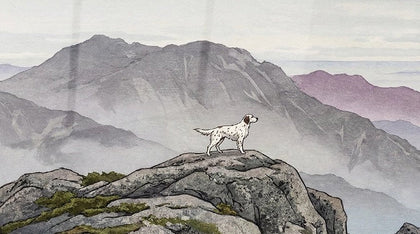 Panoramic Mountain Wall Art12
artworks
Panoramic Mountain Wall Art12
artworks
-
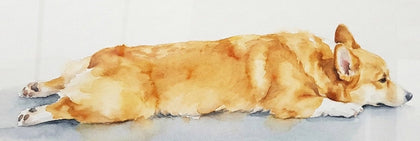 Panoramic Watercolor Wall Art10
artworks
Panoramic Watercolor Wall Art10
artworks
-
 Panoramic Poppy Wall Art11
artworks
Panoramic Poppy Wall Art11
artworks
-
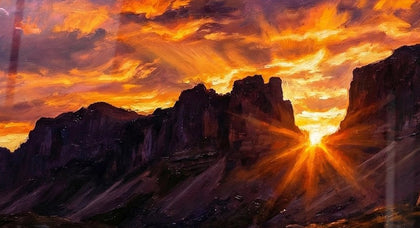 Panoramic Sunset Wall Art Canvas8
artworks
Panoramic Sunset Wall Art Canvas8
artworks
-
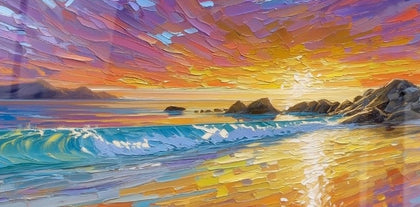 Panoramic Beach Wall Art6
artworks
Panoramic Beach Wall Art6
artworks
-
 Panoramic Calligraphy Wall Art6
artworks
Panoramic Calligraphy Wall Art6
artworks
-
 Panoramic Tree of Life Wall Art9
artworks
Panoramic Tree of Life Wall Art9
artworks
-
 Panoramic Ocean Wall Art10
artworks
Panoramic Ocean Wall Art10
artworks

All about Panoramic Dog Wall Art
- Presentation Panoramic Dog Paintings
- Panoramic Dog Decoration
- Breeds and Elongated Compositions
- Horizontal Wall Integration
Panoramic dog format paintings radically transform the aesthetics of a space by offering an extended visual presence that captures the dynamic essence and nobility of canids. These large-scale wall creations exploit the horizontal ratio to magnify the slender silhouette, natural movement, or intense gaze of our four-legged companions. Unlike traditional formats, the panoramic layout creates a cinematic effect particularly suited to contemporary architectures with long, clear walls. This decorative approach meets the expectations of dog lovers seeking a sophisticated alternative to conventional representations, offering a visual immersion that dialogues with the horizontality of modern spaces while celebrating animal beauty in imposing and spectacular dimensions.
The visual impact of the extended format in dog decoration
The panoramic dog format painting is distinguished by its unique ability to create a linear focal point that naturally guides the eye along the wall. This elongated configuration, often exceeding 120 centimeters in width, completely transforms the spatial perception of a room by introducing a marked horizontality that contrasts with architectural verticals. Dog decoration enthusiasts prefer this format for its ability to capture scenes in motion, such as a dog running in a landscape, or to magnify a profile portrait that fully exploits the available length.
How to choose the right panoramic ratio for your wall space?
Panoramic dimensions vary considerably, with ratios ranging from the classic 2:1 to the ultra-extended 4:1. For a hallway or above a large sofa, a 3:1 ratio offers an optimal balance between visual presence and harmonious proportions. The available height largely determines the success of the installation: a wall with 50 centimeters of usable height can accommodate a 150x50 cm format that maximizes the panoramic effect without appearing disproportionate. Owners of large dogs particularly appreciate these compositions that faithfully restore the real size of their companion.
Dog compositions optimized for the horizontal format
Certain dog representations find their ideal expression in the panoramic format. Scenes of multiple dogs side by side, captures in full action of sprints, or profile portraits accentuating the line of the muzzle exceptionally benefit from this extended layout. Animal photographers now specifically design shots for this format, anticipating horizontal dynamics and strategically positioning the subject in the elongated frame. This compositional approach transforms a simple image into a true visual narrative that unfolds gradually before the viewer.
Integrating a panoramic dog painting into a contemporary interior requires consideration of the surrounding color scheme. Neutral wall tones allow the details of the fur and canine expressions to stand out fully, while the horizontal dimension creates a natural visual connection with low furniture such as buffets, consoles, or headboards. To discover other decorative possibilities with this exceptional ratio, explore our collection of panoramic paintings which offers various themes adapted to elongated spaces.
Dog breeds and preferred panoramic aesthetics
Which dog breeds are best suited to the panoramic format?
The panoramic canvas depicting a dog particularly enhances breeds with slender physiques and streamlined lines. Greyhounds, with their aerodynamic silhouette and natural elegance, find in this format a perfect visual expression that respects their athletic proportions. German shepherd dogs, golden retrievers, or huskies also benefit from this layout when depicted in motion or in expansive landscapes that contextualize their natural environment. Large breeds gain majesty when their imposing stature is captured in a horizontal frame that does not compress their presence.
Multi-subject compositions are increasingly popular among owners of multiple dogs. A panoramic format allows two, three, or even four canine companions to be aligned in a balanced composition that celebrates diversity while maintaining visual consistency. This approach works particularly well for litters, groups of dogs of the same breed, or mixed canine families where each animal retains its individuality while participating in a harmonious ensemble.
Stylistic trends in panoramic canine representation
The universe of canine wall decoration in panoramic format oscillates between photographic hyperrealism and artistic abstraction. Black and white renderings dominate minimalist interiors, where the dramatic contrast between shadows and lights accentuates the timelessness of the composition. Conversely, colorful interpretations with saturated tones seduce eclectic spaces seeking to infuse energy and dynamism. Directional blur effects, simulating movement, add a kinetic dimension particularly suited to the elongated format.
Natural environments constitute the preferred backdrop for large-scale panoramic canine paintings. A dog evolving in an autumn forest, running along a beach at sunset, or crossing a snowy field gains narrative dimension thanks to the horizontal extent that fully contextualizes the scene. This environmental immersion transforms the painting into a virtual window opening onto a universe where the animal reigns in harmony with its natural habitat, creating an invitation to daily visual travel.
The details that make the difference in a large horizontal format
Resolution and sharpness become crucial when enlarging a canine representation in a large panoramic format. Individual hairs, reflections in the eyes, fur textures must retain their precision even when viewed up close. Discerning owners seek pieces where every detail testifies to photographic or artistic work of high quality, capable of withstanding enlargement without loss of definition. This qualitative requirement distinguishes premium works from standard reproductions and justifies the investment in a centerpiece intended to permanently structure a living space.
Installation strategies and panoramic spatial optimization
Where to ideally position a large panoramic dog canvas?
The installation of a panoramic canvas depicting a dog of large dimension requires a strategic approach to the available space. Walls above sofas more than 200 centimeters long constitute the preferred location, creating a visual continuity between the furniture and the wall artwork. Extended hallways, often neglected in interior design, transform into private galleries when a panoramic format structures their length. Modern office spaces also adopt these configurations to humanize professional environments while asserting a distinctive visual identity.
The positioning height differs from classic rules due to the atypical ratio. Rather than vertically centering, designers recommend aligning the upper third of the artwork with eye level when standing, creating a natural visual anchor that respects the ergonomics of sight. This arrangement avoids the "floating" effect that can occur with very horizontal formats hung too high. In double-height spaces or mezzanines, a large panoramic dog artwork can serve as a visual transition element between levels.
Decorative associations and complements for extended format
Unlike conventional symmetrical compositions, a panoramic dog artwork works best as a dominant solitary element rather than integrated into a gallery wall. Its exceptional format gives it a presence sufficient to structure an entire wall alone. However, decorative dog accessories placed on a piece of furniture below – stylized sculptures, thematic objects – can create a thematic continuity without visually competing with the main artwork. Tall plants arranged laterally naturally frame the composition without interfering with its linearity.
Indirect lighting is the optimal solution for enhancing a panoramic format without creating reflections. Adjustable spotlights positioned at a distance project a uniform light that reveals nuances and details without hot spots. LED strips installed behind the artwork create a particularly spectacular peripheral luminous halo in the evening, visually detaching the artwork from the wall and accentuating its immersive dimension. This architectural lighting technique transforms the artwork into a true luminous installation that evolves throughout the day.
Durability and maintenance of large panoramic formats
The imposing dimensions of a panoramic dog artwork require particular attention to structural constraints. Fixing systems must be sized to support weights often exceeding several kilograms, with multiple anchor points distributed along the length to avoid deformations. High-quality rendering materials are more resistant to premature aging and humidity variations that can affect large surfaces. Regular maintenance by gentle dusting preserves the brilliance and contrasts over the long term, ensuring that the investment retains its initial visual impact for years.
Is a panoramic dog artwork suitable for a small apartment?
Paradoxically, a panoramic format can visually enlarge a small space by creating a sense of horizontal openness. The key is to choose a ratio adapted to the available dimensions and a streamlined composition that does not visually clutter the restricted space.
What is the minimum recommended width for an impactful panoramic dog artwork?
To achieve a true panoramic effect that justifies this specific format, a minimum width of 100 centimeters is recommended, with an optimum between 120 and 180 centimeters for standard residential spaces with sufficient clear walls.
Do panoramic dog artworks work in traditional interiors?
Although naturally associated with contemporary architectures, panoramic formats integrate harmoniously into classic interiors when the artistic treatment adopts timeless tones and the canine subject is represented with elegance, creating a sophisticated contrast between architectural tradition and decorative modernity.


