


Panoramic Abstract Wall Art
Our Panoramic format painting Abstract collection transforms your spaces with elegance and modernity. These artistic creations with horizontal abstract compositions captivate with their fluid geometric shapes and bold color palettes. Perfect for large walls, these large format abstract art pieces create a unique contemporary atmosphere. Explore clean designs where lines, colors, and textures dialogue harmoniously to bring depth and character to your interior decoration.
 Fluid Abstract Painting - Organic Marbling - Black and White Abstract Edition242,90 €
 Abstract swirling painting - Cosmic Galaxy - drawing edition242,90 €
 Abstract pink magenta painting - Artistic Momentum - drawing edition242,90 €
 Multicolor Abstract Wall Art - Fragments of Consciousness - Collage Edition242,90 €
 Abstract Red Painting - Explosive Passion - Expressionist Edition242,90 €
 Abstract Red Painting - Carmine Explosion - Expressionist Edition242,90 €
 Abstract Painting Blue Turquoise Colors - Ocean Symphony - Expressionist Edition242,90 €
 Expressionist Abstract Painting - Ardent Energy - Expressionist Edition242,90 €
 Expressionist Abstract Canvas - Creative Explosion - Expressionist Edition242,90 €
 Abstract Black and White Wall Art - Urban Emotion - Minimalist Edition242,90 €
 Abstract Fluid Movement Wall Art - Elegant Swirl - Minimalist Edition242,90 €
 Abstract Explosion of Colors Painting - Urban Dynamism - Minimalist Edition242,90 €
 Colorful abstract canyon painting - Rocky fragments - Gorges and canyons edition242,90 €
 Abstract colored reflections painting - Aquatic symphony - scraped abstract style edition242,90 €
 Abstract Red and Black Wall Art - Gestural Emotion - Calligraphy Edition242,90 €
 Blue and beige abstract painting - Oceanic Fusion - abstract texture edition242,90 €
 Abstract Colorful Flames Painting - Fire Explosion - Abstract Painting Style Edition242,90 €
 Dynamic Abstract Geometric Painting - Explosion of Colors - geometric abstract edition242,90 €
 Abstract Geometric Wall Art - Mondrian Jackson Pollock Fusion - Abstract Geometric Edition242,90 €
 Big Bang Artistic Canvas - multicolor abstract edition242,90 €
 Misty Undulating Pearl Canvas - Modern Abstract Edition242,90 €
 Infinite Caress White Wall Art - modern abstract edition242,90 €
 Sensual Magenta Mist Canvas - Modern Abstract Edition242,90 €
 Big Bang Pictural Wall Art - Graffiti Edition242,90 €
Explore further
In Panoramic Abstract Wall Art
-
 Panoramic format wall art3634
artworks
Panoramic format wall art3634
artworks
-
 Panoramic Geometric Wall Art16
artworks
Panoramic Geometric Wall Art16
artworks
-
 Panoramic Format Cat Wall Art24
artworks
Panoramic Format Cat Wall Art24
artworks
-
 Panoramic Dog Wall Art24
artworks
Panoramic Dog Wall Art24
artworks
-
 Panoramic Mountain Wall Art12
artworks
Panoramic Mountain Wall Art12
artworks
-
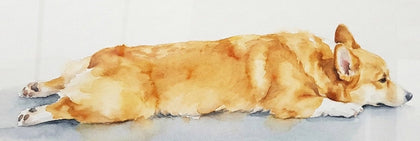 Panoramic Watercolor Wall Art10
artworks
Panoramic Watercolor Wall Art10
artworks
-
 Panoramic Poppy Wall Art11
artworks
Panoramic Poppy Wall Art11
artworks
-
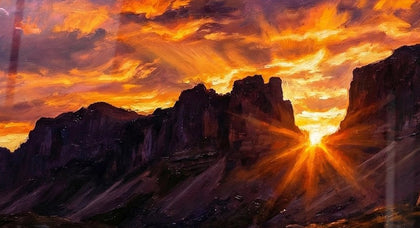 Panoramic Sunset Wall Art Canvas8
artworks
Panoramic Sunset Wall Art Canvas8
artworks
-
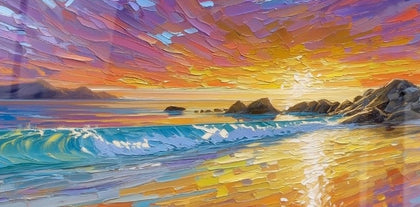 Panoramic Beach Wall Art6
artworks
Panoramic Beach Wall Art6
artworks
-
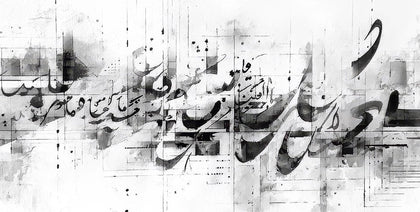 Panoramic Calligraphy Wall Art6
artworks
Panoramic Calligraphy Wall Art6
artworks
-
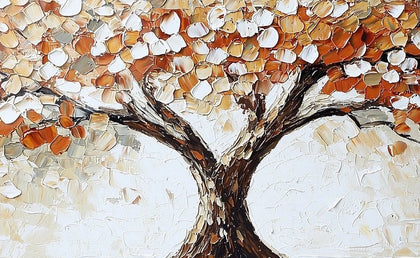 Panoramic Tree of Life Wall Art9
artworks
Panoramic Tree of Life Wall Art9
artworks
-
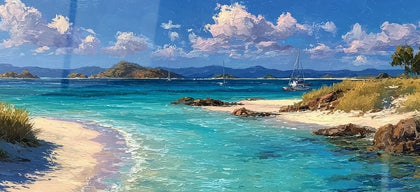 Panoramic Ocean Wall Art10
artworks
Panoramic Ocean Wall Art10
artworks


All about Panoramic Abstract Wall Art
- Presentation Painting Panoramic Abstract
- Visual Horizontal Dynamism
- Extended Abstract Composition
- Architectural Integration
Discover the striking visual impact of a painting panoramic format abstract in your contemporary living space. This fusion of spectacular horizontal proportion and non-figurative expressionism creates a captivating wall presence that radically transforms spatial perception. Designed in large dimensions, these panoramic abstract wall decorations stand as architectural elements in their own right, visually structuring volumes while bringing a sophisticated artistic depth. The combination of the stretched format and abstraction releases a unique horizontal dynamic that dialogues with modern architectural lines.
Horizontal Expansion Serving Contemporary Abstraction
The painting panoramic format abstract masterfully exploits the extended proportion to create an incomparable lateral visual movement. This prolonged horizontal configuration naturally amplifies abstract gestures, chromatic gradients, and geometric compositions over a distance that guides the gaze in an uninterrupted visual journey. Panoramic formats frequently measuring 150 to 240 cm in width allow abstract artists to develop color progressions, shape superimpositions, and material games that unfold like a horizontal visual narrative.
Why does the panoramic format intensify abstract expression?
The horizontal extension offers a considerably expanded mental projection surface for abstract interpretation. Unlike square or vertical proportions, the abstract panorama encourages a sequential reading that accompanies the natural movements of the human gaze. Panoramic abstract compositions allow for subtle chromatic transitions impossible on restricted formats, creating evolving atmospheres from one side to the other of the support. This scale also favors the integration of multiple visual points of interest linked by a global abstract coherence.
Visual rhythms and extended chromatic sequences
Panoramic abstract creations exploit the available length to establish syncopated visual rhythms alternating zones of intense concentration and spatial breaths. Glazes, expressionist splashes, or minimalist geometries are articulated according to a horizontal temporality that transforms observation into an immersive experience. Large panoramic dimensions allow for the integration of progressive tonal variations that evoke abstract horizons, mental landscapes, or materialized energy flows in pure color and form.
This extended horizontal configuration naturally dialogues with contemporary architectures favoring large openings and clear perspectives. A painting panoramic format abstract strategically positioned creates a visual continuity with bay windows, the horizontal planes of designer furniture, and modern structural lines, unifying the space in a sophisticated geometric harmony.
Non-Figurative Abstraction and Panoramic Decorative Power
How does panoramic abstraction redefine wall presence?
The painting abstract panoramic format transcends simple wall decoration to become an architectural element that modifies spatial perception. The absence of figurative reference frees the imagination while firmly anchoring the composition in the physical materiality of the space. Extended vertical heights with moderate but considerable width create a lateral expansion effect that visually widens rooms, particularly effective in rectangular spaces or panoramic hallways requiring structuring aesthetic enhancement.
Panoramic abstract compositions offer a interpretive versatility that evolves according to lighting conditions and viewing angles. The same work reveals different nuances throughout the day, the slanting morning lights highlighting certain textures while the zenithal midday lighting intensifies chromatic contrasts. This perceptual variability transforms the decor into a living presence that naturally accompanies daily rhythms.
Compositional strategies specific to abstract panorama
Artists using the abstract panoramic format develop specific compositional approaches: horizontal stratification of superimposed color planes, degraded progressions traversing the entire width, rhythmic repetitions of geometric motifs creating visual cadences, or even gestural explosions organized according to a logic of directional flow. These strategies transform dimensional constraints into a unique expressive opportunity.
The shades used in panoramic abstractions play on extended ranges allowing for subtle transitions. Nuanced monochromes exploit infinitesimal tonal variations over the available length, while bold polychromes organize colorful dialogues between distant zones of the support. Large panoramic formats amplify the emotional impact of chromatic choices, a deep blue hue evoking oceanic immensity, warm ochres recalling abstract geological strata, or intense blacks creating vertiginous spatial depths.
Strategic Insertion of the Panoramic Abstract Painting into Interior Architecture
The successful integration of a painting in panoramic abstract format requires prior architectural analysis identifying dominant visual axes and strategic wall surfaces. Preferred locations include the longitudinal walls of reception areas, surfaces above extended horizontal seating (modular sofas, contemporary benches), and structural partitions structuring transitions between functional zones. The positioning height is adjusted according to the natural line of sight, generally between 145 and 165 cm for the lower third of the support.
Which spaces optimally enhance a large-format abstract panorama?
Architectural environments with generous volumes and clean lines constitute the ideal context for monumental abstract panoramic paintings. Converted industrial lofts, contemporary residences with open plans, prestigious professional spaces (reception halls, executive meeting rooms), and design hotels particularly well exploit this configuration. The affirmed horizontal presence visually structures vast wall surfaces that would otherwise appear deserted.
Panoramic hallways and circulation galleries exceptionally benefit from this type of artistic expression. A panoramic abstract painting installed along the axis of movement accompanies the motion, its length naturally extending the architectural perspective. This synergy between artistic format and spatial configuration transforms transitional areas into enhancing aesthetic experiences, sublimating spaces often decoratively neglected.
Decorative associations and furniture complements
The decorative environment accompanying the abstract panoramic painting favors complementary sobriety. Low, horizontal-lined furniture (suspended consoles, lacquered buffets, design banquettes) reinforces the lateral dynamic without visual competition. Annex decorative elements remain discreet: thin vertical sculptures creating a dimensional counterpoint, architectural vegetation in minimalist pots, directional lighting highlighting the pictorial texture without glare.
Is a panoramic abstract painting suitable for standard ceilings?
Absolutely, these formats adapt perfectly to conventional ceiling heights of 240-270 cm. Their horizontal rather than vertical development preserves harmonious proportions while maximizing visual impact. For cathedral or double-height ceilings, panoramic formats with increased height (80-100 cm) maintain the appropriate visual presence.
What is the optimal viewing distance to fully appreciate an abstract panorama?
The ideal distance is generally equivalent to 1.5 to 2 times the total width of the support, allowing a global perception of the composition while authorizing the approach to appreciate the textural details and chromatic nuances. This flexibility of observation is a major advantage of panoramic abstractions.
Do abstract panoramic paintings enhance professional spaces?
Remarkably, these creations bring visual sophistication and architectural distinction to corporate environments. Their non-figurative character avoids controversial interpretations while asserting a marked contemporary aesthetic identity, particularly appreciated in creative, technological, and strategic consulting sectors.
Further reading
Our articles on this topic
- Panoramic blue and beige abstract seascape painting: how to choose the right size and placement
- Abstract music painting in panoramic format: the right choice for a hallway
- Panoramic abstract painting: the trick to unifying an open kitchen and living room
- Large-format modern abstract painting: the solution for unifying an open-plan living space
- Large-Format Abstract Painting for a Modern Meeting Room: What Your Wall Says About Your Company
- What Abstract Landscape Painting to Choose to Enhance a Spacious Living Room?
L'art qui suscite l'envie
Maison belge d'art mural grand format
14 jourspour changer d'avis*
Protection Walenskyincluse
Fabriquéen Italie
FormatXXL
Kit de fixationtoujours fourni
* Hors tableaux personnalisés et tailles personnalisées


