









Panoramic Tree of Life Wall Art
The Panoramic format artwork Tree of Life transforms your space with its majestic dimension and profound symbolism. This collection celebrates the connection between earth and sky through horizontal compositions that magnify walls. Each panoramic tree of life wall decoration evokes growth, balance, and spirituality in a spectacular elongated format. Perfect for the living room or bedroom, this tree artwork large format sacred brings harmony and character to your contemporary interior decoration.
 Tree of life canvas with autumn colors and golden foliage on panoramic canvas - Autumn Symphony - Tree of life edition242,90 €
 Majestic tree painting with golden branches on nuanced beige background - Golden Wisdom - Tree of Life Edition242,90 €
 Majestic tree painting with golden foliage on light beige background - Autumn serenity - Tree of life edition242,90 €
 Majestic tree artwork with green and golden tones on light beige background - Timeless Serenity - Tree of life edition242,90 €
 Beige and Green Textured Tree Foliage Wall Art on Cream Background - Natural Harmony - Tree of Life Edition242,90 €
 Turquoise and Cream Tree Wall Art with Windswept Foliage - Eternal Breath - Tree of Life Edition242,90 €
 Tree with golden and ochre leaves canvas on textured beige canvas - Autumn Symphony - Tree of Life Edition242,90 €
 Twisted tree artwork with golden branches on turquoise and cream background - Golden Serenity - Tree of Life Edition242,90 €
 Wall art tree with sinuous golden branches over mountainous landscape - Millennial wisdom - Tree of life edition242,90 €
Explore further
In Panoramic Tree of Life Wall Art
-
 Panoramic format wall art3382
artworks
Panoramic format wall art3382
artworks
-
 Panoramic Abstract Wall Art24
artworks
Panoramic Abstract Wall Art24
artworks
-
 Panoramic Geometric Wall Art16
artworks
Panoramic Geometric Wall Art16
artworks
-
 Panoramic Format Cat Wall Art24
artworks
Panoramic Format Cat Wall Art24
artworks
-
 Panoramic Dog Wall Art24
artworks
Panoramic Dog Wall Art24
artworks
-
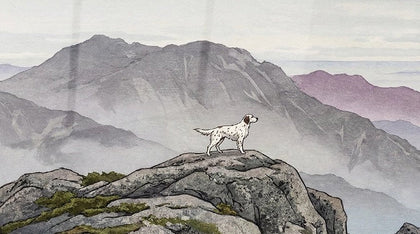 Panoramic Mountain Wall Art12
artworks
Panoramic Mountain Wall Art12
artworks
-
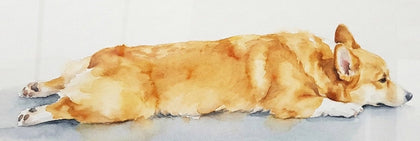 Panoramic Watercolor Wall Art10
artworks
Panoramic Watercolor Wall Art10
artworks
-
 Panoramic Poppy Wall Art11
artworks
Panoramic Poppy Wall Art11
artworks
-
 Panoramic Sunset Wall Art Canvas8
artworks
Panoramic Sunset Wall Art Canvas8
artworks
-
 Panoramic Beach Wall Art6
artworks
Panoramic Beach Wall Art6
artworks
-
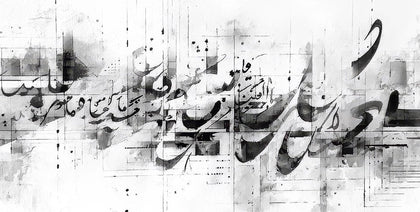 Panoramic Calligraphy Wall Art6
artworks
Panoramic Calligraphy Wall Art6
artworks
-
 Panoramic Ocean Wall Art10
artworks
Panoramic Ocean Wall Art10
artworks

All about Panoramic Tree of Life Wall Art
- Panoramic Tree of Life Canvas Presentation
- Visual Impact Wide Format
- Symbolism and Spirituality
- Optimal Wall Integration
The panoramic format Tree of Life canvas represents a remarkable fusion between ancestral symbolism and modern elongated format. This specific variation transforms the traditional motif of the cosmic tree into a horizontal composition that naturally adapts to contemporary architecture. The extended proportions allow the foliage, trunk, and roots to develop along an unusual horizontal axis, creating a visual narrative that unfolds laterally. This particular format is especially suited to meditation spaces, professional reception areas seeking a calming spiritual presence, and large living areas requiring a horizontal focal point. The iconography of the ancient tree gains majesty through the panoramic extension that amplifies its message of balance, growth, and universal connection.
Horizontal Extension Serving the Cosmic Symbol
The panoramic format Tree of Life canvas exploits horizontal amplitude to deploy the entire symbolic structure across an unusual width. Unlike square or vertical representations, this extended version allows the root depth and foliage span to develop simultaneously in an uninterrupted visual continuum. The generous dimensions, often exceeding 120 centimeters in width, transform the motif's perception by creating an immersive effect comparable to a panoramic window overlooking a mythological landscape.
Which visual composition to prioritize for a stretched format?
The horizontal structure demands balanced distribution of symbolic elements: the central trunk typically occupies the middle third, while roots extend leftward and branches extend rightward, creating dynamic symmetry. Some contemporary interpretations position multiple trees in panoramic succession, evoking a sacred forest or different growth stages. This narrative approach leverages available space to tell a story of transformation, seasonal cycles, or connection between earthly and celestial worlds.
Specific advantages of the elongated ratio for this spiritual motif
The panoramic format accentuates the symbol's meditative reach by guiding the gaze in a natural horizontal sweeping movement. This visual kinetics promotes prolonged contemplative states, particularly valued in yoga spaces, holistic therapy studios, or energetic practice environments. Lateral amplitude also permits integrating complementary elements: lunar cycles, constellations, totem animals, or runic symbols that enrich the esoteric dimension without overloading the composition. Large dimensions strengthen energetic presence in spacious volumes, transforming the panoramic format canvas into a true visual portal.
Impact of extended proportions on symbolic interpretation
Horizontal extension profoundly modifies traditional motif interpretation. Roots, often condensed in standard formats, gain complexity and detail here, symbolizing deep grounding in ancestral knowledge and collective memories. Simultaneously, the canopy can develop with richness evoking consciousness expansion, infinite possibilities, and spiritual aspirations. This duality amplified by the format creates visual balance between rootedness and elevation, matter and spirit, past and future.
Spiritual and Energetic Dimension of Extended Format
The panoramic format Tree of Life canvas transcends its decorative function to become a tool for inner transformation. The ancient symbol, present in Celtic, Nordic, Kabbalistic, and Hindu traditions, finds in the horizontal extension a new expression of its universal message. The cosmic tree simultaneously represents the world's axis, spiritual genealogy, initiatory journey, and the interconnection of all life forms. The elongated format permits visualizing this interconnection as an extended network rather than simple verticality.
How does this format amplify the symbolism of the three worlds?
Esoteric tradition divides the Tree of Life into three spheres: the subterranean world of roots (unconscious, ancestors, latent potential), the median world of the trunk (manifested reality, present actions), and the celestial world of the canopy (aspirations, divine, higher consciousness). Panoramic stretching allows developing each level with equal attention, creating harmonious tripartite balance. Descending roots can include aquatic or telluric symbols, the trunk representations of animals or seasons, and the foliage celestial patterns or sacred geometry.
Energetic alignment in wellness spaces
Practitioners of feng shui, vastu shastra, and geobiology frequently recommend the panoramic format Tree of Life canvas for harmonizing energy flows in therapeutic spaces. Positioned facing the main entrance of a treatment room, it channels incoming energies along the natural horizontal axis of sight. Imposing dimensions create a visual field that immediately captures attention and induces mental pace reduction, preparing the client or patient for a receptive state. Some therapists use it as guided meditation support, inviting visualization of a journey along the branches.
What messages does this symbol convey in a professional context?
Beyond personal spaces, the panoramic format Tree of Life canvas asserts itself in professional environments seeking a visual identity carrying enduring values. Family businesses adopt it to symbolize generational transmission and organic growth. Organizations focused on sustainable development find a visual metaphor for their ecological commitments. Coworking spaces and training centers integrate it to represent continuous learning, skill interconnection, and collective fulfillment. Its panoramic presence creates a visual convergence point during meetings, anchoring exchanges in a long-term perspective.
Wall Integration Strategies for Maximum Impact
Installing a panoramic format Tree of Life canvas requires specific architectural reflection. Extended dimensions, often ranging between 120 and 200 centimeters in width, impose precise planning to fully exploit visual and symbolic potential. The optimal placement depends less on universal rules than on the function assigned to the artwork: focused meditation, diffused energetic presence, or architectural statement.
Which placements reveal the horizontal format's potential?
Longitudinal walls in corridors transform these transitional spaces into contemplative galleries where the symbol accompanies physical movement, creating a metaphor for spiritual journey. Above low elongated furniture like a buffet, console, or bench, the canvas establishes balanced vertical composition while preserving visual flow. In open loft-type spaces, the panoramic format can serve as a visual separator between functional zones without obstructing light, subtly delimiting a rest area from an active space.
Importance of lateral clearance for symbolic interpretation
A large-format panoramic Tree of Life canvas requires minimum breathing space of 30 centimeters on each side so the composition doesn't appear confined. This margin allows the eye to embrace the entire symbol in a single ocular movement, facilitating absorption of its overall significance. Room corners should be avoided as they visually fragment the motif. Favoring central wall sections or spaces between two openings creates natural framing that reinforces the artwork's presence.
Decorative associations amplifying the spiritual dimension
The immediate visual environment profoundly influences symbol reception. Large indoor plants positioned on either side create dialogue between representation and living vegetation, reinforcing nature connection. Indirect light sources placed beneath the canvas project upward illumination evoking growth and elevation. Discreet addition of crystals, pebbles, or dried branches on surrounding furniture establishes thematic coherence without falling into decorative excess. Some owners create true secular altars where the panoramic symbol becomes the focal point of daily ritualized space.
FAQ - Frequently Asked Questions
Is a panoramic format Tree of Life canvas suitable for professional spaces?
Absolutely, its universal symbolic dimension and calming quality adapt perfectly to waiting rooms, therapy offices, mediation spaces, and executive offices seeking an atmosphere of wisdom and balance.
What minimum width should be prioritized for a panoramic format Tree of Life canvas?
To preserve the characteristic visual impact of panoramic format, a minimum width of 120 centimeters is recommended, allowing harmonious development of the root and foliage motifs.
Does a panoramic format Tree of Life canvas require a completely clear wall?
While preferable, a completely bare wall isn't essential. The key is avoiding immediate visual competition with other strong graphic elements, thus preserving symbol legibility and its meditative impact.


