


Knight Paintings for Children
Dive into a fascinating medieval universe with our knight paintings for children! Each artwork illustrates courageous knights in armor, ready to defend their kingdom against dragons and enemies. Give your child inspiring decoration full of adventure. A knight painting is perfect for stimulating imagination and transporting young explorers into heroic stories.
 Knight Artwork No. 2 - Kids Edition273,90 €
 Knight Wall Art No. 1 - Kids Edition273,90 €
In the same family
Also explore the theme Children
-
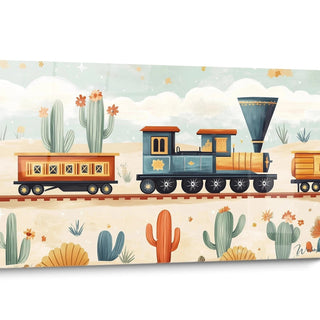 View all54
artworks
View all54
artworks
-
 Angels for Children3
artworks
Angels for Children3
artworks
-
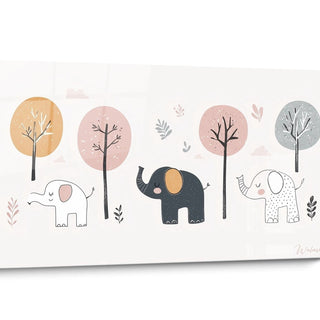 Children's Drawings2
artworks
Children's Drawings2
artworks
-
 Children's Dinosaurs3
artworks
Children's Dinosaurs3
artworks
-
 Kids Miscellaneous26
artworks
Kids Miscellaneous26
artworks
-
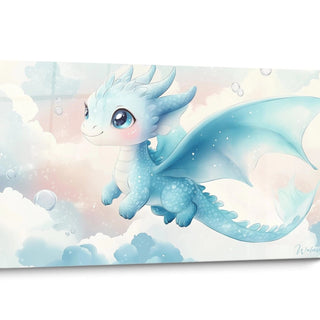 Dragons for children2
artworks
Dragons for children2
artworks
-
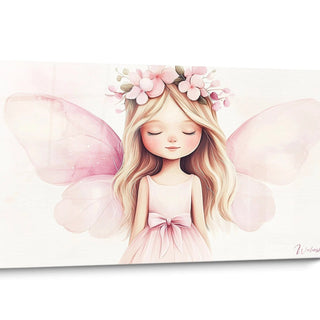 Magical for children3
artworks
Magical for children3
artworks
-
 Unicorns for Children3
artworks
Unicorns for Children3
artworks
-
 Pirates for Kids2
artworks
Pirates for Kids2
artworks
-
 Princesses for Children2
artworks
Princesses for Children2
artworks
-
 Witches for Kids2
artworks
Witches for Kids2
artworks
-
 Trains for children2
artworks
Trains for children2
artworks
-
 Vampires for Kids2
artworks
Vampires for Kids2
artworks


All about Knight Paintings for Children
- Presentation Knight Wall Art for Children
- Knight wall art for children and imagination development
- Knight wall art for children and medieval decoration
- Knight wall art for children and chivalric values
Discover our selection of knight wall art for children, specially designed to transform your little one's bedroom into a true medieval kingdom. These exclusive wall decorations transport children into the fascinating world of knights, with their gleaming armor, legendary swords and heroic quests. Knight wall art does more than beautify a space—it stimulates imagination, teaches noble values and accompanies your child through dreams of adventure. Choosing quality knight wall art means offering far more than simple wall decoration—it opens the door to an enchanted world where courage, honor and bravery come to life every day. Browse our wall art for children and find the one that will make your little knight's eyes shine.
Knight Wall Art for Children: A Gateway to Medieval Imagination
Knight wall art for children represents far more than simple wall decoration—it's a genuine gateway to a world of medieval adventures that captivates young minds. Unlike classic illustrations, these chivalric representations specifically stimulate narratives of heroism and legendary quests.
How does knight wall art influence children's imaginative play?
The impact of knight wall art on a child's imagination is remarkable and unique. Positioned strategically in the bedroom, it becomes an anchor point for elaborate play scenarios. Children draw inspiration directly from the depicted scenes to create their own tales of chivalry, developing their narrative abilities in ways that other themes simply cannot facilitate.
Child development specialists recognize that medieval iconography, particularly that of knights, encourages the resolution of complex problems. A child exposed daily to these images naturally integrates concepts of strategy, perseverance in the face of obstacles and initiatory quest.
The specific visual elements that stimulate chivalric imagination
Knight wall art stands out through its characteristic visual elements that serve as narrative triggers. Fortified castles with multiple towers become kingdoms to defend, depicted helmets and armor inspire heroic identities, while colorful coats of arms encourage children to create their own personal symbolism.
The particular perspective used in these illustrations—often a slightly elevated view of tournament or battle scenes—positions the child as a strategist, stimulating tactical thinking in a manner unique to chivalric representations.
The specific color variations in knight wall art, dominated by heraldic reds, golden armor tones and medieval blue skies, create an immersive atmosphere that other themes cannot reproduce with the same intensity.
What stories does knight wall art inspire before bedtime?
Bedtime transforms knight wall art into an exclusive story generator. Parents regularly report that these illustrations facilitate the creation of specific evening narratives, where their child becomes the protagonist of personalized chivalric adventures.
These pre-sleep narratives develop an enriched medieval vocabulary that only the chivalric theme permits exploring: dungeons, portcullises, drawbridges, squires and knighthood ceremonies become familiar terms that expand the child's lexicon thematically.
Psychologists confirm that these nightly chivalric tales positively influence dreams, orienting the unconscious toward empowerment scenarios where the child visualizes themselves as a courageous hero overcoming trials—a psychological benefit unique to knight imagery.
Knight wall art as a historical educational tool
Beyond decoration, knight wall art becomes a genuine educational tool for introducing children to medieval history. Detailed representations of equipment, architecture and chivalric customs naturally spark educational questions that other themes don't address.
This daily exposure to medieval iconography facilitates later absorption of historical knowledge in classroom settings. Teachers report that children familiar with quality chivalric representations show increased interest and better understanding during medieval history lessons.
Depicted jousting and tournament scenes particularly stimulate parent-child conversations about codes of honor and social rituals from a fascinating era, creating moments of cultural transmission specific to this theme.
How attachment to knight wall art evolves with age
A remarkable aspect of knight wall art lies in its capacity to evolve with the child. Between ages 3 and 5, it first sparks simple visual attraction to horses and castles. Between 6 and 8, the same illustrations trigger elaborate role-playing games based on chivalric codes.
Approaching ages 9-12, interest transforms into fascination with the historical and technical aspects depicted. The same wall art becomes a support for more precise questions about weaponry, military strategies or feudal organization—a cognitive evolution specific to this theme.
Parents observe that, unlike other thematic decorations often abandoned with age, knight wall art maintains its relevance into pre-adolescence, with chivalric representations continuing to resonate with values appreciated even by older children.
Knight Wall Art for Children: Creating an Immersive Medieval Atmosphere
Knight wall art for children serves as the centerpiece of an authentic and immersive medieval decoration. Unlike other children's decorative themes, the chivalric universe possesses a particularly rich architectural and symbolic identity that dramatically transforms a room's ambiance.
How should you position knight wall art to maximize its visual impact?
The strategic placement of knight wall art follows specific criteria that differ from other wall decorations. The ideal position sits facing the bed, slightly above the child's horizontal line of sight. This arrangement creates an overhang effect that reinforces the impression of grandeur associated with chivalric representations.
Unlike classic illustrations that favor standard height, knight wall art benefits from installation according to a triangular configuration when multiple decorative elements exist in the room. This arrangement subtly recalls the structure of a coat of arms or medieval military formation.
Interior design specialists recommend creating a focal point around the wall art by using soft directional lighting that evokes medieval torches. This specific lighting makes the metallic details of armor and heraldic colors stand out in ways impossible to reproduce with other themes.
Integrating knight wall art into a coherent decorative scheme
Harmonizing knight wall art with the bedroom environment relies on decorative principles specific to the medieval universe. Surrounding colors benefit from adopting the dominant tones of the depicted coat of arms, thus creating a distinctive heraldic continuity.
Surrounding textiles—curtains, comforter, rugs—can subtly integrate patterns inspired by medieval ornaments: interlaces, fleur-de-lis or bicolor checkerboards. These visual references establish an aesthetic dialogue with knight wall art that other themes don't permit.
For complete immersion, surrounding furniture benefits from accents evoking medieval robustness: wrought iron handles, carved details or aged finishes. These tactile elements extend the visual experience of knight wall art into the physical dimension of the space.
What complementary elements will strengthen the knight art universe?
Creating a coherent chivalric environment relies on specific accessories that amplify the central wall art's impact. A simplified canopy above the bed, evoking medieval draperies, establishes direct thematic continuity with the depicted scenes.
Shelves shaped like castle crenellations, specifically designed for the chivalric universe, offer storage surfaces while reinforcing thematic immersion. These miniature architectural elements create a three-dimensional extension of the world represented in the wall art.
Adding strategic decorative objects like a small trunk at the foot of the bed, a stylized lantern or a sword-shaped coat rack establishes daily interaction points with the medieval universe. This tactile and functional dimension distinguishes the chivalric experience from other more passive themes.
Seasonal evolution of decoration around knight wall art
The decorative environment of knight wall art can evolve with the seasons, reflecting the climate variations in medieval narratives. In winter, thicker textiles in dark colors evoke castle interiors during the cold season, with plaids recalling period tapestries.
In spring and summer, lighter elements can introduce the vibrant colors of medieval tournaments and festivities. Simplified pennants or mobiles representing colorful coats of arms bring a festive dimension that dialogues directly with potentially depicted jousting scenes in the wall art.
This seasonal adaptability, particularly relevant for the chivalric universe with its stark contrasts between castle life and military campaigns, offers a dynamic decorative experience that few other themes permit exploring with such historical coherence.
Lighting impact and reflections on knight wall art
Managing natural light around knight wall art merits particular attention. Ideally, the artwork benefits from lateral lighting that emphasizes armor reliefs and accentuates the shadow and light contrasts characteristic of chivalric representations.
For rooms with low natural light, installing indirect light sources, concealed behind miniature architectural elements like small decorative turrets, creates a mysterious ambiance conducive to nightly chivalric narratives.
Surrounding surfaces benefit from matte finishes rather than glossy ones, to avoid parasitic reflections on the wall art. This approach reinforces the authenticity of the medieval ambiance, an era when reflective surfaces were rare outside specific armory rooms depicted in the wall art.
Knight Wall Art for Children: Transmitting Noble Values Through Imagery
Knight wall art for children distinguishes itself fundamentally from other wall decorations through its intrinsic educational dimension. Beyond aesthetics, it conveys a set of traditional values that constitute a genuine visual moral code for a child's development.
What specific values can knight wall art instill in a child?
Chivalric iconography possesses a unique symbolic richness. Courage, represented by scenes of confrontation with imposing adversaries, inspires children to face their own daily challenges. This regular visualization of self-transcendence serves as a constant reminder that obstacles can be overcome.
Loyalty, illustrated through the relationship between knight and lord or fellow-in-arms, subtly introduces the notion of commitment and fidelity to one's word. This relational dimension, specific to chivalric representations, complements family education about the importance of keeping promises.
Perseverance, symbolized by quests and long journeys undertaken, teaches patience and determination toward distant objectives. Parents report that visual reference to these heroic journeys concretely helps their children conceptualize the prolonged effort necessary for learning new skills.
How can knight wall art be integrated into discussions about personal ethics?
Knight wall art becomes a privileged mediation tool for addressing complex moral themes in an accessible manner. Representations of knighthood ceremonies or chivalric oaths naturally open conversations about honor and integrity, allowing parents to anchor these abstract concepts in concrete imagery.
Scenes depicting the protection of the vulnerable, characteristic of the chivalric ideal, facilitate discussions about empathy and responsibility toward others. Educators confirm that these constant visual references significantly reinforce altruistic behaviors in children regularly exposed to this iconography.
The duality between strength and restraint, embodied by the knight capable of combat yet sometimes choosing clemency, subtly introduces the notion of controlled power. This sophisticated ethical nuance, specific to chivalric imagery, considerably enriches the child's moral development.
How the child's perception of chivalric code evolves
The child's relationship to the moral code conveyed by knight wall art evolves significantly with age. Between 4 and 6 years, attraction concentrates primarily on the heroic aspect and spectacular actions depicted, inspiring games centered on bravery and physical exploits.
Between 7 and 9 years, more nuanced understanding emerges: the child begins integrating the concepts of merit and service that underpin chivalric honors. The wall art becomes a support for reflection on notions of personal sacrifice and the common good.
From age 10 onward, the social dimension of chivalric code becomes perceptible. The child draws parallels between the medieval hierarchies represented and contemporary authority structures, thus developing more sophisticated understanding of responsibilities associated with power and privilege.
Knight wall art as an initiator of family rituals
A particularly interesting phenomenon linked to knight wall art is its influence on establishing family rituals inspired by represented values. Parents report spontaneous creation of weekly "councils of chivalry," where everyone's good actions are recognized and celebrated.
Others testify to instituting small personal achievement ceremonies, directly inspired by depicted knighthood scenes. These symbolic moments strengthen family cohesion while valuing the child's individual progress in personal development.
The presence of knight wall art also inspires "family quests"—thematic challenges, collective projects or shared objectives that adopt the narrative structure of great chivalric missions, thus creating a unique motivational framework that other decorations don't spur.
Dialogue between medieval and contemporary values
The pedagogical richness of knight wall art also resides in its capacity to establish bridges between ancient and modern values. Parents particularly appreciate the possibility of addressing topical questions (respect for differences, non-violent conflict resolution) by leaning on the historical counterpoint offered by chivalric imagery.
The wall art permits introducing nuanced reflections on the evolution of social ideals, distinguishing the timeless aspects of chivalric code (protection of the vulnerable, personal integrity) from the contextual conventions of the medieval period.
This comparative dimension develops early critical thinking in the child about social constructions and collective values, a precious intellectual competency that daily exposure to this specific iconography uniquely fosters.
Frequently Asked Questions About Knight Wall Art for Children
How can you integrate knight wall art into a bedroom shared by brothers and sisters?
For a mixed room, prioritize knight wall art depicting both male and female characters in heroic positions. Inclusive scenes showing armored maidens or actively participating in adventures favor identification among all children. Place the artwork in a neutral space and complement with diverse decorative elements that adopt medieval codes without accentuating gender stereotypes.
At what age is knight wall art most beneficial for a child's development?
The optimal period falls between 5 and 9 years, the phase during which children actively develop moral identity and narrative imagination. At this age, knight wall art serves as concrete support for emerging ethical questions while catalyzing elaborate role-playing games. However, installed from age 3, it already familiarizes the child with rich visual vocabulary that will prepare these later developments.
How do you properly maintain large-format knight wall art for children?
Large knight wall art requires specific maintenance to preserve its brilliance. Prioritize weekly dusting with soft-bristled feather dusters, focusing on textured areas depicting armor and coats of arms. Avoid direct exposure to sunlight, which could alter the characteristic red and blue heraldic pigments. For slightly glossy surfaces, use a slightly dampened microfiber cloth without chemical products.


