


Art & Kitchen
Dive into the delicious world of our Art and Kitchen Wall Art collection, where culinary pleasures come to life through captivating artistic creations. Each gourmet artwork reveals a passion for gastronomy translated into elegant visual expressions that will transform your space. Our collection celebrates culinary tradition in all its forms, from classic still lifes to contemporary interpretations of the art of the table. Ideal for kitchens, dining rooms or living spaces, these artworks evoke conviviality and the art of living. Let yourself be seduced by these creations that nourish the soul as much as the eyes.
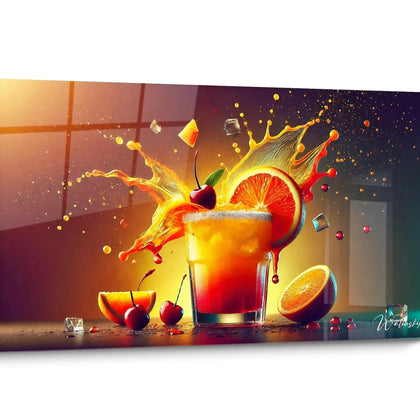
 Zest and Freshness Wall Art - Kitchen Edition233,90 €
 Apple Painting No.1 - Kitchen Edition233,90 €
 Apple Wall Art No. 2 - Kitchen Edition233,90 €
 Apple Painting No.3 - Kitchen Edition233,90 €
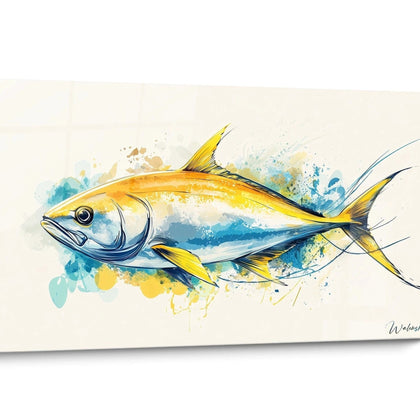
 Fish Painting No.1 - Kitchen Edition233,90 €
 Fish Wall Art No. 2 - Kitchen Edition233,90 €
 Fish Wall Art No. 3 - Kitchen Edition233,90 €
 Cheese Wall Art N°1 - Kitchen Edition233,90 €
 Cheese Wall Art N°2 - Kitchen Edition233,90 €
 Cheese Board N°3 - Kitchen Edition233,90 €
 Cheese Board N°4 - Kitchen Edition233,90 €
 Cheese Wall Art No.5 - Kitchen Edition233,90 €
 Cheese Wall Art No. 6 - Kitchen Edition233,90 €
 Cocktail Wall Art N°1 - Kitchen Edition233,90 €
 Cocktail Wall Art N°2 - Kitchen Edition233,90 €
 Cocktail Painting No.3 - Kitchen Edition233,90 €
 Cocktail Painting No.4 - Kitchen Edition233,90 €
 Cocktail Wall Art No. 5 - Kitchen Edition233,90 €
 Lemon Wall Art No. 1 - Kitchen Edition233,90 €
 Lemon Artwork No.2 - Kitchen Edition233,90 €
 Lemon Wall Art No.3 - Kitchen Edition233,90 €
 Lemon Painting No.4 - Kitchen Edition233,90 €
 Chocolate Painting No.1 - Kitchen Edition233,90 €
 Chocolate Wall Art No. 2 - Kitchen Edition233,90 €
Other families
Explore our other worlds
-
 Best Sellers166
artworks
Best Sellers166
artworks
-
 🔥 The Originals 🔥393
artworks
🔥 The Originals 🔥393
artworks
-
 Abstract4086
artworks
Abstract4086
artworks
-
 Africa608
artworks
Africa608
artworks
-
 Love148
artworks
Love148
artworks
-
 Animals9925
artworks
Animals9925
artworks
-
 Famous Artists ( inspirations )265
artworks
Famous Artists ( inspirations )265
artworks
-
 Asia355
artworks
Asia355
artworks
-
 Around the World1011
artworks
Around the World1011
artworks
-
 Kitchen1545
artworks
Kitchen1545
artworks
-
 Culture222
artworks
Culture222
artworks
-
 Children54
artworks
Children54
artworks
-
 Space473
artworks
Space473
artworks
-
 Celebrations & Seasons670
artworks
Celebrations & Seasons670
artworks
-
 Finance14
artworks
Finance14
artworks
-
 History123
artworks
History123
artworks
-
 Professions148
artworks
Professions148
artworks
-
 Fashion696
artworks
Fashion696
artworks
-
 Artistic Movements793
artworks
Artistic Movements793
artworks
-
 Music649
artworks
Music649
artworks
-
 Myth and Legends184
artworks
Myth and Legends184
artworks
-
 Nature4980
artworks
Nature4980
artworks
-
 Black and white446
artworks
Black and white446
artworks
-
 Landscapes1336
artworks
Landscapes1336
artworks
-
 Retro122
artworks
Retro122
artworks
-
 Science and Mathematics122
artworks
Science and Mathematics122
artworks
-
 Sports & Leisure1246
artworks
Sports & Leisure1246
artworks
-
 Street Art167
artworks
Street Art167
artworks
-
 Primordial Lands150
artworks
Primordial Lands150
artworks
-
 Zen2041
artworks
Zen2041
artworks
-
 Browse all our wall art25001
artworks
Browse all our wall art25001
artworks
-
 Professionnels101
artworks
Professionnels101
artworks


All about Art & Kitchen
- Presentation kitchen wall art
- Wall art for a modern kitchen
- Artistic styles for kitchen
- Kitchen wall art harmony
Culinary art deserves to be accompanied by decor worthy of it. A well-chosen kitchen wall art piece instantly transforms this functional space into a place of inspiration and conviviality. Whether abstract representations with vibrant colors or evocative gastronomic scenes, large-format wall art pieces bring character and depth to your living space. Discover in our different sections how to select the perfect piece that will enhance your kitchen while reflecting your personality.
How to choose wall art for a kitchen with maximum visual impact
Selecting the ideal kitchen wall art represents a major decorative decision that influences the entire atmosphere of this central space in your home. XXL formats, particularly suited to contemporary kitchens, instantly create a captivating focal point. In this section, discover how a large-format wall art piece can radically transform the ambiance of your kitchen.
What dimensions should you prioritize for wall art in a modern kitchen?
The visual impact of a wall art piece depends largely on its proportions relative to the available space. In a spacious kitchen with clear walls, a large-sized piece (100x150 cm minimum) creates an imposing presence that structures the space. For an open kitchen overlooking the living room, choose a panoramic format that guides the eye and reinforces perspective. More modest kitchens will benefit from a medium-format piece positioned strategically to draw attention without overwhelming the space.
Proportion rules are essential: your kitchen wall art should ideally occupy about two-thirds of the width of the wall on which it is installed to create harmonious visual balance. Also consider ceiling height - the higher it is, the more imposing your wall art can be.
- Spacious kitchen: XXL formats (120x180 cm and more)
- Standard kitchen: large formats (90x120 cm)
- Compact kitchen: medium formats with strong visual impact
- Open kitchen: elongated panoramic formats
The importance of strategic placement for your decorative wall art
The placement of your wall art in the kitchen significantly influences its decorative impact. A clear wall facing the kitchen entrance offers a privileged location, creating an immediate impression on anyone entering the room. Spaces above a clear work surface or integrated dining table are also strategic locations where the wall art will be fully appreciated daily.
Avoid installing kitchen wall art too close to cooking areas or splash zones that could damage it. Favor walls opposite windows to avoid reflections that would detract from appreciating the artwork. The ideal hanging height places the center of the piece at eye level (approximately 160 cm from the floor), but can be adjusted according to your kitchen's specific architecture.
How does a large-format wall art piece transform kitchen ambiance?
A large-format wall art piece in a kitchen acts as a true ambiance transformer. It becomes the central element around which decoration is organized and influences the perception of space. In a minimalist kitchen with neutral tones, wall art with vibrant colors instantly brings warmth and personality. Conversely, in a colorful kitchen, wall art with more subdued tones can create a soothing visual anchor point.
The presence of an imposing wall art piece can also modify spatial perception: a horizontal pattern visually lengthens the space, while a vertical pattern accentuates ceiling height. The depicted scenes create visual "windows" that seem to enlarge the space, particularly appreciated in kitchens without external openings.
Technical criteria to consider for wall art in a kitchen
The culinary environment presents specific challenges for decorative elements. Your kitchen wall art will be exposed to humidity, temperature variations, and potentially cooking vapors. Favor works protected by anti-reflective glass or special varnish that facilitates maintenance while preserving the visual integrity of the artwork.
The question of lighting is paramount: poorly lit wall art loses considerable impact. Consider installing directional spotlights or a light strip that will enhance your wall art, particularly in kitchens where natural lighting is limited. Certain lighting systems specially designed for artworks can be discreetly integrated into the ceiling or above the piece.
Current trends for large-format kitchen wall art
Contemporary trends favor abstract wall art with vibrant colors that energize the culinary space. Geometric compositions, particularly suited to modern kitchens, bring rhythm and structure. Subtle gradients and worked textures offer visual depth that enriches the space even with a restricted color scheme.
Large-format panoramic landscape photographs are also experiencing growing success, transforming the kitchen wall into a window to distant horizons. Natural subjects - forests, oceans, mountains - create a soothing connection with nature, counterbalancing the functional aspect of the kitchen.
For those who prefer more classical decoration, contemporary still-life reinterpretations revisit the traditional genre with refined compositions and bold framing. These kitchen wall art pieces echo the culinary purpose of the space while avoiding visual clichés.
Artistic styles that enhance kitchen spaces with decorative wall art
The choice of artistic style for your kitchen wall art deeply influences the atmosphere of this daily space. Each artistic movement brings different energy, capable of radically transforming the perception of your kitchen. From contemporary minimalism to colorful expressionism, let's explore the styles that harmonize particularly well with modern culinary environments.
Geometric abstraction to structure kitchen space
Geometric abstract art, characterized by precise forms and rigorous compositions, brings structure and balance to the culinary environment. Clean lines and defined forms echo the architectural elements of a contemporary kitchen, creating visual continuity that amplifies the impression of space. Kitchen wall art in this style becomes a natural extension of interior design, particularly in refined layouts.
Black and white geometric compositions integrate perfectly into monochromatic kitchens, while colorful compositions can introduce a color palette that will be echoed in accessories and small appliances. The use of simple geometric forms - squares, circles, triangles - creates a universal visual language that structures the space without cluttering it.
- Minimalist compositions with basic forms for refined kitchens
- Modular structures reflecting the functional organization of the space
- Geometric contrasts to enliven a monochrome kitchen
- Depth effects to create an illusion of space
Colorful expressionism to enliven kitchen ambiance
Opposite to geometric rigor, colorful expressionism infuses energy and vitality into the kitchen space. Characterized by vibrant colors and dynamic compositions, this artistic style instantly transforms kitchen atmosphere, particularly effective in neutral or monochrome spaces that would benefit from a color injection.
An expressionist-style kitchen wall art piece becomes a true center of energy, stimulating culinary creativity and conviviality. Fluid movements and vibrant colors evoke the dynamic nature of food preparation, creating subtle thematic resonance with the space's function. To maximize impact, choose a work whose dominant colors can be subtly echoed in a few kitchen accessories.
Which artistic representations resonate with the culinary universe?
Beyond abstract styles, certain figurative representations resonate particularly well with the culinary environment without falling into clichés. Contemporary agricultural landscapes, treated with modern sensitivity, establish a conceptual link with food origins. International market scenes captured with an artistic approach bring enriching cultural dimension to the preparation space.
Architectural representations of convivial spaces - Mediterranean terraces, urban cafés, village squares - echo the social dimension of the modern kitchen, increasingly conceived as a place of sharing and interaction. These kitchen wall art pieces open visual perspectives that symbolically widen the space and invite culinary travel.
The importance of visual textures in a functional environment
The modern kitchen, often dominated by smooth and functional surfaces (work surfaces, appliances, backsplashes), particularly benefits from the introduction of visual textures provided by art. Wall art pieces with pronounced textures - impasto, collages, mixed media techniques - create tactile contrast that enriches the sensory experience of the space.
Works presenting material effects become particularly interesting in the aseptic environment of a contemporary kitchen. They introduce an organic and living dimension that counterbalances the technical aspect of culinary equipment. In a space dominated by functionality, these kitchen wall art pieces with elaborate textures bring contemplative and emotional dimension.
How to adapt artistic style to kitchen architecture
The choice of artistic style should take into account your kitchen's specific architecture. Spaces with clean lines and minimalist aesthetic naturally align with geometric art or colorful minimalism that extends their aesthetics. Industrial-character kitchens harmoniously welcome rougher works with pronounced textures and dynamic compositions reflecting their structural energy.
For kitchens integrated into period or character spaces, contemporary reinterpretations of classical styles create interesting dialogue between tradition and modernity. Kitchen wall art can thus become the articulation point between architectural heritage and contemporary layouts, creating temporal continuity that enriches the space experience.
Open kitchens overlapping living spaces particularly benefit from artistic styles that can serve as visual transition between the different functions of the space. A strategically positioned work at the junction between kitchen and living room can unify the overall aesthetic while subtly delineating functional zones.
Color harmony: choosing kitchen wall art in perfect accord
The color balance between your kitchen wall art and the culinary environment is a determining element in your interior decoration success. Color coherence creates visual harmony that deeply influences space perception. Discover how to select the tones that will enhance your kitchen while creating a personalized atmosphere.
How to analyze your kitchen's existing color palette?
Before selecting wall art, careful analysis of colors already present in your kitchen is essential. Consider not only dominant tones (cabinet facades, backsplash, appliances), but also secondary nuances brought by accessories, fixtures, or work surface. Identify your kitchen's general temperature: does it tend toward warm tones (beiges, wood, terracotta) or cool (grays, whites, blues)?
Also note the materials present that influence color perception: shiny surfaces reflect light and amplify tones, while matte materials absorb more light and soften colors. This preliminary analysis will guide your choice of kitchen wall art in harmony with the existing or in calculated contrast.
- Identify the dominant color of kitchen facades
- Spot secondary tones of accessories and small equipment
- Evaluate light incidence according to orientation and lighting
- Note materials and finishes that influence color perception
Color strategies to integrate wall art in different kitchen styles
For a monochrome kitchen (white, gray, black), two approaches are available: extend this sobriety with wall art in similar nuances enriched by subtle variations, or introduce striking contrast that instantly energizes the space. In a white kitchen, wall art with vibrant colors naturally becomes the focal point that structures the entire decoration.
Colored kitchens (blue, green, red) require a more nuanced approach. Your kitchen wall art can echo the dominant tone by varying its intensities to create visual depth, or introduce complementary colors for sophisticated color balance. For example, in a blue kitchen, wall art incorporating orange touches will create dynamic visual tension based on color complementarity.
For wood kitchens or natural-tone spaces, favor wall art incorporating deep greens, soothing blues, or earthy tones that strengthen the connection with nature. These color palettes naturally harmonize with wood essences while bringing additional visual richness.
How light impacts the color perception of kitchen wall art
Light radically transforms how wall art colors are perceived. A north-facing kitchen receives cool light that intensifies blues and attenuates reds; conversely, south-facing orientation bathes the space in warm light that magnifies ochres and oranges. Consider this orientation when choosing kitchen wall art whose colors will maintain their impact regardless of the time of day.
Artificial lighting also influences color perception. Cool white LEDs accentuate blues and greens, while warm color temperature bulbs (2700-3000K) enhance reds and yellows. If your kitchen has variable-intensity lighting, opt for works with pronounced contrasts that will maintain their visual impact even under dimmed lighting.
Harmonizing wall art colors with contemporary kitchen materials
Contemporary materials used in today's kitchens - stainless steel, glass, polished concrete, quartz - create specific color interactions with wall art. Reflective surfaces like stainless steel or glossy lacquer amplify surrounding colors and can create interesting color reflections. Kitchen wall art with intense colors will see its impact multiplied in an environment with shiny surfaces.
Matte materials like polished concrete, natural stone, or ultra-matte facades create a soothing setting that enhances subtle wall art nuances. In these environments, even works with delicate coloring maintain their visual presence, allowing for more nuanced and sophisticated color choices.
Kitchens incorporating composite materials with pronounced patterns (veined granites, marbled quartz) require particular attention when choosing wall art. Favor works with clear compositions and unified color areas that won't rival the natural patterns of surrounding materials.
How to create coherent visual narrative with other spaces?
In contemporary home concepts favoring open spaces, your kitchen wall art participates in a broader visual narrative encompassing adjacent spaces. Establish subtle color connections with wall art or decorative elements present in the living room or dining room to create a visual thread that unifies the space.
This color strategy doesn't mean uniformity - on the contrary, it allows establishing a tonal progression that naturally guides the eye and reinforces fluidity between spaces. For example, a secondary pattern or color present in your kitchen wall art can become dominant in a living room work, creating subtle yet effective visual connection.
FAQ: Everything you need to know about kitchen wall art
What type of protection should you choose for wall art exposed in a kitchen?
For kitchen wall art, favor protection suited to the culinary environment. Anti-reflective glass treated with UV protection will protect the work from vapors, splashes, and discoloration from light. For large formats, museum-quality plexiglass offers a lighter alternative. A specific sealant applied by a professional framer will ensure the longevity of your wall art in this demanding environment.
How to effectively maintain wall art in the kitchen environment?
Maintaining kitchen wall art requires particular precautions. Regularly dust with a microfiber duster to prevent accumulation of greasy particles. Avoid standard cleaning products that could damage finishes. For light marks, use only a cloth slightly dampened with demineralized water. Annual inspection by a professional will verify general condition and allow intervention if necessary. To complete your research, don't hesitate to explore all our wall art collections to discover compositions with varied themes.
What is the lifespan of large-format wall art in a kitchen environment?
The longevity of kitchen wall art depends mainly on its initial quality and protection. With appropriate framing (UV-protective glass, professional sealant) and judiciously chosen placement (away from direct heat and moisture sources), quality wall art will maintain its brilliance for 15 to 20 years. Works printed on professional supports with pigmented inks offer increased resistance to discoloration, essential in a kitchen's bright environment.


