


Abyssinian Cat Wall Art
Dive into the fascinating world of the Abyssinian, this feline with unique ticked coat and piercing gaze. Our wall art collection captures the natural elegance of this ancestral breed, evoking the lands of Ethiopia. Each artwork celebrates the athletic silhouette and curious personality of this cat with a lively temperament. Bring a touch of refined exoticism to your home.
 Abyssinian Cat Watercolor Artwork - Wild Elegance - Abyssinian Cat Edition213,90 €
Explore further
In Abyssinian Cat Wall Art
-
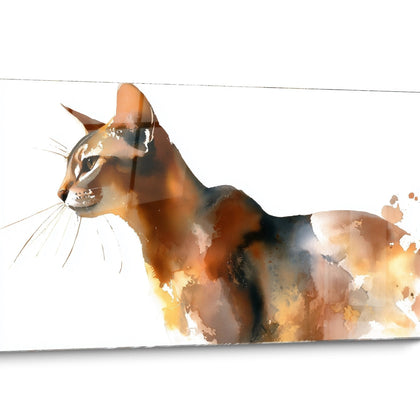 Abyssinian Cat Watercolor Wall Art4
artworks
Abyssinian Cat Watercolor Wall Art4
artworks
-
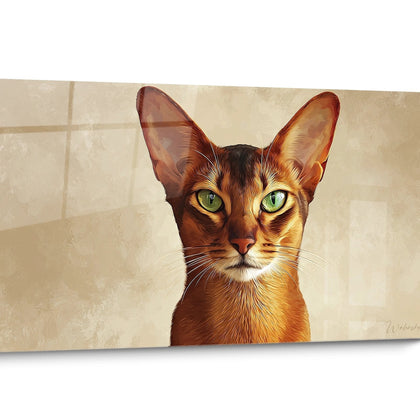 Abyssinian Cat Portrait Wall Art17
artworks
Abyssinian Cat Portrait Wall Art17
artworks
-
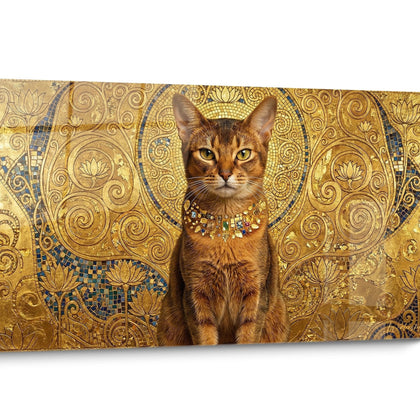 Golden Abyssinian Cat Wall Art20
artworks
Golden Abyssinian Cat Wall Art20
artworks
-
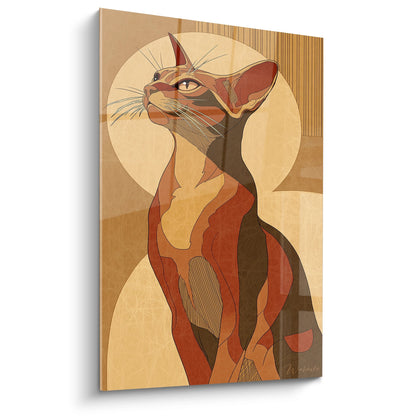 Abyssinian Cat Geometric Wall Art4
artworks
Abyssinian Cat Geometric Wall Art4
artworks
-
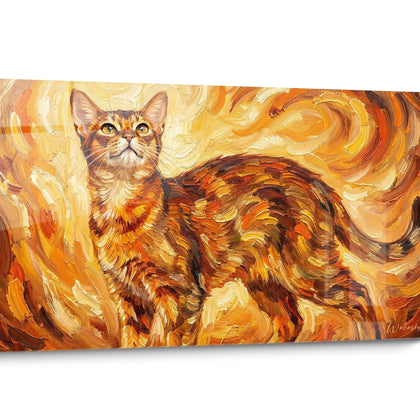 Modern Abyssinian Cat Wall Art21
artworks
Modern Abyssinian Cat Wall Art21
artworks
-
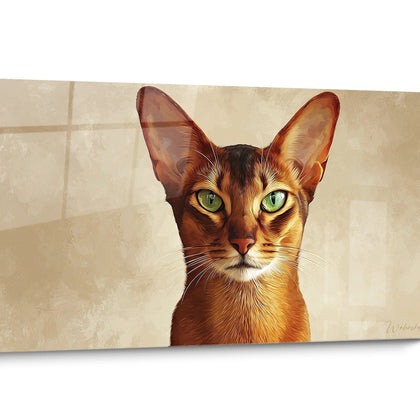 Realistic Abyssinian Cat Wall Art12
artworks
Realistic Abyssinian Cat Wall Art12
artworks
-
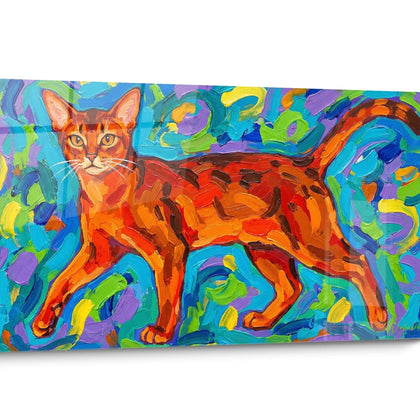 Abyssinian Cat Pop Art Wall Art3
artworks
Abyssinian Cat Pop Art Wall Art3
artworks
-
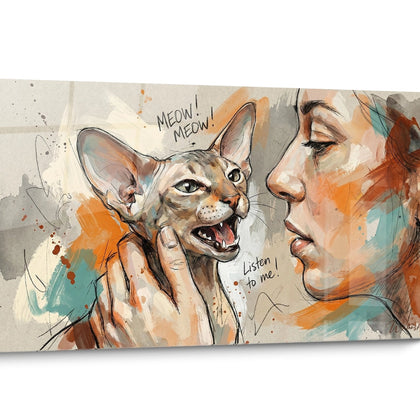 Peterbald Cat Wall Art26
artworks
Peterbald Cat Wall Art26
artworks
-
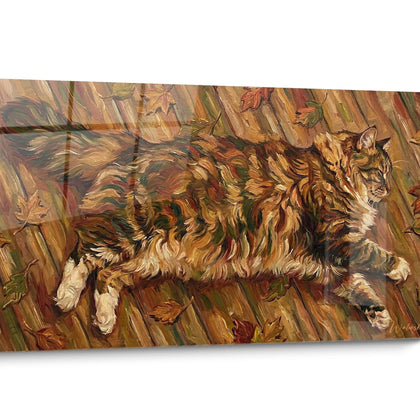 Ragamuffin Cat Wall Art21
artworks
Ragamuffin Cat Wall Art21
artworks
-
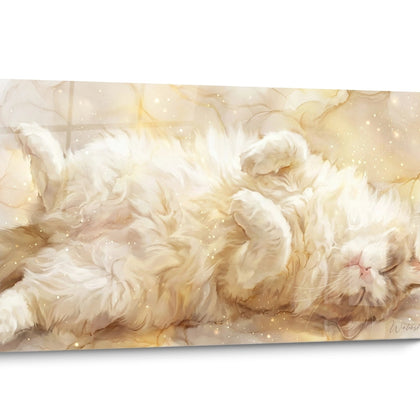 Ragdoll Cat Wall Art21
artworks
Ragdoll Cat Wall Art21
artworks
-
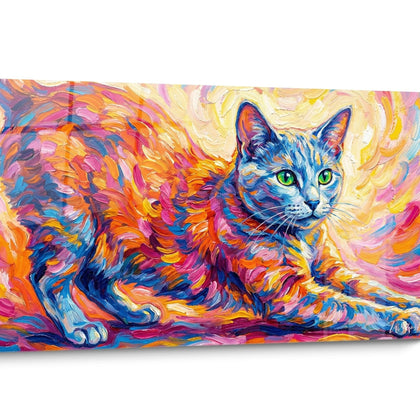 Russian Blue Cat Wall Art16
artworks
Russian Blue Cat Wall Art16
artworks
-
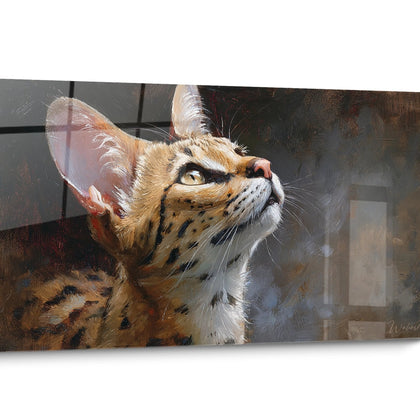 Savannah Cat Wall Art22
artworks
Savannah Cat Wall Art22
artworks
-
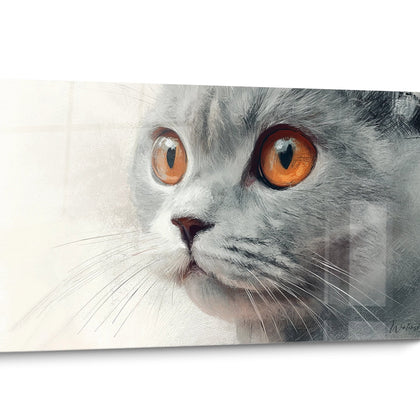 Scottish Fold Cat Wall Art17
artworks
Scottish Fold Cat Wall Art17
artworks
-
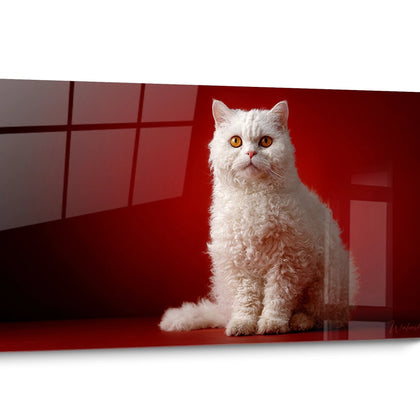 Selkirk Rex Cat Wall Art19
artworks
Selkirk Rex Cat Wall Art19
artworks
-
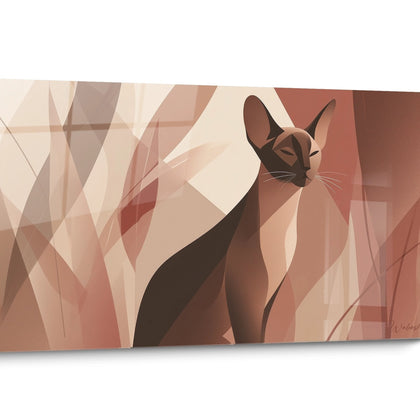 Serengeti Cat Wall Art19
artworks
Serengeti Cat Wall Art19
artworks
-
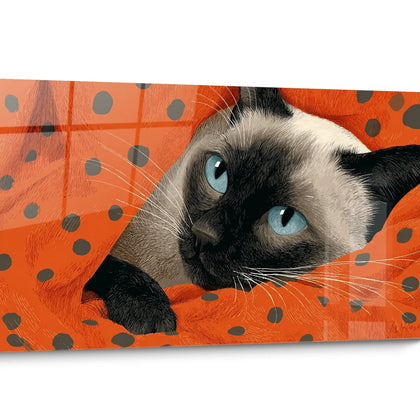 Siamese Cat Wall Art26
artworks
Siamese Cat Wall Art26
artworks
-
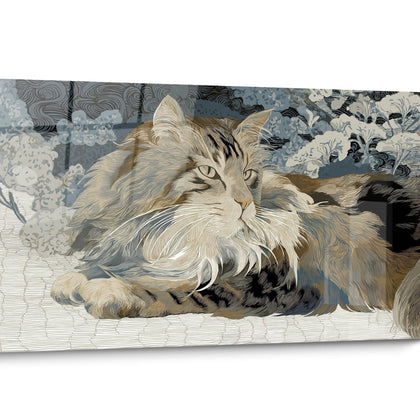 Siberian Cat Wall Art25
artworks
Siberian Cat Wall Art25
artworks
-
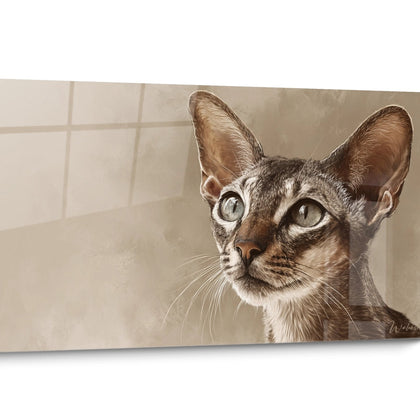 Singapura Cat Wall Art26
artworks
Singapura Cat Wall Art26
artworks
-
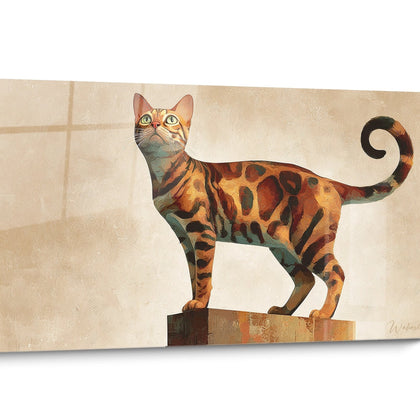 Sokoke Cat Wall Art30
artworks
Sokoke Cat Wall Art30
artworks
-
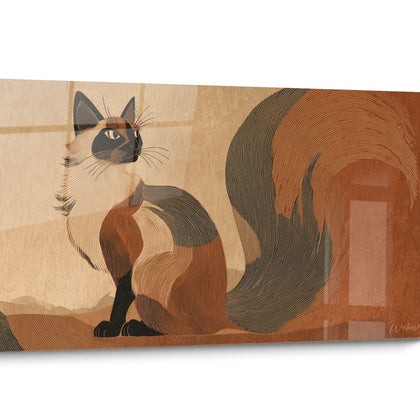 Somali Cat Wall Art19
artworks
Somali Cat Wall Art19
artworks
-
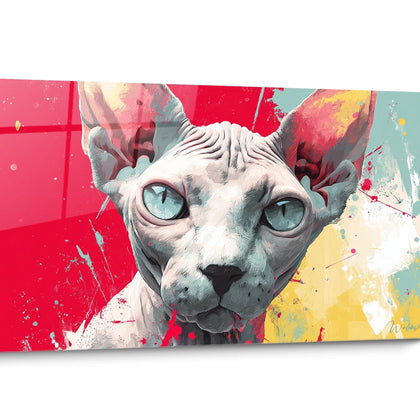 Sphynx Cat Wall Art37
artworks
Sphynx Cat Wall Art37
artworks
-
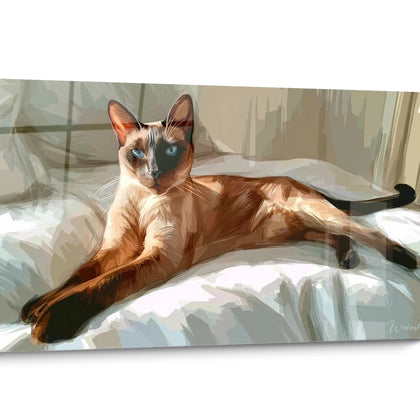 Tonkinese Cat Wall Art22
artworks
Tonkinese Cat Wall Art22
artworks
-
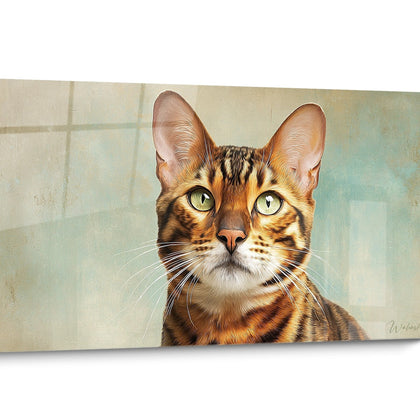 Toyger Cat Wall Art23
artworks
Toyger Cat Wall Art23
artworks
-
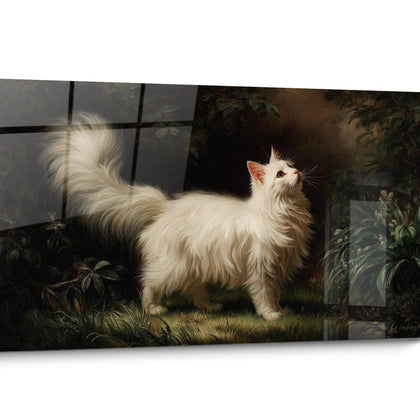 Turkish Angora Cat Wall Art25
artworks
Turkish Angora Cat Wall Art25
artworks
-
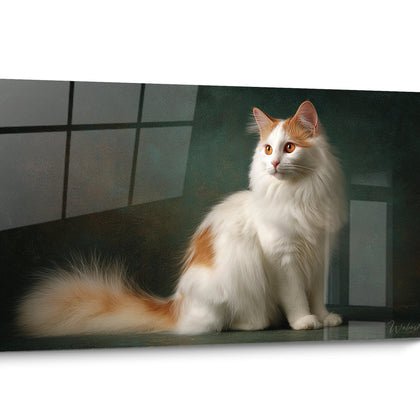 Turkish Van Cat Wall Art20
artworks
Turkish Van Cat Wall Art20
artworks
-
 American Bobtail Cat Wall Art42
artworks
American Bobtail Cat Wall Art42
artworks
-
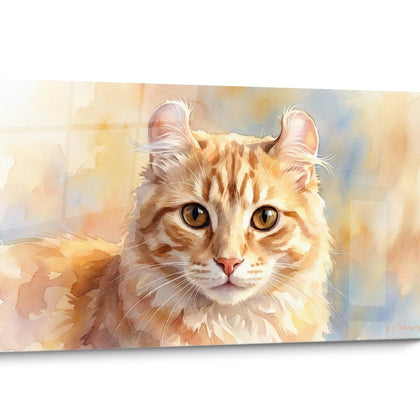 American Curl Cat Wall Art17
artworks
American Curl Cat Wall Art17
artworks
-
 American Shorthair Cat Wall Art24
artworks
American Shorthair Cat Wall Art24
artworks
-
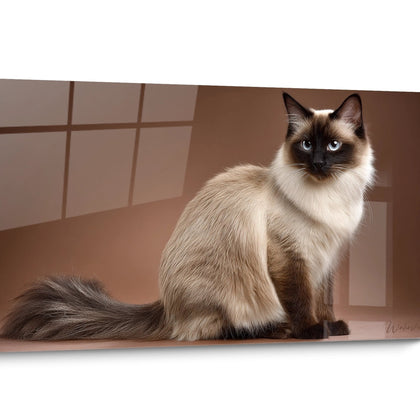 Balinese Cat Wall Art36
artworks
Balinese Cat Wall Art36
artworks
-
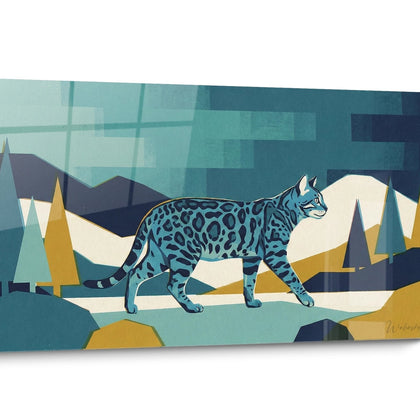 Bengal Cat Wall Art36
artworks
Bengal Cat Wall Art36
artworks
-
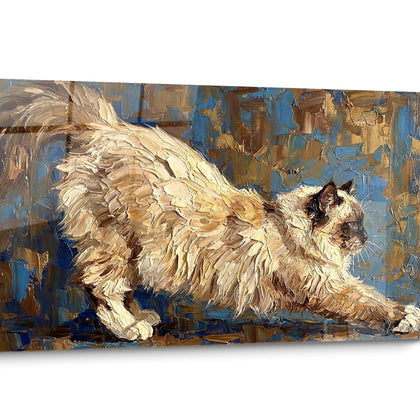 Birman Cat Wall Art53
artworks
Birman Cat Wall Art53
artworks
-
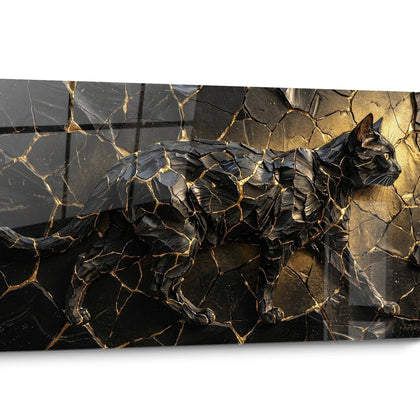 Bombay Cat Wall Art44
artworks
Bombay Cat Wall Art44
artworks
-
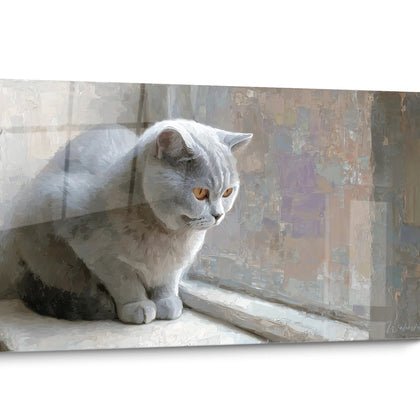 British Shorthair Cat Wall Art31
artworks
British Shorthair Cat Wall Art31
artworks
-
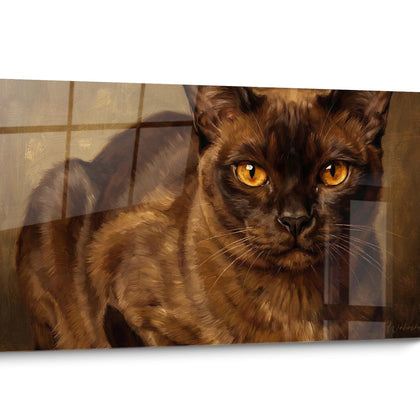 Burmese Cat Wall Art22
artworks
Burmese Cat Wall Art22
artworks
-
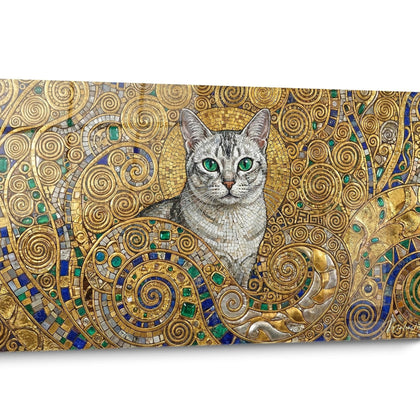 Burmilla Cat Wall Art31
artworks
Burmilla Cat Wall Art31
artworks
-
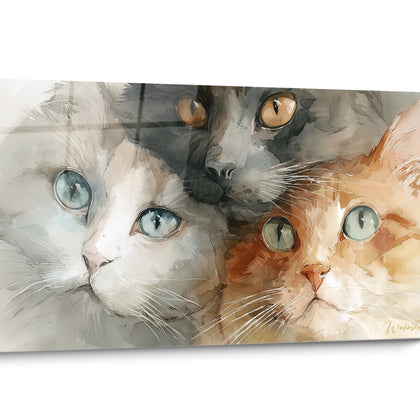 Chartreux Cat Wall Art28
artworks
Chartreux Cat Wall Art28
artworks
-
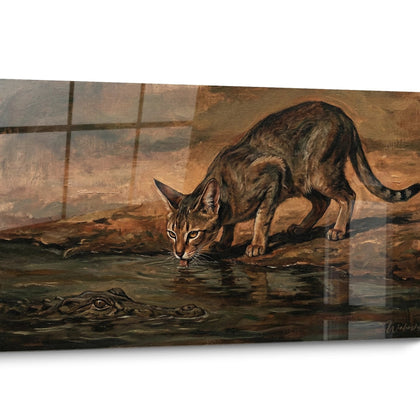 Chausie Cat Wall Art24
artworks
Chausie Cat Wall Art24
artworks
-
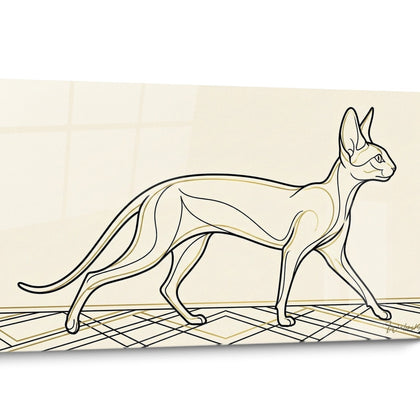 Cornish Rex Cat Wall Art20
artworks
Cornish Rex Cat Wall Art20
artworks
-
 Devon Rex Cat Wall Art16
artworks
Devon Rex Cat Wall Art16
artworks
-
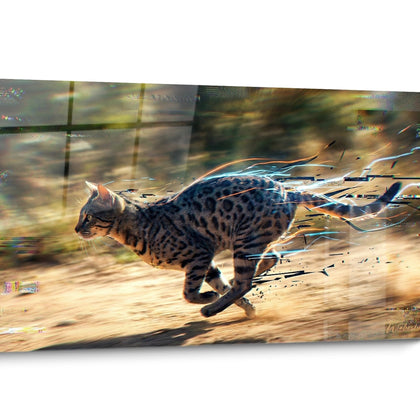 Egyptian Mau Cat Wall Art16
artworks
Egyptian Mau Cat Wall Art16
artworks
-
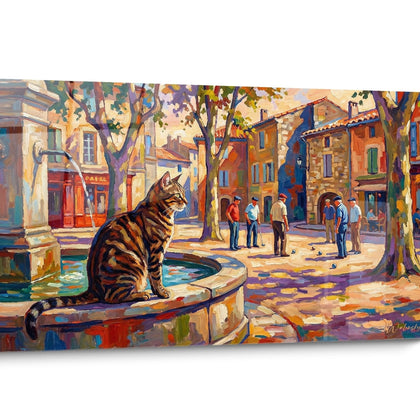 European Shorthair Cat Wall Art18
artworks
European Shorthair Cat Wall Art18
artworks
-
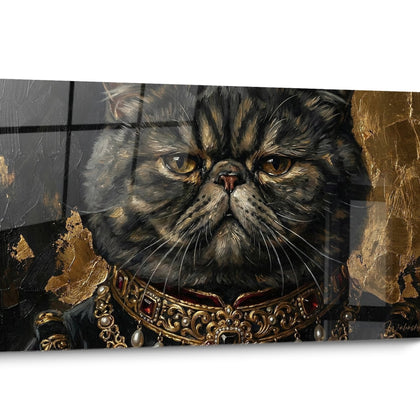 Exotic Shorthair Cat Wall Art23
artworks
Exotic Shorthair Cat Wall Art23
artworks
-
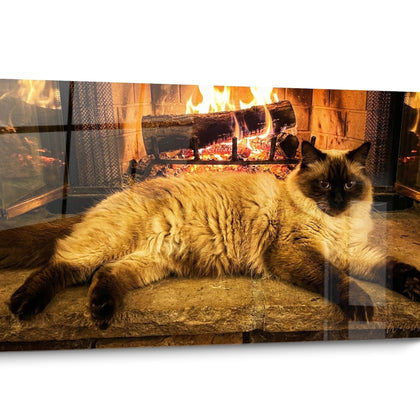 Himalayan Cat Wall Art16
artworks
Himalayan Cat Wall Art16
artworks
-
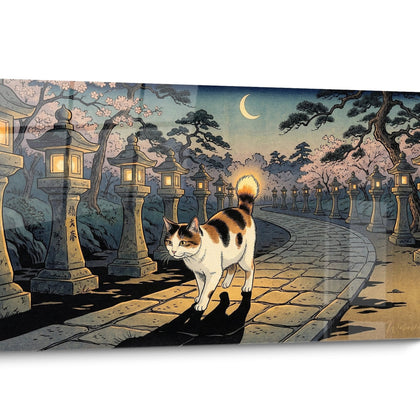 Japanese Bobtail Cat Wall Art15
artworks
Japanese Bobtail Cat Wall Art15
artworks
-
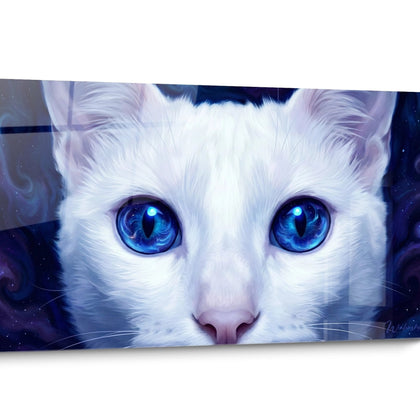 Khao Manee Cat Painting17
artworks
Khao Manee Cat Painting17
artworks
-
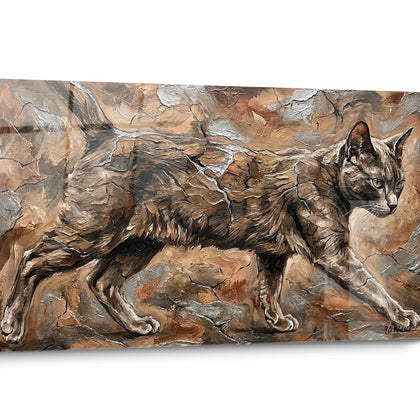 Korat Cat Wall Art18
artworks
Korat Cat Wall Art18
artworks
-
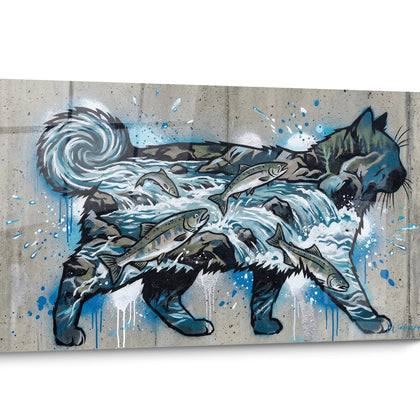 Kurilian Bobtail Cat Wall Art14
artworks
Kurilian Bobtail Cat Wall Art14
artworks
-
 Laperm Cat Wall Art15
artworks
Laperm Cat Wall Art15
artworks
-
 Lykoi Cat Canvas10
artworks
Lykoi Cat Canvas10
artworks
-
 Maine Coon Cat Wall Art26
artworks
Maine Coon Cat Wall Art26
artworks


All about Abyssinian Cat Wall Art
- Abyssinian Cat Wall Art Presentation
- Cat wall art Abyssinian: artistic authenticity
- Wall art Abyssinian cat: Egyptian heritage
- Abyssinian cat wall art: coat colors
The Abyssinian cat wall art celebrates one of the most ancient and mysterious feline breeds. With its unique ticked coat, almond-shaped golden eyes, and athletic silhouette evoking the sacred felines of ancient Egypt, the Abyssinian deserves an artistic representation worthy of its natural elegance. Discover how to select a large-format wall art piece that truly captures the essence of this exceptional feline.
Abyssinian Cat Wall Art: Capturing the Essence of the Thousand-Glimmer Feline
The Abyssinian cat wall art represents a unique artistic challenge in the universe of feline decoration. This breed, recognizable among all others thanks to its ticked coat where each hair displays multiple color bands, demands a representation that transcends simple animal photography. An Abyssinian frozen in a static pose loses all its magic. It is in movement, in this characteristic muscular tension, that the soul of this athletic feline resides.
Feline art enthusiasts who specifically seek wall art representing this breed know how to recognize an authentic work. The piercing gaze with amber reflections, the broad alert ears positioned like antennae capturing every sound, the slender tail carried with pride: every detail counts for connoisseurs of this prestigious breed.
The ticked coat: visual signature impossible to falsify
What immediately distinguishes an authentic Abyssinian cat wall art from a generic representation? The rendering of the agouti coat, also called ticked tabby. Unlike the stripes or spots of other breeds, each hair of the Abyssinian displays an alternation of light and dark bands. This genetic particularity creates an effect of depth and luminosity that artists must master to produce a credible work.
On a large-format cat wall art piece, this effect becomes even more spectacular. The generous dimensions allow appreciation of the subtle chromatic variations that traverse the Abyssinian's coat. A 120×70 cm format or larger offers sufficient space for the artist to faithfully reproduce this particular texture, creating an impression of living coat that seems to quiver under the viewer's gaze.
Why do the eyes of the Abyssinian fascinate artists so much?
The almond-shaped eyes of the Abyssinian constitute the focal point of any successful artistic representation. Their distinctive shape, emphasized by a natural dark makeup line reminiscent of Egyptian kohl, immediately evokes ancient representations of sacred cats. The color palette ranges from emerald green to deep gold, sometimes with hazel nuances in certain individuals.
Quality Abyssinian wall art captures this intensity of gaze. The characteristic expression mingles intelligence, curiosity, and a touch of mischief that defines the temperament of this breed. Abyssinian owners instantly recognize this piercing gaze that seems to follow the viewer across the room, creating a powerful emotional connection with the artwork.
The athletic silhouette: between power and grace
The Abyssinian possesses a muscular and slender body that distinguishes it from more massive breeds. This hunter's morphology, inherited from its African ancestors, lends itself particularly well to dynamic representations. A large-format wall art piece allows showcasing:
- Powerful shoulders and developed chest
- Fine yet muscular paws, perfect for acrobatic leaps
- The elegant dorsal line ending in a slender tail
- The graceful neck carrying a triangular head with soft contours
How to recognize a faithful artistic representation?
Before investing in a large-format Abyssinian cat wall art piece, verify several criteria of breed authenticity. The ears must be wide at the base, well-spaced, and slightly tilted forward. The profile presents a gentle curve without sharp break. The facial structure forms a moderate triangle with rounded lines, never angular like a Siamese.
The depicted body must suggest suppleness and agility rather than roundness. The Abyssinian is a feline built for action, capable of impressive leaps and daily acrobatics. A successful wall art work captures this contained energy, this impression that the cat could bound out of the frame at any moment. Seasoned collectors favor representations that transmit this characteristic dynamism.
The importance of format in sublimating details
Abyssinian wall art deserves a format equal to its subject. Reduced dimensions do not do justice to the complexity of the ticked coat or the expressiveness of the gaze. The 150×100 cm or 180×120 cm formats allow total immersion in the world of this exceptional feline. The visual impact of such a work instantly transforms the atmosphere of a living room or office.
Premium materials such as acrylic glass or Dibond aluminum particularly enhance representations of Abyssinians. The depth of colors and sharpness of details reach a level impossible to reproduce on ordinary supports. For enthusiasts who wish to honor their feline companion or simply celebrate the beauty of this ancestral breed, only high-end print quality truly suffices.
The Abyssinian and Ancient Egypt: Wall Art Laden with History
Abyssinian cat wall art carries within it millennia of history and mystery. This breed, whose origins are lost in the mists of time, displays a striking resemblance to feline representations from Pharaonic Egypt. Tomb frescoes, bronze statuettes, illustrated papyri: everywhere appear felines with dignified bearing and warm coats that irresistibly evoke the modern Abyssinian.
Choosing wall art representing this breed is to invite into one's home a fragment of this millennial connection between humans and felines. The Abyssinian embodies this privileged relationship, this quasi-divine status granted to cats in Egyptian civilization. A large-format art work celebrating this feline transcends mere decoration to become a powerful cultural symbol.
Bastet and the Abyssinian: an obvious artistic lineage
The goddess Bastet, protector of the home and motherhood, was depicted as a slender cat with a piercing gaze. Bronze statuettes preserved in museums worldwide show a feline with broad ears, a svelte body, and noble expression that corresponds exactly to the current Abyssinian standard. This similarity is probably not fortuitous.
An Abyssinian cat wall art piece incorporating Egyptian aesthetic elements creates wall decoration of rare symbolic depth. The association of the modern feline with hieroglyphic motifs, the ochre and gold tones of the Pharaonic palette, or simply a pose recalling ancient sculptures, generates considerable visual and emotional impact. History and animal art enthusiasts particularly appreciate this cultural dimension.
Why does the Abyssinian evoke the mummified cats of the pharaohs?
Recent genetic analyses have revealed that the Abyssinian indeed descends from feline lineages present in Egypt and Ethiopia since Antiquity. This scientifically established relationship strengthens the link between the modern breed and cats venerated in Pharaonic temples. Feline mummies discovered in necropolises often present morphological characteristics compatible with the Abyssinian type.
This historical connection adds an extra dimension to purchasing large-format Abyssinian wall art. The work no longer merely represents a beautiful feline, but becomes testimony to a human-cat relationship spanning several millennia. For Abyssinian owners conscious of their companion's heritage, this symbolism considerably enriches the emotional value of the wall decoration.
Integrating Abyssinian wall art into Oriental-inspired decoration
Egyptian aesthetics are experiencing renewed interest in contemporary interior decoration. Warm tones, geometric patterns, references to ancient civilizations create sophisticated and timeless atmospheres. Abyssinian cat wall art integrates naturally into this decorative style, serving as a focal point that anchors the entire space.
Successful associations include:
- Brass or bronze accessories evoking Egyptian ritual objects
- Textiles with geometric patterns recalling temple friezes
- Plants such as papyrus or palm reinforcing the Nile atmosphere
- Warm lighting mimicking the golden desert light
The Abyssinian's gaze: window onto the feline soul since Antiquity
Egyptians believed cats possessed supernatural powers, notably the ability to see beyond the visible world. This belief partly explains the sacred status granted to felines and the severity of punishments inflicted on those who harmed them. The modern Abyssinian retains this piercing gaze, this intensity that seems to actually perceive dimensions invisible to ordinary mortals.
Wall art capturing this mystical quality of the Abyssinian gaze creates an almost living presence in the space. Visitors often comment on the impression of being watched, followed by the gaze of the depicted feline. This characteristic, far from being unsettling, adds an interactive dimension to the artwork. The painted or photographed Abyssinian seems to watch over the home, perpetuating the protective role attributed to Bastet.
How does large-format strengthen the historical impact?
Monumental representations of felines dotted ancient Egypt, from colossal sphinxes to temple bas-reliefs. This tradition of grandeur pairs perfectly with large-format Abyssinian wall art. A 200×140 cm format or similar revives this aesthetic of impressiveness, creating a focal point that dominates the space like ancient works.
Printing on acrylic glass or aluminum gives the work a brilliance and depth evoking the polished surfaces of Egyptian ritual objects. This contemporary finish dialogues with ancient heritage, creating a bridge across millennia. Collectors seeking a masterpiece for their interior find in premium large-format Abyssinian wall art an ideal answer to their aesthetic and symbolic expectations.
Choosing Your Abyssinian Cat Wall Art by Coat Color
The Abyssinian cat wall art comes in as many color variations as the breed itself. Four colors are officially recognized by international feline federations: ruddy, sorrel, blue, and fawn. Each possesses its own visual characteristics that significantly influence artistic rendering and integration into an interior. Understanding these nuances allows selecting the wall art piece perfectly adapted to your preferences and decoration.
Abyssinian owners often seek wall art representing the exact coat color of their companion. This quest for authenticity testifies to the profound bond uniting these enthusiasts to their feline. Whether honoring a cat present in the home or perpetuating the memory of a departed companion, chromatic fidelity holds paramount importance in choosing the artwork.
The ruddy Abyssinian: the original and most common color
Ruddy (also called hare or usual) constitutes the historical color of the breed. This warm coat with brown-orange tones and black ticking offers spectacular visual rendering on premium supports. The richness of nuances, ranging from deep copper to golden fawn, creates an artistic palette of great complexity.
Wall art representing a ruddy Abyssinian integrates harmoniously into interiors with warm tonalities. Associations with natural wood, brown leathers, cream textiles, and cream walls work particularly well. The contrast between the luminous coat and a neutral or dark background emphasizes the full beauty of this ancestral color.
What visual difference between sorrel and ruddy on wall art?
Sorrel (or cinnamon) presents an apricot to light copper base with chocolate-brown ticking. This lighter variation than ruddy conveys an impression of lightness and softness. On large-format wall art, sorrel literally radiates, capturing and reflecting ambient light uniquely.
Contemporary interiors with clean lines particularly welcome representations of sorrel Abyssinians. The coat clarity dialogues with luminous spaces, white walls, Scandinavian furniture. This color also suits rooms facing south or west, where intense natural light will sublimate the warm tones of the depicted coat.
The blue Abyssinian: elegance and refinement for sophisticated interiors
Blue constitutes a genetic dilution of ruddy, creating a warm gray-blue coat with slate ticking. This rarer color grants the Abyssinian a particularly distinguished air. On wall art, blue offers different decorative possibilities from traditional warm colors.
Interiors with cool or neutral tones greatly benefit from blue Abyssinian wall art. Association with:
- Anthracite grays and deep blues creates sophisticated harmony
- Pure white generates elegant and modern contrast
- Mustard yellow or copper touches add visual dynamism
- Woodwork painted in pastel tones completes the refined atmosphere
The fawn: rarity incarnate in exceptional wall art
Fawn represents the sorrel dilution, producing an extremely delicate rose-beige coat with café-au-lait ticking. This rarest of the four official colors grants wall art representing it a character of exclusivity sought by knowledgeable collectors.
Large-format fawn Abyssinian wall art constitutes a truly unique piece. The powdered tones accord with feminine and romantic interiors, current trendy nude and blush palettes, or japandi atmospheres merging minimalism and natural warmth. The subtlety of this color requires flawless print quality to reveal all its delicate nuances.
How to coordinate the wall art with existing decoration?
The choice of the depicted Abyssinian color depends on several decorative factors. Chromatic harmony with existing walls, furniture, and textiles guarantees successful integration. However, controlled contrast can also create a striking focal point that energizes the entire space.
For owners wishing to represent their own Abyssinian, the question obviously does not arise. But for breed enthusiasts without a cat at home, color choice offers interesting creative freedom. Consider the overall atmosphere you wish to create: warmth and energy with ruddy and sorrel, sophistication and calm with blue and fawn.
FAQ Abyssinian Cat Wall Art
Is Abyssinian cat wall art suitable as a gift for an owner of this breed?
Absolutely. Abyssinian owners typically develop a deep passion for their feline and appreciate quality artistic representations. Simply verify the coat color of the cat in question to offer wall art faithful to their companion.
What wall art format should be prioritized for a spacious living room?
Spacious living rooms merit generous formats: 150×100 cm minimum, ideally 180×120 cm or larger. These dimensions allow the wall art to establish itself as a focal point without appearing lost in the space. The majestic presence of the Abyssinian then achieves its full amplitude.
Does Abyssinian cat wall art exist in stylized artistic versions?
Yes, beyond realistic representations, some works offer varied artistic interpretations: ancient Egyptian style, contemporary art, graphic minimalism. These variations allow adapting the wall art to different decorative aesthetics while celebrating the distinctive beauty of the breed.
How to maintain large-format Abyssinian cat wall art on premium support?
Supports such as acrylic glass or Dibond aluminum require minimal maintenance. A slightly damp microfiber cloth suffices to eliminate dust. Avoid abrasive products and prolonged exposure to direct sunlight to preserve color brilliance over time.


