


Abyssinian Cat Watercolor Wall Art
The Painting Abyssinian Cat Watercolor celebrates the legendary grace of this feline breed with ancestral origins. This artistic collection captures the essence of the Abyssinian cat through watercolor portraits of cats with delicate and luminous nuances. Each work reveals the lively personality and penetrating gaze characteristic of these majestic felines. Ideal for lovers of artistic feline wall decorations, this collection brings a touch of poetry and elegance to your interior.
 Abyssinian Cat Watercolor Wall Art - Wild Gaze - Abyssinian Cat Edition273,90 €
 Abyssinian Cat Watercolor Painting - Golden Eyes Portrait - Abyssinian Cat Edition228,90 €
 Two Abyssinian Cats Tenderness Painting - Feline Complicity - Abyssinian Cat Edition228,90 €
 Abyssinian Cat Watercolor Artwork - Wild Elegance - Abyssinian Cat Edition228,90 €
Explore further
In Abyssinian Cat Watercolor Wall Art
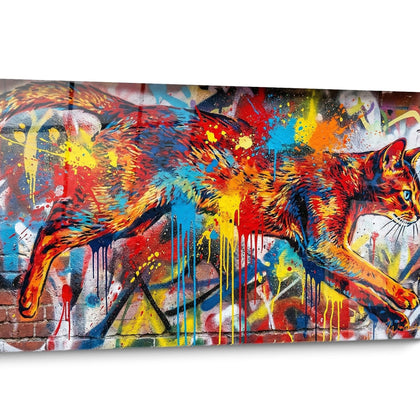
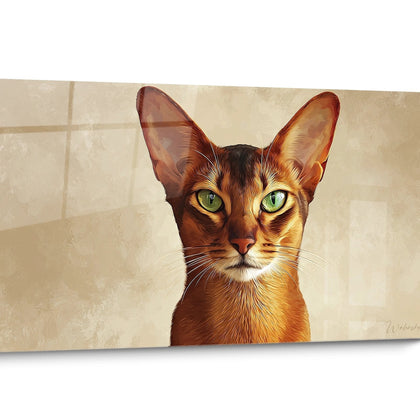
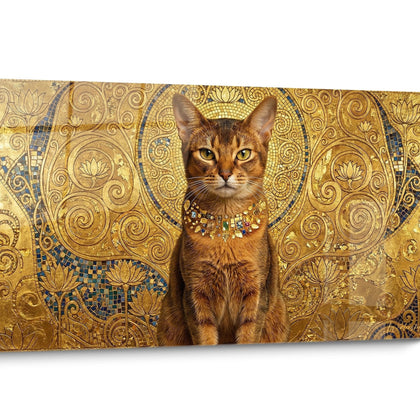
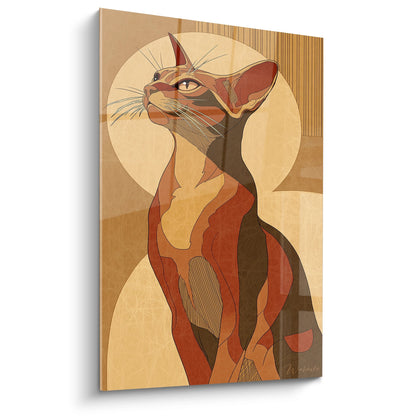
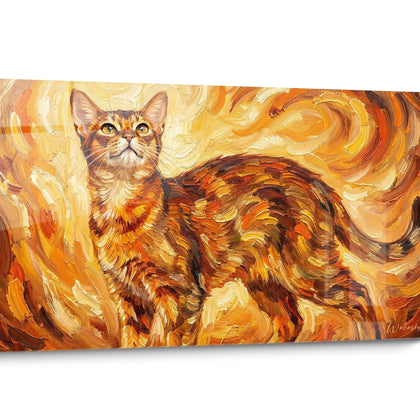
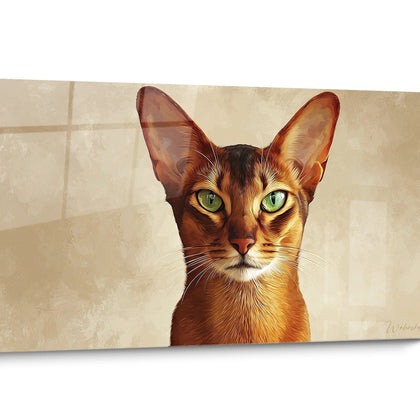
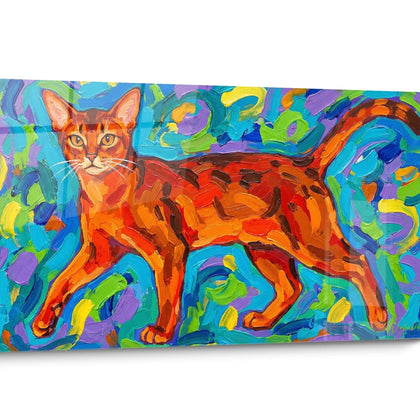
All about Abyssinian Cat Watercolor Wall Art
- Abyssinian Cat Watercolor Painting Presentation
- Subtlety of Watercolor Nuances
- Transparency and Visual Lightness
- Decor Ambiance and Integration
The Abyssinian cat watercolor painting offers a delicate and poetic interpretation of the feline with mysterious origins. This artistic representation captures the fluid and vaporous essence inherent to the watercolor technique, where pigments blend in subtle gradations evoking the natural suppleness of the breed. Unlike rigid or geometric compositions, watercolor celebrates soft chromatic transitions, suggested rather than defined contours, and creates a contemplative atmosphere ideal for spaces seeking a sophisticated feline touch without ostentation. This aesthetic is particularly suited to Nordic, minimalist, or Zen-inspired interiors, where visual lightness takes precedence over saturation. Discover how this pictorial approach transforms your decorative perception while honoring the natural elegance of the Abyssinian.
Subtlety of Watercolor Nuances in the Abyssinian Cat Painting
The Abyssinian cat watercolor painting stands out through its delicate color palette where ochre, coppery rust, and beige tones blend in vaporous gradations. This pictorial technique captures the subtle variations of the characteristic ticked coat of the breed, where each hair displays multiple color bands. Watercolor naturally reproduces this chromatic complexity without weighing down the visual composition.
How does watercolor translate the unique texture of the Abyssinian coat?
The inherent fluidity of watercolor painting allows suggesting ticking without resorting to hyperrealistic details. Layered glazes create chromatic depth reminiscent of natural agouti, where each transparent layer adds dimension and richness. This approach avoids the static effect often observed in realistic representations of the Abyssinian cat, privileging overall impression over meticulous description.
Preserved white areas in the watercolor composition create essential visual breathing spaces. These luminous reserves accentuate the luminosity of the characteristic amber gaze and highlight light areas of the muzzle and chest. This subtle management of whites fundamentally distinguishes watercolor from other techniques, offering an airy lightness impossible to reproduce otherwise.
Chromatic variations according to natural lighting
An Abyssinian cat watercolor painting interacts remarkably with changing natural light. Watercolor pigments, through their inherent transparency, reveal different nuances depending on ambient light intensity. In the morning, warm coppery tones intensify, while in the evening, cooler nuances subtly emerge. This chromatic variability enriches the daily decorative experience.
Large formats allow full appreciation of smooth transitions between hues, creating an immersive effect comparable to an open window onto a contemplative scene. This dimension invites prolonged observation, progressively revealing the treatment subtleties that only watercolor can offer. Unlike saturated Pop Art approaches, this chromatic restraint promotes visual calm.
Harmony with refined decorative palettes
The chromatic softness of the Abyssinian cat watercolor painting naturally integrates into decorative settings privileging neutral and organic tones. Earth tones, linen, greige, and off-white find harmonious extension in watercolor nuances. This coherence facilitates decorative arrangement without creating harsh visual breaks, unlike compositions with marked contrasts.
Transparency and Visual Lightness of Watercolor Rendering
The Abyssinian cat watercolor painting is characterized by an ethereal quality rarely achieved by other artistic mediums. The transparency of diluted pigments creates an impression of fluidity and suspended movement, as if the feline were captured in a fleeting moment between two poses. This vaporous aesthetic evokes the natural grace of the breed without freezing it in documentary rigidity.
Why choose watercolor over a geometric approach?
Unlike structured geometric compositions, watercolor privileges organic impression and emotional sensitivity. Suggested rather than delimited contours create soft visual interaction, inviting the gaze to mentally complete the forms. This active viewer participation enriches the contemplative experience, transforming observation into visual dialogue.
The watercolor technique also fosters a sensation of breathable space around the subject. Backgrounds treated in light glazes or left partially blank generate atmospheric depth without visual clutter. This management of negative space proves particularly valuable in contemporary interiors where refinement prevails, offering a discrete yet affirmed feline presence.
Psychological impact of diffuse contours
The soft-edged characteristics of the Abyssinian cat watercolor painting induce a soothing effect distinct from sharp demarcations. This visual softness reduces perceptual tension, creating an atmosphere conducive to relaxation in rest spaces or meditation areas. The absence of aggressive delineation promotes harmonious integration into existing architectural environments.
The superposition of transparent glazes generates complex perceptual depth, where the eye progressively discovers stratified nuances. This subtle richness maintains visual interest without overload, unlike saturated compositions demanding sustained attention. Watercolor thus allows a constant decorative presence without visual fatigue, an essential quality for large wall surfaces.
Visual texture and evoked tactile sensation
Although two-dimensional, watercolor rendering suggests silky texture reminiscent of the renowned softness of the Abyssinian coat. Saturation variations create an impression of tactile relief, mentally inviting caressing the represented surface. This sensual dimension enriches the decorative experience beyond the merely visual, engaging the viewer's tactile imagination.
Zones of pigment concentration alternating with diluted passages generate dynamic visual rhythm without agitation. This moderate cadence suits environments perfectly requiring moderate stimulation without excessive excitement, such as bedrooms, libraries, or yoga spaces. The Abyssinian cat watercolor painting becomes thus an ambiance regulating element, comparable to works from the general catalog of Abyssinian representations.
Decor Ambiance and Integration of the Abyssinian Cat Watercolor Painting
Successful integration of an Abyssinian cat watercolor painting rests on understanding its delicate and contemplative character. This representation flourishes particularly in environments privileging visual serenity and refined compositions, where its chromatic subtlety can fully express itself without aggressive decorative competition.
Which spaces best showcase the watercolor aesthetic?
Bedrooms constitute the ideal environment for this soothing representation. The vaporous softness of watercolor promotes an atmosphere conducive to rest, while the feline presence evokes companionship and warmth without exuberance. Positioned facing the bed or on a side wall receiving good natural light, the painting becomes a soothing focal point for sleep-wake transition moments.
Meditation spaces, yoga, or reading areas also benefit remarkably from this contemplative presence. Watercolor transparency imposes no directive narrative, allowing the mind to wander freely while maintaining soft visual anchoring. This quality fundamentally distinguishes watercolor from modern compositions with affirmed lines, which solicit greater analytical attention.
Complementary decorative associations
The Abyssinian cat watercolor painting naturally harmonizes with organic materials: raw linen, untreated light wood, artisanal ceramics with matte glazes. These natural textures extend the tactile sensitivity evoked by watercolor rendering, creating overall sensory coherence. Avoid associations with shiny or synthetic materials that would create aesthetic dissonance.
Indoor plants with delicate foliage – ferns, asparagus, eucalyptus – perfectly complement this vaporous aesthetic. Their airy silhouettes echo the diffuse contours of watercolor, reinforcing the impression of organic and breathing overall composition. This living plant association amplifies the contemplative dimension sought, creating a coherent decorative ecosystem.
Light management to reveal transparencies
Indirect and adjustable lighting optimally showcases the subtleties of a large-format Abyssinian cat watercolor painting. Grazing light sources reveal variations in pigment saturation, creating a changing spectacle depending on the hour. Favor warm color temperatures (2700-3000K) that accentuate the natural coppery tones of the representation.
Exposure to diffuse natural light – that of a north-facing window or filtered by curtains – suits ideally. This soft luminosity without direct radiation preserves the pigments while progressively revealing nuances throughout the day. This perceptual variability transforms the work into a living decorative element, comparable to the changing presence of an expressive Abyssinian portrait.
Emotional dimension and spatial well-being
Beyond aesthetics, the Abyssinian cat watercolor painting contributes to psychological well-being through its soothing presence. Feline representations evoke serene autonomy and comforting presence, qualities particularly appreciated in personal spaces. Watercolor amplifies this emotional dimension through its intrinsic softness, creating a visual refuge in the daily environment.
This representation also suits professional spaces requiring concentration without austerity: therapeutic offices, individual workspaces, waiting areas. The feline presence humanizes the environment without infantilizing, while watercolor treatment maintains appropriate sophistication. This contextual versatility distinguishes this approach from more specific styles like ostentatious golden compositions.
Where to place an Abyssinian cat watercolor painting for maximum soothing effect?
Favor a clear wall facing your usual rest position, at eye level when seated. This arrangement promotes natural contemplation during pause moments, transforming the painting into an accessible meditative focal point without effort.
Is an Abyssinian cat watercolor painting suitable for high-humidity spaces?
Although modern representations are protected, avoid direct exposure to water spray. In spacious bathrooms, position the painting away from zones of intense steam, in a space benefiting from adequate ventilation to preserve chromatic nuances.
How does the Abyssinian cat watercolor painting integrate into Scandinavian interiors?
Perfectly. The refined palette, natural tones, and visual lightness of watercolor correspond ideally to Scandinavian principles: functionality, natural connection, and serenity. Pair it with light woods and linen textiles for optimal stylistic coherence.


