


Turkish Van Cat Wall Art
The Turkish Van captivates with its distinctive bicolor coat and unique love for water. Our wall art pieces capture its natural robustness and mountain cat elegance. An ancient breed with an active and intelligent temperament, this Turkish feline inspires vibrant and authentic artworks. Bring the spirit of Lake Van into your décor with this cat of legendary aquatic charm.
 Majestic Turkish Van Cat - Luminous Portrait - Turkish Van Cat Edition273,90 €
 Turkish Van Cat in Hydrangeas - Enchanted Garden - Turkish Van Cat Edition273,90 €
 Turkish Van Cat White Profile Art - Geometric Harmony - Turkish Van Cat Edition273,90 €
 Turkish Van Cat Watercolor Painting - Pastel Clouds - Turkish Van Cat Edition273,90 €
 Turkish Van Cat Painting Red and White - Vintage Engraving - Turkish Van Cat Edition273,90 €
 Majestic Turkish Van Cat Painting - Aristocratic Portrait - Turkish Van Cat Edition273,90 €
 Turkish Van Cat Sitting Painting - Feline Elegance - Turkish Van Cat Edition273,90 €
 Turkish Van Cat Painting Wall Art - Artistic Feline Portrait - Turkish Van Cat Edition273,90 €
 Turkish Van Cat by the Water Painting - Luminous Reflection - Turkish Van Cat Edition273,90 €
 Turkish Van Cat with Heterochromatic Eyes Painting - Geometric Elegance - Turkish Van Cat Edition273,90 €
 Turkish Van Cat Sitting Painting - Contemplative Portrait - Turkish Van Cat Edition273,90 €
 Turkish Van Cat Contemplating Painting - Pastel Reverie - Turkish Van Cat Edition273,90 €
 Turkish Van Cat Watercolor Painting - Golden Gaze - Turkish Van Cat Edition273,90 €
 Majestic Turkish Van Cat Painting - Artistic Portrait - Turkish Van Cat Edition273,90 €
 Turkish Van Cat with Golden Eyes Painting - Majestic Portrait - Turkish Van Cat Edition273,90 €
 White Cat Watercolor Painting - Feline Elegance - Turkish Van Cat Edition273,90 €
 Turkish Van Cat Painting Elegant - Modern Artistic Portrait - Turkish Van Cat Edition228,90 €
 Turkish Van Cat Painting Elegant - Feline Grace - Turkish Van Cat Edition228,90 €
 Turkish Van Cat Portrait Painting - Amber Gaze - Turkish Van Cat Edition228,90 €
 Turkish Van Cat with Hydrangeas Painting - Blue Garden - Turkish Van Cat Edition228,90 €
Explore further
In Turkish Van Cat Wall Art
-
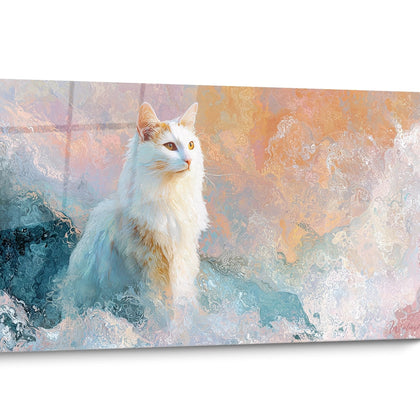 Turkish Van Cat Watercolor Painting5
artworks
Turkish Van Cat Watercolor Painting5
artworks
-
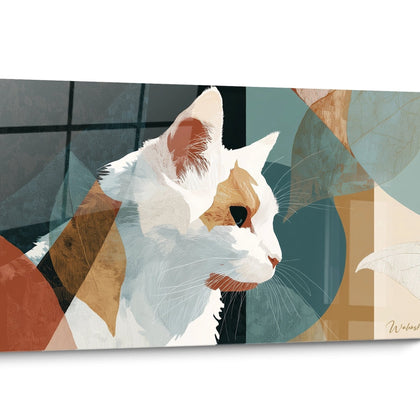 Turkish Van Cat Wall Art Geometric4
artworks
Turkish Van Cat Wall Art Geometric4
artworks
-
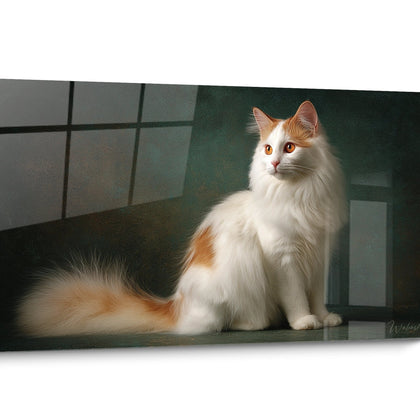 Turkish Van Cat Portrait Wall Art7
artworks
Turkish Van Cat Portrait Wall Art7
artworks
-
 Turkish Van Cat Modern Wall Art6
artworks
Turkish Van Cat Modern Wall Art6
artworks
-
 Lykoi Cat Canvas10
artworks
Lykoi Cat Canvas10
artworks
-
 Maine Coon Cat Wall Art26
artworks
Maine Coon Cat Wall Art26
artworks
-
 Manx Cat Wall Art17
artworks
Manx Cat Wall Art17
artworks
-
 Nebelung Cat Wall Art15
artworks
Nebelung Cat Wall Art15
artworks
-
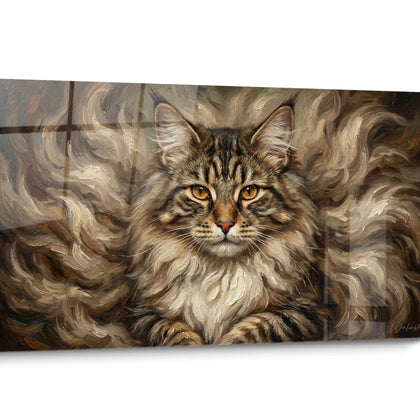 Norwegian Forest Cat Wall Art18
artworks
Norwegian Forest Cat Wall Art18
artworks
-
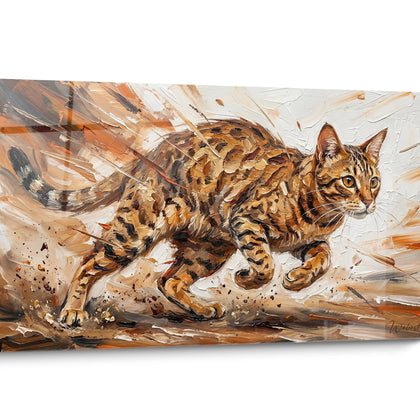 Ocicat Cat Wall Art21
artworks
Ocicat Cat Wall Art21
artworks
-
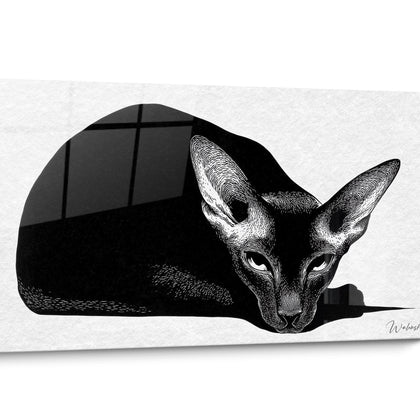 Oriental Shorthair Cat Wall Art20
artworks
Oriental Shorthair Cat Wall Art20
artworks
-
 Persian Cat Wall Art27
artworks
Persian Cat Wall Art27
artworks
-
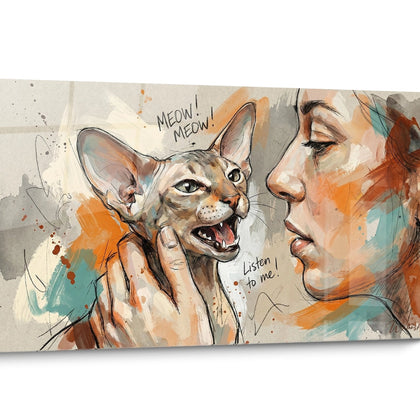 Peterbald Cat Wall Art26
artworks
Peterbald Cat Wall Art26
artworks
-
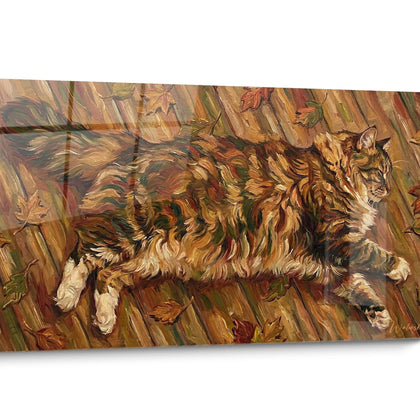 Ragamuffin Cat Wall Art21
artworks
Ragamuffin Cat Wall Art21
artworks
-
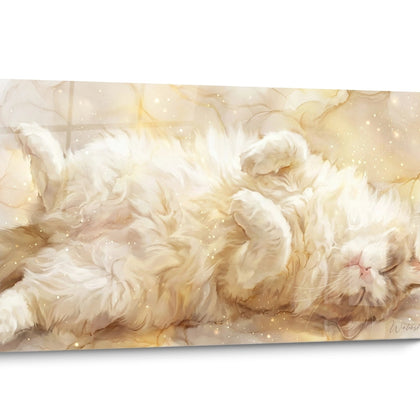 Ragdoll Cat Wall Art21
artworks
Ragdoll Cat Wall Art21
artworks
-
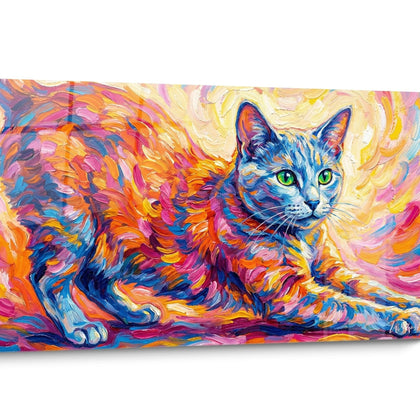 Russian Blue Cat Wall Art16
artworks
Russian Blue Cat Wall Art16
artworks
-
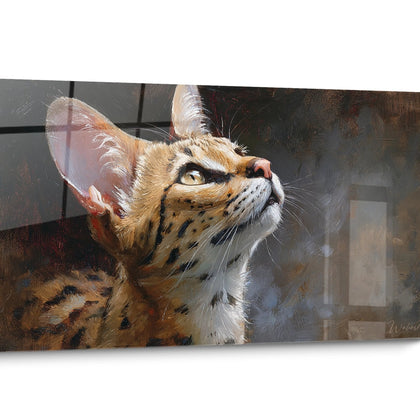 Savannah Cat Wall Art22
artworks
Savannah Cat Wall Art22
artworks
-
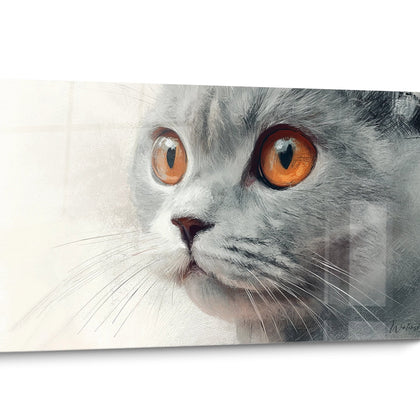 Scottish Fold Cat Wall Art17
artworks
Scottish Fold Cat Wall Art17
artworks
-
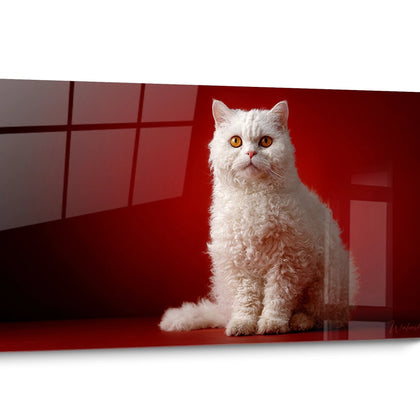 Selkirk Rex Cat Wall Art19
artworks
Selkirk Rex Cat Wall Art19
artworks
-
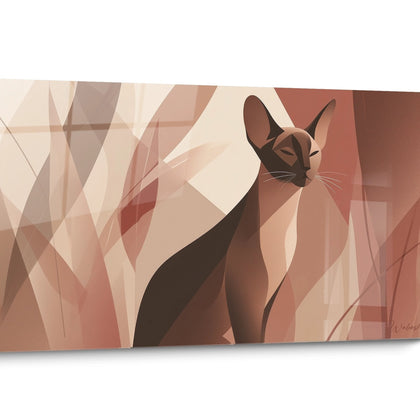 Serengeti Cat Wall Art19
artworks
Serengeti Cat Wall Art19
artworks
-
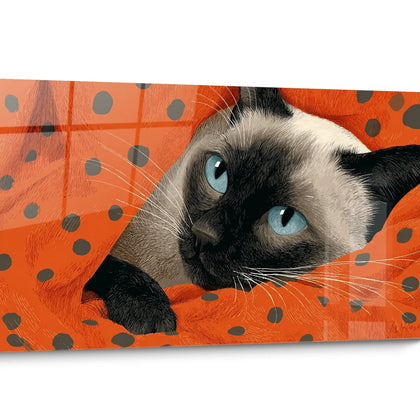 Siamese Cat Wall Art26
artworks
Siamese Cat Wall Art26
artworks
-
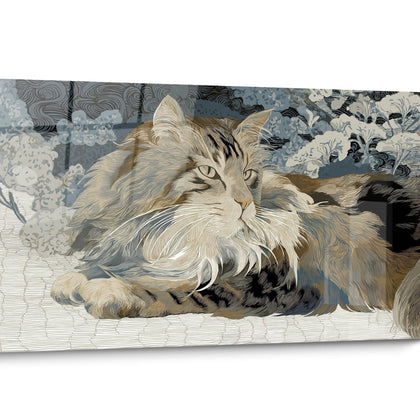 Siberian Cat Wall Art25
artworks
Siberian Cat Wall Art25
artworks
-
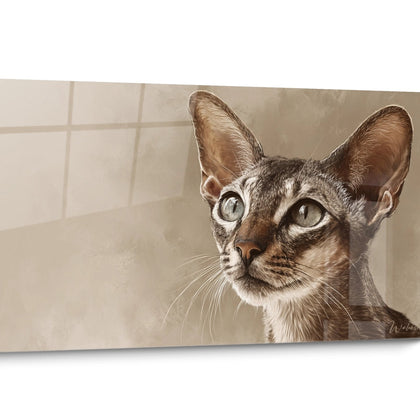 Singapura Cat Wall Art26
artworks
Singapura Cat Wall Art26
artworks
-
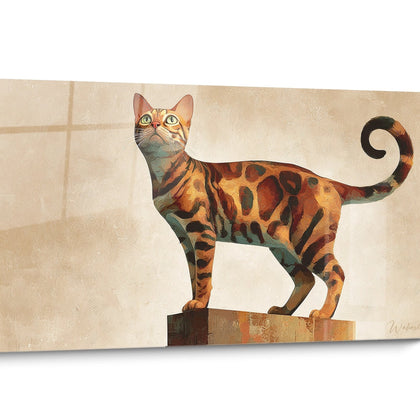 Sokoke Cat Wall Art30
artworks
Sokoke Cat Wall Art30
artworks
-
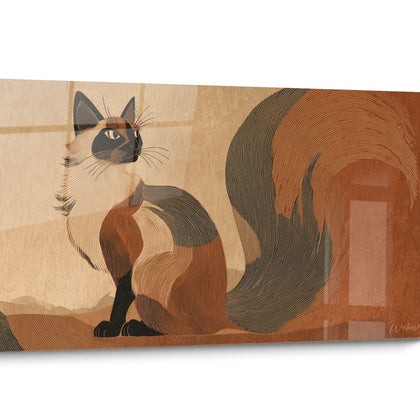 Somali Cat Wall Art19
artworks
Somali Cat Wall Art19
artworks
-
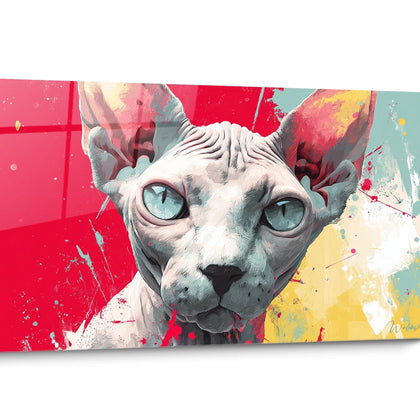 Sphynx Cat Wall Art37
artworks
Sphynx Cat Wall Art37
artworks
-
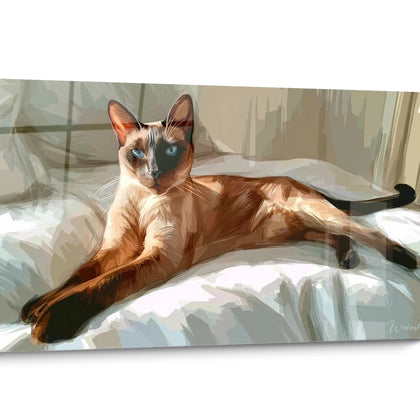 Tonkinese Cat Wall Art22
artworks
Tonkinese Cat Wall Art22
artworks
-
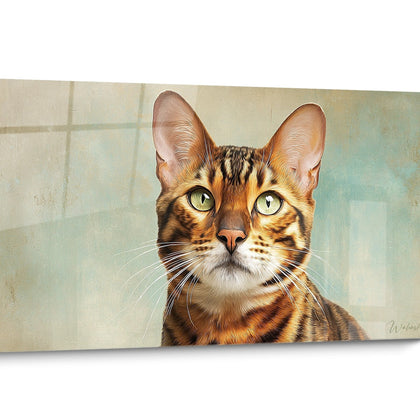 Toyger Cat Wall Art23
artworks
Toyger Cat Wall Art23
artworks
-
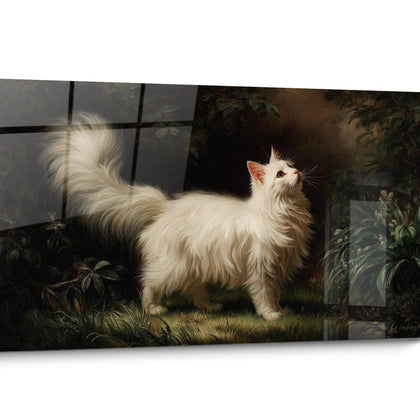 Turkish Angora Cat Wall Art25
artworks
Turkish Angora Cat Wall Art25
artworks
-
 Abyssinian Cat Wall Art49
artworks
Abyssinian Cat Wall Art49
artworks
-
 American Bobtail Cat Wall Art42
artworks
American Bobtail Cat Wall Art42
artworks
-
 American Curl Cat Wall Art17
artworks
American Curl Cat Wall Art17
artworks
-
 American Shorthair Cat Wall Art24
artworks
American Shorthair Cat Wall Art24
artworks
-
 Balinese Cat Wall Art36
artworks
Balinese Cat Wall Art36
artworks
-
 Bengal Cat Wall Art36
artworks
Bengal Cat Wall Art36
artworks
-
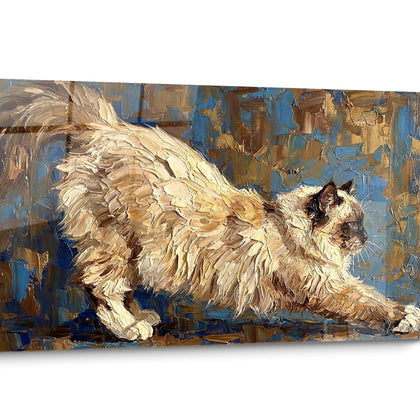 Birman Cat Wall Art53
artworks
Birman Cat Wall Art53
artworks
-
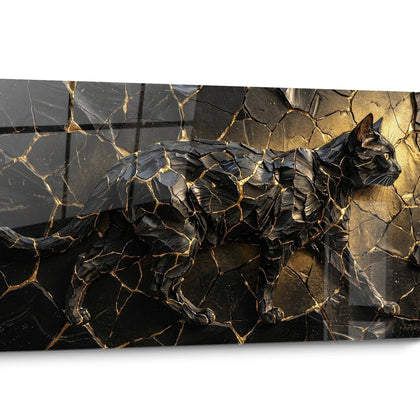 Bombay Cat Wall Art44
artworks
Bombay Cat Wall Art44
artworks
-
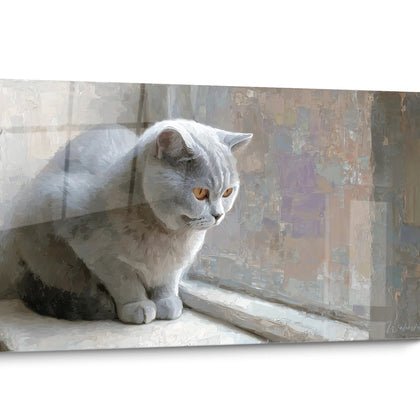 British Shorthair Cat Wall Art31
artworks
British Shorthair Cat Wall Art31
artworks
-
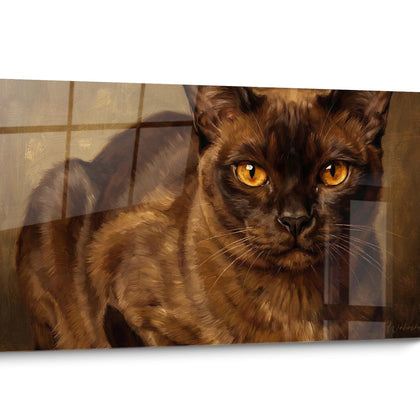 Burmese Cat Wall Art22
artworks
Burmese Cat Wall Art22
artworks
-
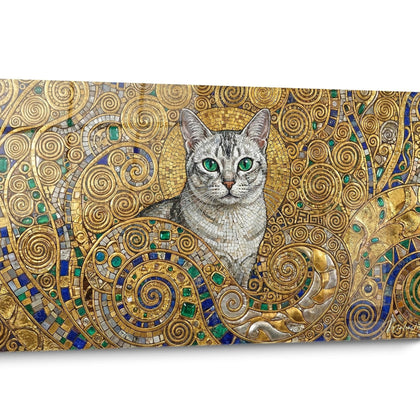 Burmilla Cat Wall Art31
artworks
Burmilla Cat Wall Art31
artworks
-
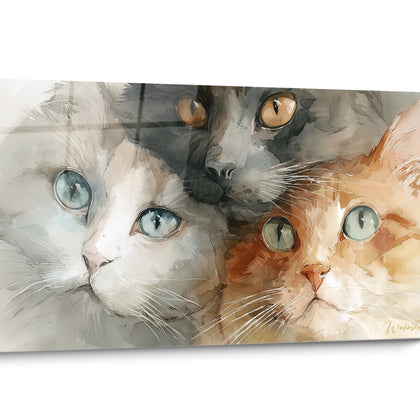 Chartreux Cat Wall Art28
artworks
Chartreux Cat Wall Art28
artworks
-
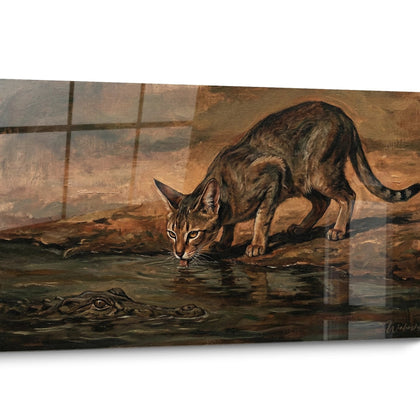 Chausie Cat Wall Art24
artworks
Chausie Cat Wall Art24
artworks
-
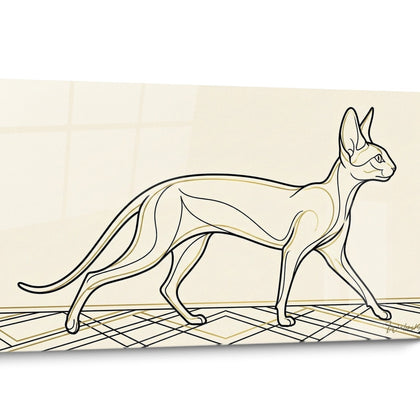 Cornish Rex Cat Wall Art20
artworks
Cornish Rex Cat Wall Art20
artworks
-
 Devon Rex Cat Wall Art16
artworks
Devon Rex Cat Wall Art16
artworks
-
 Egyptian Mau Cat Wall Art16
artworks
Egyptian Mau Cat Wall Art16
artworks
-
 European Shorthair Cat Wall Art18
artworks
European Shorthair Cat Wall Art18
artworks
-
 Exotic Shorthair Cat Wall Art23
artworks
Exotic Shorthair Cat Wall Art23
artworks
-
 Himalayan Cat Wall Art16
artworks
Himalayan Cat Wall Art16
artworks
-
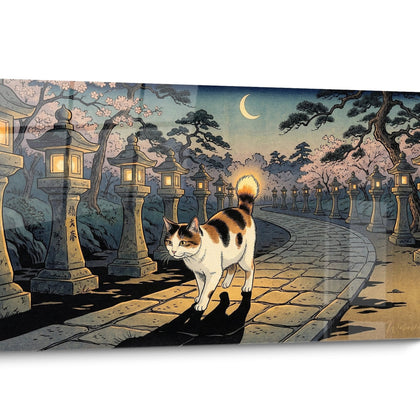 Japanese Bobtail Cat Wall Art15
artworks
Japanese Bobtail Cat Wall Art15
artworks
-
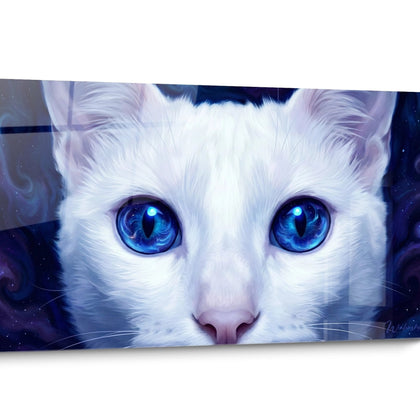 Khao Manee Cat Painting17
artworks
Khao Manee Cat Painting17
artworks


All about Turkish Van Cat Wall Art
- Overview Turkish Van
- Turkish Van Wall Art: Capturing the Van Pattern
- Turkish Van Wall Art: Aquatic Symbolism
- Turkish Van Wall Art: Anatolian Heritage
The Turkish Van wall art celebrates one of the world's rarest and most fascinating feline breeds. Originating from the shores of Lake Van in eastern Turkey, this feline with its immaculate coat marked by colorful touches on the head and tail represents an exceptional artistic subject. Nicknamed the "swimming cat" for its unique love of water among domestic felines, the Turkish Van captivates collectors and cat lovers with its athletic elegance and often heterochromatic eyes. A large-format wall representation of this breed allows you to showcase its majestic appearance while adding a touch of refined exoticism to your interior.
Turkish Van Wall Art: The Art of Showcasing the Van Pattern in Large Format
The Turkish Van wall art offers a unique opportunity to highlight one of the most distinctive coat patterns in the feline world. This breed, recognized as a national treasure in Turkey, displays a color distribution so particular that it bears its own name in breeder terminology: the Van pattern. Understanding this specificity allows you to choose a wall artwork that truly captures the essence of this exceptional feline.
The "helmet and tail": visual signature of the Turkish Van
Unlike other cat breeds, the Turkish Van presents an entirely white body with colored markings exclusively concentrated on two areas: the top of the head forming a "helmet" and the entire tail. This distribution results from the piebald gene in its most extreme form, creating a striking contrast particularly suited to large-scale artistic representations. A wall painting of 120 cm or larger allows you to fully appreciate this unique chromatic architecture.
The markings can range from red to cream, black to diluted blue, offering a palette that considerably influences a room's atmosphere. Feline decoration enthusiasts often seek representations showcasing the contrast between the immaculate white body and the intensity of colored zones. This visual duality transforms each work into a natural focal point.
How to recognize an authentic Turkish Van in a wall artwork?
The authenticity of the representation relies on several visual criteria that connoisseurs systematically verify. The silhouette must reflect a large-sized cat, muscular yet slender, with hind legs slightly longer than front legs. The semi-long coat without undercoat confers a characteristic silky texture, different from the dense fur of Persians or Maine Coons.
Facial proportions also distinguish the Turkish Van: a moderately long muzzle, high cheekbones, and large ears placed high on the head. A quality cat wall art will respect these morphological particularities rather than present a generic feline with Van markings.
Heterochromatic eyes: distinctive artistic element
Nearly one in five Turkish Vans is born with heterochromatic eyes, a phenomenon called heterochromia. An icy blue eye sits alongside an amber or copper eye, creating a fascinating asymmetry. This genetic peculiarity, more frequent in the Turkish Van than in any other breed, represents a stimulating artistic challenge for large-format representations.
Wall artworks exploiting this characteristic generate immediate visual impact. The heterochromatic gaze becomes the composition's anchor point, drawing the viewer's eye into prolonged contemplation. For Turkish Van owners with matching eye colors, representations with uniformly blue or amber eyes remain equally authentic.
What dimensions to prioritize for a Turkish Van wall artwork?
The Turkish Van ranks among the largest domestic cats, with males regularly reaching 9 kg. This stature demands generous formats to faithfully restore the subject's presence without artificial compression of proportions. Dimensions starting from 140x100 cm allow you to capture the natural magnitude of the subject.
Panoramic formats are particularly suited to compositions showing the Turkish Van in movement, jumping or playing. Its powerful musculature and legendary agility deserve sufficient visual space to express themselves. Informed collectors favor formats where the feline occupies at least 60% of the surface, thus preserving the impact of its characteristic silhouette.
Distinction from the Turkish Angora: avoiding confusion
A frequent error involves confusing Turkish Van and Turkish Angora, two distinct Turkish breeds. The Turkish Angora presents finer bone structure, longer coat, and particularly a different color distribution that can cover the entire body. When choosing a wall artwork, this distinction guarantees the authenticity of your acquisition.
- The Turkish Van possesses a robust and muscular body, the Turkish Angora a gracile and slender silhouette
- The Van pattern imposes a white body with color limited to the head and tail only
- The Van coat presents a water-resistant texture suited to swimming, absent in the Angora
- Heterochromatic eyes appear more frequently in the Van than in the Angora
Turkish Van Wall Art: The Swimming Feline in Contemporary Mural Art
Turkish Van wall art stands out through the unique possibility of representing a domestic feline in its aquatic element. The only known cat breed that genuinely appreciates swimming, the Turkish Van has developed a particular relationship with the lake water for thousands of years, from which it takes its name. This exceptional behavioral characteristic opens artistic perspectives inaccessible with any other feline breed.
Why does the Turkish Van love water?
The Turkish Van's aquatic adaptation results from centuries of evolution on the shores of Lake Van, situated at 1,640 meters altitude in the mountains of eastern Anatolia. Hot summers and harsh winters shaped a feline with a water-resistant coat, capable of regulating its temperature by bathing. This particularity, unique in the domestic feline world, confers artistic representations a narrative dimension impossible elsewhere.
Wall artworks exploiting this aquatic theme create a break with the conventional image of water-resistant cats. This visual surprise generates immediate interest in the viewer, whether a breed expert or a simple feline art lover. The Turkish Van wall art in aquatic context thus becomes a natural conversation element.
Swimming scenes: exclusive artistic compositions
Representations of Turkish Van playing with water offer dynamic, unique compositions. The texture of wet coat, molded to athletic musculature, reveals the power of this feline typically hidden under its silky fur. Splashes and aquatic reflections enrich the color palette while preserving the emblematic contrast of the Van pattern.
These artworks are particularly suited to luminous living spaces where the aquatic theme brings freshness and lightness. Living rooms opening onto gardens, conservatories, or even spacious bathrooms naturally welcome these representations. Large format amplifies the impression of movement and energy characteristic of the Turkish Van in action.
Lake Van as backdrop: geographic authenticity
Artworks positioning the Turkish Van in its original environment add precious cultural and geographic dimension. Lake Van, Turkey's largest lake, offers spectacular mountain panoramas where turquoise tones of alkaline water contrast with surrounding snow-capped peaks. This contextual framing considerably enriches the artwork's narrative value.
Collectors appreciate these compositions that tell a story beyond simple animal representation. The Turkish Van recovers its millennial roots, establishing a link between the decorative work and Anatolian natural heritage. This contextual depth transforms a simple cat wall art into a true window onto a unique ecosystem.
What aquatic elements to integrate in a Turkish Van representation?
Beyond complete bathing, many aquatic elements allow evoking this behavioral particularity. The Turkish Van fascinated by running water, playing with raindrops, or observing a pond represents authentic scenes that any Turkish Van owner will immediately recognize.
- Paws delicately dipping into a fountain or natural pond
- Gaze captivated by the hypnotic movement of fish
- Silhouette outlined against a lakeside horizon with twilight hues
- Play with splashes captured in full movement
- Wet coat revealing the athletic feline's underlying musculature
Decorative impact of aquatic tones associated with the Van pattern
The association of the Turkish Van's immaculate white with aquatic blues and turquoises creates naturally soothing chromatic harmony. This palette recalls Iznik ceramics and Mediterranean azulejos, anchoring the work in a millennia-old decorative tradition while maintaining contemporary freshness.
For interiors with neutral tones, these representations bring measured color touches without overloading the space. The feline's dominant white dialogues with light walls while blue accents create visual breathing points. This subtlety makes aquatic Turkish Van wall art a particularly relevant choice for minimalist decorations seeking a note of life and movement.
Turkish Van Wall Art: Anatolian Heritage and Modern Decorative Integration
Turkish Van wall art draws its roots from a millennia-old history that transcends simple animal representation. Considered a national treasure by Turkey, this feline embodies cultural heritage that contemporary wall artworks allow us to celebrate in our Western interiors. This patrimonial dimension considerably enriches the decorative significance of these large-format representations.
The Turkish Van in Anatolian culture
Local legends recount that the Turkish Van may have accompanied Noah on his ark, swimming to nearby Mount Ararat when waters receded from Lake Van. Whether founded or not, this mythology testifies to the deep-rooted anchoring of this breed in regional imagination. Artistic representations inherit this quasi-mystical aura surrounding the heterochromatic-eyed feline.
In villages bordering Lake Van, the local cat traditionally enjoyed privileged status, free to circulate in mosques and homes. This historical reverence reflects in careful representations that avoid any trivialization of the subject. A quality Turkish Van wall art captures this natural nobility that Anatolian inhabitants have recognized for generations.
How to integrate oriental aesthetics into a contemporary interior?
The Turkish Van's Anatolian heritage allows refined decorative associations with traditional Turkish arts. Kilim geometric patterns, Iznik ceramic arabesques, or warm tones of Oriental rugs naturally dialogue with representations of this feline. This complementarity facilitates the integration of Turkish Van wall art into interiors already marked by oriental influences.
For more minimalist decorations, the Turkish Van brings measured exotic touches. Its dominant white coat preserves the luminosity sought in contemporary interiors while colored head and tail accents create subtle reminders of other decorative elements. This stylistic versatility explains the growing appeal of these wall artworks among professional decorators.
Breed rarity and artwork exclusivity
With fewer than 100 registered births annually in France, the Turkish Van ranks among the rarest feline breeds. This confidentiality translates in the wall art world into relative rarity of quality representations. Owning an authentic Turkish Van wall art testifies to thorough knowledge of the feline world and a taste for exclusivity.
Current Turkish Van owners represent a passionate and engaged community that particularly appreciates works faithful to their companion's characteristics. These informed collectors immediately distinguish authentic representations from generic images. Investing in a quality artwork guarantees immediate recognition within this community of enlightened enthusiasts.
Which rooms of the house best suit Turkish Van wall art?
The Turkish Van's majestic character demands spaces worthy of its presence. Spacious living rooms, generous entryways, or professional offices naturally welcome these large-format representations. Natural lighting particularly enhances the characteristic white and color contrast of the Van pattern.
- Main living room: minimum 140x100 cm format for optimal visual impact as focal point
- Office or library: contemplative representation evoking oriental wisdom
- Entryway: striking first impression for visitors discovering this rare feline
- Master suite: aquatic version bringing serenity and visual freshness
Premium materials for an exceptional representation
The Turkish Van's nobility deserves supports worthy of its status. Acrylic glass sublimes gaze depth, whether heterochromatic or uniform, through its transparency and brilliance. Dibond aluminum confers industrial modernity that elegantly contrasts with the breed's antiquity, creating dialogue between tradition and contemporaneity.
These premium materials also guarantee exceptional longevity, preserving the delicate nuances of the white coat and subtle reflections of colored zones. Investment in quality Turkish Van wall art represents a lasting patrimonial choice that will endure through years without alteration.
FAQ - Turkish Van Wall Art
What is the difference between Turkish Van wall art and classic white cat wall art?
The Turkish Van presents a unique coat pattern where color concentrates exclusively on the head (forming a "helmet") and tail, with the rest of the body remaining immaculate. This specific distribution, called the Van pattern, immediately distinguishes these representations from simple white cats. Additionally, the Turkish Van's athletic morphology and potentially heterochromatic eyes create recognizable visual signature.
Is Turkish Van wall art suitable for someone who doesn't own this breed?
Absolutely. Beyond Turkish Van owners, these artworks appeal to feline art lovers seeking originality, Turkish and oriental culture enthusiasts, and decorators appreciating the Van pattern's graphic contrast. The breed's rarity confers exclusivity on these paintings appreciated by informed collectors.
How to choose Turkish Van wall art that faithfully represents the breed?
Verify several authenticity criteria: strict Van pattern (color limited to head and tail), robust yet slender silhouette, semi-long coat with silky texture, and characteristic facial proportions with high, large ears. The presence of heterochromatic eyes, though not systematic, strengthens the representation's authenticity.
Why does Turkish Van wall art often represent aquatic scenes?
The Turkish Van remains the only domestic cat breed genuinely appreciating swimming, a capacity developed over millennia on Lake Van's shores in Turkey. This unique particularity authorizes artistic compositions impossible with other feline breeds, creating original and memorable works.


