



Japanese Bobtail Cat Wall Art
The Japanese Bobtail captivates with its pom-pom tail and connection to Japanese tradition. Our wall art celebrates its graceful elegance immortalized in Maneki-neko figurines. An ancestral breed with a lively and talkative temperament, this lucky cat inspires joyful and refined artworks. Invite fortune and Japanese art into your home with this cat steeped in millennia of symbolism.
 Sleeping Cat Painting on Wooden Stairs - Rustic Serenity - Japanese Bobtail Cat Edition242,90 €
 Cat Painting in Bamboo Grove - Japanese Zen Serenity - Japanese Bobtail Cat Edition242,90 €
 Japanese Bobtail Cat in Traditional Japanese House Painting - Zen Serenity - Japanese Bobtail Cat Edition242,90 €
 Cat and Koi Carp Painting - Aquatic Fascination - Japanese Bobtail Cat Edition273,90 €
 Sleeping Japanese Bobtail Cat Painting - Japanese Serenity - Japanese Bobtail Cat Edition273,90 €
 Cat Painting in Autumn Leaves - Autumn Symphony - Japanese Bobtail Cat Edition273,90 €
 Japanese Bobtail Cat in Japanese Temple Painting - Serene Night with Lanterns - Japanese Bobtail Cat Edition273,90 €
 Maneki Neko Shop Traditional Painting - Japanese Good Luck Charm Boutique - Japanese Bobtail Cat Edition273,90 €
 White Cat Facing Mount Fuji Painting - Japanese Serenity - Japanese Bobtail Cat Edition273,90 €
 Cat with Japanese Lanterns Painting - Starry Feline Night - Japanese Bobtail Cat Edition273,90 €
 Cat with Paw Prints Painting - Japanese Minimalist Art - Japanese Bobtail Cat Edition228,90 €
 Japanese Bobtail Cat in the Snow - Winter Watercolor - Japanese Bobtail Cat Edition228,90 €
 Japanese Bobtail Cat Silhouette Moon Wall Art - Nocturnal Mystique Edition228,90 €
 Japanese Bobtail Cat Silhouette Torii Sunset Wall Art - Japanese Serenity Edition228,90 €
 Japanese Bobtail Cat Wall Art in Relief - White Minimalist Sculpture - Japanese Bobtail Cat Edition228,90 €
Explore further
In Japanese Bobtail Cat Wall Art
-
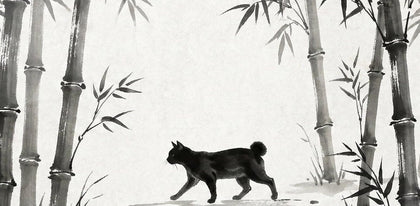 Minimalist Japanese Bobtail Cat Wall Art3
artworks
Minimalist Japanese Bobtail Cat Wall Art3
artworks
-
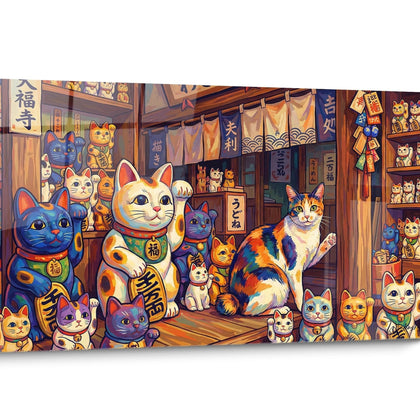 Colorful Japanese Bobtail Cat Wall Art3
artworks
Colorful Japanese Bobtail Cat Wall Art3
artworks
-
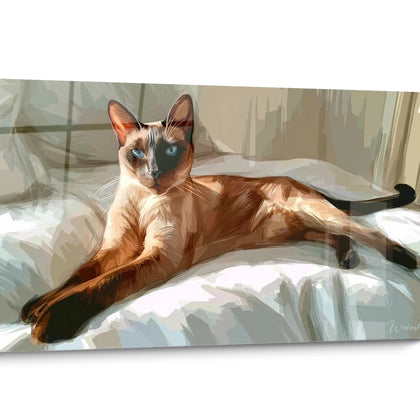 Tonkinese Cat Wall Art22
artworks
Tonkinese Cat Wall Art22
artworks
-
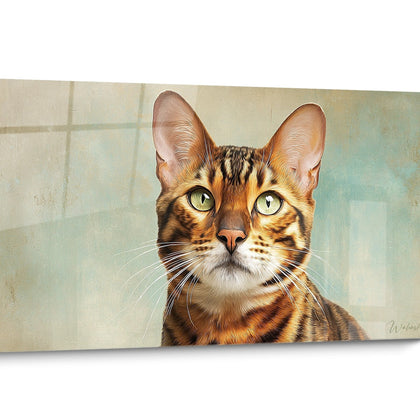 Toyger Cat Wall Art23
artworks
Toyger Cat Wall Art23
artworks
-
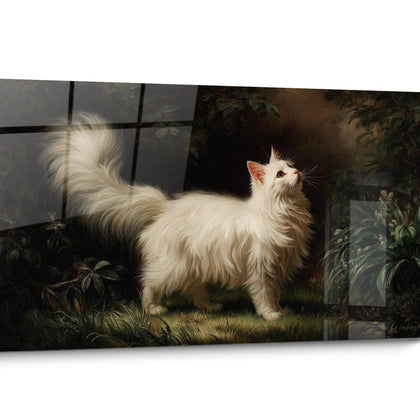 Turkish Angora Cat Wall Art25
artworks
Turkish Angora Cat Wall Art25
artworks
-
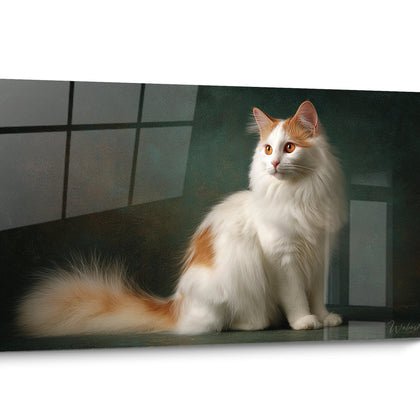 Turkish Van Cat Wall Art20
artworks
Turkish Van Cat Wall Art20
artworks
-
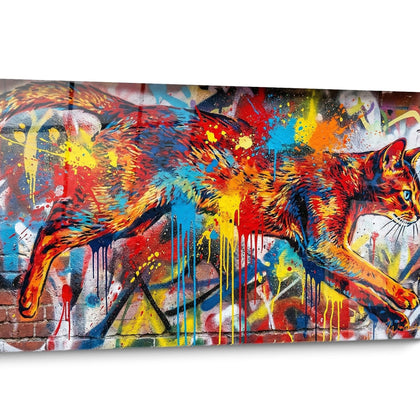 Abyssinian Cat Wall Art49
artworks
Abyssinian Cat Wall Art49
artworks
-
 American Bobtail Cat Wall Art42
artworks
American Bobtail Cat Wall Art42
artworks
-
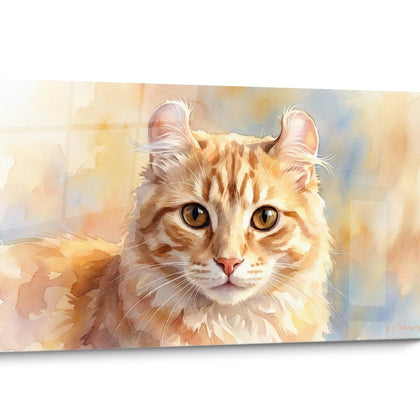 American Curl Cat Wall Art17
artworks
American Curl Cat Wall Art17
artworks
-
 American Shorthair Cat Wall Art24
artworks
American Shorthair Cat Wall Art24
artworks
-
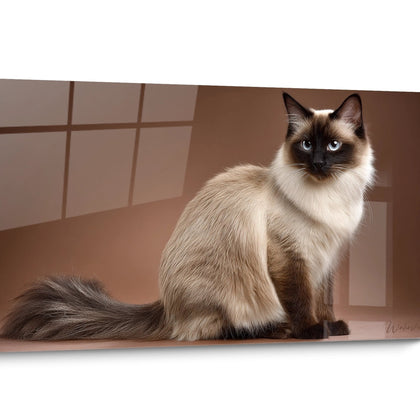 Balinese Cat Wall Art36
artworks
Balinese Cat Wall Art36
artworks
-
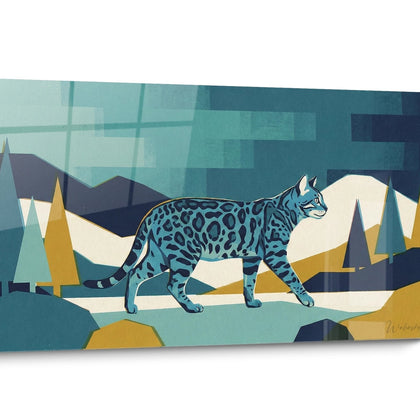 Bengal Cat Wall Art36
artworks
Bengal Cat Wall Art36
artworks
-
 Birman Cat Wall Art53
artworks
Birman Cat Wall Art53
artworks
-
 Bombay Cat Wall Art44
artworks
Bombay Cat Wall Art44
artworks
-
 British Shorthair Cat Wall Art31
artworks
British Shorthair Cat Wall Art31
artworks
-
 Burmese Cat Wall Art22
artworks
Burmese Cat Wall Art22
artworks
-
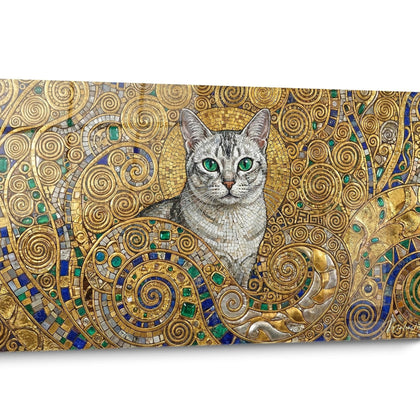 Burmilla Cat Wall Art31
artworks
Burmilla Cat Wall Art31
artworks
-
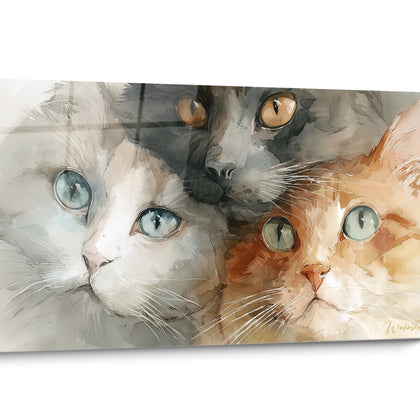 Chartreux Cat Wall Art28
artworks
Chartreux Cat Wall Art28
artworks
-
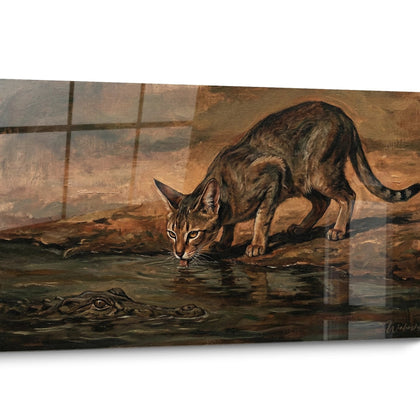 Chausie Cat Wall Art24
artworks
Chausie Cat Wall Art24
artworks
-
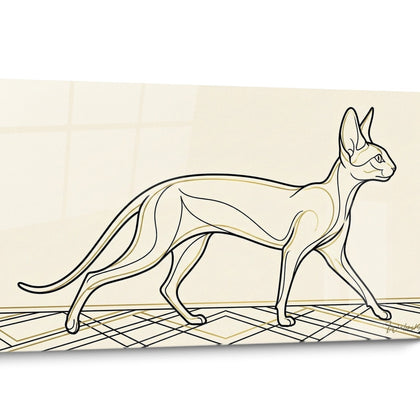 Cornish Rex Cat Wall Art20
artworks
Cornish Rex Cat Wall Art20
artworks
-
 Devon Rex Cat Wall Art16
artworks
Devon Rex Cat Wall Art16
artworks
-
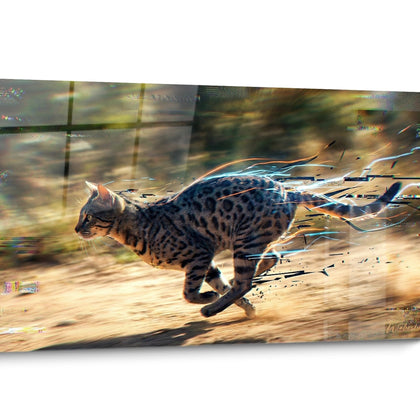 Egyptian Mau Cat Wall Art16
artworks
Egyptian Mau Cat Wall Art16
artworks
-
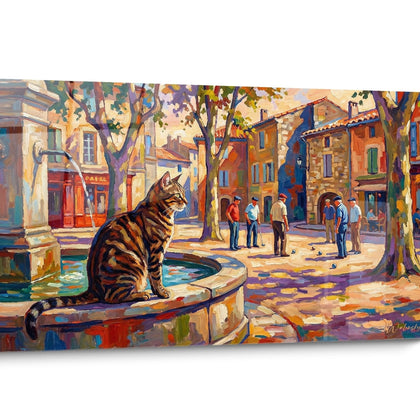 European Shorthair Cat Wall Art18
artworks
European Shorthair Cat Wall Art18
artworks
-
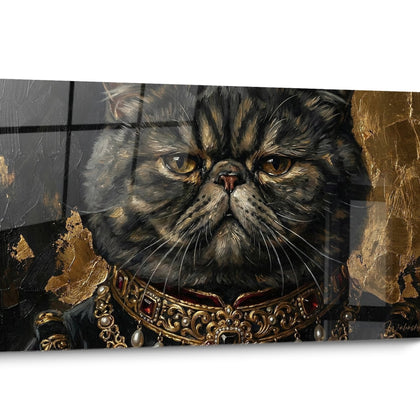 Exotic Shorthair Cat Wall Art23
artworks
Exotic Shorthair Cat Wall Art23
artworks
-
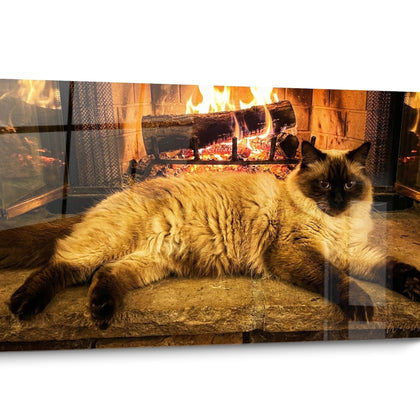 Himalayan Cat Wall Art16
artworks
Himalayan Cat Wall Art16
artworks
-
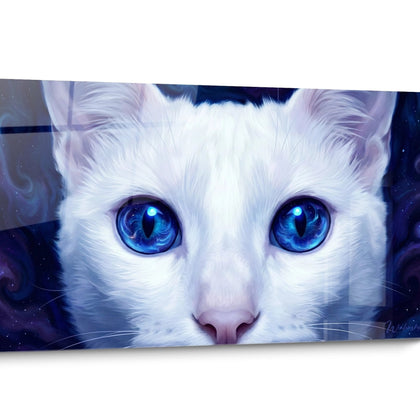 Khao Manee Cat Painting17
artworks
Khao Manee Cat Painting17
artworks
-
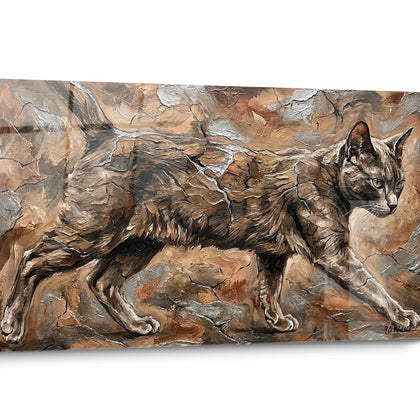 Korat Cat Wall Art18
artworks
Korat Cat Wall Art18
artworks
-
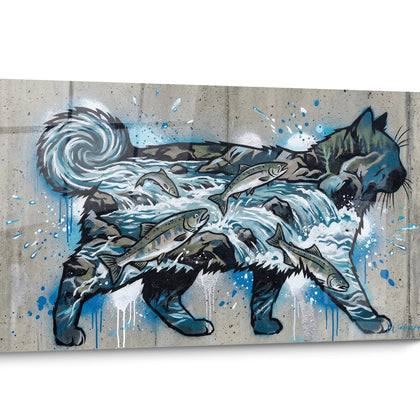 Kurilian Bobtail Cat Wall Art14
artworks
Kurilian Bobtail Cat Wall Art14
artworks
-
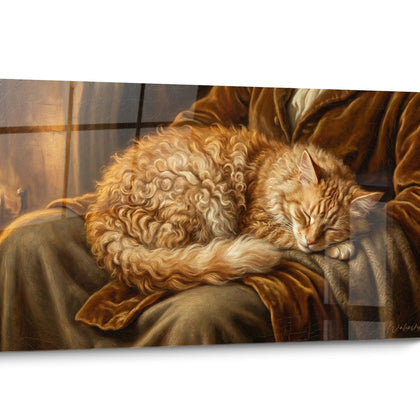 Laperm Cat Wall Art15
artworks
Laperm Cat Wall Art15
artworks
-
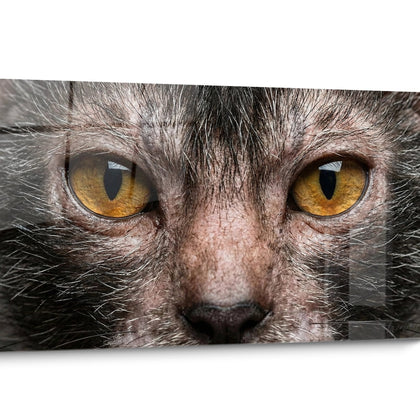 Lykoi Cat Canvas10
artworks
Lykoi Cat Canvas10
artworks
-
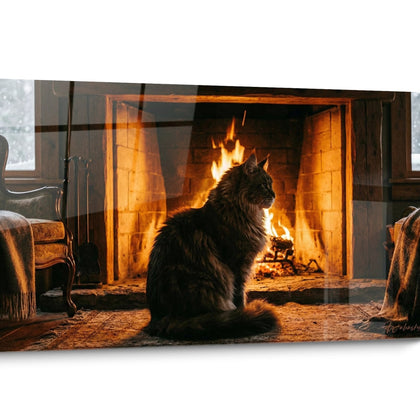 Maine Coon Cat Wall Art26
artworks
Maine Coon Cat Wall Art26
artworks
-
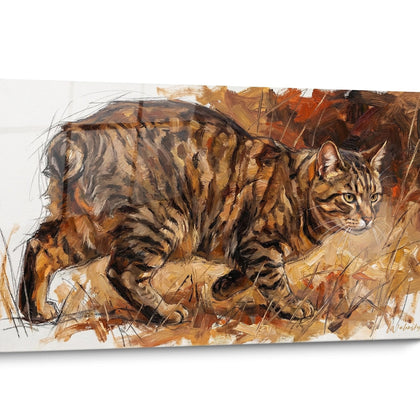 Manx Cat Wall Art17
artworks
Manx Cat Wall Art17
artworks
-
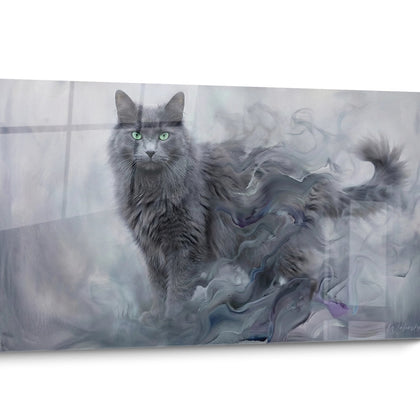 Nebelung Cat Wall Art15
artworks
Nebelung Cat Wall Art15
artworks
-
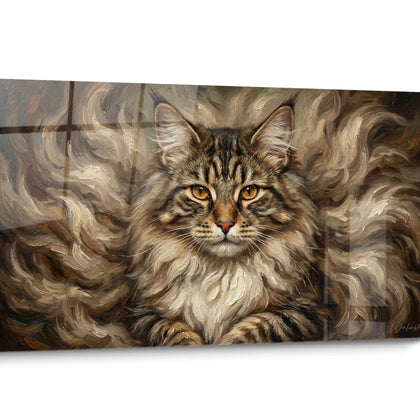 Norwegian Forest Cat Wall Art18
artworks
Norwegian Forest Cat Wall Art18
artworks
-
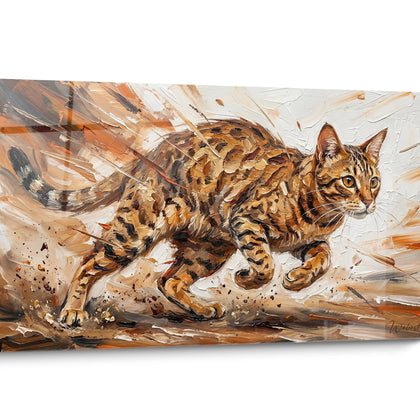 Ocicat Cat Wall Art21
artworks
Ocicat Cat Wall Art21
artworks
-
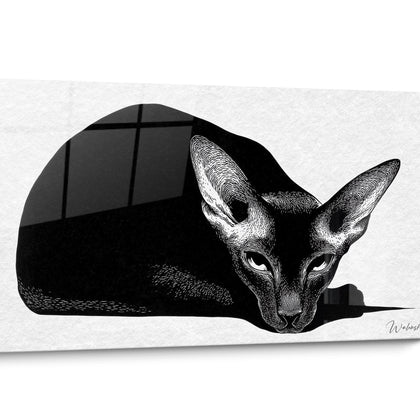 Oriental Shorthair Cat Wall Art20
artworks
Oriental Shorthair Cat Wall Art20
artworks
-
 Persian Cat Wall Art27
artworks
Persian Cat Wall Art27
artworks
-
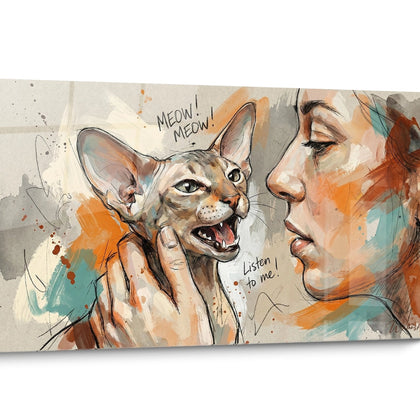 Peterbald Cat Wall Art26
artworks
Peterbald Cat Wall Art26
artworks
-
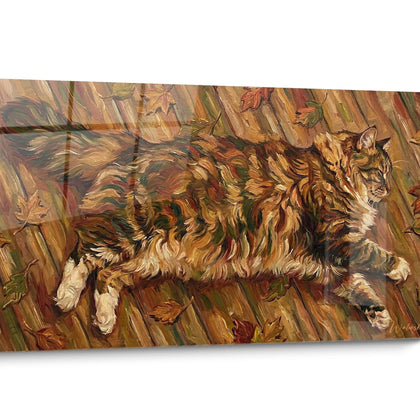 Ragamuffin Cat Wall Art21
artworks
Ragamuffin Cat Wall Art21
artworks
-
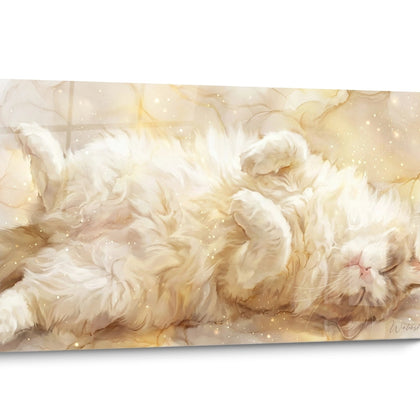 Ragdoll Cat Wall Art21
artworks
Ragdoll Cat Wall Art21
artworks
-
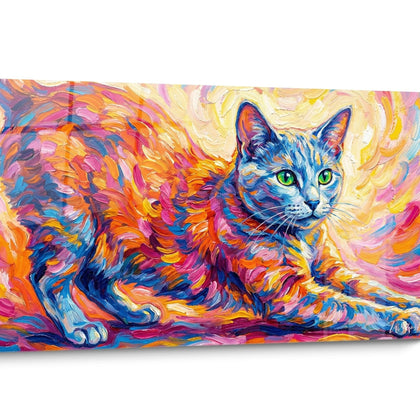 Russian Blue Cat Wall Art16
artworks
Russian Blue Cat Wall Art16
artworks
-
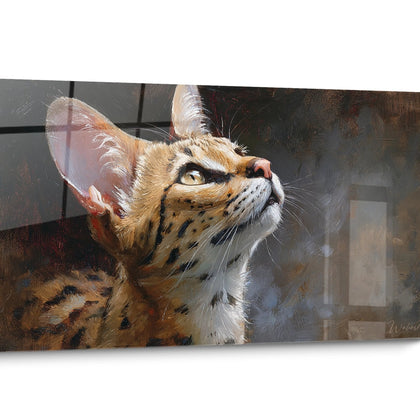 Savannah Cat Wall Art22
artworks
Savannah Cat Wall Art22
artworks
-
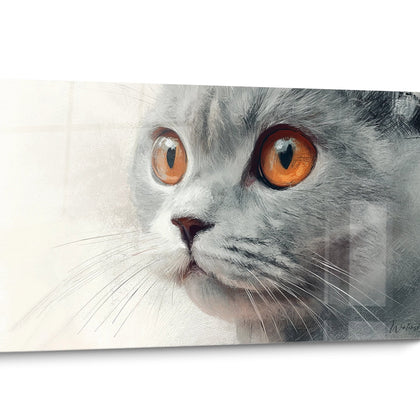 Scottish Fold Cat Wall Art17
artworks
Scottish Fold Cat Wall Art17
artworks
-
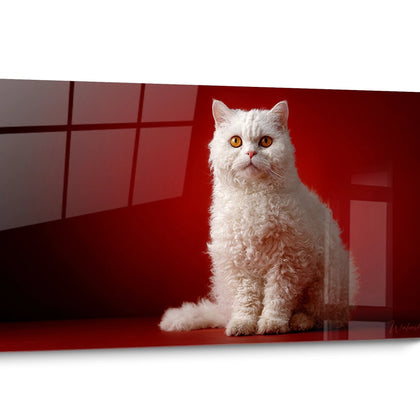 Selkirk Rex Cat Wall Art19
artworks
Selkirk Rex Cat Wall Art19
artworks
-
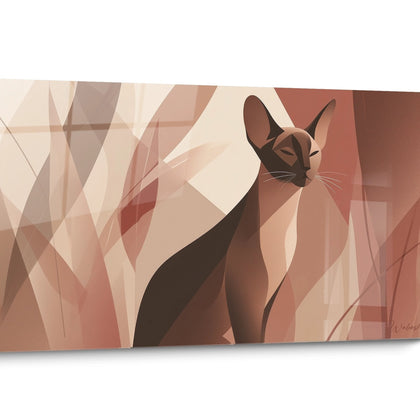 Serengeti Cat Wall Art19
artworks
Serengeti Cat Wall Art19
artworks
-
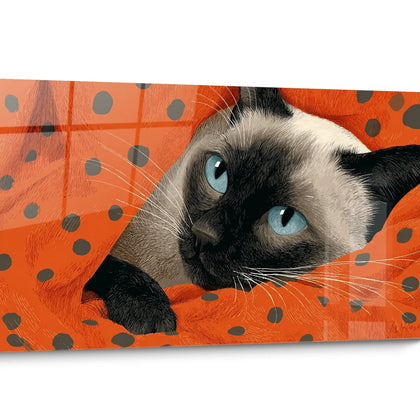 Siamese Cat Wall Art26
artworks
Siamese Cat Wall Art26
artworks
-
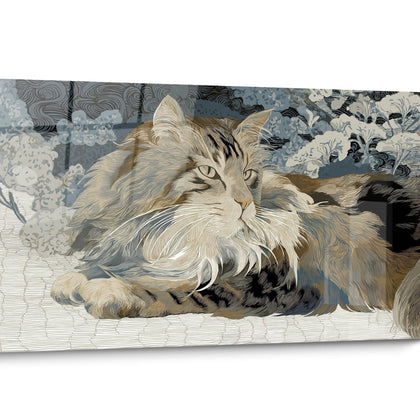 Siberian Cat Wall Art25
artworks
Siberian Cat Wall Art25
artworks
-
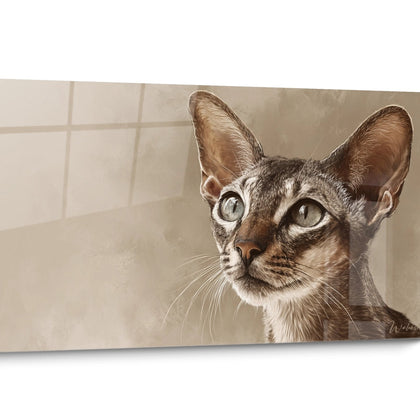 Singapura Cat Wall Art26
artworks
Singapura Cat Wall Art26
artworks
-
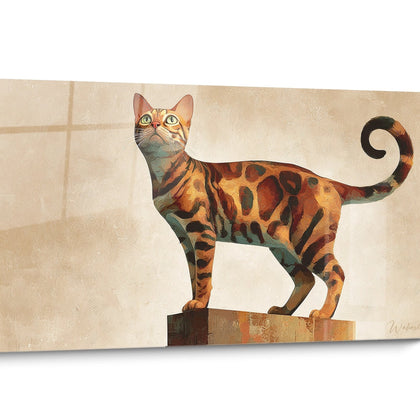 Sokoke Cat Wall Art30
artworks
Sokoke Cat Wall Art30
artworks
-
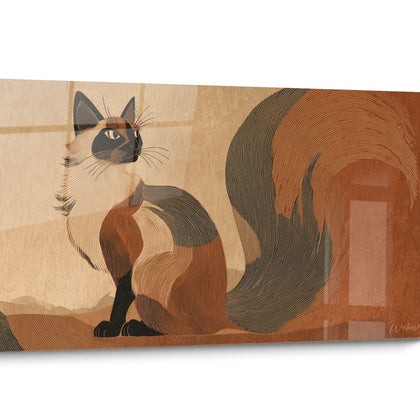 Somali Cat Wall Art19
artworks
Somali Cat Wall Art19
artworks


All about Japanese Bobtail Cat Wall Art
- Japanese Bobtail Presentation
- Wall Art Japanese cat Bobtail and Maneki-neko Heritage
- Japanese Bobtail Cat Wall Art: Silhouette and Pom-Pom Tail
- Japanese Bobtail style Japandi Cat Wall Art
The Japanese Bobtail cat wall art embodies an exceptional meeting between contemporary mural art and one of Japan's most emblematic feline breeds. This cat with its characteristic pom-pom-shaped tail has inspired artists and decorators for centuries, from the famous Maneki-neko to current large-format mural creations. Choosing an artistic representation of this lucky cat allows you to invite into your home all the rich symbolism of Japanese culture, while celebrating the natural elegance of this ancient breed. Whether you are the owner of a Japanese Bobtail, passionate about Japanese aesthetics or simply looking for meaningful wall decoration, discover how this work can transform your living space.
Japanese Bobtail Cat Wall Art: The Artistic Heritage of Maneki-neko
The Japanese Bobtail cat wall art draws its roots from an ancient artistic tradition where this feline occupies a sacred place. Recognized as the ancestor of the legendary Maneki-neko, the lucky cat found at the entrance of Japanese businesses, the Bobtail represents far more than a simple pet. A large-format mural representation of this breed allows you to welcome into your home this symbolism of prosperity and protection that transcends the ages.
Why is the Japanese Bobtail considered a sacred cat in Japan?
The history of the Japanese Bobtail dates back over a thousand years, when these felines arrived on the Japanese archipelago from China and Korea. Quickly, their naturally short pom-pom-shaped tail distinguished them from other cats, this genetic peculiarity being interpreted as a sign of good fortune. Buddhist temples welcomed them to protect sacred manuscripts from rodents, thus establishing their spiritual status. A wall art piece representing this feline perpetuates this ancestral connection between human and animal in Japanese culture.
The legend of the Gotokuji Temple in Tokyo tells how a tricolor Bobtail saved a feudal lord from lightning by attracting him to the sanctuary with a wave of its paw. This founding narrative gave birth to the iconic representation of the Maneki-neko, paw raised in welcome. Acquiring a wall art piece depicting a cat of this breed means integrating into your home this story laden with spiritual significance.
The tricolor Mi-ke: sacred palette of the Japanese Bobtail
Among the coats of the Japanese Bobtail, Mi-ke (pronounced "mi-ké") designates the tricolor pattern of white, orange, and black considered the most auspicious. This specific chromatic combination holds profound meaning in Japanese symbolism. White represents purity, orange material prosperity, and black protection against negative energies. A large-format wall art piece capturing these three hues allows you to visually benefit from this traditional harmonious balance.
Contemporary artists explore this ancestral palette through different pictorial techniques. Some works favor a realistic rendering highlighting the natural contrasts of the tricolor coat. Others adopt a more stylized approach, reminiscent of Ukiyo-e prints from the Edo period. This stylistic diversity offers feline wall decoration enthusiasts a vast choice to express their aesthetic sensitivity while honoring tradition.
From Ukiyo-e to Contemporary Mural Creations
Japanese woodblock art immortalized the Japanese Bobtail as early as the seventeenth century. Masters like Utagawa Kuniyoshi devoted entire series to cats, capturing their feline grace with remarkable precision. These historical works influence today's modern mural creations dedicated to this breed. The refined lines, color blocks and characteristic stylization of Ukiyo-e are reinterpreted in contemporary large-format wall art.
- Influence of Edo prints on current Bobtail representations
- Chromatic layering techniques inspired by woodblock engravings
- Integration of traditional calligraphic elements in compositions
- Fusion between zen minimalism and modern feline expressiveness
What symbolism does a Japanese Bobtail wall art bring to a home?
Installing a mural representation of this Japanese feline transcends simple decoration. In Japanese thought, imagery possesses an invocation power. A Bobtail represented with its left paw raised attracts visitors and promotes social relationships. The right paw raised summons financial fortune. Both paws simultaneously promise complete protection of the home. These symbolic nuances allow you to choose a work aligned with your personal aspirations.
The daily visual presence of this lucky cat also creates a serene atmosphere conducive to meditation and well-being. Japanese Bobtail owners particularly enjoy seeing their companion sublimated in large format on their walls, creating a visual dialogue between the living animal and its artistic representation. This layering reinforces emotional bonds while celebrating the unique aesthetics of the breed.
The Pom-Pom Tail and Athletic Silhouette: Highlighting the Unique Features of the Japanese Bobtail
The Japanese Bobtail cat wall art offers the exceptional opportunity to capture the physical characteristics that make this breed immediately recognizable. Its short pom-pom-shaped tail, resulting from a natural genetic mutation, constitutes the distinctive element par excellence. Each Bobtail possesses a unique tail, comparable to a feline fingerprint, varying in shape, curve and hair density. This anatomical singularity becomes a genuine artistic subject for large-format mural representations.
How does the Bobtail's pom-pom tail inspire artists?
The Japanese Bobtail's tail typically measures between 5 and 10 centimeters, forming loops, spirals or angles that create this characteristic pom-pom appearance. Artists specializing in feline portraits pay particular attention to this anatomical detail when creating their works. A large-format wall art piece allows you to fully appreciate the subtleties of this unique appendage, which a standard photograph could not valorize with such visual impact.
Some artistic representations choose to stylize this tail by drawing inspiration from Japanese chrysanthemums, creating a visual metaphor between the imperial flower and the feline attribute. Others favor hyperrealistic rendering revealing each strand of hair forming the pom-pom. This diversity of artistic approaches guarantees buyers will find a work matching their aesthetic sensitivity while celebrating this breed characteristic.
The slender silhouette: balance between power and grace
Beyond its distinctive tail, the Japanese Bobtail presents an athletic morphology that sets it apart from more massive breeds. Its elongated body with slightly longer hind legs gives it a naturally bounding bearing. A large-format wall art piece allows you to capture this bodily dynamic, freezing the moment when the feline seems about to leap. This characteristic muscular tension animates the works with particular energy.
- Hind legs higher creating a distinctive posture in motion
- Fine and sculpted musculature visible beneath the short coat
- Proud head carriage typical of the Japanese breed
- Harmonious proportions between body length and height
The expressiveness of the gaze: window to the Bobtail's soul
The Japanese Bobtail's eyes present a pronounced oval shape, slightly slanted toward the nose, giving this breed an expression that is both gentle and penetrating. Colors vary from deep gold to emerald green, with some specimens even displaying odd eyes particularly prized. A wall art piece representing this feline in large format allows you to establish genuine visual contact with the work, creating an almost tangible presence in your living space.
Contemporary artists explore this intensity of the feline gaze through different techniques. Some favor meticulous work on highlights and iris depth. Others adopt a more impressionistic approach, suggesting emotion rather than anatomical detail. This expressive dimension often constitutes the focal point of mural works dedicated to the Bobtail, captivating the viewer at first glance.
Why choose a large-format representation for your Japanese Bobtail?
The generous dimensions of a wall art piece allow you to appreciate every nuance of the coat, every curve of the silhouette and every anatomical detail of this refined breed. A significant format between 120 and 200 centimeters transforms the feline representation into a genuine decorative masterpiece. The visual impact of such a work far exceeds that of a standard frame, creating an aesthetic anchor point in any interior.
The large format also reveals the quality of artistic execution and the fineness of details often imperceptible on more modest reproductions. The subtle variations of the Mi-ke coat, the delicate shadows beneath the paws, the silky texture characteristic of the breed: all these elements come to life when the work reaches a size allowing complete visual immersion. The investment in a generous wall art piece thus becomes a declaration of love for this exceptional breed.
Capturing the playful energy typical of the breed
The Japanese Bobtail distinguishes itself through a lively and playful temperament that persists well beyond adulthood. This communicative energy constitutes a precious behavioral characteristic for artists wishing to breathe life and movement into their creations. A wall art piece representing this feline in full action, leaping after a toy or adopting a stalking posture, captures this playful essence unique to the Japanese breed.
Japanese Bobtail owners instantly recognize these characteristic attitudes immortalized on mural works. The slight arching of the back preceding a leap, the ears raised in alertness, the trembling pom-pom tail quivering with excitement: these authentic behavioral details distinguish a successful artistic representation from a generic feline image. Opting for a wall art piece capturing this liveliness means choosing a work that breathes the unique personality of the Japanese Bobtail.
Integrating a Japanese Bobtail Cat Wall Art into Japandi Décor and Feng Shui
The Japanese Bobtail cat wall art naturally finds its place in interiors adopting the japandi aesthetic, this harmonious fusion between Scandinavian minimalism and Japanese refinement. This decorative trend favors clean lines, natural materials and a soothing chromatic palette where the Japanese lucky cat integrates with remarkable elegance. Placing a large-format representation of this lucky cat in such an environment creates perfect visual synergy between Oriental tradition and contemporary design.
Which spaces are best for installing a Japanese Bobtail wall art?
According to feng shui principles, the placement of a work of art influences the energy circulating in the home. A wall art piece representing a Japanese Bobtail with its paw raised ideally finds its place in the entrance, welcoming visitors and positive opportunities. The living room benefits from a soothing representation of the resting feline, promoting harmonious exchanges between occupants. The office profits from a Bobtail with a determined gaze, stimulating concentration and success.
Cardinal orientation also merits consideration in the Chinese tradition of placement. The southeast sector, associated with prosperity, welcomingly hosts an image of this lucky cat. The northeast sector, linked to wisdom and knowledge, suits contemplative representations of the feline. These placement subtleties allow you to optimize the positive influence of the work on your home's atmosphere.
Harmonizing the wall art with japandi natural materials
The japandi aesthetic celebrates raw and authentic materials: light wood, natural linen, artisanal ceramics, polished stone. A Japanese Bobtail cat wall art dialogues wonderfully with these organic textures. The warm tones of the tricolor Mi-ke coat respond to the honeyed nuances of Scandinavian oak. The immaculate white of certain Bobtail coats echoes the purity of cream cotton and washi paper.
- Association with untreated natural ash or beech furniture
- Proximity to textiles in plant fibers (jute, sisal, linen)
- Dialogue with Japanese ceramics with subtle glazes
- Controlled contrast with matte black metal elements
The rule of emptiness: highlighting the feline artwork
The Japanese concept of "ma", the empty space charged with meaning, applies particularly to the display of a large-format wall art piece. Rather than cluttering the surrounding wall, japandi aesthetic recommends letting the work breathe. A 150-centimeter Japanese Bobtail cat wall art requires at least 80 centimeters of visual clearance on each side to fully deploy its impact. This spatial breathing amplifies the presence of the depicted feline.
Walls in neutral tones, off-white, pearl gray or sand beige, constitute the ideal setting for these feline representations. The absence of competing patterns on adjacent surfaces concentrates attention on the main work. This environmental sobriety characteristic of japandi style transforms the Japanese Bobtail cat wall art into a genuine meditative focal point of the room.
How to create a zen atmosphere around the wall art?
The installation of indirect lighting subtly enhances a Bobtail mural representation without creating parasitic reflections. Adjustable spotlights positioned at 30 degrees to the wall art create soft modeling that highlights artistic details. Traditional rice paper lamps, diffusing filtered light, contribute to the contemplative atmosphere conducive to appreciating the feline work.
The addition of plant elements near the wall art reinforces the connection with nature dear to Japanese aesthetics. A carefully pruned bonsai, a dried cherry blossom branch or a minimalist ikebana composition create harmonious dialogue with the cat representation. These botanical associations evoke the zen gardens where the Japanese Bobtail historically found refuge, enriching the visual narrative of the space.
Premium printing supports for successful integration
The choice of printing support significantly influences the integration of a Japanese Bobtail cat wall art into a japandi interior. Acrylic glass offers contemporary depth and brilliance, its subtle reflections animating the work according to ambient lighting. Aluminum Dibond provides a sophisticated matte finish, eliminating any parasitic reflection for serene contemplation. These premium supports guarantee exceptional durability while magnifying the colors and details of the feline representation.
FAQ
Which Japanese Bobtail cat wall art works best for a small apartment?
For reduced spaces, favor a Japanese Bobtail cat wall art with dimensions between 80 and 120 centimeters. Opt for a representation on a light or neutral background that will visually enlarge the room. A Bobtail in a meditative posture rather than in motion will bring calm and serenity without overloading the available space.
How to maintain a Japanese Bobtail cat wall art printed on acrylic glass?
Maintaining a Japanese Bobtail cat wall art on acrylic support requires only a slightly dampened microfiber cloth. Avoid abrasive products or ammonia-containing cleaners that could dull the surface. Monthly dusting is sufficient to maintain the brightness of the colors representing the characteristic coat of the Japanese feline.
Can a Japanese Bobtail cat wall art be installed in a bathroom?
Aluminum Dibond and acrylic glass supports resist moisture perfectly, allowing you to install a Japanese Bobtail cat wall art in a bathroom. However, avoid direct exposure to water splashes. This original installation transforms the bathroom into a genuine zen sanctuary inspired by traditional Japanese hot springs.


