


White Lotus Flower Wall Art
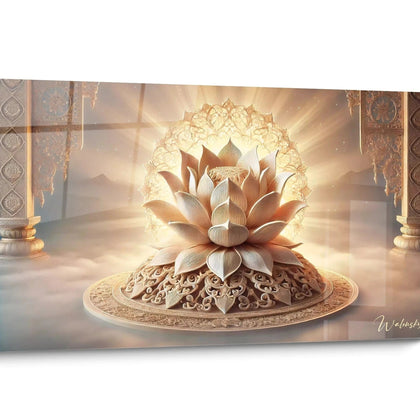
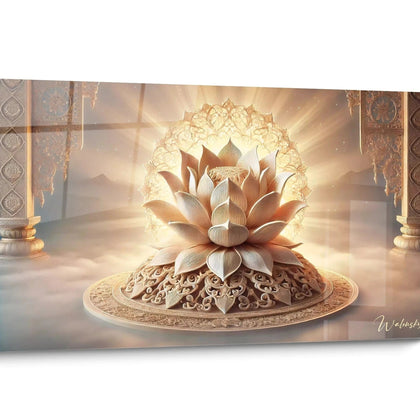
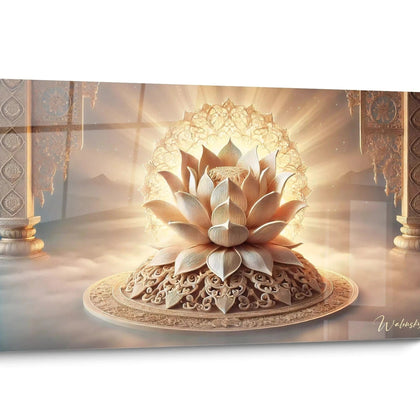
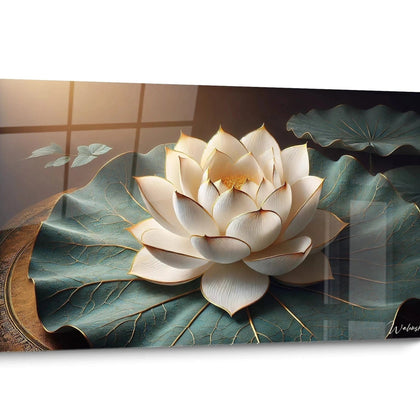
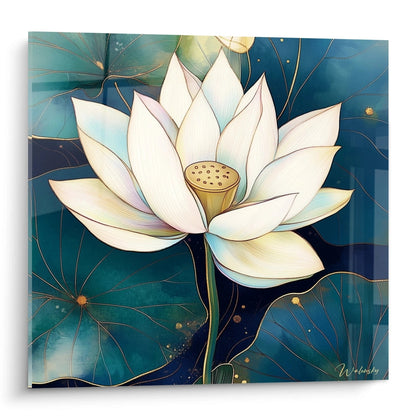
The Lotus Flower Painting White embodies purity and spiritual awakening in your interior. This zen wall decoration white lotus brings a meditative and soothing dimension to your living spaces. A sacred symbol of rebirth and tranquility, the white lotus blooms majestically to create a serene and harmonious atmosphere. Perfect for a living room, bedroom or meditation space, this zen painting lotus flower enhances your decor with elegance and refinement.
 Lotus Art Deco Wall Art - Oriental Serenity - Art Deco Edition233,90 €
 Lotus Art Deco Tableau - Golden Floral Elegance - Art Deco Edition213,90 €
 Lotus Painting Pure Grace - lotus flower edition213,90 €
 Lotus Inner Peace Wall Art - lotus flower edition213,90 €
 Lotus Flower Floating Soul Painting - Lotus Flower Edition213,90 €
 Lotus Flower Eternal Grace Painting - Lotus Flower Edition233,90 €
 Lotus Painting Awakening of the Waters - Lotus Flower Edition233,90 €
 Sacred Purity Wall Art - Zen Lotus Flower Edition233,90 €
All about White Lotus Flower Wall Art
- White Lotus Flower Wall Art Presentation
- Symbolism and Spirituality
- Zen Decoration Integration
- White Chromatic Harmony
The white lotus flower wall art embodies the quintessence of spiritual purity and inner awakening in contemporary mural art. This sacred botanical representation instantly transforms your space into a meditation sanctuary, inviting contemplation and daily surrender.
The Deep Symbolism of the White Lotus in Your Interior
The white lotus flower wall art conveys a millennia-old spiritual dimension rooted in Buddhist and Hindu traditions. Unlike pink or purple varieties, the white lotus specifically represents the perfection of the mind, bodhi, that state of illumination sought by meditation practitioners. Hanging this artwork in your personal space creates a powerful visual anchor for your daily contemplative practices.
Why choose specifically the white variant for a meditation space?
The immaculate hue of the white lotus resonates particularly with the upper chakras, notably the crown chakra associated with universal consciousness. This purified chromatic tone fosters mental clarity and quiets parasitic thoughts. Practitioners of yoga nidra and mindfulness systematically favor this chromatic variation for its soothing effects on the nervous system, amplifying the effectiveness of meditative sessions.
Lotus iconography in Eastern philosophies
Beyond its aesthetic beauty, the large white lotus flower wall art dialogue with the profound teachings of dharma. This aquatic plant that emerges from mud to bloom immaculately symbolizes the spiritual journey of personal transformation. In Tibetan mandalas, it consistently occupies a central position, representing the seat of divinity or the inner sacred space. Installing this monumental visual in your living room or bedroom establishes a direct connection with these ancestral traditions.
Petals as a metaphor for spiritual unfolding
Each petal of the white lotus illustrates a step toward total awakening. Large-format artistic representations allow for meticulous observation of this perfect floral architecture, with each curve and nuance becoming a focus point. For creative visualization practitioners, this type of visual functions as a contemporary yantra, a mental focusing tool that structures meditative practice and amplifies the intention for transformation.
Create a Zen Sanctuary with a White Lotus Flower Wall Art
Integrating a white lotus flower wall art into minimalist decoration requires thoughtful spatial arrangement. This masterpiece functions ideally as a focal point in spaces dedicated to rejuvenation: private yoga studios, meditation corners, wellness-oriented bedrooms. Monumental formats create total visual immersion that promotes mental disconnection upon entering the room.
How to organize space around this spiritual artwork?
Feng shui philosophy recommends positioning this type of floral representation in the north sector of your home, associated with career and personal journey. The artwork should benefit from clear space, without visual clutter in its immediate perimeter. A zafu meditation cushion placed facing the painting establishes an optimal configuration for seated practices. The absence of competing decorative elements allows the lotus to radiate its full soothing energy.
Decorative associations to amplify contemplative ambiance
The large white lotus wall art harmonizes naturally with raw materials: bamboo, natural stone, ecru linen. Avoid overly elaborate associations that would dilute its visual impact. A Tibetan singing bowl positioned on a streamlined console, a few smooth pebbles, a natural beeswax candle are sufficient to create a coherent decorative ecosystem. Wabi-sabi decoration enthusiasts will appreciate this simplicity that values natural imperfection and material authenticity.
Indirect lighting to enhance white purity
Unlike colorful artworks that support direct lighting, the white lotus flower wall art reveals all its subtlety under soft, diffuse light. Warm white LED lighting positioned laterally creates delicate nuances on the petals, amplifying depth perception. For nocturnal meditative experience, variable-intensity LED candles generate a reverent atmosphere conducive to introspection, casting dancing shadows on the immaculate lotus surface.
If you seek a more artistic approach in translucent nuances, also explore variations offered in the white lotus watercolor wall art collection that offers complementary delicate renderings.
The Psychological Impact of Pure White in Wall Decoration
The immaculate chromatic tone of the white lotus flower wall art exercises measurable influence on our psycho-emotional state. Research in environmental psychology demonstrates that regular exposure to monochrome white visuals significantly reduces cortisol levels, the stress hormone. This particularity makes it a valuable ally for individuals suffering from chronic anxiety or evolving in high-pressure professional environments.
What neurophysiological benefits does this specific color provide?
Spectral white preferentially activates brain areas associated with mental clarity and cognitive organization. Unlike multicolor compositions that simultaneously stimulate various sensory areas, white monotones favor a state of cerebral rest, a form of beneficial visual fasting after a day of information overload. Mental health professionals actually integrate this type of visual in consultation spaces dedicated to cognitive and behavioral therapies.
The universal symbolism of chromatic purity
Beyond Eastern traditions, white conveys cross-cultural meanings of renewal and new beginning. An XXL white lotus wall art in a bedroom symbolically accompanies phases of existential transition: career change, grief, convalescence. This chromatic neutrality offers a blank mental space, free from strong emotional connotations, allowing each person to project their own aspirations toward a purified version of themselves.
Create subtle contrasts in contemporary interiors
In spaces with dominant white or light gray walls, the white lotus flower wall art may seem counterintuitive. Yet this tone-on-tone approach is precisely what generates rare decorative sophistication. Micro-variations of nuances, plays of cast shadows on petals, create unsuspected visual depth. This chromatic strategy works particularly well in streamlined industrial lofts, minimalist Scandinavian apartments, or high-end coworking spaces seeking to convey refinement and serenity.
FAQ - White Lotus Flower Wall Art
Where should I place a white lotus flower wall art to maximize its soothing effect?
Position it in your direct line of sight from your main rest space: facing your bed, visible from your meditation cushion, or in the entrance axis of a wellness-dedicated room. Avoid high-traffic zones that would fragment contemplative attention.
Is a white lotus flower wall art suitable for professional spaces?
Absolutely, particularly in therapy offices, wellness centers, yoga studios, and coaching practices. Its soothing neutrality creates an environment conducive to authentic exchanges and concentration without aggressive visual distraction.
How to maintain the luminosity of a white lotus flower wall art over time?
Protect it from direct sun exposure that could alter delicate nuances. Monthly dusting with a dry microfiber cloth suffices. For monumental formats, gentle peripheral vacuuming eliminates particles without direct contact with the printed surface.
Further reading
Our articles on this topic
- Zen Artwork and Lighting: The Importance of Light Play
- 5 Ways to Incorporate a Zen Wall Art into a Modern Living Room
- Why a Zen Artwork is an Excellent Decor Gift?
- How Can a Nature Artwork Enhance Harmony in a Zen Décor?
- Zen Wall Art: Beyond the Cliché, a True Source of Centering
- Nature-inspired artworks: escape, calm and visual balance


